


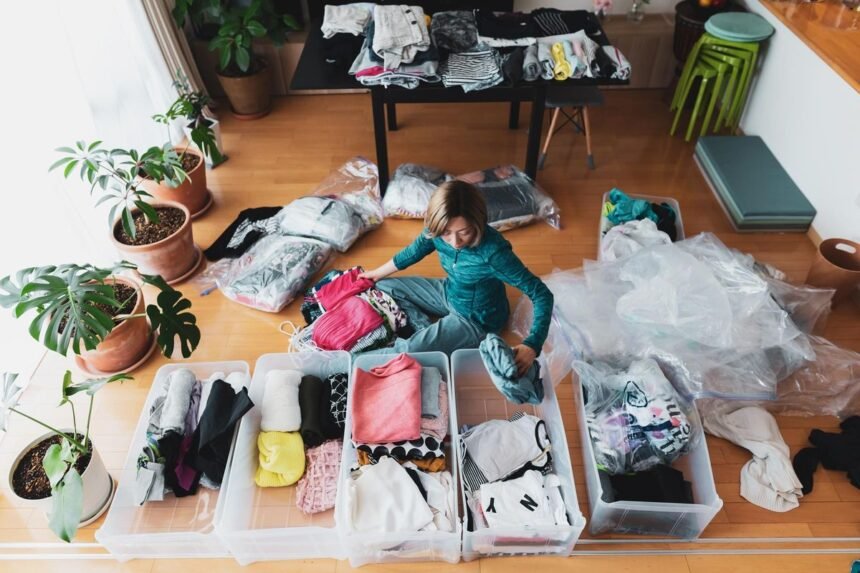
Introduction: The Importance of Home Organization
Home organization is more than just arranging furniture or decluttering spaces; it is an essential practice that significantly impacts our daily lives. A well-organized home can lead to numerous benefits, primarily focusing on mental clarity and improved overall well-being. The process of organizing one’s living environment has been shown to reduce stress levels considerably. When spaces are tidy and thoughtfully arranged, individuals can experience a greater sense of control and tranquility, as clutter has a known tendency to contribute to feelings of anxiety and overwhelm.
Furthermore, an organized home enhances productivity. Whether working from home or managing daily tasks, having an orderly environment allows for greater focus and efficiency. Easy access to necessary items reduces time wasted searching for misplaced belongings, thereby facilitating smoother daily routines. This efficiency not only saves time but also aids in accomplishing more throughout the day.
In addition to stress reduction and increased productivity, home organization fosters a more inviting atmosphere for family and guests. A neat and well-kept space can create a welcoming environment, making social gatherings more enjoyable and less strainful for hosts. When guests arrive in a well-organized home, it cultivates feelings of comfort and respect, enhancing interpersonal relationships.
This blog post will provide a comprehensive step-by-step guide on home organization, outlining practical strategies and tips to transform your living space into an organized haven. From decluttering techniques to effective storage solutions, each section is designed to empower you with the knowledge to implement changes that reflect your personal style and optimize your home’s functionality. Embrace the journey of home organization, and witness the positive developments it can bring to your life.
Step 1: Assess Your Current Situation
The initial step in organizing your home requires a thorough assessment of your current situation. To begin, walk through each room in your house and identify areas that are cluttered or disorganized. Pay attention to spaces such as closets, drawers, and countertops where items may have accumulated over time. Make a mental note or take photographs of these areas to highlight the most problematic spots.
Next, categorize the items within these cluttered areas. This can be done by grouping similar items together, such as books, clothes, kitchenware, or miscellaneous objects. By categorizing your belongings, you will gain insight into what you have and how it is impacting your living space. Additionally, note which items are frequently used and which have not been touched in a significant period of time. This exercise will help you identify items that may be unnecessary and can be discarded or donated.
Understanding your personal organization style is also crucial during this assessment phase. Reflect on how you prefer to organize your belongings. Some individuals thrive in a minimalistic environment with fewer items, while others may benefit from a more maximalist approach that incorporates personal touches and collections. If you are uncertain about your organization style, consider experimenting with different layouts or consulting with others who have curated a satisfactory organization system.
Lastly, compile a list of the areas that need improvement based on your observations. This list will serve as a guiding document as you proceed to the next steps of your organization journey. Keep it realistic; focusing on a few areas at a time will help you achieve your goals without feeling overwhelmed. This comprehensive assessment will set a strong foundation as you begin to transform your living space into a more organized and harmonious environment.
Step 2: Set Your Goals
Setting clear and achievable goals is an essential component of effective home organization. To embark on your organizing journey, begin by defining what you would like to accomplish in your living space. This can range from decluttering a specific room to creating a more functional area for daily activities. By establishing specific objectives, you will create a roadmap to follow throughout the organization process.
Start by breaking down your goals into two categories: short-term and long-term. Short-term goals might include tasks like reorganizing a single closet, tidying up a particular kitchen drawer, or setting up a system for incoming mail. These tasks should be manageable and attainable within a short time frame, often a few hours to a weekend. Completing short-term goals can provide a sense of accomplishment and motivate you to tackle larger projects.
Long-term goals, on the other hand, encompass broader ambitions such as transforming your entire home into a clutter-free environment or developing a comprehensive storage solution that accommodates your family’s lifestyle needs. These objectives require more time and planning but can be achieved through incremental steps. For instance, you might aim to declutter your entire home over the course of several months, dedicating specific weekends to different rooms.
Moreover, it is beneficial to involve all household members in the goal-setting process. This collaborative approach ensures that everyone is on board and can contribute to the organization efforts, making the undertaking more efficient and enjoyable. By communicating openly about each person’s needs and preferences, you can set goals that universally enhance the livability of your home.
In summary, defining clear and realistic goals is vital for successful home organization. By strategically categorizing your objectives into short-term and long-term goals, you can maintain focus, motivation, and ultimately achieve a structured and functional living space.
Step 3: Create a Decluttering Plan
Decluttering is an essential first step in creating a well-organized home. It helps to clear out unnecessary items, making space for those things that truly matter. A thorough decluttering plan can transform not only your living environment but also your mindset towards your belongings. There are various methods to streamline this process effectively, among which the ‘Four-Box Method’ stands out as particularly useful.
The ‘Four-Box Method’ involves categorizing your items into four distinct boxes: Keep, Donate, Sell, and Trash. Begin by taking a small area of your home and systematically going through all the items within it. As you evaluate each piece, place it in one of the four boxes. This method allows for a structured approach, reducing the overwhelm typically associated with decluttering.
When deciding what to keep or donate, consider the functionality and emotional value of the items. Ask yourself questions like: “Have I used this in the last year? Does it hold sentimental value?” Be honest in your assessment; this helps in making clearer decisions about what deserves a place in your home. Remember, it is also pertinent to maintain a vision of your ideal living space while you go through this process.
Additionally, setting a timeline can help in remaining focused and committed to the decluttering effort. Start with a daily or weekly goal and gradually expand to larger areas of your home as you become more comfortable with the process. By structuring your decluttering plan effectively, you pave the way for a more organized, peaceful, and functional home environment.
Designate Spaces and Zones
Organizing your home effectively requires a systematic approach to creating designated spaces and zones. This concept involves clearly defining areas in your home for specific functions, which can enhance productivity and ensure belongings are easily accessible. By categorizing your items based on their use, you can foster a sense of order and clarity throughout your living environment.
Start by assessing the various activities that take place in your home. For instance, consider establishing a dedicated workspace for tasks such as studying, working from home, or creative activities. This will not only create a focused area for productivity but also help in preventing distractions that can arise in multipurpose spaces. A well-defined workspace can include essential furniture like a desk and comfortable chair, as well as efficient storage solutions such as shelves or organizers for documents and supplies.
In addition to workspaces, it is essential to create zones for relaxation and leisure. Spaces such as reading nooks or home theaters should be situated in quiet corners, promoting an atmosphere conducive to relaxation. Utilize furniture arrangements and lighting to enhance the functionality of these areas, ensuring they serve their intended purpose effectively.
Furthermore, consider designating storage areas for different types of items. For example, a specific cabinet for kitchenware versus another for cleaning supplies can streamline both access and organization. Utilize clear bins or labeled containers for efficiency. Establishing dedicated spaces fosters a sense of belonging for your items, ultimately making it easier to locate and maintain them over time.
By implementing designated spaces and zones, you can transform your home into a well-organized haven that reflects your daily needs, thus making life more manageable and enjoyable.
Implement Organization Systems
Creating an organized home environment goes beyond merely decluttering. Implementing effective organization systems tailored to your lifestyle is crucial for maintaining a neat and functional space. First, assess your unique needs and how you use each area of your home. Consider factors such as the size of your family, daily routines, and specific areas that require the most attention. This thorough understanding will allow you to design systems that facilitate ease of use and upkeep.
Storage solutions play a significant role in any organization strategy. Options vary from traditional shelving units to modern multifunctional furniture, ensuring that your storage not only serves a purpose but also complements your home’s aesthetics. When selecting storage solutions, prioritize accessibility and visibility. Clear bins, well-placed hooks, and labeled boxes can transform chaotic spaces into serene ones. Labeling becomes essential; it eliminates confusion about where items belong and streamlines the process of returning things to their designated locations.
Furthermore, establishing routines is fundamental in ensuring your organization efforts are sustainable. Allocate specific times for maintenance tasks, such as weekly decluttering or monthly reorganizing sessions. These routines help reinforce good habits and prevent disarray from returning. It is also essential to remain flexible and willing to adjust systems as your needs evolve or if certain strategies do not yield the expected results. This mindset fosters a culture of organization within the home that can be easily adapted over time.
Ultimately, implementing an organization system should be a personalized experience. By choosing storage solutions, effective labeling methods, and routine maintenance schedules that resonate with your lifestyle, you can significantly enhance the functionality and appeal of your space. This tailored approach to organization ensures that it becomes a seamless part of daily life, rather than a chore that is easily abandoned.
Maintain Your Organized Space
Once your home has been organized, the next critical step is to implement strategies that ensure it remains in that state. Regular maintenance is essential for sustaining an organized environment, and this can be achieved through the establishment of consistent routines. By developing daily, weekly, and monthly habits, individuals can effectively mitigate the risk of clutter returning and maintain a peaceful living space.
Creating daily routines can begin with small, manageable tasks that contribute significantly to overall organization. For instance, dedicating just five to ten minutes each day to tidying up can make a remarkable difference. This could involve returning items to their designated places after use, decluttering surfaces, or even handling any mail that arrives. The key is consistency; by making these actions a part of your daily routine, they become second nature.
In addition to daily practices, setting aside time for weekly organization tasks can further enhance your efforts. This could include deeper cleaning and organizing activities, such as reorganizing a closet, decluttering a specific area of the home, or assessing whether items are still necessary. Weekly check-ins create opportunities to reflect on your organizational goals and make necessary adjustments to your system.
Finally, a monthly review of your entire home can be beneficial to maintaining organization over time. During these sessions, evaluate each room for any signs of clutter or disorganization. This is also an ideal time to reassess your needs, ensuring that your organizational solutions remain aligned with your current lifestyle. By incorporating these structured intervals into your life, you can sustain the efforts made during the initial organization process and cultivate a long-term organized space.
Overcoming Common Challenges
In the process of organizing your home, various challenges can disrupt your plans and hinder forward progress. Recognizing these hurdles is the first step in developing effective strategies to overcome them. One of the most prevalent obstacles is emotional attachment to items. Sentimental belongings can significantly complicate the decluttering process, making it difficult to let go of things, even if they no longer serve a purpose.
To navigate emotional ties, consider adopting a more analytical approach. Ask yourself whether the item is necessary for your current life or if it merely holds historical value. Keep in mind that preserving memories can be done through photographs or creating a memory box, reserving space only for those truly irreplaceable items. This will help create mental space for a more organized environment.
Another common issue is time constraints. Many individuals find it challenging to allocate sufficient time for home organization amidst their busy schedules. To combat this, strategize by breaking down the organization process into smaller, more manageable tasks. Allocate specific time slots for each task and use timers to maintain focus. This can turn an overwhelming project into a series of attainable challenges, reducing procrastination and creating a sense of achievement as tasks are completed.
Additionally, engaging family or friends can greatly assist in overcoming obstacles. Not only can they help lighten the workload, but they also serve as support systems that provide encouragement and accountability. Sharing the organization journey can make it more enjoyable and less daunting, facilitating progress.
By anticipating these common pitfalls and employing practical solutions, you can streamline your organizational efforts, contributing to a more harmonious living space. Armed with the right strategies, the journey towards an organized home can become a more manageable and fulfilling experience.
Conclusion: Embracing Your Organized Home
Living in an organized home offers numerous benefits that extend beyond mere aesthetics. An organized space fosters a sense of calm and can significantly enhance your overall well-being. When everything has its place, daily tasks become more manageable, and you will find that you waste less time searching for items. This newfound efficiency often translates into reduced stress levels, allowing you to focus on those aspects of your life that truly matter.
Moreover, an organized home empowers you to cultivate positive habits in your daily routine. By embracing the practice of organization, you can create an environment that reflects your values and priorities. This further encourages mindfulness and intentionality in how you live your life. Rather than viewing organization as a tedious chore, consider it an ongoing journey that enriches your lifestyle.
The key to maintaining an organized space is consistency. Make a conscious effort to regularly assess and declutter your surroundings. Incorporate small organizational tasks into your weekly routine to ensure that your home remains a sanctuary of calm and order. Whether it’s setting aside a few minutes each day to tidy up or conducting a thorough organizing session once a month, these habits will contribute to a more harmonious living space.
In conclusion, embracing your organized home is about more than simply having a neat and tidy space. It is a commitment to fostering a lifestyle that values simplicity, efficiency, and clarity. As you step back and admire your newly organized rooms, take a moment to appreciate the mental clarity you now possess. Remember, an organized home is not just a destination; it is a continual process of growth and transformation that can enhance every aspect of your life.