


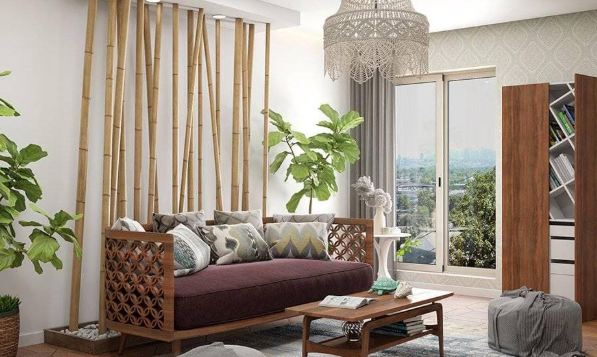
Introduction to Sustainable Interior Decoration
In contemporary living, the concept of sustainable interior decoration has become increasingly significant, reflecting a growing awareness of environmental issues and a commitment to promoting eco-friendly homes. This approach to interior design emphasizes the selection and use of materials and products that not only enhance the aesthetic appeal of a space but also have a minimal impact on the environment. Sustainable interior decoration seeks to create harmonious living environments that prioritize both function and ecological sustainability.
The surge in environmental concerns, such as climate change and resource depletion, has influenced many homeowners and designers to rethink their choices when it comes to home decoration. By integrating sustainable materials into interior design, individuals can contribute to reducing their carbon footprint while creating healthier living spaces. Sustainable materials often include natural, renewable resources, recycled products, and low-VOC (volatile organic compounds) options, which minimize harmful emissions and promote indoor air quality.
Choosing sustainable interior decoration materials not only benefits the planet but also offers practical advantages for homeowners. For instance, materials such as bamboo, reclaimed wood, and organic fabrics can provide durability and longevity, which often results in lower maintenance costs over time. Additionally, eco-friendly products can foster a sense of well-being, leading to improved mental health and comfort within the home. It is evident that sustainable interior decoration is more than just a trend; it represents an essential shift towards responsible living that prioritizes environmental stewardship.
Ultimately, the integration of sustainable practices within interior decoration is an impactful way to champion ecological responsibility. By making informed choices, homeowners can effectively contribute to the sustainability movement, ensuring that their living environments are both stylish and ecologically sound.
Understanding Eco-Friendly Materials
Eco-friendly materials play a vital role in sustainable interior decoration, contributing to the overall health of our environment. These materials are typically defined as those that have minimal impact on the ecosystem, encompassing a range of characteristics that align with environmental sustainability. To fully comprehend eco-friendly materials, key terms such as ‘sustainable,’ ‘recycled,’ and ‘renewable’ must be understood.
Sustainable materials are those that can be produced and used without depleting natural resources or causing significant harm to the environment. This category often includes products derived from responsibly managed forests or those that have been harvested using ethical practices. In contrast, recycled materials refer to products made from previously used materials, which helps reduce waste and conserve natural resources. By utilizing what already exists, recycled materials lower the demand for virgin resources, thus minimizing ecological impact.
Renewable materials are derived from sources that can regenerate naturally over time, such as bamboo or cork, making them an excellent choice for interior decoration. These materials are not only environmentally friendly but also offer unique aesthetic qualities that can enhance interior spaces.
When evaluating eco-friendly materials, it is essential to consider features such as low volatile organic compound (VOC) emissions, durability, and lifecycle assessments. Low VOC emissions contribute to better indoor air quality, which is crucial for the health of inhabitants. Durability ensures that the materials last longer, thus reducing the need for frequent replacements. Lifecycle assessments evaluate the environmental impact of a material from sourcing through production, use, and eventual disposal. Understanding these criteria enables consumers to make informed decisions when selecting materials that are genuinely eco-friendly, ultimately supporting sustainable living practices.
Natural Materials for Interior Decoration
In the quest for eco-friendly homes, the choice of interior decoration materials plays a pivotal role. Natural materials such as wood, bamboo, cork, and stone not only enhance aesthetic appeal but also offer sustainable alternatives to conventional resources. Each of these materials brings its unique characteristics, contributing to the overall sustainability of a living space.
Wood is a classic choice that imparts warmth and elegance to interiors. Sourced from sustainably managed forests, reclaimed wood reduces the impact on new timber production while enhancing the charm of a space with its unique grains and textures. Bamboo, a rapidly renewable resource, is gaining popularity due to its strength, flexibility, and easy installation. Its versatility allows it to be used in flooring, furniture, and decorative elements, making it an ideal material for eco-conscious consumers.
Cork, another remarkable natural material, is harvested from the bark of cork oak trees without harming the tree itself, demonstrating a truly sustainable practice. Used in flooring and wall coverings, cork provides excellent insulation and sound-absorbing properties, enhancing the comfort of indoor environments. Stone, though often overlooked, serves as a durable and timeless material for countertops, flooring, and decorative features. Its longevity contributes to reduced waste over time, reinforcing its role in an eco-friendly interior.
When sourcing these materials, it’s essential to look for certifications that ensure their sustainability. Labels such as FSC (Forest Stewardship Council) for wood and bamboo or GREENGUARD for low-emission materials can guide consumers in making responsible choices. Additionally, engaging with local suppliers not only promotes economic sustainability but also reduces the carbon footprint associated with transportation.
Incorporating natural materials into interior decoration not only elevates the aesthetic of a home but also supports a more sustainable lifestyle, allowing individuals to enjoy beauty while being mindful of the environment.
Recycled and Upcycled Materials
In the realm of sustainable interior decoration, the usage of recycled and upcycled materials has gained significant prominence. The process of recycling involves converting waste products into new materials, thereby reducing the consumption of raw resources and minimizing environmental impact. By choosing recycled materials for home decor, homeowners contribute to a reduction in landfill waste, which is essential for fostering eco-friendly living spaces.
Upcycling, on the other hand, refers to creatively transforming discarded items into new products of higher quality or value. This approach not only diverts waste from landfills but also allows individuals to express their creativity. For instance, a vintage suitcase can be repurposed into a unique coffee table, or glass bottles can be crafted into decorative vases. Such imaginative uses add character and sustainability to interior spaces.
A prime example of materials that can be reused in interior decoration is reclaimed wood. This wood, derived from old barns, factories, or demolished structures, boasts a rich history and pairs beautifully with various decor styles. It can be used for flooring, furniture, and accent walls, offering both aesthetic appeal and durability. Another notable material is recycled glass, which can be formed into tiles or decorative objects. Its vibrant colors and unique shapes can enhance the beauty of any room while providing an eco-friendly solution.
Incorporating these materials into home decor not only promotes sustainability but also creates distinctive and personal spaces. Homeowners are encouraged to explore local workshops or online platforms to find recycled and upcycled items, fostering a deeper connection to their environment. By integrating recycled and upcycled materials, individuals can significantly contribute to eco-friendly home decoration while showcasing their style and creativity.
Sustainable Fabrics and Textiles
In the pursuit of eco-friendly homes, choosing sustainable fabrics and textiles is essential for both aesthetic appeal and environmental responsibility. Various options exist that not only contribute to a healthier planet but also enhance the comfort and style of interior spaces.
Organic cotton is a popular choice among eco-conscious consumers. Unlike conventionally grown cotton, organic cotton is cultivated without synthetic pesticides or fertilizers, which significantly reduces its environmental impact. This process yields soft and durable fabric, making it ideal for everything from upholstery to curtains.
Another notable material is linen, derived from the flax plant. This fabric is both biodegradable and water-efficient, requiring less water during cultivation compared to cotton. Linen is also strong and known for its natural breathability, making it an excellent choice for summer decor and bedding.
Hemp is increasingly recognized as a sustainable textile option. It grows rapidly, requires minimal resources, and has natural resistance to pests, negating the need for harmful chemicals. The resulting fabric is not only strong and durable but also showcases a unique texture that adds character to home decor.
Tencel, or lyocell, is another innovative fabric made from sustainably sourced wood pulp. The production process involves a closed-loop system that recycles water and solvents, ensuring minimal waste and environmental impact. Tencel is known for its smooth texture and moisture-wicking properties, making it an excellent choice for modern home textiles.
When selecting sustainable fabrics, it is important to consider the dyeing processes as well. Eco-friendly dyes, which are often plant-based, reduce harmful chemical usage in both the production and disposal processes. Additionally, certifications such as the Global Organic Textile Standard (GOTS) serve as valuable indicators of a fabric’s environmental credentials, confirming its organic status and ethical production practices.
Eco-Friendly Paints and Finishes
When embarking on the journey of sustainable interior decoration, one significant aspect to consider is the selection of eco-friendly paints and finishes. Traditional paints often contain high levels of volatile organic compounds (VOCs), which can adversely affect indoor air quality and lead to various health issues. In contrast, eco-friendly paints are formulated to minimize or entirely eliminate VOCs, making them a safer choice for both the environment and occupants of a home.
In terms of sustainability, eco-friendly paints may utilize natural pigments derived from minerals, plants, or other renewable resources. These natural ingredients not only offer beautiful colors and finishes but also contribute to a lower environmental impact compared to synthetic chemical-based pigments. Additionally, many eco-friendly paints come in a wide range of formulations suitable for different applications, including interior walls, furniture, and cabinetry.
When selecting paints, look for certifications that indicate a product’s environmental safety. Third-party certifications, such as Green Seal, EcoLogo, or the LEED (Leadership in Energy and Environmental Design) rating, can help ensure that a paint product adheres to specific environmental standards. These certifications consider the entire lifecycle of the paint, from production through disposal, ensuring it is not only effective but also responsibly made.
Different eco-friendly painting options include chalk paints, milk paints, and clay paints, which are typically made from natural substances and contain minimal harmful chemicals. These alternatives are also appreciated for their aesthetic appeal and versatility in various interior design styles.
By choosing eco-friendly paints and finishes, homeowners can contribute to a sustainable living environment while ensuring their home is aesthetically pleasing and safe for their families. As concern for the environment continues to grow, the demand for greener products will likely influence the future of home decoration as well.
Innovative Green Technologies in Interior Design
In the realm of sustainable interior decoration, innovative green technologies play a pivotal role in enhancing both the aesthetic appeal and functionality of eco-friendly homes. One prominent advancement is the incorporation of energy-efficient lighting systems. These systems, such as LED bulbs, not only reduce energy consumption but also offer versatile design options that complement various interior styles. By having a longer lifespan and lower heat output compared to traditional lighting, energy-efficient solutions significantly contribute to a reduction in carbon emissions.
Another essential technology is the integration of smart home systems. These systems can automate lighting, heating, and cooling, dynamically adjusting them according to the homeowners’ needs and preferences. By employing smart thermostats and energy management systems, individuals can optimize their energy usage, furthering their commitment to sustainability. They also enhance comfort within the living space, as homeowners can control their environment from the convenience of their smartphones or tablets.
Furthermore, sustainable HVAC (Heating, Ventilation, and Air Conditioning) systems represent a critical innovation in eco-friendly home design. These systems utilize renewable energy sources and high-efficiency equipment to maintain indoor climate with minimal environmental impact. For instance, geothermal heat pumps leverage the earth’s stable temperatures to provide efficient heating and cooling solutions, drastically reducing dependence on fossil fuels.
Moreover, these innovative technologies not only promote sustainability but also elevate the overall design experience. Homes equipped with smart technologies and energy-efficient appliances tend to be more comfortable and inviting, creating a harmonious living environment. Thus, the integration of green technologies in interior design underscores the importance of innovation in crafting spaces that are both visually appealing and environmentally responsible.
DIY Sustainable Interior Decoration Ideas
Incorporating sustainable materials into your interior decoration can be both rewarding and environmentally responsible. One of the most accessible ways to do this is through DIY projects that utilize reclaimed, recycled, or eco-friendly materials. Here are some practical ideas to inspire your creativity.
One popular project is creating furniture from reclaimed wood. You can source reclaimed wood from old furniture, pallets, or construction sites. With a few basic tools, you can transform this wood into shelving units, tables, or benches. Start by carefully dismantling the wood, ensuring you keep it intact. Sand it down to smooth any rough edges, then assemble the pieces using eco-friendly wood glue and nails. For a finished look, consider applying a non-toxic sealant or stain to highlight the wood’s natural beauty.
Another interesting project involves recycling glass jars into decorative pieces. Gather various sizes of jars, and wash them thoroughly to remove any labels and residues. These jars can serve multiple functions – as candle holders, vases, or storage containers. For a decorative touch, paint the outside of the jars with eco-friendly paint or wrap them in natural twine. Adding dried flowers or pebbles will further enhance their aesthetic appeal.
Fabric items can also be revamped with sustainable practices. Consider upcycling old textiles or clothing into new cushions or throws. Cut the fabric into desired shapes, sew them together, and fill with natural stuffing materials like cotton. Additionally, stenciling with eco-friendly paint can add unique designs to your new cushions, ensuring they reflect your personal style while supporting sustainable practices.
Finally, consider making wall art from recycled materials. Collect items like old newspapers, magazines, or cardboard, and arrange them in creative designs. You can frame these pieces using reclaimed wood to tie the look together. These projects not only beautify your home but also contribute to a sustainable lifestyle.
Conclusion and Future of Sustainable Interior Design
As we reflect on the critical elements of sustainable interior decoration materials discussed in this blog post, it becomes evident that the choices we make in our living spaces have far-reaching implications for the environment. Utilizing eco-friendly materials not only reduces the carbon footprint of our homes but also promotes a healthier living environment. Key aspects such as sourcing local materials, opting for renewable resources, and choosing non-toxic finishes play a crucial role in fostering sustainability.
The importance of making informed decisions in interior decoration cannot be overstated. By prioritizing sustainable options, we contribute to a movement that values both aesthetic appeal and ecological integrity. This shift is essential as the construction and design industries face increasing scrutiny regarding their environmental impact. Sustainable practices must become the standard, rather than the exception, in the evolution of interior design.
Looking ahead, the future of sustainable interior design appears promising. Innovations in materials science are paving the way for more environmentally friendly options, such as biodegradable composites and modular designs that minimize waste. Furthermore, advancements in technology are leading to smarter homes equipped with energy-efficient systems that enhance overall sustainability. As designers and consumers alike become more conscientious about the resources they utilize, we can expect to see a greater emphasis on circular economies, where products are designed for reuse, recycling, or repurposing.
Encouragingly, a growing number of designers are embracing biophilic design principles, which integrate nature into architecture and interiors, fostering well-being and connecting individuals with their surroundings. This holistic approach aligns with the increasing desire to cultivate spaces that reflect a commitment to sustainability.
In closing, adopting eco-friendly practices in our homes is not merely a trend, but a necessary evolution toward a more sustainable future. By continuing to support and innovate in the realm of sustainable interior decoration, we each have the power to create spaces that are not only beautiful but also environmentally responsible.