

Morocco is one of North Africa’s most fascinating travel destinations, offering an extraordinary combination of colorful cities, ancient medinas, breathtaking mountains, golden deserts, and beautiful coastal landscapes. From the lively markets of Marrakech to the peaceful blue streets of Chefchaouen, every destination offers something memorable. Understanding essential Morocco travel tips can help you explore this diverse country confidently while enjoying its remarkable culture and traditions.
Planning a trip to Morocco requires more than choosing famous attractions and booking accommodation. Travelers should understand local customs, transportation options, currency, seasonal weather, and common tourist experiences before arriving. Knowing how to navigate busy markets, communicate respectfully, and prepare for regional climate differences can make your journey significantly more comfortable. A little preparation also helps prevent unnecessary travel complications.
Whether you are visiting Morocco for the first time or returning to discover new destinations, practical travel advice can improve your overall experience. This comprehensive Morocco travel guide covers important information about entry requirements, cultural etiquette, accommodation, transportation, food, safety, and travel budgeting. These useful recommendations will help you plan a memorable Moroccan adventure while respecting local communities and traditions.
1. Choose the Best Time to Visit Morocco
Choosing the right season is one of the most important Morocco travel tips because the country’s weather varies considerably between regions. Coastal destinations, mountain towns, and desert landscapes experience different temperatures throughout the year. Spring and autumn are often comfortable for sightseeing in many popular destinations. However, the ideal travel period depends on your preferred activities and planned itinerary.
March through May generally offers pleasant conditions for exploring cities such as Marrakech, Fes, and Rabat. September through November can also provide comfortable temperatures for cultural sightseeing and outdoor experiences. Summer temperatures may become extremely high in inland locations, particularly around Marrakech and desert regions. Coastal cities such as Essaouira often experience comparatively moderate conditions.
Winter travel can be enjoyable in many Moroccan cities, although evenings may feel surprisingly cold. The Atlas Mountains can experience snowfall, while desert areas may have significant differences between daytime and nighttime temperatures. Packing suitable layers is important regardless of the season. Always check regional weather forecasts before booking excursions, especially when planning mountain or desert activities.
2. Understand Morocco’s Visa and Entry Requirements
Before traveling to Morocco, confirm the entry requirements that apply to your nationality and passport. Some travelers can enter for short tourism visits without obtaining a visa in advance, while others require prior authorization. Morocco also offers electronic application options for certain eligible travelers. Requirements can change, making official confirmation essential before booking flights or accommodation.
Make sure your passport satisfies the applicable validity requirements and remains in good condition throughout your journey. Depending on your circumstances, immigration officials may ask about your accommodation, return travel arrangements, or intended activities. Keep important booking information easily accessible. Travelers planning extended stays should understand the permitted duration and any applicable extension procedures.
Travel insurance is another important consideration when preparing for an international trip. Suitable coverage may help with unexpected medical expenses, transportation disruptions, or other eligible emergencies. Read policy conditions carefully to understand exclusions and limitations. Keep secure copies of your passport, insurance details, and reservations so important information remains available if documents are misplaced.
3. Plan Your Morocco Travel Itinerary Carefully
Morocco offers an impressive variety of destinations, but attempting to visit every major attraction during a short vacation can become exhausting. Marrakech, Fes, Chefchaouen, Casablanca, Rabat, and Essaouira each provide different cultural experiences. Mountain and desert destinations require additional transportation time. Creating a realistic itinerary allows you to enjoy attractions without spending most of your holiday moving between locations.
For a first visit lasting approximately one week, consider focusing on two or three destinations that connect conveniently. Marrakech and Essaouira can provide a combination of historic city life and coastal relaxation. Travelers interested in northern Morocco may prefer Fes, Chefchaouen, and Tangier. Longer itineraries can include mountain landscapes and carefully organized desert excursions.
Remember that travel distances can be greater than they initially appear on a map, particularly in mountainous regions. Road conditions, transportation connections, and scheduled stops may affect journey times. Allowing extra time between destinations reduces unnecessary pressure and provides flexibility. A balanced Morocco itinerary should include opportunities for sightseeing, relaxation, cultural discovery, and spontaneous experiences.
4. Learn How to Get Around Morocco Easily
Transportation planning is essential for exploring Morocco efficiently because different destinations offer different travel connections. Major cities are connected through rail services, while buses provide access to many additional locations. Taxis are widely available for shorter journeys, and domestic flights may help with longer distances. Choosing suitable transportation depends on your itinerary, budget, and comfort preferences.
Morocco’s railway network connects important cities including Casablanca, Rabat, Fes, Marrakech, and Tangier. High-speed rail services operate along the Tangier, Kenitra, Rabat, and Casablanca corridor. Established intercity bus operators provide additional connections, including destinations without railway stations. Booking popular routes in advance can be useful during holidays and busy travel periods.
Within cities, taxis can provide convenient transportation, although payment arrangements should be clarified before departure. Confirm whether the meter will be used or whether a fare must be agreed upon. Walking is enjoyable in many historic areas, but medina streets can be confusing. Using reliable navigation tools and arranging transport through established providers can simplify daily travel.
5. Respect Moroccan Culture and Local Traditions
Understanding Moroccan cultural etiquette can make your travel experience more meaningful and comfortable. Morocco has a rich cultural identity influenced by Amazigh, Arab, African, Mediterranean, and Islamic traditions. Customs can vary between cities, villages, and individual households. Approaching these differences with curiosity and respect helps create positive interactions with residents and local communities.
Modest clothing is often appreciated in traditional neighborhoods and religious settings, although dress expectations vary by location. Lightweight garments that cover the shoulders and knees can be practical choices when visiting conservative areas. Visitors should also respect restrictions at religious buildings, as many mosques are not open to non-Muslim tourists. Always follow posted guidance.
Photography etiquette is another important consideration, particularly in markets and residential neighborhoods. Ask permission before photographing individuals, and avoid capturing sensitive locations where photography is restricted. During Ramadan, some restaurants and businesses may operate differently, especially outside major tourism districts. Being considerate of local practices demonstrates respect and can make cultural experiences more rewarding.
6. Manage Moroccan Currency and Travel Expenses
The official currency of Morocco is the Moroccan dirham, commonly abbreviated as MAD. Understanding local payment methods is important because cash remains useful in traditional markets, smaller restaurants, and certain transportation services. Larger hotels and established businesses may accept international payment cards. Carrying a reasonable amount of local currency can make everyday purchases more convenient.
ATMs are available in many urban areas, although withdrawal fees and bank policies can vary. Currency exchange services may also be found at airports, banks, and authorized exchange offices. Compare exchange conditions before completing significant transactions. Keeping small denominations available is useful for inexpensive purchases, local transportation, and situations where vendors cannot easily provide change.
A realistic Morocco travel budget should account for accommodation, transportation, meals, entrance fees, and optional excursions. Costs vary considerably between luxury resorts, traditional riads, and budget guesthouses. Popular tourist districts may have higher prices than surrounding neighborhoods. Tracking major expenses and allowing room for unexpected costs can help you enjoy your vacation without unnecessary financial pressure.
7. Learn How to Shop in Moroccan Souks and Markets
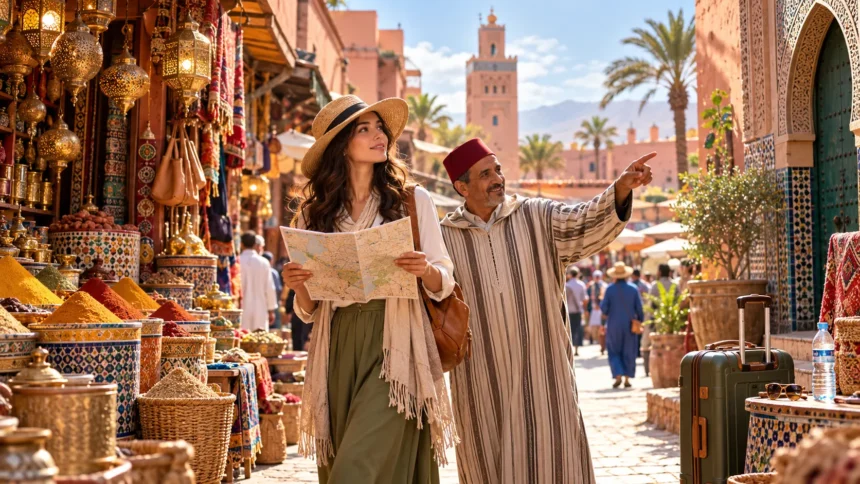
Traditional Moroccan souks are among the country’s most memorable attractions, featuring colorful textiles, handmade ceramics, leather goods, spices, and decorative crafts. Markets in Marrakech and Fes are particularly famous for their lively atmosphere and intricate network of streets. Exploring these spaces can be an enjoyable cultural experience. However, unfamiliar shopping practices may initially feel overwhelming.
Bargaining is common in many traditional markets, particularly when purchasing souvenirs and handicrafts without fixed prices. Approach negotiations politely and remember that vendors are conducting business. If you are not interested in an item, a respectful refusal is usually sufficient. Avoid feeling pressured into purchases or following unsolicited shopping invitations from unfamiliar individuals.
Before purchasing expensive goods, examine their quality and ask clear questions about materials and production methods. Some products marketed as handmade or traditional may differ in authenticity and craftsmanship. Comparing options across several shops can improve your understanding of available items. Shopping thoughtfully allows you to appreciate Moroccan markets while making purchases that suit your preferences.
8. Enjoy Traditional Moroccan Food and Dining Experiences
Moroccan cuisine is one of the highlights of visiting the country, offering aromatic spices, slow-cooked dishes, fresh bread, and regional specialties. Popular foods include tagine, couscous, harira soup, and various grilled dishes. Restaurants and family-run establishments often prepare meals using traditional cooking methods. Exploring local cuisine provides a delicious introduction to Moroccan cultural heritage.
Tagine refers to both a traditional cooking vessel and the dishes commonly prepared in it. Different versions may include vegetables, chicken, lamb, or other ingredients combined with aromatic seasonings. Couscous is another well-known dish, frequently associated with family meals and traditional gatherings. Regional variations mean travelers can discover different flavors while exploring different cities.
Food safety remains important when trying unfamiliar dishes and dining in busy markets. Choose establishments with good hygiene practices and meals that are prepared and served at appropriate temperatures. Drink water from reliable sources and take additional care when food storage conditions appear uncertain. Travelers with dietary restrictions should communicate their needs clearly before ordering.
9. Stay Safe While Exploring Moroccan Cities
Morocco attracts visitors from around the world, and many travelers enjoy their holidays without serious problems. Nevertheless, common tourism-related concerns include pickpocketing, misleading offers, and occasional disputes involving unofficial services. Crowded markets and transport areas require particular attention to personal belongings. Basic travel precautions can help reduce the likelihood of avoidable inconvenience.
Keep valuables secure and avoid displaying large amounts of money or expensive belongings unnecessarily. Be cautious when unfamiliar individuals offer unsolicited directions, guided services, or assistance involving payment. Choosing established guides and confirming prices beforehand can prevent misunderstandings. If you feel uncomfortable in a situation, move toward a public area or seek assistance from an appropriate authority.
For evening activities, prefer familiar routes and well-lit areas, especially when navigating historic neighborhoods with narrow streets. Avoid isolated shortcuts and keep important emergency information accessible. Road conditions and driving standards can also vary between regions. Reviewing current government travel advice before departure provides additional context for making informed safety decisions.
10. Pack Smart for Morocco’s Different Climates
Packing for Morocco requires considering the country’s diverse landscapes and seasonal weather conditions. A coastal vacation may involve mild sea breezes, while inland cities can experience intense afternoon heat. Mountain destinations often have cooler temperatures, particularly after sunset. Choosing versatile clothing allows you to remain comfortable without carrying unnecessary luggage throughout your journey.
Lightweight, breathable garments are useful during warmer months, while a jacket or sweater can provide comfort during cooler evenings. Comfortable walking shoes are particularly important for exploring medinas, archaeological sites, and historic streets. Sun protection, a reusable water bottle, and basic travel essentials are also worthwhile. Pack according to planned activities rather than assuming the entire country has identical conditions.
Travelers visiting desert regions should prepare for potentially significant temperature changes between day and night. Those exploring the Atlas Mountains may require additional warm layers and weather-appropriate footwear. Keep essential medications and important documents in accessible luggage. Thoughtful packing makes it easier to adapt to different environments while maintaining comfort during longer sightseeing days.
11. Choose the Right Accommodation and Travel Experiences
Morocco offers a wide variety of accommodation options, ranging from traditional riads to modern hotels, guesthouses, and coastal resorts. Riads are particularly associated with historic urban neighborhoods and often feature interior courtyards and distinctive architectural details. Staying in one can provide a memorable cultural experience. However, facilities, accessibility, and comfort standards vary between individual properties.
When comparing accommodation, consider location, transportation access, recent guest reviews, and available services. A riad deep inside a medina may offer beautiful surroundings but require walking through narrow streets with luggage. Modern hotels may provide easier vehicle access and additional facilities. Choosing the right option depends on your travel priorities and personal comfort requirements.
Organized excursions can also help visitors experience destinations beyond major cities, including desert landscapes, historic kasbahs, and mountain villages. Select reputable operators that explain transportation arrangements, accommodation standards, and activity requirements clearly. Verify what is included before confirming a reservation. Responsible tourism choices can support local communities while making your Moroccan adventure more enjoyable and well organized.
12. Avoid Common Mistakes When Visiting Morocco
One common travel mistake is creating an overly ambitious itinerary that includes too many destinations in a short period. Morocco’s cities, mountains, and desert regions can involve substantial travel distances. Constant transportation may leave little time for enjoying attractions. Focusing on fewer locations often creates a more satisfying experience and reduces unnecessary travel fatigue.
Another mistake is assuming that English will be understood everywhere or that every service accepts international payment cards. Arabic and Amazigh are official languages, while French is also widely used in many settings. Learning simple greetings and carrying local currency can be helpful. Offline translation and navigation tools provide additional convenience when exploring unfamiliar areas.
Finally, avoid treating Moroccan culture as identical across every region. Customs, cuisine, landscapes, and everyday routines vary considerably throughout the country. Respect local expectations, remain flexible when plans change, and allow time for meaningful interactions. The most memorable travel experiences often come from thoughtful exploration rather than rushing through a checklist of famous attractions.
Conclusion
Following practical Morocco travel tips can make your journey more comfortable, organized, and rewarding. From understanding local transportation and currency to respecting cultural traditions and choosing suitable travel dates, preparation plays an important role. Morocco offers an extraordinary mixture of ancient cities, beautiful landscapes, colorful markets, and distinctive cuisine. Learning the basics before departure helps you appreciate these experiences more fully.
A successful Morocco vacation also depends on planning a realistic itinerary and making thoughtful choices about accommodation, transportation, and excursions. Travelers should remain attentive to safety, prepare for regional climate differences, and respect local communities. Simple habits such as carrying small amounts of cash, wearing comfortable shoes, and confirming arrangements in advance can prevent unnecessary difficulties.
Ultimately, Morocco rewards visitors who approach the country with curiosity, patience, and respect. Whether you are wandering through Marrakech’s lively souks, exploring the historic medina of Fes, or enjoying the peaceful streets of Chefchaouen, every destination offers something special. With careful planning and an open mind, your Moroccan adventure can become a memorable journey filled with cultural discoveries and remarkable scenery.
Frequently Asked Questions (FAQs)
1. What should I know before traveling to Morocco?
Before visiting Morocco, check visa requirements, seasonal weather, transportation arrangements, and local customs. Carry suitable clothing, plan your travel budget, and learn basic cultural etiquette to make your journey more comfortable.
2. What is the best month to visit Morocco?
April, May, September, and October are often excellent months for exploring Morocco because temperatures are generally comfortable in many regions. However, the best season depends on your destinations and planned activities.
3. Is Morocco safe for first-time tourists?
Many first-time tourists visit Morocco successfully, but precautions are important. Protect valuables, choose reputable transportation and accommodation, avoid unsolicited paid services, and review current official travel advice before departure.
4. How many days are enough to explore Morocco?
Seven to ten days can provide time to explore several major destinations, such as Marrakech, Fes, and Chefchaouen. Travelers interested in the Sahara or Atlas Mountains may prefer a longer itinerary.
5. What should tourists avoid doing in Morocco?
Avoid photographing people without permission, entering restricted religious spaces, ignoring local customs, or accepting unclear service offers. Respectful behavior, agreed prices, and awareness of your surroundings contribute to a smoother travel experience.