


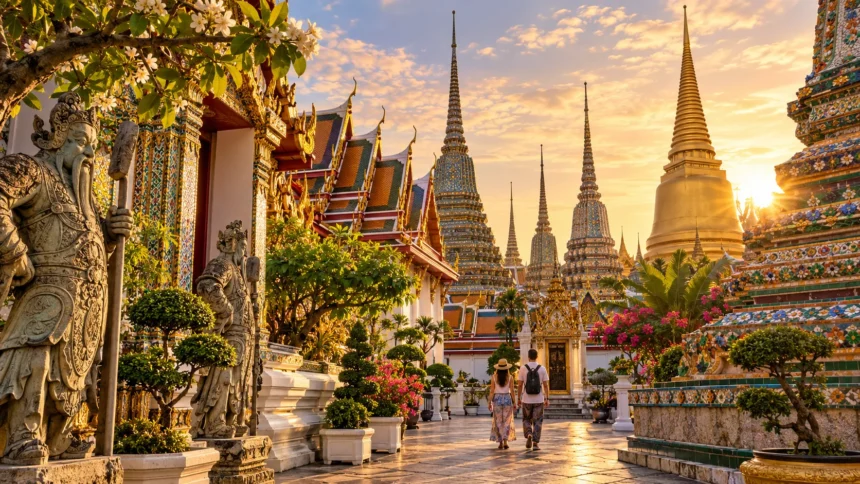
Wat Pho is one of Bangkok’s most remarkable cultural attractions, famous for its enormous Reclining Buddha, magnificent Buddhist architecture, and centuries of Thai history. Located near the Grand Palace in Thailand’s vibrant capital, this historic temple welcomes visitors interested in spirituality, traditional art, and architectural heritage. Exploring the best things to do at Wat Pho offers a memorable opportunity to experience an important part of Thailand’s cultural identity.
Officially known as Wat Phra Chetuphon Wimon Mangkhalaram, Wat Pho is among Bangkok’s oldest and largest temple complexes. Beyond its famous golden Buddha statue, visitors can discover colorful stupas, peaceful courtyards, traditional sculptures, and historic inscriptions. The temple is also closely associated with the preservation and teaching of traditional Thai medicine and massage.
This comprehensive Wat Pho travel guide covers the temple’s famous attractions, fascinating history, cultural experiences, and essential visitor information. You will discover what to see, how to get there, the best time to visit, and practical tips for respecting local traditions. Whether you are exploring Bangkok for the first time or returning to discover its cultural treasures, Wat Pho deserves a place on your itinerary.
1. Discover the Famous Reclining Buddha at Wat Pho
The Reclining Buddha is the most famous attraction at Wat Pho and one of the most recognizable religious monuments in Thailand. This extraordinary statue measures approximately 46 meters long and 15 meters high, making it an impressive sight inside its dedicated temple hall. Its enormous proportions and golden appearance create an unforgettable experience for visitors.
The statue represents the Buddha entering parinirvana, symbolizing the final liberation from the cycle of rebirth in Buddhist tradition. Visitors can admire its peaceful facial expression, carefully detailed design, and monumental scale. The statue’s placement within the hall allows travelers to appreciate different sections while exploring the surrounding interior.
Because the Reclining Buddha attracts considerable attention, the hall can become crowded during busy sightseeing periods. Visitors should move respectfully, avoid blocking pathways, and follow temple photography rules. Spending time observing the statue’s details rather than rushing through the building can make this iconic Bangkok experience more meaningful.
2. Admire the Beautiful Mother-of-Pearl Buddha Feet
One of the most fascinating features of the Reclining Buddha is the elaborate decoration covering the soles of its enormous feet. The intricate mother-of-pearl inlays display 108 auspicious symbols associated with Buddhist teachings and traditional beliefs. These detailed artistic elements demonstrate the extraordinary craftsmanship involved in creating the monument.
Visitors can observe decorative patterns representing important religious concepts and symbolic imagery. The contrasting materials create beautiful visual effects that are especially noticeable when viewed from suitable positions. Understanding the significance of the symbols adds cultural depth to the experience and highlights the importance of Buddhist art within Thai religious traditions.
The decorated feet are among the most photographed details at Wat Pho, but visitors should remain considerate of worshippers and other travelers. Photography should follow posted instructions, particularly in religious spaces. Taking time to appreciate the artistic techniques and symbolic meaning provides a richer experience than focusing exclusively on photographs.
3. Explore the Colorful Chedis and Temple Architecture
Wat Pho is famous for its remarkable collection of chedis, or Buddhist stupas, decorated with colorful ceramic patterns and traditional architectural details. These monuments create one of the temple’s most distinctive visual features. Walking through the complex reveals an impressive combination of elegant structures, religious symbolism, and carefully designed courtyards.
The Four Great Chedis are particularly important because they are associated with Thailand’s early Chakri dynasty kings. Their colorful exterior decorations feature intricate ceramic pieces arranged into beautiful patterns. Visitors can appreciate the contrast between the towering stupas, traditional roofs, and surrounding temple buildings.
Exploring these architectural landmarks is especially enjoyable for travelers interested in photography and Thai artistic traditions. Morning light can highlight the colorful surfaces and reveal detailed decorative features. Visitors should remain within permitted areas and avoid touching delicate architectural elements, helping preserve the temple’s important historical structures.
4. Visit the Main Ordination Hall of Wat Pho
The main ordination hall, known as the Phra Ubosot, is one of Wat Pho’s most important religious buildings. Its elegant architecture, decorative roof, and carefully designed interior reflect traditional Thai Buddhist temple construction. The hall serves as a sacred space for important religious ceremonies and monastic activities.
Inside, visitors can appreciate beautiful artistic details and a principal Buddha image surrounded by traditional religious decorations. The interior atmosphere is often quieter than the crowded Reclining Buddha hall, offering an opportunity to observe Buddhist art and architecture in a different setting. Decorative murals and religious objects contribute to the building’s cultural significance.
Because the ordination hall remains an active religious space, respectful behavior is essential. Visitors should follow dress requirements, remove footwear when instructed, and avoid disturbing ceremonies. Taking time to observe the surrounding architectural features can help travelers better understand the temple’s continuing spiritual importance.
5. Discover the Galleries of Buddha Images
Wat Pho contains impressive galleries displaying numerous Buddha images arranged within traditional temple corridors. These collections represent an important part of the complex’s artistic and religious heritage. Visitors can walk through the surrounding passageways while admiring the different poses, proportions, and design details found among the statues.
Many of the Buddha images were collected or restored during important periods of the temple’s development. Their presence reflects the role of Buddhist imagery in Thai religious life and artistic expression. The surrounding corridors also feature beautiful architectural elements that contribute to the peaceful atmosphere of the temple.
Exploring these galleries provides an opportunity to appreciate details that visitors sometimes overlook while focusing on the Reclining Buddha. Move slowly through the passageways and respect any restrictions around sacred objects. The combination of sculpture, architecture, and religious history makes these galleries an important part of a complete Wat Pho visit.
6. Learn About Traditional Thai Massage at Wat Pho
Wat Pho is internationally recognized for its association with traditional Thai massage and the preservation of historical medical knowledge. The temple developed into an important center for public education during the nineteenth century. Its traditions helped establish the foundation for formal instruction in Thai massage and related cultural practices.
The Wat Pho Thai Traditional Medical School was established in 1955 and continues to teach traditional techniques. Visitors can learn about the school’s historical importance and the role of massage in Thai cultural heritage. Educational displays and inscriptions throughout the temple also illustrate traditional approaches to understanding the human body.
Massage services may be available through the temple’s established school, subject to current operating arrangements. These services are separate from ordinary temple sightseeing and generally involve additional charges. Visitors with injuries or medical conditions should seek appropriate healthcare guidance before receiving bodywork rather than assuming traditional massage is suitable for every condition.
7. Explore the Ancient Stone Inscriptions of Wat Pho
One of Wat Pho’s most significant cultural features is its extensive collection of historic stone inscriptions. These records preserve knowledge covering subjects such as traditional medicine, Buddhist teachings, literature, and other areas of Thai intellectual history. Their presence illustrates the temple’s historical role as an educational institution.
During the reign of King Rama III, the temple underwent major restoration and became an important center for sharing knowledge with the public. Many inscriptions were installed to communicate traditional learning through written explanations and visual representations. The collection has received recognition through UNESCO’s Memory of the World program.
Visitors interested in Thai history may find these educational features especially rewarding. Although not every inscription is immediately understandable without additional explanation, guided interpretation can provide useful context. Discovering this aspect of Wat Pho reveals that the temple’s significance extends far beyond its famous monuments and decorative architecture.
8. Discover Traditional Thai Sculptures and Decorative Art
Wat Pho features a remarkable variety of traditional sculptures, decorative figures, and architectural ornaments throughout its courtyards and temple buildings. These artistic elements reflect different influences that shaped Thai culture over time. Visitors can admire stone statues, guardian figures, floral decorations, and intricate patterns across the complex.
Some decorative features display Chinese artistic influences that became incorporated into Thai temple architecture through historical cultural exchange. Stone guardian figures and ornamental structures create interesting visual contrasts with traditional Thai roofs and Buddhist monuments. These details demonstrate the creativity and craftsmanship associated with the temple’s development.
Exploring the courtyards carefully can reveal smaller sculptures and artistic features that are easy to miss during a short visit. Photography enthusiasts may enjoy examining textures, colors, and architectural arrangements from different viewpoints. Respecting barriers and avoiding contact with historic objects helps protect these valuable cultural treasures.
9. Enjoy the Peaceful Courtyards and Temple Gardens
Although Wat Pho is a popular tourist attraction, parts of the complex offer peaceful spaces where visitors can appreciate traditional architecture and quiet surroundings. The temple’s courtyards feature decorative structures, shaded areas, and carefully arranged religious monuments. Exploring these spaces provides a relaxing contrast to Bangkok’s busy streets.
Walking through the courtyards allows visitors to observe how different temple buildings connect within the larger complex. Decorative pathways, colorful stupas, and historic sculptures create beautiful scenes throughout the grounds. The arrangement of these spaces reflects traditional architectural planning and the importance of peaceful surroundings within Buddhist religious environments.
For a more comfortable experience, visit during less crowded hours when the courtyards may feel quieter. Take breaks in permitted areas and avoid entering spaces reserved for religious activities. A relaxed approach allows you to appreciate the temple’s atmosphere while respecting its function as an active place of worship.
10. Explore the Grand Palace Near Wat Pho
The Grand Palace is one of Bangkok’s most famous historical attractions and is located within walking distance of Wat Pho. This magnificent complex served as a royal residence and administrative center for generations. Its elaborate architecture, ornate buildings, and beautiful courtyards make it a popular destination for travelers interested in Thai history.
Visitors can admire the palace’s impressive structures and explore permitted areas featuring traditional Thai architectural designs. The complex also contains Wat Phra Kaew, home to the revered Emerald Buddha. These attractions provide important insights into Thailand’s royal heritage, religious traditions, and artistic achievements.
Combining the Grand Palace with Wat Pho creates a convenient cultural sightseeing itinerary because the two attractions are close together. However, each site has separate admission arrangements and visitor rules. Starting early and allowing adequate time for both locations helps prevent an unnecessarily rushed day of sightseeing.
11. Visit Wat Arun Across the Chao Phraya River
Wat Arun, commonly known as the Temple of Dawn, is another spectacular Bangkok landmark located across the Chao Phraya River from Wat Pho. Its towering central prang and distinctive decorative surfaces create one of the city’s most recognizable architectural silhouettes. The temple provides a fascinating contrast to Wat Pho’s extensive collection of buildings.
Visitors can admire Wat Arun’s intricate ceramic decorations and explore permitted areas around the temple complex. The riverside setting provides beautiful views, particularly during favorable daylight conditions. Its combination of religious importance and impressive architecture makes it an excellent addition to a Bangkok cultural itinerary.
Traveling between Wat Pho and Wat Arun is convenient through river ferry services operating near Tha Tien. Schedules and fares can change, so travelers should confirm current arrangements before boarding. Visiting both temples provides a memorable opportunity to appreciate the architectural diversity of Bangkok’s historic riverside attractions.
12. Explore Tha Tien and Bangkok’s Historic Riverside
Tha Tien is a historic riverside neighborhood located near Wat Pho, offering charming streets, traditional businesses, and attractive views of the Chao Phraya River. Its location makes it an enjoyable area for exploring before or after visiting the temple. Travelers can discover a different side of Bangkok beyond major religious landmarks.
The neighborhood contains local restaurants, cafés, and historic commercial buildings that reflect its longstanding connection with river transportation and trade. Visitors can walk through suitable streets, enjoy regional food, and observe everyday urban activity. The nearby river provides opportunities to appreciate Bangkok’s traditional relationship with waterways.
Tha Tien is particularly enjoyable for travelers interested in photography and relaxed neighborhood exploration. Consider spending time along the waterfront or discovering local food establishments after visiting Wat Pho. Respecting residential areas and checking menus before ordering can make your experience more comfortable and enjoyable.
13. Best Time to Visit Wat Pho in Bangkok
The best time to visit Wat Pho is generally during the early morning or later afternoon when temperatures may be more comfortable and crowds can be lighter. Bangkok has a tropical climate, so outdoor sightseeing can feel hot and humid throughout the year. Planning your visit around weather conditions can improve the overall experience.
November through February is often considered a pleasant period for exploring Bangkok because temperatures are typically less intense than during the hottest months. March through May can bring particularly warm conditions, while the rainy season generally extends from around May through October. However, rainfall and temperature patterns vary annually.
Wat Pho remains an appealing cultural attraction throughout the year, including during periods of unsettled weather. Visitors should carry drinking water, use suitable sun protection, and prepare for occasional rain. Choosing comfortable sightseeing hours is often more important than selecting one specific month for a temple-focused Bangkok itinerary.
14. Wat Pho Entrance Fees, Opening Hours, and Dress Code
Wat Pho generally welcomes visitors daily, with the temple’s published visitor information listing operating hours from 8:00 AM to 7:30 PM. The foreign visitor admission fee is listed as 300 Thai baht, while qualifying children below 120 centimeters may enter free. Opening arrangements and prices can change, so verify them before your visit.
The temple requires visitors to dress respectfully because it remains an active Buddhist religious site. Clothing should cover the shoulders and knees, and revealing outfits may be considered inappropriate. Visitors must also remove footwear before entering designated religious buildings and follow any additional instructions displayed around sacred spaces.
Good temple etiquette includes speaking quietly, avoiding inappropriate poses with Buddha images, and respecting worshippers and monks. Photography is permitted in many areas, but restrictions may apply in particular spaces or during ceremonies. Following these guidelines allows travelers to appreciate Wat Pho while respecting Thailand’s religious and cultural traditions.
15. How to Get to Wat Pho Using Public Transportation
Wat Pho is located in Bangkok’s historic Rattanakosin district near the Grand Palace and Chao Phraya River. Visitors can reach the temple through different transportation options, including MRT services, riverboats, taxis, and local transportation. Choosing the most convenient route depends on your starting location and accommodation.
Sanam Chai MRT Station on the Blue Line provides one of the easiest public transportation connections to Wat Pho. The temple is approximately a short walk from the station, making the MRT practical for visitors staying elsewhere in Bangkok. Riverboat services connecting to Tha Tien also provide convenient access to the surrounding neighborhood.
Bangkok traffic can become congested during busy periods, making rail and river transportation useful alternatives to road travel. Visitors using taxis should allow extra time for unexpected delays. Checking current transport routes and operating schedules before departure can help create a more comfortable journey to the temple.
16. How Much Time Do You Need to Explore Wat Pho?
Most visitors can explore Wat Pho’s main attractions in approximately one and a half to two hours. This provides time to admire the Reclining Buddha, visit important temple halls, and discover colorful stupas and courtyards. Travelers interested in architectural details or historical explanations may prefer a longer visit.
If you plan to learn about traditional Thai massage or explore the temple’s educational inscriptions, additional time may be useful. Guided experiences can also provide deeper insight into religious traditions and architectural history. A relaxed itinerary allows you to appreciate the complex without feeling pressured to move quickly between attractions.
Combining Wat Pho with nearby destinations such as the Grand Palace and Wat Arun can fill much of a sightseeing day. Consider the separate opening hours, ticket requirements, and travel connections between attractions. Allowing comfortable breaks is particularly important during warm weather when extended outdoor walking can become tiring.
17. Budget Travel Tips for Visiting Wat Pho
Wat Pho can be included in a reasonably priced Bangkok itinerary because its main attractions are concentrated within one historic complex. Paying the standard admission fee provides access to significant architectural and cultural landmarks. Visitors can appreciate numerous temple features without needing to purchase separate sightseeing activities within the grounds.
Public transportation can also help manage expenses, particularly when traveling from other parts of Bangkok. The MRT and appropriate riverboat services may provide affordable alternatives to private transfers. Combining nearby attractions within one route reduces unnecessary journeys and allows more time to enjoy the surrounding historic neighborhood.
For food and refreshments, explore suitable local eateries around Tha Tien rather than relying exclusively on tourist-oriented establishments. Check menus and displayed prices before ordering. Creating a simple daily budget for admission, transportation, meals, and nearby attractions makes it easier to explore Bangkok comfortably without unnecessary spending.
18. Essential Wat Pho Travel Tips for First-Time Visitors
Before visiting Wat Pho, check the temple’s current opening hours, ticket information, and dress requirements. Arriving during comfortable sightseeing hours may help you avoid some of the busiest periods. Wearing appropriate clothing from the beginning can also prevent inconvenience when entering sacred buildings.
Comfortable walking shoes are important because the complex contains numerous courtyards, corridors, and temple structures spread across a large area. Bring drinking water and prepare for Bangkok’s warm climate. Remember that footwear must be removed in certain religious buildings, so shoes that are easy to take off can provide additional convenience.
Finally, allow time to appreciate the temple’s cultural significance rather than treating it only as a photography destination. Observe religious customs, read available historical explanations, and explore beyond the famous Reclining Buddha hall. A respectful and relaxed approach can make your Wat Pho visit one of the most memorable experiences in Bangkok.
Conclusion
Wat Pho is one of Thailand’s most extraordinary cultural landmarks, offering a remarkable combination of Buddhist history, traditional architecture, and artistic craftsmanship. From the magnificent Reclining Buddha to the colorful chedis and historic inscriptions, the temple provides fascinating attractions. Its association with traditional Thai medicine and massage further contributes to its cultural importance.
Planning the best things to do at Wat Pho becomes easier when you allow enough time to explore the entire complex rather than focusing on one famous statue. Visitors can admire religious artwork, discover peaceful courtyards, and learn about centuries of Thai educational traditions. Nearby attractions such as the Grand Palace and Wat Arun also make the area particularly rewarding.
Whether you are visiting Bangkok for the first time or returning to explore its historic neighborhoods, Wat Pho deserves a prominent place on your itinerary. Appropriate clothing, thoughtful transportation planning, and respect for religious customs help create a comfortable experience. With its remarkable architecture and cultural heritage, Wat Pho offers an unforgettable introduction to Thailand’s fascinating history.
Frequently Asked Questions (FAQs)
What is Wat Pho famous for?
Wat Pho is famous for its enormous 46-meter Reclining Buddha, colorful Buddhist stupas, traditional architecture, and historical association with Thai massage. It is one of Bangkok’s most important cultural attractions.
How much is the entrance fee for Wat Pho?
The published admission fee for foreign visitors is 300 Thai baht, with free admission for qualifying children under 120 centimeters. Prices may change, so confirm current information before visiting.
What is the best time to visit Wat Pho?
Early morning or late afternoon is often best for comfortable sightseeing and potentially smaller crowds. November through February generally provides more pleasant weather than Bangkok’s hottest months.
How long does it take to explore Wat Pho?
Most visitors spend approximately one and a half to two hours exploring the main attractions. Additional time is useful for examining historic inscriptions, appreciating architectural details, or visiting nearby landmarks.
Can you visit Wat Pho and the Grand Palace on the same day?
Yes, Wat Pho and the Grand Palace are located within walking distance of each other. Both can be explored in one day when you allow sufficient time and follow their separate visitor requirements.