


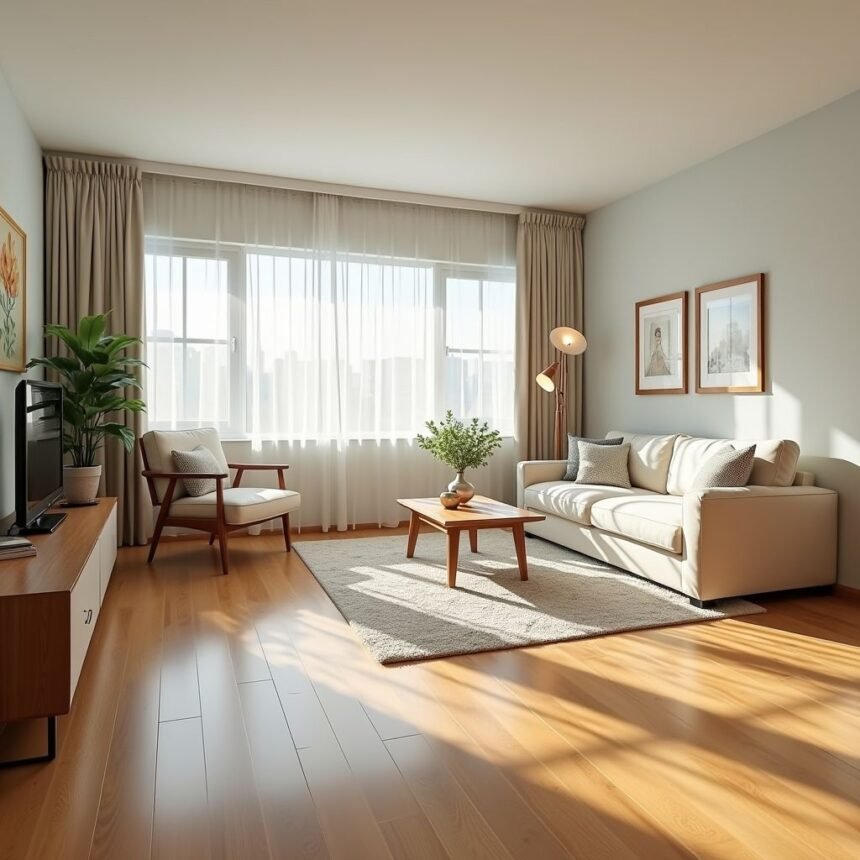
Understanding the Challenges of Small Spaces
Arranging furniture in small spaces presents a unique set of challenges that can significantly impact both functionality and aesthetics. A primary concern is the limited square footage available, which often forces individuals to make difficult decisions regarding the type and amount of furniture to include. Unlike larger areas, small spaces require a careful evaluation of proportions; oversized furniture can overwhelm a room, while very small pieces might seem lost or ineffective.
Awkward layouts also pose a significant challenge when one is tasked with furniture arrangement in confined quarters. In many cases, small spaces may come with irregular shapes, architectural features, or fixed items such as windows and doors that can impede a logical flow. This can complicate efforts to create a cohesive design, requiring strategic placement to ensure that each piece serves its intended purpose without interrupting traffic patterns.
To further exacerbate these issues, there is often a need for multi-functional furniture in small areas. As space restrictions dictate limitations on the amount of furniture that can fit, homeowners may look for options that serve multiple roles—for instance, a sofa that doubles as a bed or an ottoman that can also be used for storage. While these pieces can maximize usability, they must be chosen with care to ensure they do not compromise on style or comfort.
Each of these challenges influences not only how a room functions but also its aesthetic appeal. Successfully navigating limited square footage, awkward layouts, and the demand for versatility can lead to harmonious, stylish spaces. Understanding and addressing the common difficulties associated with small spaces ensures that functionality and design can coexist effectively.
Key Principles of Furniture Arrangement
Arranging furniture in small spaces requires consideration of several key principles that promote a harmonious and functional living environment. These principles include balance, scale, functionality, and flow, all of which contribute to effective space utilization.
Balance involves creating an aesthetic equilibrium within the room. This can be achieved by distributing visual weight evenly across the space. For instance, if a large sofa is placed on one side, it is beneficial to counterbalance it with a tall bookshelf or a statement piece on the opposite side. This does not mean an equal distribution of furniture, but rather a visual balance that makes the room feel stable and inviting.
Scale refers to the size of furniture in relation to the size of the room. In small areas, it is vital to choose furniture that suits the scale of the space. Oversized pieces can overwhelm a room, making it feel cramped, while appropriately scaled furniture enhances the room’s functionality and comfort. Opting for multi-functional furniture, such as ottomans that also provide storage or a compact dining table, can maximize space without sacrificing style.
Functionality is another crucial principle. Each piece of furniture should serve a purpose and contribute to the overall usability of the space. In small areas, it is essential to avoid clutter by carefully selecting items that meet both aesthetic and practical needs. Equipping the space with furniture that can adapt to various activities—like a desk that doubles as a dining table—will enhance the overall versatility of the area.
Finally, flow relates to the movement within the space. Arranging furniture to allow for easy circulation is essential in small settings. Ensuring paths between furniture pieces are unobstructed promotes a sense of openness and ease of movement, which is critical in small areas. By adhering to these key principles, one can effectively maximize space and enhance both aesthetic appeal and functionality within small living environments.
Choosing the Right Furniture for Small Spaces
When furnishing a small area, selecting the appropriate furniture is crucial to maximize both functionality and aesthetics. It is essential to choose pieces that are proportionate to the dimensions of the room, as oversized furniture can make the space feel cramped and uninviting. Opting for scaled-down furniture that complements the area not only enhances movement but also maintains an airy atmosphere.
One effective strategy is to prioritize multi-functional furniture. Items such as a sofa bed, ottoman with storage, or a dining table that doubles as a workspace can significantly enhance utility in small rooms. These versatile pieces allow for efficient use of space, enabling residents to accommodate various activities without overcrowding the area. For instance, a coffee table that features drawers or shelving can provide additional storage while serving its primary function.
Additionally, lightweight furniture is advantageous in small spaces, as it allows for easy rearrangement when needed. Pieces that can be effortlessly moved not only adapt to different layouts but also offer flexibility for social gatherings or other events that may require more open floor space. Furnishings with sleek and minimalist designs can contribute to an uncluttered look, further making a room feel expansive.
Finally, consider furniture with storage capabilities. Built-in shelves, benches with hidden compartments, or beds with drawers can aid in decluttering by providing designated areas for items that may otherwise occupy valuable floor space. Utilizing vertical storage options, such as wall-mounted shelving, can also promote an organized environment without sacrificing essential floor area.
Strategic Layout Planning
When arranging furniture in small areas, it is crucial to adopt strategic layout planning techniques to make the most of the available space. One effective strategy is to zone the area for specific activities. This involves subdividing the space into distinct sections, such as seating, work, and storage areas.
A well-defined seating zone can be created using compact sofas or chairs that face each other, fostering conversation while occupying minimal floor area. Similarly, designating a convenient work zone with a small desk and optimized shelving can help in maintaining productivity without overcrowding the area. Storage solutions should be integrated into these zones, utilizing vertical space with shelves or multifunctional furniture, such as ottomans that double as storage bins.
Another fundamental principle of effective furniture arrangement is the importance of keeping pathways clear. Ensuring that traffic flow is unhindered not only enhances the functionality of the space but also contributes to a feeling of openness. Furniture should be positioned to facilitate movement, with adequate space between pieces, allowing occupants to navigate comfortably. Ideally, consider at least 24 inches of walkway space in high-traffic areas. This practice also reduces the risk of accidents, as it prevents clutter from accumulating.
Furthermore, creating visual boundaries through rugs or different flooring types can assist in delineating spaces, reinforcing the zoning concept. The choice of colors and textures can also influence the perception of space; lighter palettes tend to create an illusion of spaciousness. Overall, strategic layout planning is essential in maximizing the usability of small areas, ultimately transforming them into harmonious and efficient environments.
Utilizing Vertical Space
In small living areas, effectively utilizing vertical space is essential to maximize functionality and create an illusion of expansiveness. Vertical space refers to the area above eye level, which is often neglected in tight interiors. By focusing on this dimension, homeowners can enhance the aesthetic and utility of their space significantly.
One effective solution is the incorporation of shelves. Wall-mounted shelves are an excellent option for displaying books, decorative items, or plants without hogging valuable floor space. These shelves can be arranged in various configurations to allow for personal style and practicality. Placing shelves at different heights ensures that items are displayed attractively while also leading the eye upward, creating the perception of a larger room.
Another method to capitalize on vertical space involves using tall furniture pieces. Bookcases or cabinets that extend from the floor to the ceiling not only provide ample storage but also draw the gaze upward. This design strategy can make the room feel larger and more open. Additionally, opting for furniture with a lightweight appearance, such as narrow console tables or tall dressers, can give an airy feel to small areas.
Incorporating hanging storage solutions, such as hooks or pegboards, further enhances vertical space utilization. These options keep essentials organized and accessible while maintaining floor space for movement. Even open wall space can become functional by hanging tools, kitchen utensils, or art, creating both a practical and visually pleasing layout.
Ultimately, making thoughtful use of vertical space allows individuals to enhance their living areas’ efficiency and ambiance while maintaining a sense of order and style.
Incorporating Color and Light
The choice of color schemes and lighting plays a significant role in the perception of space within small areas. Light colors, such as soft whites, pale blues, and gentle pastels, can make a room feel more open and airy. These hues reflect natural light, enhancing the overall brightness of the area while creating an inviting atmosphere. In contrast, dark colors tend to absorb light, which can make small spaces feel even more confined. Therefore, selecting a light color palette is essential for maximizing the sense of spaciousness.
To further enhance the illusion of space, consider incorporating mirrors into your decor. Mirrors can visually expand a room by reflecting light and creating depth. Placing a large mirror on a wall opposite a window can effectively amplify the natural light, making the area seem larger and more dynamic. Additionally, mirrored furniture or decor items can subtly enhance this effect, providing elegance without cluttering the space.
Strategic lighting also plays a crucial role in creating a more open feel. Utilize a mix of ambient, task, and accent lighting to ensure an even distribution of light throughout the room. Floor and table lamps can add warmth without taking up valuable surface space, while wall sconces can illuminate areas without the need for bulky overhead fixtures. By layering light sources, you can eliminate dark corners that often make spaces feel cramped.
Incorporating color and light effectively transforms small areas into inviting environments. By selecting lighter color schemes, using mirrors wisely, and implementing layered lighting techniques, one can create an illusion of an open, airy space that is both functional and aesthetically pleasing. The correct approach ensures that small rooms are not perceived as limiting, but rather as stylish and spacious retreats.
Flexible and Modular Furniture Solutions
In the quest to maximize space within smaller living environments, flexible and modular furniture solutions have surfaced as ingenious additions. These innovative pieces are crafted to adapt seamlessly to a variety of needs and configurations, allowing users to optimize every square foot of their space. The core principle behind flexible furniture is its multifunctionality; items can easily transition from one use to another, providing versatility that is especially critical in compact settings.
Modular designs, for instance, can be arranged in various formations to accommodate different functions. A modular sofa can serve as a traditional seating arrangement during gatherings, and when reconfigured, it can create separate lounging or workspace areas. This adaptability is particularly advantageous for those living in small apartments or homes, where every element must perform multiple duties.
Additionally, flexible furniture comes in different styles, materials, and sizes, enabling homeowners to select pieces that fit both their aesthetic and functional needs. For example, stackable chairs and expandable tables can be conveniently stored when not in use, minimizing clutter and freeing up valuable floor space. Furthermore, ottomans that double as storage units can help keep belongings organized while also providing extra seating.
By incorporating these flexible and modular furniture solutions, individuals can transform small areas into efficient, stylish spaces that meet their evolving requirements. Whether it’s reconfiguring a living room setup to host friends or rearranging a workspace to enhance productivity, these pieces exemplify how thoughtful design can elevate the functionality and enjoyment of any compact area.
Creative Storage Solutions
In small living spaces, the challenge of maximizing storage while maintaining an aesthetically pleasing environment is paramount. Creative storage solutions can significantly enhance organization, offering practical benefits without compromising style. One effective method is utilizing under-bed storage. By taking advantage of the space beneath the bed, homeowners can incorporate boxes or specialized containers fitted for this purpose, thereby efficiently using what is often overlooked. This strategy allows for the storage of seasonal clothing, shoes, and other items that are not frequently accessed, thus decluttering the living area.
Additionally, ottomans with hidden compartments serve a dual purpose. These versatile pieces of furniture not only provide seating but also function as discrete storage options. Ideal for small living rooms, they can hold various items such as blankets, books, or games, ensuring that these essentials are readily available yet neatly tucked away. This combination of utility and design exemplifies how furniture can adapt to space limitations while enhancing decor.
Another innovative approach involves the use of built-in furniture. Custom-made solutions such as shelving units, benches, or even desks that blend seamlessly into the walls can significantly reduce clutter by providing designated spaces for items. Built-in furniture can further optimize corners, underutilized spaces, and even awkward nooks within a room, transforming them into functional areas. Such furniture not only maximizes available space but also offers a streamlined appearance, facilitating an organized, stylish environment.
Through careful consideration and strategic implementation of these creative storage solutions, individuals can enhance the functionality of small areas without sacrificing style. The integration of under-bed storage, multifunctional ottomans, and built-in furnishings provides a pathway to achieving a more organized and visually appealing living space.
Real-Life Examples and Inspiration
Transforming small spaces into functional and aesthetically pleasing areas requires creativity and strategic planning. Several real-life examples demonstrate how effective furniture arrangement can lead to remarkable transformations in small regions. For instance, consider a studio apartment where the challenges of space were addressed through innovative design solutions. In this case, a standard sofa was replaced with a modern daybed to maximize flexibility. This choice not only conserved space but also provided an additional sleeping area for guests.
Before the transformation, the living area felt cramped and uninspired. However, by integrating multifunctional furniture, such as an ottoman that doubles as storage, the homeowners were able to declutter without compromising style. The use of light colors on walls made the space appear larger, while strategically placed mirrors helped in creating the illusion of depth.
Another fascinating example can be seen in a small home office that was converted from a corner of the living room. Initially, this space was a cluttered workstation that lacked organization. After a thoughtful redesign, it now features a sleek, minimalist desk that seamlessly blends into the living space. A vertical shelving unit not only provides additional storage but also acts as a partition, defining the office area without closing it off completely.
Designers often inspire these changes with quotes that emphasize the potential of small spaces. As interior designer Emily Henderson remarked, “It’s not about how much square footage you have; it’s about how you use it.” This perspective invites homeowners to view their space through a lens of possibilities rather than limitations. These transformations illustrate that with the right approach to furniture arrangement, even the smallest areas can be optimized for function and style.