


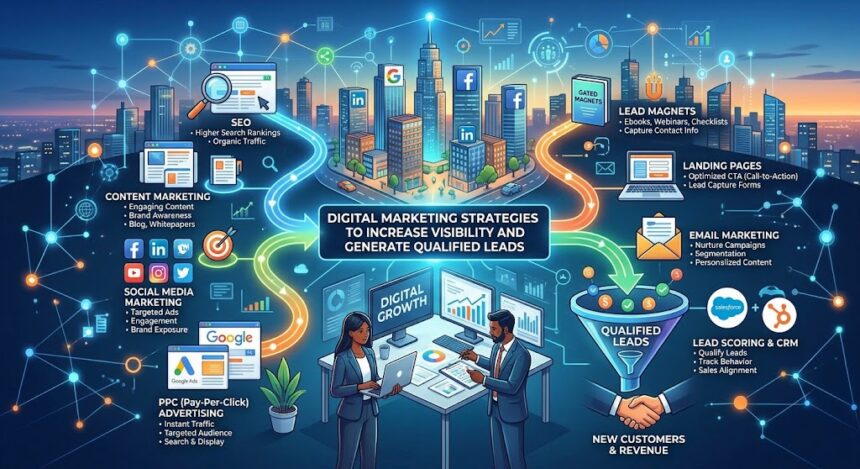
In today’s competitive digital landscape, businesses need more than a website and occasional social media updates to attract customers and increase revenue. Working with a reliable digital marketing agency boise businesses can trust helps create a focused online strategy that connects brands with their target audiences. Bear Fox is an example of a marketing partner offering expertise in web development, SEO, Google Ads management, strategy planning, and performance analytics. By combining these services with data-driven marketing solutions, businesses can improve online visibility, generate qualified leads, and achieve measurable growth.
Why Digital Marketing Matters for Modern Businesses
Consumers increasingly rely on search engines, websites, and digital platforms to discover products and services. If a business lacks a strong online presence, potential customers may choose competitors that are easier to find and evaluate. Digital marketing helps businesses reach the right audience at the right time while building credibility and encouraging meaningful customer engagement.
A well-planned digital marketing campaign also allows companies to understand customer behavior, identify effective promotional channels, and make informed decisions about their budgets. Instead of relying on guesswork, businesses can use measurable data to improve their marketing efforts over time.
Search Engine Optimization for Long-Term Visibility
Search engine optimization is an essential part of a sustainable digital marketing strategy. SEO helps websites appear in relevant search results when potential customers look for specific products, services, or solutions. Strong optimization involves technical improvements, useful content, relevant keywords, and a website structure that makes information easy for visitors and search engines to understand.
Businesses investing in seo marketing boise can focus on reaching local customers who are actively searching for their offerings. Local SEO strategies may include optimizing location-specific landing pages, maintaining accurate business information, improving website performance, and earning relevant backlinks.
Effective SEO requires consistent effort rather than a one-time adjustment. Monitoring keyword rankings, organic traffic, engagement, and conversions helps marketers identify opportunities and refine their strategies as search behavior changes.
Web Development That Supports Marketing Goals
A business website is often the first meaningful interaction a potential customer has with a brand. An attractive design is important, but a successful website must also load quickly, work smoothly on mobile devices, communicate value clearly, and make it easy for visitors to take action.
Professional web development supports these objectives by creating a reliable foundation for digital campaigns. Clear navigation, well-organized service pages, accessible content, and strategically placed calls to action can help turn website visitors into leads.
A website should also support tracking and analytics tools so businesses can understand how people interact with their pages. When development and marketing work together, companies can improve both the customer experience and the effectiveness of their advertising investments.
Google Ads Management for Targeted Traffic
While SEO can build visibility over time, paid search advertising offers another way to reach potential customers. Google Ads allows businesses to target relevant searches, define geographic areas, manage advertising budgets, and direct users to specific landing pages.
Successful campaign management involves more than choosing keywords and launching advertisements. Marketers need to develop compelling ad copy, organize campaigns around relevant services, evaluate search terms, and regularly adjust bids and targeting based on performance.
Tracking conversions is particularly important because clicks alone do not guarantee business results. By measuring phone calls, form submissions, purchases, and other valuable actions, businesses can better understand which campaigns generate qualified leads and where their advertising budgets are most effective.
Strategy Planning and Performance Analytics
Digital marketing works best when every activity supports a clear business objective. Strategy planning helps companies define their target audiences, identify their competitive advantages, establish realistic goals, and select the channels most likely to deliver results.
Performance analytics then provide the information needed to evaluate progress. Rather than focusing exclusively on impressions or website visits, businesses should examine metrics connected to their actual objectives.
Important performance indicators include:
- Organic search traffic: Measures visits generated through unpaid search results.
- Conversion rate: Shows the percentage of visitors who complete a desired action.
- Cost per lead: Helps evaluate how efficiently campaigns generate potential customers.
- Return on advertising spend: Compares advertising revenue with advertising costs.
- Customer acquisition cost: Estimates the cost of gaining a new customer.
- Engagement metrics: Reveal how visitors interact with website content and landing pages.
Reviewing these indicators regularly helps businesses recognize successful campaigns, address weaknesses, and allocate resources more effectively.
Integrating Digital Marketing Services for Better Results
Individual marketing services can deliver value, but combining them often creates a more effective and consistent strategy. SEO attracts people searching for relevant information, paid advertising reaches targeted audiences quickly, and a well-developed website helps convert that traffic into business opportunities.
For example, a local service provider could use SEO to improve its visibility in organic search results while running Google Ads for high-intent keywords. A dedicated landing page could explain the company’s services and encourage visitors to request a quote. Analytics would then reveal which traffic sources and campaigns generate the most valuable inquiries.
This integrated approach allows businesses to make decisions based on actual performance rather than treating each marketing channel as a separate activity.
Choosing the Right Digital Marketing Partner
Selecting a digital marketing partner requires evaluating more than a list of services. Businesses should look for a team that understands their goals, communicates clearly, provides transparent reporting, and develops strategies around measurable outcomes.
Before making a decision, consider whether the agency can:
- Explain its approach to SEO, paid advertising, and website optimization.
- Establish realistic goals based on the business’s market and budget.
- Track leads and conversions rather than reporting only traffic.
- Adapt campaigns using performance data and changing customer needs.
- Provide regular updates that connect marketing activities to business results.
A strong partnership should also prioritize sustainable growth, clear expectations, and continuous improvement.
Conclusion
Digital marketing services help businesses strengthen their online presence, connect with relevant audiences, and turn digital interactions into meaningful opportunities. From web development and SEO to Google Ads management, strategic planning, and performance analytics, each service contributes to a more effective marketing ecosystem.
By combining these disciplines with data-driven decision-making, businesses can improve visibility, attract qualified leads, and measure progress toward their goals. Investing in a coordinated digital marketing strategy provides a practical foundation for building customer relationships and supporting long-term business growth.