

Introduction to Sustainable Housing
Sustainable housing refers to residential construction practices that prioritize environmental health, resource efficiency, and the incorporation of renewable energy. In the context of modern architecture and design, sustainable housing aims to create living spaces that not only serve the basic needs of their occupants but also minimize environmental impact. This concept encompasses various methodologies, materials, and technologies designed with sustainability in mind.
The importance of sustainable housing cannot be overstated, particularly in an era marked by rapid urbanization and climate change. Traditional housing methods often rely heavily on non-renewable resources, leading to significant ecological degradation. Materials such as steel and concrete are integral to conventional construction but have high carbon footprints due to their production processes. As the global population continues to grow, the demand for housing intensifies, resulting in practices that exacerbate environmental issues.
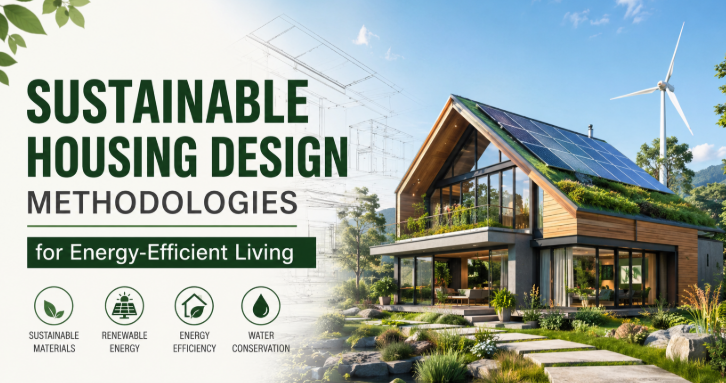
In contrast, sustainable housing employs eco-friendly materials such as reclaimed wood, bamboo, and recycled steel, which significantly reduce the carbon footprint of a home while promoting the use of renewable resources. Additionally, the integration of energy-efficient technologies, such as solar panels and thermal insulation, further enhances the sustainability quotient of residential buildings.
Moreover, sustainable housing design methodologies take into account the energy consumption patterns of a building throughout its life cycle, leading to construction practices that aim to create homes that are self-sufficient, require minimal energy input, and utilize renewable energy sources. These methodologies are crucial not only for reducing waste and protecting natural resources but also for fostering healthier living environments. Houses designed with sustainability principles in mind often provide better indoor air quality, improved occupant comfort, and lower utility costs, making them an attractive alternative to traditional housing options.
Principles of Sustainable Design
The principles of sustainable design are crucial in shaping energy-efficient housing that minimizes environmental impact while providing comfortable living spaces. At the core of sustainable housing design is energy efficiency, which aims to reduce energy consumption and optimize energy usage. Employing highly efficient heating, cooling, and lighting systems is essential. These systems not only lower utility costs for residents but also contribute to reducing greenhouse gas emissions.
Another fundamental principle is the utilization of renewable resources. Incorporating solar panels, wind turbines, and geothermal energy systems allows homes to harness natural energy sources, thereby decreasing dependency on non-renewable resources. By integrating these renewable technologies into the design, sustainable housing can generate its electricity and promote energy self-sufficiency.
Waste reduction is also a crucial consideration in sustainable design methodologies. Sustainable housing should be constructed using materials that are either recycled or sustainably sourced, minimizing the energy expended in material production and reducing landfill waste. Prioritizing efficient waste management practices during construction and throughout the life of the building furthers this principle, ensuring that buildings operate with minimal waste generation.
Finally, creating spaces that harmonize with nature is vital. This can be achieved through thoughtful site selection, landscape design, and the incorporation of natural elements into living spaces. By designing homes that blend seamlessly into their environment, designers can enhance biodiversity and encourage sustainable ecosystems.
In summary, the principles of sustainable design encompass energy efficiency, the use of renewable resources, waste reduction, and harmonization with nature. Implementing these principles is essential for creating energy-efficient and environmentally-conscious living spaces that meet the needs of present and future generations.
Passive Design Techniques
Passive design techniques are pivotal in achieving energy-efficient living, allowing for the optimization of natural resources without reliance on mechanical systems. By integrating various strategies, these methodologies enhance the comfort of occupants while minimizing energy consumption, significantly contributing to sustainable housing design.
One cornerstone of passive design is building orientation. By carefully positioning a structure in relation to the sun’s path, natural light and heat can be harnessed to warm living spaces during colder months while minimizing overheating in warmer seasons. This strategic orientation not only enhances thermal comfort but also reduces the need for artificial heating and cooling, thereby lowering energy costs.
Thermal mass plays a vital role in regulating indoor temperatures. Materials such as concrete, brick, and stone can absorb heat during the day and release it slowly at night. This dynamic creates a more stable indoor environment, effectively reducing the reliance on HVAC systems for temperature control. The incorporation of thermal mass takes into account local climate conditions, ensuring that the design is tailored to the specific environment.
Natural ventilation is another key aspect of passive design that utilizes air movement to cool and refresh indoor spaces. By strategically placing windows, doors, and vents, architects can facilitate cross-ventilation, allowing cooler air to enter while expelling warmer air. This natural airflow not only enhances comfort but also minimizes the need for powered ventilation systems.
Daylighting, the practice of maximizing natural light, is essential in achieving energy-efficient living. Thoughtful placement of windows, skylights, and overhangs can significantly reduce reliance on artificial lighting during daytime hours. This not only conserves energy but also contributes to the overall well-being of occupants by providing access to ample natural light.
Active Energy Systems in Housing
Active energy systems are integral to the development of sustainable housing and play a crucial role in enhancing energy efficiency. These systems encompass various technologies, such as solar panels, wind turbines, and geothermal heating, all of which contribute significantly to minimizing the carbon footprint of residential spaces. By harnessing renewable energy sources, these systems help reduce reliance on traditional fossil fuels, thereby promoting cleaner living environments.
Solar panels, commonly installed on rooftops, convert sunlight into electricity, providing a renewable source of energy for household use. This technology not only lowers energy bills but also allows homeowners to generate energy for their own consumption, leading to increased energy independence. Moreover, advancements in solar panel efficiency have made it possible for these systems to generate more power per square meter, making them a viable option even in urban settings with limited space.
Wind turbines are another active energy system utilized in sustainable housing, particularly in areas with consistent wind patterns. These turbines convert kinetic energy from wind into usable electricity, further diversifying the renewable energy options available to homeowners. By incorporating wind energy systems alongside solar panels, houses can achieve higher energy resilience and consistent energy supply.
Geothermal heating represents a different approach within active energy systems. This technology utilizes the earth’s stable temperatures to heat or cool homes, resulting in significant energy savings. Ground-source heat pumps extract heat from the ground during winter and dissipate heat back into the earth during summer, ensuring a steady indoor climate while reducing energy consumption.
In summary, the integration of these active energy systems in sustainable housing is vital for achieving energy-efficient living. By embracing solar, wind, and geothermal technologies, homeowners can significantly lower their energy consumption and contribute to environmental sustainability, fostering a future where energy-efficient living is accessible to all.
Materials and Construction Practices
Sustainable housing design emphasizes the importance of selecting appropriate materials and employing construction practices that underscore environmental mindfulness. The choice of materials plays a significant role in reducing the ecological footprint of buildings. Eco-friendly materials encompass a variety of options such as bamboo, reclaimed wood, recycled metals, and natural insulation products. These materials not only minimize waste but also lower the carbon emissions typically associated with production and transportation.
In addition to the intrinsic properties of the materials used, responsible sourcing is crucial. This entails selecting local products where possible to reduce transportation-related energy consumption. Moreover, sourcing materials from suppliers who prioritize sustainable practices ensures that the materials have been obtained with minimal harm to the environment.
Waste management during construction and throughout the lifespan of the building is another critical facet of sustainable housing. Adopting waste-reduction strategies such as recycling construction debris, utilizing prefabricated components, and implementing a zero-waste policy can significantly lessen the waste generated on site. Furthermore, it promotes a circular economy that favors the continual use of resources.
Construction practices should also include techniques like energy-efficient framing, passive solar design, and roof gardens that enhance the building’s performance. These methods are vital for creating energy-efficient living spaces that utilize the natural environment to their advantage, thereby reducing reliance on artificial heating and cooling systems.
Ultimately, the combination of eco-friendly materials and responsible construction practices is essential for developing homes that are not only efficient but also supportive of sustainable living goals. This dual focus can lead to housing solutions that are beneficial for both occupants and the environment.
Regenerative Design and Its Benefits
Regenerative design represents a paradigm shift in the approach to architecture and urban planning, emphasizing a proactive stance towards environmental restoration and enhancement. Unlike traditional design methodologies that focus primarily on minimizing ecological harm, regenerative design seeks to create systems that not only reduce negative impacts but actively contribute to the renewal of natural resources and ecosystems.
This innovative approach is rooted in principles that acknowledge the interconnectedness of human communities and the natural environment. By implementing regenerative design, architects and planners aim to create spaces that support biodiversity, enhance ecosystem functions, and promote overall well-being for both inhabitants and surrounding ecosystems. For instance, buildings designed with regenerative principles can include green roofs, rain gardens, and habitat corridors that facilitate wildlife movement, thereby improving urban biodiversity.
One of the significant benefits of regenerative design is its capacity to foster resilient communities. By integrating sustainable practices, such as the use of locally sourced materials, renewable energy systems, and efficient water management, these designs can reduce resource dependency and mitigate the impacts of climate change. Furthermore, regenerative designs often encourage community engagement and participation throughout the design process, nurturing a sense of ownership among residents and fostering social interconnectedness.
Additionally, regenerative design promotes economic viability by creating spaces that are adaptable and efficient in resource use. This can lead to reduced long-term operational costs and enhance property values. In conclusion, regenerative design offers a holistic framework that not only aims to lessen environmental impacts but also enhances the quality of life for individuals and communities. By adopting this methodology, we can move toward a more sustainable future that thrives on the principles of resilience, regeneration, and ecological harmony.
Case Studies of Successful Sustainable Housing Projects
In recent years, various innovative sustainable housing projects have emerged globally, showcasing effective methodologies to enhance energy efficiency and promote environmental sustainability. These case studies illustrate not only successful design approaches but also their positive impacts on the communities involved.
One notable example is the «Hakkaido House» in Japan, which integrates traditional building techniques with modern energy-efficient technologies. The house employs a solar panel system combined with passive solar design principles, optimizing sunlight capture to reduce reliance on conventional energy sources. Through these methodologies, the Hakkaido House has achieved a remarkable 60% reduction in energy consumption compared to typical residences.
Another significant case study is the «EcoHouse» project in the United Kingdom. This initiative focuses on utilizing recycled materials and enhancing thermal insulation to decrease energy demand. By implementing a green roof and utilizing rainwater harvesting systems, EcoHouse has successfully minimized its ecological footprint while providing a sustainable living environment. Its commitment to eco-friendly practices has positioned it as a benchmark for future housing developments.
Moving to Australia, the «Green Square» housing development exemplifies a community-focused sustainable approach. This project employs low-energy housing designs that incorporate natural ventilation and high-performance insulation. Additionally, it actively engages residents in sustainability practices, promoting energy efficiency awareness. The project has seen a considerable uptake in renewables among homeowners and has contributed significantly to the reduction of greenhouse gas emissions in the area.
Finally, the «Solar Settlement» in Germany features an entire neighborhood built with energy self-sufficiency in mind. Each home is equipped with solar technology and energy-efficient appliances, achieving the ambitious goal of net-zero energy consumption. This pioneering initiative not only illustrates how sustainable housing methodologies can be effectively implemented but also serves as an inspiration for future eco-friendly developments globally.
Challenges in Implementing Sustainable Housing Design
Implementing sustainable housing design methodologies presents several challenges that must be addressed to promote energy-efficient living. Economic barriers often top the list of obstacles faced by developers and homeowners. The initial costs associated with sustainable materials and technologies can be significantly higher than traditional options, making it difficult for developers to justify these investments without guaranteed financial incentives or long-term savings. Additionally, a lack of financial support from government initiatives or local authorities can further deter sustainable housing projects.
Another challenge lies in social perceptions and acceptance of sustainable housing. Many individuals and communities remain unaware of the tangible benefits that come with energy-efficient living. Misconceptions regarding the aesthetics, durability, or cost-effectiveness of sustainable housing can hinder community buy-in, which is crucial for the successful implementation of such projects. To combat these perceptions, educational programs and outreach efforts are essential in raising awareness and demonstrating the long-term advantages associated with sustainable living.
Infrastructural barriers also play a significant role in the implementation of sustainable housing design. Many urban areas may lack the necessary infrastructure to support energy-efficient systems, such as renewable energy sources or effective waste management systems. Consequently, builders may face difficulties in integrating these sustainable design elements into existing developments. To overcome these challenges, collaboration between governments, developers, and communities is needed to create a supportive framework for sustainable housing.
Potential solutions may include policy reforms that offer tax incentives for sustainable developments, investment in renewable energy infrastructures, and educational campaigns to clarify the benefits of energy-efficient living. By addressing these challenges, stakeholders can move towards a more sustainable future that prioritizes both environmental preservation and quality of life.
The Future of Sustainable Housing Design
The future of sustainable housing design is poised to transform the way individuals live, work, and interact with their environment. As the call for energy-efficient and environmentally friendly living grows louder, the architecture and building sectors are adopting innovative methodologies. Key trends in sustainable housing include the increasing use of renewable energy sources, advanced construction materials, and bioclimatic architecture that effectively utilizes natural resources.
One significant trend in the realm of sustainable housing is the integration of smart technologies. Intelligent home systems allow for real-time monitoring and management of energy consumption. By employing smart meters, home automation, and energy-efficient appliances, residents can reduce their carbon footprint while enjoying enhanced comfort. Moreover, innovative building designs are embracing off-grid capabilities, enabling homes to generate and store their own energy, further promoting energy independence.
Another emerging concept is the adaptation of modular and prefabricated construction techniques. Such methodologies enable efficient resource utilization and minimize waste during construction. These methods not only reduce construction times but also allow for greater customization tailored to energy-efficient living. This adaptability contributes significantly to creating housing that is both environmentally sustainable and cost-effective.
Furthermore, the rising importance of vertical gardens and green roofs cannot be overlooked. Urban environments face challenges related to air quality and heat islands, making these eco-friendly installations vital. They not only improve air quality but also provide insulation and reduce the demand for heating and cooling, thereby minimizing energy consumption.
As society progresses towards a more sustainable future, the evolution of housing design will continue to reflect a commitment to energy-efficient living. By embracing technological innovations and sustainable practices, the housing industry can set a new standard, ultimately leading to a healthier planet and improved quality of life for all its inhabitants.