


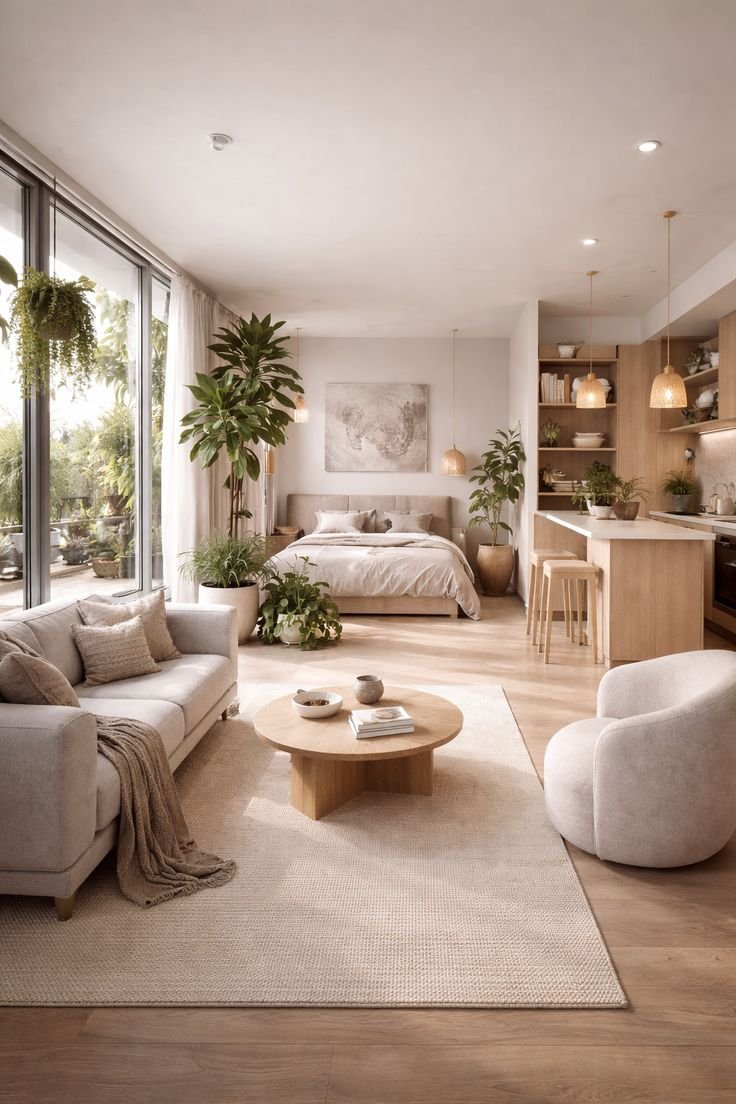
Introduction to Furniture Trends
Furniture trends play a pivotal role in shaping the aesthetics and functionality of our living spaces. These trends are influenced by an interplay of various factors, including cultural shifts, economic conditions, and advancements in technology. In essence, furniture trends reflect the tastes and preferences of society at any given time, evolving in response to the needs and desires of consumers.
Historically, furniture design has undergone significant transformations. What was once considered a symbol of luxury and status—intricate craftsmanship and elaborate designs—has transitioned into a realm where simplicity and sustainability often take precedence. This shift is largely driven by an increasing awareness of environmental issues and a desire for minimalism in home decor. As a result, contemporary furniture trends frequently emphasize functionality, versatility, and eco-friendly materials.
Moreover, technology has significantly impacted furniture design and production. Innovations such as 3D printing and smart furniture have introduced new possibilities, enhancing customization and convenience. For instance, the rise of remote work has led to the demand for multifunctional office furniture that can seamlessly blend into home environments. This adaptability reflects the ongoing evolution of how individuals use their spaces in response to modern lifestyles.
Understanding furniture trends provides valuable insights into current design directions and consumer behavior. It is imperative for those involved in interior design and home decor to stay informed about these trends to create harmonious and attractive living spaces. As we delve deeper into this exploration of the latest furniture trends, we will uncover various styles, colors, and materials that are defining the homes of today and shaping the homes of tomorrow.
Sustainable and Eco-Friendly Materials
In recent years, there has been a significant shift towards sustainable and eco-friendly materials in the furniture industry. This movement is driven by a growing awareness of environmental concerns and the desire for healthier living spaces. Key among these materials are reclaimed wood and biodegradable fabrics, which not only contribute to an aesthetic appeal but also enhance the environmental sustainability of the home.
Reclaimed wood, sourced from old buildings, fences, and furniture, has gained popularity for its unique character and durability. Each piece possesses a distinct history, offering rich textures and colors that can enhance the design of any room. Furthermore, using reclaimed wood reduces the demand for freshly cut timber, thus minimizing deforestation and preserving natural habitats. As homeowners become more ecologically conscious, incorporating this type of material offers a stylish solution that aligns with sustainable living principles.
Biodegradable fabrics are another essential aspect of eco-friendly furniture materials. These fabrics, often made from organic fibers such as cotton, linen, and jute, break down naturally after disposal, reducing waste in landfills. Unlike conventional materials that may contribute to long-term environmental harm, biodegradable textiles allow for responsible consumption and disposal. They can be used in upholstery and accessories, providing both comfort and sustainability to living spaces.
The surge in the use of sustainable materials within furniture design reflects a broader commitment to environmental stewardship. By choosing furniture crafted from reclaimed wood or biodegradable fabrics, consumers can enjoy a stylish home while actively supporting practices that promote ecological balance. As these trends evolve, we can anticipate a more significant integration of sustainable materials into mainstream furniture design, reinforcing the connection between aesthetic beauty and environmental responsibility.
Bold Colors and Patterns
In recent years, the incorporation of bold colors and patterns in furniture designs has emerged as a significant trend in home decor. This approach not only adds visual interest but also infuses personality into living spaces. Popular color palettes often include vibrant hues such as deep blues, rich greens, and striking reds, accompanied by playful patterns like geometric shapes, floral motifs, and abstract designs.
The psychological effects of color in interiors are well-documented. For instance, warm colors like red and orange can stimulate conversation and energy, making them ideal for social spaces such as living rooms and dining areas. Conversely, cool colors like blue and green tend to evoke calmness and tranquility, ideal for bedrooms or relaxation areas. When combined with bold patterns, these colors can create a dynamic and inviting atmosphere, enhancing the overall aesthetic of a room.
Integrating bold colors and patterns into your home does not necessitate a complete overhaul of existing decor. One effective strategy is to use statement furniture pieces, such as an eye-catching sofa or an accent chair, to anchor the design. Pairing these with neutral colors in walls or larger furnishings helps balance the visual weight while allowing the bold elements to shine. Furthermore, layering patterns through pillows, rugs, or artwork can add depth and texture, creating a harmonious space that reflects personal style.
In summary, the trend of utilizing bold colors and patterns offers a way to express individuality within home design. By thoughtfully selecting hues and motifs, one can transform an ordinary room into a stylish and vibrant sanctuary. The key lies in finding the right balance, ensuring that each piece complements rather than overwhelms, ultimately enhancing the home’s overall ambiance.
Multifunctional Furniture for Small Spaces
As urban dwelling becomes increasingly prevalent, the demand for multifunctional furniture has surged. With limited space in modern apartments and homes, innovative designs that optimize functionality while saving space are of utmost importance. Multifunctional furniture serves as a practical solution, enabling homeowners to utilize their living areas efficiently without compromising on style.
One popular trend is the use of convertible sofas, which can transform from a seating area into a bed with minimal effort. This feature is particularly beneficial for guests, providing a comfortable sleeping option while conserving precious floor space during the day. Also noteworthy are coffee tables that can extend or adjust in height, catering to diverse needs—from casual coffee chats to formal dining experiences.
Another emerging trend is modular shelving units and storage that adapt to various functions. These pieces allow homeowners to customize their arrangement based on their needs, whether they require a traditional bookshelf or an entertainment center. Additionally, wall-mounted desks are gaining traction, providing a compact workspace that can be folded away when not in use.
Moreover, modern dining tables with hidden storage compartments enable families to stow away utensils or linens seamlessly. This trend highlights the versatility and practicality of multifunctional furniture, empowering residents to maintain an organized and clutter-free environment. These designs not only maximize utility but also enhance the aesthetic appeal of interiors, showcasing a fine balance between form and function.
In conclusion, the rise of multifunctional furniture has significantly transformed small living spaces, making them more livable and stylish. As designers continue to innovate, homeowners can expect to see an array of multifunctional solutions tailored to their unique requirements.
Vintage and Retro Styles
The resurgence of vintage and retro styles in contemporary furniture design is a fascinating trend that is captivating the hearts of many homeowners. As individuals increasingly seek to infuse character and warmth into their living spaces, iconic furniture pieces from past decades are making a striking return. The allure of vintage and retro furniture lies not only in its aesthetic appeal but also in its rich history, craftsmanship, and the nostalgia it evokes.
Among the most celebrated retro styles are the mid-century modern designs that emerged prominently in the 1950s and 1960s. Features such as clean lines, organic forms, and minimalist silhouettes typify this style. Pieces by renowned designers like Eames and Noguchi are being reintroduced, appreciated for their timelessness and elegance. Homeowners today often seek to incorporate these elements, blending them seamlessly into contemporary decor. For instance, a mid-century teak dining table can be paired with modern chairs to create an eclectic yet cohesive look.
Another era enjoying renewed popularity is the ’70s, known for its bold colors and patterns. Funky side tables, patterned upholstered chairs, and shag rugs add a playful touch to modern interiors. The revival of such vibrant decor reflects a growing interest in layering styles and creating inviting, personalized spaces. Moreover, vintage finds are often considered sustainable choices, as they promote recycling and reduce the demand for new materials.
As homeowners explore ways to express their unique styles, blending vintage and retro elements with contemporary pieces has become a popular strategy. This approach not only enhances the visual interest of a room but also tells a story—one that celebrates the past while embracing modern sensibilities. Indeed, the incorporation of vintage furniture has become synonymous with a sophisticated, eclectic aesthetic that continues to resonate in stylish homes today.
Smart Furniture Technology
In recent years, smart furniture has emerged as a groundbreaking trend, revolutionizing the way we interact with our living spaces. This category of furniture incorporates innovative technology to create multifunctional and user-friendly features that enhance the overall living experience. Examples of smart furniture include beds with adjustable firmness settings, coffee tables equipped with wireless charging capabilities, and desks that adjust height for standing or sitting use. These advancements illustrate how furniture manufacturers are responding to the evolving needs and preferences of modern consumers.
One of the hallmark benefits of smart furniture is the convenience it provides. For instance, beds that track sleep patterns can help users optimize their sleep quality by offering personalized insights. Additionally, smart desks often come with built-in timers to encourage regular movement throughout the day, promoting better health and productivity. Convenience is also significantly heightened through features such as integrated USB ports and Bluetooth connectivity, allowing users to charge devices and stream music effortlessly.
Moreover, the integration of technology in furniture is designed not just for practicality, but also for enhanced comfort. Smart sofas, equipped with adjustable reclining mechanisms and heated seating, can be tailored to individual preferences. Likewise, smart lighting solutions embedded within furniture, such as side tables or shelves, offer customizable illumination that can adapt to various moods and occasions. Such integrations ensure that the comfort level is elevated while maintaining a sleek and contemporary aesthetic that aligns with modern interior design trends.
As our lives become increasingly interconnected, the trend of smart furniture is poised to grow. The blend of functionality, convenience, and user-focused design not only redefines traditional aesthetics but also promotes a more sophisticated lifestyle.
Minimalism and Scandinavian Influence
In recent years, minimalism has become a defining trend in furniture design, largely influenced by the principles of Scandinavian aesthetics. Characterized by a focus on simplicity, functionality, and natural materials, minimalist furniture embodies a philosophy that prioritizes essential elements over excessive decoration. This approach not only cultivates a sense of calm within living spaces but also maximizes functionality, making it particularly appealing for modern homeowners.
One of the hallmarks of minimalist furniture is its streamlined silhouettes. Clean lines and unobtrusive forms encourage a decluttered environment, fostering tranquility. Additionally, Scandinavian influence emphasizes the use of light colors, such as whites, grays, and natural wood tones, which contribute to an airy feel. To emulate this style, consider selecting furnishings that blend seamlessly with your home’s architecture, ensuring that each piece serves a practical purpose while maintaining aesthetic appeal.
When decorating in accordance with minimalism and Scandinavian design, it is beneficial to prioritize a few essential furniture pieces rather than an overabundance of decor. Invest in quality materials, such as sustainably sourced wood and soft textiles, which highlight craftsmanship and sophistication. Multifunctional furniture, such as a stylish coffee table that doubles as a storage unit, epitomizes the practical ethos of this trend, allowing for both style and utility.
Incorporating natural elements, such as houseplants, can further enhance a minimalist Scandinavian aesthetic. This combination of minimal design and organic touches cultivates a harmonious atmosphere that invites relaxation and well-being. Embrace open spaces with strategically placed furniture to create flow and balance in your home, embodying the serenity that minimalism cherishes.
Textural Variety and Layering
In recent years, the trend of incorporating a variety of textures and layering within furniture design has gained significant momentum. This approach invites a rich visual experience into home decor, making interiors feel more dynamic and engaging. By blending disparate materials such as metal, wood, fabric, and glass, homeowners can achieve a multi-dimensional aesthetic that elevates their spaces.
The juxtaposition of textures adds depth to a room, allowing for the creation of unique focal points. For instance, a sleek metal coffee table paired with a plush velvet sofa offers a striking contrast that underlines both comfort and sophistication. Additionally, layering fabrics—such as mixing different throw pillows or drapes—enhances the tactile quality of a living environment, making it inviting and cozy. There is an inherent appeal in the visual dialogue that arises from such combinations, fostering a sense of harmony and balance.
Moreover, incorporating natural elements through wooden furniture pieces can create a warm ambiance, which is beautifully complemented by cooler materials like glass or metal. This fusion not only enhances the overall design but also brings an organic touch that resonates with current trends emphasizing sustainability. The careful selection and combination of textures can transform an ordinary room into an extraordinary one, accentuating the personality of the homeowners.
This trend also encourages creativity and personalization; individuals can curate their furniture pieces to reflect their unique style. By experimenting with various textures and layering techniques, homeowners discover that a well-thought-out design can symbolize not just a style but a way of life. This eclectic yet cohesive approach underscores why textural variety and layering will continue to be pivotal in contemporary furniture design.
The Future of Furniture Design
The landscape of furniture design is evolving rapidly, influenced by technological advancements, changing consumer preferences, and environmental considerations. As we look towards the future, several key trends emerge that may shape the direction of furniture design in the coming years.
One of the most significant shifts is the increasing integration of technology within furniture. Smart furniture, equipped with wireless charging capabilities, integrated speakers, and even adjustable ergonomic features, illustrates how design is adapting to our digital lifestyles. This trend emphasizes not only functionality but also convenience, catering to the modern consumer’s need for seamless integration of technology in daily environments.
Sustainability is another crucial factor driving the future of furniture design. As awareness of environmental issues heightens, more consumers are seeking ethically sourced and eco-friendly materials. Designers are responding by innovating with sustainable manufacturing processes, such as using reclaimed wood and biodegradable materials. This trend not only appeals to environmentally conscious buyers but also reflects a cultural shift towards valuing authenticity and transparency in production.
Furthermore, as remote work becomes increasingly entrenched in our lives, furniture that supports flexible working environments is on the rise. Multi-functional pieces that can adapt from home office to leisure settings will likely gain popularity. This adaptability aligns with the broader trend of personalization in home décor, where consumers desire furniture that reflects their unique lifestyle, needs, and aesthetic preferences.
In conclusion, the future of furniture design is poised to encapsulate a blend of technology, sustainability, and adaptability. This evolution invites homeowners to consider how these emerging trends can transform their own living spaces, tailoring them not only to aesthetics but also to functionality and environmental responsibility.