


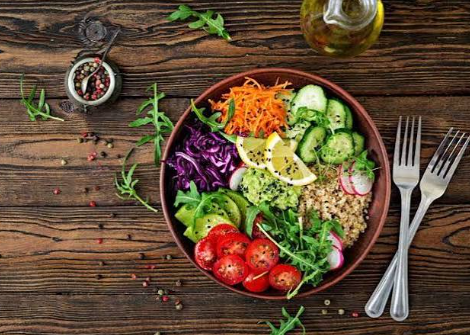
Introduction to Healthy Vegetarian Diets
The concept of vegetarian diets has gained significant popularity in recent years, primarily due to their numerous proven health benefits. Vegetarianism involves the abstention from meat, and often other animal products, advocating for a diet rich in fruits, vegetables, whole grains, legumes, nuts, and seeds. This dietary pattern not only promotes health but also encompasses a wide variety of flavors and culinary possibilities that can enhance any meal.
Adopting a vegetarian lifestyle can lead to a more balanced and nutritious family diet. Research has consistently shown that individuals who consume a vegetarian diet may experience lower risks of chronic diseases such as heart disease, hypertension, type 2 diabetes, and certain cancers. Furthermore, vegetarian diets are often high in dietary fiber and low in saturated fat, which contribute to overall health and well-being.
One of the many advantages of vegetarianism is its adaptability, allowing families to create diverse meals that cater to different tastes and cultural preferences. Incorporating a variety of vegetarian recipes can make meal planning not only more nutritious but also more enjoyable for all family members. By focusing on the use of fresh, seasonal ingredients, families can explore new flavors and textures while enjoying the extensive benefits associated with a plant-based diet.
Additionally, vegetarian diets can be environmentally sustainable, contributing to reduced carbon footprints and conservation of resources. By choosing plant-based meals, families play a part in promoting a more sustainable future while maintaining a healthy lifestyle. The transition to vegetarianism can be seamless and flavorful, ensuring that every family member feels satisfied and healthy. Thus, exploring healthy vegetarian food recipes can serve as a gateway to a more balanced family diet.
Key Nutrients in a Vegetarian Diet
When adopting a vegetarian diet, it’s crucial to ensure that essential nutrients are adequately supplied to maintain health, especially for families. While a vegetarian diet is rich in fruits, vegetables, grains, and legumes, careful planning is required to include key nutrients that might be lacking.
One major nutrient of concern is protein. Vegetarian protein sources include legumes, nuts, seeds, and whole grains. Combining different sources, such as rice and beans, not only meets protein needs but also enhances the intake of essential amino acids. This is particularly important for growing children and active teens who require sufficient protein for development and energy.
Iron is another vital nutrient in a vegetarian diet. Plant-based sources of iron include lentils, chickpeas, tofu, and spinach. However, the iron found in plants (non-heme iron) is not as easily absorbed as the iron from animal sources (heme iron). To enhance absorption, it is beneficial to pair iron-rich foods with vitamin C-rich options, such as oranges or bell peppers.
Calcium is essential for bone health, and while dairy products are a significant source, there are numerous vegetarian options, including fortified plant milks, tofu, and green leafy vegetables. Ensuring a sufficient calcium intake is particularly important for growing children and older adults, who are at a higher risk of osteoporosis.
Moreover, omega-3 fatty acids, primarily found in fish, can also be obtained from flaxseeds, chia seeds, and walnuts. These fats are essential for brain health and can play a role in reducing inflammation. Lastly, vitamins B12 and D are commonly deficient in vegetarian diets. B12 can be sourced from fortified foods, such as cereals and nutritional yeast, while vitamin D can be obtained from fortified foods as well or through safe sun exposure.
Incorporating these critical nutrients into a vegetarian diet isn’t just beneficial; it is essential for promoting a balanced family diet. Careful meal planning and a thoughtful approach to ingredient selection will help ensure that all family members receive the necessary nutrients for a healthy lifestyle.
Breakfast Recipes to Kickstart Your Day
Starting the day with a nutritious breakfast is crucial for maintaining energy levels and supporting overall health. For families seeking healthy vegetarian options, here are some simple yet delicious recipes that are perfect for a quick morning routine.
1. Energizing Smoothies: Smoothies are an excellent way to pack a variety of nutrients into one meal. A banana and spinach smoothie, made with almond milk, can provide a natural energy boost. To make this, blend together 1 ripe banana, a handful of fresh spinach, a cup of unsweetened almond milk, and a tablespoon of almond butter. This not only delivers healthy fats but also keeps the family full until lunchtime.
2. Wholesome Oatmeal Bowls: Oatmeal is a versatile breakfast choice that offers numerous health benefits, including heart health and sustained energy release. Cooking rolled oats with almond or oat milk allows for creamy consistency, and toppings can include sliced bananas, berries, and a sprinkle of cinnamon. Adding chia seeds enhances the nutritional profile further, providing essential omega-3 fatty acids.
3. Plant-Based Pancakes: For those craving a more indulgent morning meal, plant-based pancakes are an ideal option. Combine whole grain flour, mashed bananas, baking powder, and almond milk to create a batter. Cook on a non-stick skillet, flipping when bubbles form on the surface. These pancakes can be served with maple syrup or fresh fruit, making for an inviting breakfast dish that even the pickiest eaters will enjoy.
Each of these healthy vegetarian breakfast recipes can effortlessly be incorporated into a balanced family diet plan. Their quick preparation time and nutritious ingredients ensure that families can enjoy a hearty meal while staying energized throughout the day.
Nutritious Lunch Ideas for the Whole Family
Creating satisfying vegetarian lunch recipes can be both nutritious and enjoyable for the whole family. A well-balanced meal promotes health while also delighting the palate. Here are some ideas that can be prepared in bulk, making them perfect for meal prepping and catering to everyone’s tastes.
Grain bowls serve as an excellent foundation for a filling vegetarian lunch. Start with a base of quinoa or brown rice, and layer with various vegetables such as roasted sweet potatoes, kale, or bell peppers. Top with a protein feature, such as chickpeas or black beans, and finish with a flavorful dressing, like tahini or balsamic vinaigrette. This approach allows for customizable bowls, ensuring each family member can enjoy their preferred ingredients.
Hearty salads are another fantastic option that can easily be made in larger quantities. Incorporate colorful vegetables, such as cherry tomatoes, carrots, and cucumbers, alongside nutritious greens like spinach or arugula. Adding toppings such as nuts, seeds, or avocados boosts the nutritional value while providing healthy fats that promote satiety. Including a protein source, such as quinoa or tempeh, can enhance the meal’s sustaining qualities.
Wraps offer a fun and portable solution for lunch. Use whole grain tortillas or lettuce leaves as your base, and fill them with a mix of roasted vegetables, hummus, and a sprinkle of feta cheese or nut-based spreads. This combination not only provides a variety of textures and flavors but also ensures a well-rounded meal that can be easily enjoyed on the go.
Incorporating these vegetarian lunch ideas into your family’s diet can lead to healthier eating habits while promoting a diverse range of flavors and ingredients. Not only are these recipes satisfying and nutrient-rich, but they also allow families to bond over preparing meals together, reinforcing healthy eating patterns from an early age.
Family-Friendly Dinner Recipes
Creating a balanced vegetarian meal that pleases both adults and children can often be a challenging task. However, with the right recipes, it can become a delightful experience. Here is a selection of vegetarian dinner recipes that are not only nutritious but also comforting and appetizing, suitable for a family-friendly diet.
One popular option is a hearty veggie stir-fry. This dish is simple to prepare and allows for a variety of vegetables, making it easily customizable to suit individual tastes. Begin with a base of bell peppers, broccoli, and snap peas, then add tofu or tempeh for protein. Season with soy sauce, garlic, and ginger to enhance the flavors. Serve it over brown rice or quinoa for a complete meal that will satisfy everyone at the table.
Another family-favorite is a creamy vegetable pasta. Whole grain pasta can be cooked al dente and tossed with a mix of seasonal vegetables such as zucchini, spinach, and cherry tomatoes. For added flavor and nutrition, a homemade cashew cream sauce or a store-bought vegan Alfredo can be generously mixed in. This comforting dish appeals to both children and adults alike because of its creamy texture and delicious taste.
Casseroles also make for fantastic vegetarian dinner options. A layering of sweet potatoes, black beans, corn, and spices creates a nutritious and filling dish when baked together. Top it with a sprinkle of cheese or a dairy-free alternative for a crispy finish. Casseroles are particularly convenient as they can be prepared ahead of time, ensuring a stress-free mealtime.
These vegetarian dishes not only promote a balanced diet but also provide comfort and satisfaction, making them perfect for family dinners. Trying these recipes encourages healthy eating habits for all family members while catering to diverse taste preferences.
Healthy Snacks to Keep You Energized
Incorporating healthy vegetarian snacks into your diet is essential for maintaining energy levels throughout the day. These snacks not only appease hunger but also provide essential nutrients, beneficial for overall health. Here are some available options that can be prepared easily or can be sourced from stores.
Fruits are among the simplest and healthiest snacks. Fresh fruits like apples, bananas, and berries are not only rich in vitamins and minerals but also provide quick energy boosts due to their natural sugars. Dried fruits such as apricots and raisins also make a convenient on-the-go alternative, packed with fiber and important nutrients.
Nuts are a fantastic source of protein and healthy fats, making them an ideal vegetarian snack. A handful of almonds, walnuts, or pistachios can provide sustained energy and keep you satiated longer. They are also easy to store and transport, making them a practical choice for snacking in various settings.
Energy balls, made from a blend of oats, nut butter, and various seeds or sweeteners, are a versatile option that can be customized to suit individual tastes. These small bites are not only nutritious but are also convenient to prepare in batches, allowing easy access to healthy snacks at any time.
Creative dips can elevate your snacking experience. Hummus made from chickpeas, or guacamole made from avocados, provides an excellent source of healthy fats and can be paired with fresh vegetables like carrots, cucumbers, or bell pepper strips. This combination not only adds flavor and excitement to your snacks but also supports a balanced vegetarian diet.
With these healthy vegetarian snack options, you can easily maintain energy levels between meals, supporting both vitality and a balanced diet.
Tips for Meal Planning and Preparation
Meal planning is an essential component of maintaining a healthy vegetarian diet. By organizing your meals ahead of time, you can ensure a balanced intake of nutrients, prevent food waste, and save valuable time during the week. One of the first steps to effective meal planning is to create a balanced grocery list. This list should include a variety of plant-based foods such as fruits, vegetables, whole grains, legumes, nuts, and seeds. Ensure that you select ingredients that are versatile and can be used across multiple recipes to maximize their utility.
Another effective strategy within your meal planning is batch cooking. Spend some time on the weekend or any designated day to prepare large quantities of staple items, such as quinoa, brown rice, or roasted vegetables. These can serve as the base for several meals throughout the week. For instance, a batch of roasted sweet potatoes can be used in salads, wraps, or as a side dish, significantly reducing daily cooking time.
Moreover, think creatively about utilizing leftovers to minimize waste. Leftover grains can be repurposed into a nourishing veggie bowl by adding fresh ingredients like greens and a flavorful dressing. Alternatively, leftover vegetables can be transformed into soups, stews, or stir-fries. Employing such techniques not only optimizes your time in the kitchen but also encourages creativity in meal preparation.
Lastly, consider planning meals around seasonal produce. This ensures that you are not only consuming fresh ingredients but also supporting local agriculture. Seasonal items tend to be more affordable and flavorful, allowing you to enhance the quality of meals while maintaining a budget-friendly approach.
Addressing Common Misconceptions about Vegetarianism
Vegetarianism often faces skepticism due to a variety of myths and misconceptions that persist in popular culture. One of the most prevalent misconceptions is that vegetarian diets are bland or lacking in taste. In reality, vegetarian cuisine encompasses a vast array of flavors, textures, and culinary traditions from around the world. With the right combination of spices, herbs, and cooking techniques, vegetarian dishes can be not only satisfying but also exceptionally diverse.
Another common myth asserts that adopting a vegetarian diet will leave individuals feeling unsatisfied or hungry. However, a well-planned vegetarian diet is rich in nutrients, including ample sources of protein, healthy fats, and essential vitamins. Foods such as legumes, whole grains, nuts, and a variety of fruits and vegetables provide all the necessary components for a fulfilling meal. Many families who have transitioned to a vegetarian lifestyle report increased energy levels and overall satisfaction with their dietary choices.
Nutritional deficits are also a major concern for those considering vegetarianism. It is important to clarify that a balanced vegetarian diet can meet, and even exceed, nutritional needs when properly planned. Key nutrients such as iron, calcium, and vitamin B12 can be found in plant-based sources. For example, legumes and fortified foods can provide necessary iron and B12, while leafy greens and fortified plant milks can supply calcium. The introduction of a diverse range of foods allows families to maintain optimal health without the inclusion of meat. Additionally, many families have successfully embraced vegetarianism, benefiting from its advantages while fostering a healthy relationship with food.
Conclusion and Encouragement to Explore Vegetarian Cooking
In conclusion, embracing vegetarian cooking can be an exciting and fulfilling journey for families looking to enhance their diets and overall health. With a plethora of vibrant ingredients available, preparing healthy vegetarian recipes offers a remarkable opportunity to indulge in a variety of flavors, textures, and colors. By incorporating more plant-based meals into your family’s weekly diet, you not only diversify your palate but also contribute to nutritious eating habits that can foster long-term health benefits.
Vegetarian cooking is often perceived as limiting or overly complex, but this myth can easily be dispelled through exploration and creativity in the kitchen. Families can discover an array of wholesome ingredients, from whole grains and legumes to seasonal vegetables and herbs, that can create satisfying and nourishing meals. The collaborative experience of cooking together can strengthen family bonds, and children can develop healthy eating habits by participating actively in the meal preparation process.
We encourage families to step outside their comfort zones and experiment with new vegetarian recipes, whether that involves trying a new stir-fry dish, concocting a hearty soup, or baking a nourishing veggie-packed loaf. Sharing these newly created dishes with friends and colleagues can also inspire others to appreciate the benefits of vegetarianism. In essence, as you explore the culinary world of vegetarianism, relish the process and enjoy the remarkable dishes you create. Your culinary adventures will not only benefit your family’s health but may also instill a lifelong love for cooking and eating well.