


Introduction to Micronutrients
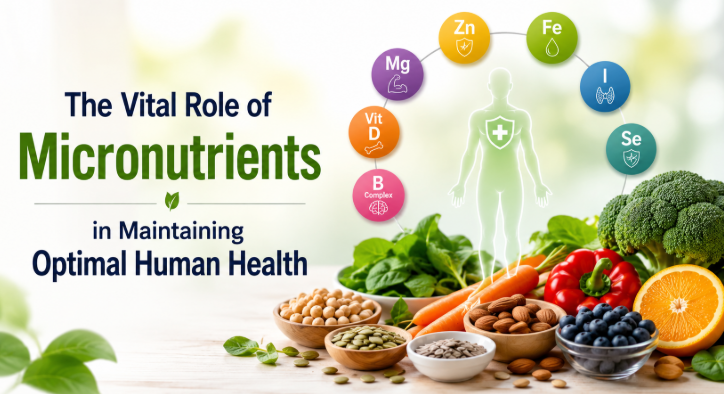
Micronutrients are essential nutritional elements that the human body requires in small quantities to function optimally. Unlike macronutrients, which include carbohydrates, proteins, and fats providing energy in larger doses, micronutrients play a crucial supporting role in various bodily functions. They encompass vitamins and minerals that are vital for growth, development, and overall health.
Vitamins, such as A, C, D, E, and K, along with several B vitamins, are organic compounds that perform critical roles in processes like metabolism, immune function, and cellular repair. For example, vitamin C is well-known for its antioxidant properties, aiding in the protection of the body against oxidative stress, while vitamin D is essential for bone health and immune regulation. Similarly, minerals, including calcium, potassium, iron, and zinc, contribute to a plethora of physiological functions like muscle contraction, nerve transmission, and enzyme activity. Calcium is particularly vital for maintaining strong bones, while iron is integral for oxygen transport in the blood.
The significance of these micronutrients cannot be overstated. A deficiency in any specific micronutrient can lead to a range of health issues, from fatigue and weakened immunity to more severe consequences such as impaired cognitive function or developmental disorders in children. Moreover, an excess of certain micronutrients can also result in toxicity, thereby emphasizing the need for a balanced and varied diet.
This section has provided a foundational understanding of micronutrients, setting the stage to explore their specific roles in human health. A diet rich in diverse food sources is essential to ensure adequate intake of these important nutrients for sustaining overall well-being.
Types of Micronutrients
Micronutrients are essential substances that our bodies require in small quantities for optimal health. They can be categorized into two main groups: vitamins and minerals, each playing distinct roles in maintaining bodily functions.
Fat-soluble vitamins include vitamins A, D, E, and K. Vitamin A is crucial for maintaining healthy vision, promoting immune function, and supporting skin health. Vitamin D, often referred to as the “sunshine vitamin,” is vital for bone health, as it aids in calcium absorption. It also contributes to immune system regulation. Vitamin E acts as an antioxidant, protecting cells from damage and supporting skin health, while vitamin K plays an essential role in blood clotting and maintaining bone health.
Water-soluble vitamins include the B-complex vitamins and vitamin C. The B vitamins, such as B1 (thiamine), B2 (riboflavin), and B12 (cobalamin), are crucial for energy metabolism, brain function, and the formation of red blood cells. Vitamin C is known for its antioxidant properties, supporting immune health and aiding in the absorption of iron from plant-based sources. These water-soluble vitamins are not stored in the body and must be consumed regularly to maintain adequate levels.
In addition to vitamins, essential minerals like iron, calcium, and magnesium are critical for various bodily functions. Iron is a key component of hemoglobin, which carries oxygen in the blood, while calcium is essential for healthy bones and teeth, nerve function, and muscle contraction. Magnesium plays a significant role in over 300 enzymatic reactions in the body, including energy production and the regulation of muscle and nerve functions.
Understanding the different types of micronutrients, their unique roles, and their health benefits is crucial for maintaining optimal human health. A balanced diet rich in a variety of foods can help ensure adequate intake of these essential micronutrients.
The Functions of Micronutrients in the Body
Micronutrients, which include vitamins and minerals, are essential for numerous physiological functions that are vital to human health. These components are instrumental in regulating various biochemical processes critical for maintaining optimal bodily functions. One of the primary roles of micronutrients is their contribution to metabolism, which encompasses all the chemical reactions that provide energy and maintain bodily functions.
Vitamins such as B-complex (including B1, B2, B3, B6, and B12) and minerals like iron and magnesium facilitate energy production by aiding in the conversion of carbohydrates, fats, and proteins into usable energy. Furthermore, micronutrients play a crucial role in the immune response. For example, vitamins A, C, and D have been shown to enhance immune functionality, helping the body defend against infections and diseases.
Cell growth and development are additional areas where micronutrients prove essential. They are involved in cell division and the synthesis of DNA and RNA, particularly during periods of rapid growth such as childhood and adolescence. Vitamin A, for instance, is vital for skin and eye health, while zinc supports skin repair and immune function.
Moreover, micronutrients contribute to hormonal balance by regulating bodily hormones and facilitating their production. For example, vitamin D supports the synthesis of hormones that influence calcium and phosphate metabolism, while B vitamins are pivotal in synthesizing neurotransmitters that affect mood and cognitive functions.
Lastly, micronutrients also play significant roles in maintaining healthy skin, hair, and nails. Vitamins E and C, along with various minerals, aid in skin repair and the maintenance of skin integrity. Thus, a well-rounded diet rich in micronutrients not only promotes optimal metabolic functions but also contributes to overall body wellness and aesthetic health.
Deficiency and Its Consequences
Micronutrient deficiencies can have profound effects on overall health, as these essential vitamins and minerals play critical roles in various bodily functions. Insufficient levels of key micronutrients can lead to a wide range of health issues, impacting both physical and cognitive well-being. Common deficiencies include vitamin D, iron, and vitamin B12, each of which carries specific health consequences.
Vitamin D deficiency is prevalent globally, primarily due to inadequate sun exposure and dietary intake. This deficiency can lead to weakened bone health, as vitamin D is crucial for calcium absorption. Individuals with low vitamin D levels may experience conditions such as osteomalacia in adults and rickets in children, which manifest as bone deformities and an increased risk of fractures.
Iron deficiency is another widespread concern, particularly among women and children. This deficiency commonly results in anemia, characterized by fatigue, weakness, and decreased immune function. Since iron is vital for the production of hemoglobin, inadequate iron levels can severely impair oxygen transport in the body, leading to lower energy levels and reduced physical endurance.
Vitamin B12 deficiency often emerges in individuals with dietary restrictions, especially those adhering to vegan or vegetarian diets. This can lead to neurological issues and cognitive impairments, such as memory loss and mood disturbances. Over time, a lack of vitamin B12 can also cause megaloblastic anemia, a condition where the body produces oversized red blood cells that cannot efficiently transport oxygen.
Overall, the consequences of micronutrient deficiencies emphasize the importance of a balanced diet rich in essential vitamins and minerals. Addressing these deficiencies is paramount for maintaining optimal health and preventing various related health complications.
Sources of Micronutrients
Micronutrients, which include vitamins and minerals, are essential for numerous bodily functions and overall health. To ensure adequate intake of these crucial nutrients, a diverse diet is recommended. Food sources rich in micronutrients can be categorized into several groups, including fruits, vegetables, nuts, seeds, and whole grains.
Fruits and vegetables are among the most accessible and varied sources of micronutrients. Leafy greens, such as spinach, kale, and Swiss chard, are particularly rich in vitamins A, C, and K, along with several B vitamins and important minerals like iron and calcium. Additionally, fruits like oranges, strawberries, and bananas provide not only vitamins but also antioxidants, which contribute to overall health and well-being.
Nuts and seeds are another important source of micronutrients. Almonds, walnuts, flaxseeds, and sunflower seeds are packed with essential fatty acids, vitamins E and B6, magnesium, and selenium. Incorporating a variety of nuts and seeds into one’s diet can significantly augment micronutrient intake, enhancing both nutritional quality and flavor.
Whole grains, such as brown rice, quinoa, and oats, also play a vital role in providing essential micronutrients. These grains are rich in B vitamins, iron, magnesium, and zinc. Choosing whole grains over refined grains ensures greater fiber content and a higher concentration of beneficial nutrients.
To meet daily micronutrient requirements, it is crucial to adopt a dietary strategy centered on variety and balance. Consuming a mix of these food groups can help individuals achieve an optimal intake of essential vitamins and minerals while promoting overall health. Health guidelines often recommend filling half of one’s plate with fruits and vegetables, ensuring a colorful array of choices to maximize nutrient density.
Micronutrients and Chronic Diseases
Micronutrients, comprising vitamins and minerals, are essential for various physiological functions and play a significant role in preventing chronic diseases such as cardiovascular diseases, diabetes, and certain cancers. A growing body of research emphasizes the connection between adequate micronutrient intake and disease prevention, highlighting the importance of a micronutrient-rich diet.
Cardiovascular diseases (CVD) are among the leading causes of death globally, but studies have shown that specific micronutrients can help mitigate risk factors associated with these conditions. For instance, adequate intake of vitamins C and E has been linked to improved heart health, as these antioxidants protect cells from oxidative stress and inflammation. Minerals like magnesium and potassium also contribute to cardiovascular health by regulating blood pressure and supporting proper heart function.
Type 2 diabetes is another chronic disease where micronutrients can play a protective role. Research indicates that diets rich in magnesium and chromium may enhance insulin sensitivity and reduce the risk of developing diabetes. Furthermore, antioxidants such as vitamins A and C have been shown to improve glycemic control in diabetic individuals, thereby showcasing the potential benefits of ensuring adequate intake of these micronutrients.
Cancers are complex diseases that may be influenced by nutritional factors as well. Numerous studies suggest that certain micronutrients, particularly vitamins D and E, along with selenium and folate, may contribute to lower cancer risk. These nutrients are involved in DNA synthesis and repair, as well as in maintaining cellular health, indicating that a balanced diet rich in essential vitamins and minerals may enhance overall resilience against cancer development.
The accumulation of evidence from various studies underscores the significance of micronutrients in disease prevention. Adopting a diet abundant in fruits, vegetables, whole grains, and lean proteins can help ensure that individuals receive the necessary vitamins and minerals needed to maintain optimal health and potentially reduce the risk of chronic diseases.
Supplementation vs. Whole Foods
The ongoing debate surrounding the acquisition of micronutrients from supplements versus whole foods is multifaceted and warrants detailed exploration. Whole foods, such as fruits, vegetables, nuts, and grains, naturally provide a plethora of essential micronutrients—including vitamins and minerals—along with beneficial compounds like fiber and antioxidants. The act of consuming whole foods not only offers nutrients but also contributes to overall dietary diversity, which is crucial for optimal health.
On the other hand, supplementation can play a critical role in specific situations. For individuals with dietary restrictions, such as vegans or those with food allergies, obtaining adequate levels of certain micronutrients—like Vitamin B12, iron, and omega-3 fatty acids—can be particularly challenging through whole foods alone. In these cases, targeted supplementation may be necessary to prevent deficiencies and ensure that nutrient needs are met.
Moreover, supplementation has advantages in terms of convenience and precise dosage. It allows individuals to easily address specific health concerns or nutritional gaps in their diet. However, excessive reliance on supplements can lead to potential downsides. High doses of certain vitamins and minerals might pose health risks, and research suggests that whole foods provide a synergistic effect that supplements cannot replicate. The complex interplay of nutrients within whole foods enhances absorption and effectiveness.
Additionally, the body may respond differently to nutrients derived from supplements compared to those from food. For example, the presence of other compounds in whole foods can enhance micronutrient absorption. It is vital for individuals to carefully evaluate their dietary patterns and health needs when considering supplementation, ideally in consultation with a healthcare provider. This holistic approach helps to ensure that nutritional requirements are adequately met while minimizing the risk of over-supplementation.
Target Populations for Micronutrient Focus
Understanding the specific populations that are more susceptible to micronutrient deficiencies is essential in formulating effective dietary strategies. Among these populations, pregnant women represent a critical group due to their increased nutritional demands. During pregnancy, the need for certain micronutrients, such as folic acid, iron, and calcium, escalates to support the growth and development of the fetus. Insufficient intake can lead to serious health implications, including low birth weight and developmental delays.
Children also constitute a vulnerable demographic, as this period is crucial for growth and cognitive development. Micronutrient deficiencies in children can hinder their physical and mental growth, leading to long-term negative health outcomes. Ensuring an adequate intake of vitamins A, D, and minerals like zinc and iron is vital during the formative years. Strategies tailored for families could include promoting diverse diets or utilizing fortified foods to meet their nutritional needs effectively.
The elderly population faces unique challenges concerning micronutrient absorption and dietary intake. Physiological changes and chronic health conditions in older adults can increase their susceptibility to deficiencies in essential nutrients such as vitamin B12, vitamin D, and calcium. Nutritional interventions aimed at enhancing the intake of these micronutrients, perhaps through supplementation or the inclusion of nutrient-dense foods in their diets, can prove beneficial.
Lastly, vegetarians and vegans need to be mindful of their micronutrient consumption, as certain nutrients, including iron, vitamin B12, and omega-3 fatty acids, are more readily available in animal products. Tailored dietary plans that include plant-based sources of these nutrients, such as legumes, nuts, seeds, and fortified foods, can help mitigate the risk of deficiencies. By focusing on these target populations, health professionals can develop interventions that promote optimal health through proper micronutrient intake.
Conclusion: The Importance of Micronutrients
Throughout this discussion, we have explored the essential role that micronutrients play in maintaining optimal human health. Micronutrients, which include vitamins and minerals, contribute significantly to various bodily functions such as metabolism, immunity, and overall growth. Their importance cannot be overstated, as they help prevent a wide range of health issues, from chronic diseases to developmental disorders.
One of the key points highlighted is the need for a balanced diet rich in micronutrients. It is crucial for individuals to be aware of their micronutrient intake and the potential consequences of deficiencies. For instance, inadequate Vitamin D can lead to weakened bones, while a lack of Vitamin C may compromise the immune system. Such deficiencies underline the importance of consuming a diverse array of foods that supply these vital nutrients.
Moreover, we discussed how different populations may face unique challenges in obtaining necessary micronutrients. Factors such as age, lifestyle, and geographic location can affect nutritional access and intake levels. Therefore, it is imperative for individuals to tailor their diets according to their specific needs, perhaps consulting a nutritionist or healthcare professional as necessary.
In essence, prioritizing micronutrient intake through a well-rounded diet is advantageous for long-term health. Individuals should strive to incorporate a variety of fruits, vegetables, whole grains, and lean proteins into their meals. By doing so, they not only ensure their bodies receive essential micronutrients but also enhance their overall well-being. This holistic approach to nutrition can lead to healthier, more vibrant lives and minimize the risk of chronic ailments, making micronutrient focus a crucial aspect of modern dietary practices.