


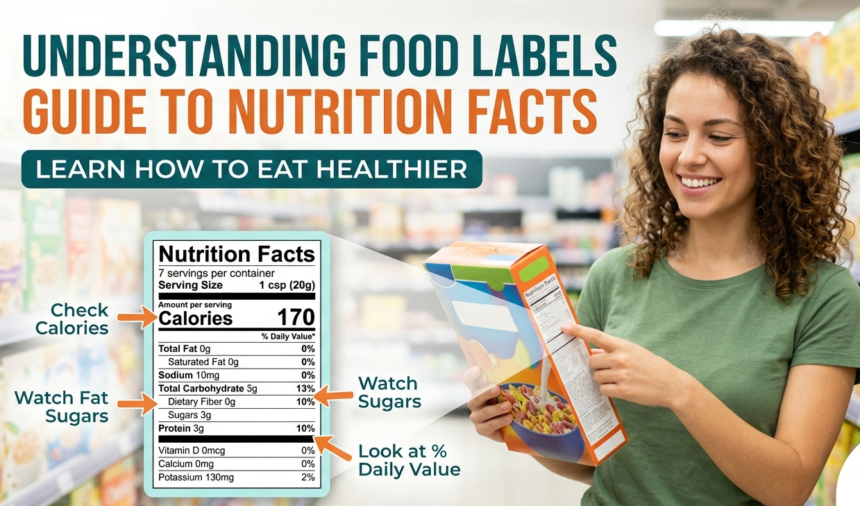
Introduction to Nutrition Labels
Nutrition labels are essential tools that provide consumers with crucial information regarding the dietary content of food products. These labels serve to enhance our understanding of what we consume and assist in making well-informed decisions about our diets. With the increasing prevalence of processed foods and the growing concerns over health, having access to accurate nutritional information is more vital than ever.
The primary purpose of nutrition labels is to inform consumers about the macro and micronutrient composition of food items. Specifically, these labels typically outline key components such as total calories, fats, carbohydrates, proteins, vitamins, and minerals. By analyzing this information, consumers can better gauge whether a particular food item aligns with their health goals or dietary restrictions.
Understanding these labels is fundamental for anyone looking to maintain a balanced diet or manage specific health conditions. For instance, individuals managing diabetes may closely monitor carbohydrate intake, while those aiming to lose weight might prioritize low-calorie foods. Therefore, the ability to read and interpret nutrition labels effectively plays a significant role in dietary management.
Furthermore, nutrition labels are designed to promote transparency in food marketing, enabling consumers to identify added sugars, sodium content, and unhealthy fats. This transparency empowers individuals to make healthier choices and encourages food manufacturers to produce better quality products. Consequently, they play a part in public health initiatives aimed at combating issues such as obesity and chronic diseases.
In light of these considerations, learning to interpret nutrition labels correctly is essential for anyone who wishes to lead a healthier life. This knowledge enables consumers to take charge of their nutritional health and to understand the impact of their food choices on their overall wellbeing.
Key Components of Nutrition Labels
Understanding nutrition labels is essential for making informed dietary choices. These labels serve as a guide to help consumers identify the nutritional value of food products. One of the primary components of a nutrition label is the serving size, which indicates the amount of food typically consumed in one sitting. This portion serves as the reference for all other nutritional information on the label, allowing individuals to gauge their intake relative to the recommended daily values.
Next, the caloric content is prominently displayed and represents the total energy provided by the food item. Monitoring calorie intake is crucial for maintaining a balanced diet and managing weight effectively. Consumers should be aware that calories can come from three primary macronutrients: carbohydrates, proteins, and fats.
Carbohydrates are the body’s main source of energy and can be classified into simple and complex forms. It is important to focus on the quality of carbohydrates, opting for whole grains and fiber-rich choices whenever possible. Proteins are vital for muscle repair, immune function, and overall health. It is advisable to include sufficient protein in one’s diet from both animal and plant sources. Lastly, fats also provide energy and support cell growth, but it is essential to distinguish between healthy fats, such as those from avocados and nuts, and unhealthy trans fats found in processed foods.
The nutrition label also highlights important micronutrients, including vitamins and minerals, which are necessary for various bodily functions. These nutrients are often listed as a percentage of the Daily Value (%DV), indicating how much a serving of the food contributes to an average daily diet.
Understanding Serving Sizes
When navigating food nutrition labels, the concept of serving sizes plays a critical role in helping consumers make informed dietary choices. A serving size is defined as the recommended amount of food that is to be consumed in one sitting. This quantity, indicated on the nutrition label, serves as the basis for all nutritional information presented. Therefore, understanding serving sizes is essential for accurately interpreting the nutritional value of food items.
One common misconception among consumers is equating serving sizes with actual portion sizes. Many individuals often consume significantly larger portions than what is suggested, leading to an underestimation of calorie intake, sugar levels, and other nutritional elements. For example, a typical serving size for cereal might be listed as one cup, but many people pour two or more cups into their bowls. This discrepancy can lead to inadvertently consuming more calories and nutrients than anticipated.
Additionally, serving sizes can vary greatly between different products, even similar types of food. For instance, one brand of frozen yogurt may define a serving size as half a cup, while another brand may indicate a three-quarter cup serving. This variation highlights the importance of not only reading the nutrition label but also paying close attention to serving size measurements to avoid confusion and facilitate better dietary decisions.
To effectively manage diet and nutrition, individuals should develop the habit of checking both the serving size and the corresponding nutritional information. This practice allows for a clearer understanding of caloric and nutritional intake, helping consumers align their food choices with health goals. Ultimately, recognizing serving sizes is a foundational step in successfully reading and understanding food nutrition labels.
Reading the Nutritional Facts Panel
The nutritional facts panel on food packaging serves as a vital resource to help consumers make informed dietary choices. To effectively read this panel, start with the serving size. This value is typically listed at the top and indicates how much of the product is considered one serving. Pay close attention to this measurement as nutritional content is calculated based on it. If you consume more than the indicated serving size, you will need to adjust the nutritional values accordingly.
Next, examine the calories section. This figure indicates the amount of energy you will receive from a single serving of the food product. Monitoring caloric intake is essential for managing weight and overall health. Following the calories, the panel will enumerate the various nutrients, starting with fats. Look for total fats, saturated fats, and trans fats, as these can impact heart health. Also important are the cholesterol and sodium levels, which should generally be consumed in moderation.
The percent daily values (%DV) provide context for how each nutrient fits into a daily diet, based on a 2,000-calorie intake. A %DV of 5% or less is considered low, while 20% or more is high. This percentage will help you gauge whether a food is high or low in specific nutrients. Lastly, take note of important vitamins and minerals included on the panel. Ingredients are often listed in descending order by weight, meaning the first few items listed make up a significant portion of the product. Understanding this hierarchy can assist you in making healthier choices, as you will be more aware of the primary components of what you are consuming.
Interpreting Ingredients Lists
Reading food nutrition labels is a critical skill in promoting healthier eating habits. One of the key components of a food nutrition label is the ingredients list, which provides vital information about what is actually in a product. Ingredients are usually listed in descending order by weight, meaning the first ingredient on the list is the most predominant one in the food item. Therefore, paying close attention to the initial entries can provide insight into the quality of the food.
When interpreting the ingredients list, it is essential to look out for unhealthy additives and preservatives. Common examples include high-fructose corn syrup, artificial colors, and trans fats. These additives have been linked to various health issues and should preferably be avoided. Additionally, ingredients described with chemical-sounding names may indicate highly processed components that could compromise the nutritional value of the food.
Identifying allergens is another critical aspect of understanding ingredients. Many food products may contain common allergens such as nuts, dairy, or gluten. It is crucial for individuals with allergies to look for these ingredients in the list, often highlighted in bold or capital letters according to regulatory requirements.
Furthermore, distinguishing whole foods from processed options is vital in making healthier dietary choices. Whole foods typically include fruits, vegetables, whole grains, and nuts, often appearing near the top of the list due to their natural state. Processed foods, in contrast, may list numerous additives and artificial ingredients, signaling a need for caution.
In summary, a thorough understanding of the ingredients list is essential for making informed food choices. By monitoring ingredient order, recognizing unhealthy additives, identifying allergens, and differentiating between whole and processed foods, consumers can improve their dietary habits and overall health.
Understanding the various claims and labels used on food packages can be instrumental for consumers aiming to make informed dietary choices. Among these, terms such as ‘natural’, ‘organic’, and ‘whole grain’ are frequently encountered, each carrying specific connotations that can significantly influence purchasing decisions.
The term ‘natural’ is somewhat ambiguous and lacks a stringent legal definition in many regions. Generally, it implies that a product is minimally processed and does not contain artificial ingredients, but this can vary widely. Thus, while ‘natural’ foods may often be perceived as healthier options, it is important for consumers to scrutinize the other labels and nutritional information on the packaging to gain a clearer understanding of what they are consuming.
‘Organic’, conversely, has a more defined meaning. In the United States, for instance, products labeled as organic must adhere to strict regulations set by the USDA. These include guidelines regarding the use of synthetic fertilizers and pesticides, as well as conditions for livestock rearing. Organic products are typically grown without the aid of genetically modified organisms (GMOs) and must contain at least 95% organic content to bear the USDA Organic seal. This distinction is crucial for those prioritizing agriculturally sustainable practices and aiming to reduce their exposure to chemical residues.
Similarly, the label ‘whole grain’ indicates that a product contains the entire grain kernel, including the bran, germ, and endosperm. Whole grains are known for their increased nutritional benefits, including higher fiber content, which can contribute to better digestive health. Consumers are encouraged to look for the whole grain stamp or check the ingredients list to ensure they are genuinely purchasing whole grain products.
In sum, recognizing the differences between these labels can aid in deciphering food nutrition labels more effectively, ultimately leading to healthier choices and a well-balanced diet.
Common Misconceptions About Nutrition Labels
Nutrition labels can often be a source of confusion for consumers seeking to make informed dietary choices. One prevalent misconception is that all labeled products labeled as “low-fat” or “fat-free” are inherently healthier options. While these products may contain fewer calories from fat, they often compensate with added sugars or salt to maintain flavor, which can offset any perceived health benefits.
Another common misunderstanding relates to portion sizes. Many individuals assume that the serving size indicated on the label reflects a recommended amount for consumption. However, it is essential to recognize that these serving sizes are often based on average consumption patterns and not necessarily on dietary guidelines. As a result, consumers may inadvertently consume more calories than intended if they ignore the serving size.
Additionally, the term “organic” is frequently misconceived. While organic products may follow certain agricultural standards, they are not automatically synonymous with health benefits. A product labeled as organic may still be high in calories, sugars, or fats, thus emphasizing the need to read the entire nutrition label rather than focus solely on the organic label.
Another prevalent myth is that all carbohydrates are bad for health. Nutrition labels often highlight total carbohydrates, leading to the erroneous belief that they should be avoided altogether. In reality, carbohydrates are an essential nutrient, and the focus should be on consuming complex carbohydrates rather than simple sugars. Healthier sources include whole grains and vegetables.
Lastly, many individuals presume that if a product contains “no added sugars,” it is automatically a healthier option. This can be misleading, as some products without added sugars still contain natural sugars, such as those found in fruits or dairy. Understanding these nuances is crucial for making wise dietary choices based on nutrition labels.
Tips for Making Informed Choices
Understanding food nutrition labels is crucial for making healthier choices while grocery shopping. One effective strategy is to start by comparing the serving sizes of various products. Serving sizes can differ significantly between similar items, meaning that one product may appear healthier than another based on its label. Be vigilant and ensure that you are comparing the same quantities to have a clear view of nutritional value.
Next, focus on evaluating the percentage of daily values (%DV) listed on the label. This metric provides insight into how much a serving of the food contributes to an overall daily diet based on a 2,000-calorie diet. Ideally, you should aim for foods that are high in %DV for beneficial nutrients such as fiber, vitamins, and minerals while looking for lower values for saturated fat, sodium, and added sugars. This approach assists in identifying options that enhance nutritional density.
Additionally, pay attention to the ingredient list. Ingredients are listed in descending order by weight, which means the first few items usually represent the majority of what you’re consuming. Look for products with whole foods as the primary ingredients and be cautious of those with artificial additives or preservatives. When possible, opt for foods with fewer and simpler ingredients.
Lastly, educate yourself about common nutrition-related terms like “whole grain,” “low-fat,” or “sugar-free”. They may seem straightforward, but they can sometimes be misleading. Research these terminologies to understand what they genuinely entail and how they affect overall health. By implementing these tips, you can navigate food nutrition labels more effectively, enabling you to make informed, healthier choices when shopping for groceries.
Conclusion and Additional Resources
Mastering the art of reading food nutrition labels is essential for promoting healthier lifestyle choices and enhancing overall well-being. By familiarizing oneself with the various components of nutrition labels, individuals can make informed decisions about their food consumption, which can lead to more balanced diets and improved health outcomes. Understanding serving sizes, calorie content, and the nutritional value of different ingredients enables consumers to tailor their diets according to personal health needs and dietary goals.
Moreover, the nuances of food labels reveal critical information about added sugars, fats, fiber, and essential vitamins and minerals. As individuals become more adept at navigating these labels, they gain empowerment in their food choices, ultimately aiding in the prevention of chronic diseases and enhancing dietary quality.
For further learning about food nutrition and healthier eating practices, there are ample additional resources available. Websites such as the U.S. Department of Agriculture (USDA) and the Food and Drug Administration (FDA) provide valuable information on dietary guidelines and label reading. Mobile applications like MyFitnessPal and Yummly allow users to track their nutrition while exploring healthy recipes tailored to their personal preferences.
Books such as “The Nutrition Labeling Handbook” and “How to Read Nutrition Labels for Dummies” offer comprehensive insights for those looking to dive deeper into the subject. By utilizing these resources, individuals can enhance their understanding of nutrition labels, thereby fostering better health and making sustained dietary improvements.