


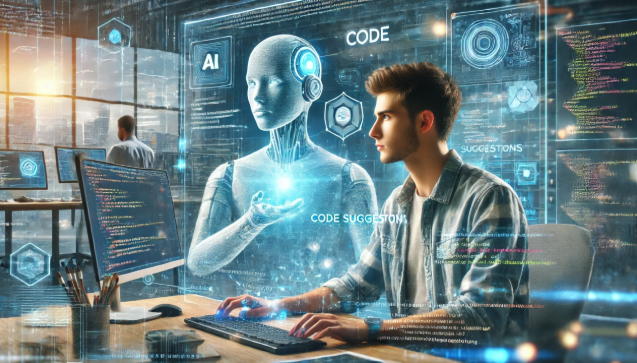
Introduction to Artificial Intelligence in Software Engineering
Artificial Intelligence (AI) is becoming increasingly pivotal in shaping the future landscape of software engineering. Traditionally, software engineering has relied upon the meticulous alignment of coding practices and careful project management. However, with the advent of AI technologies, the dynamics of software development are shifting significantly. AI tools and algorithms are now being integrated into various stages of the software development lifecycle, automating routine tasks, enhancing code quality, and optimizing project outcomes.
At its core, AI encompasses a variety of technologies, including machine learning, natural language processing, and neural networks, all geared towards enabling machines to replicate or simulate human-like intelligence. This transformative power of AI is prominently reflected in areas such as coding assistance, debugging, predictive analytics, and user experience personalization. For instance, AI-driven platforms can analyze massive codebases to detect bugs and suggest optimizations, thereby greatly reducing the manual effort traditionally associated with these tasks.
The integration of AI into software engineering not only streamlines processes but also fosters an environment conducive to innovation. Engineers are now empowered to focus on higher-level design and architectural decisions rather than getting bogged down by repetitive coding tasks. This shift is leading to an evolution in the skill sets required for software engineers. Professionals are now expected to be proficient not only in programming languages but also in understanding AI frameworks and their applications within the development ecosystem.
Moreover, as AI continues to advance, the demand for software engineers equipped with AI-related skills is surging. The current job market reflects a notable trend where employers prioritize candidates familiar with AI technologies. Consequently, software engineers must adapt to these technological advancements to remain competitive and relevant in their careers.
Current AI Tools and Technologies in Software Engineering
The landscape of software engineering is undergoing a transformative shift due to the integration of artificial intelligence (AI) tools and technologies. These innovations not only enhance the efficiency and effectiveness of software development but also facilitate the creation of more robust applications. Among the various AI-driven platforms that have gained traction, machine learning frameworks such as TensorFlow and PyTorch stand out. These frameworks offer intuitive APIs that allow developers to build complex models that can learn from data, hence improving the decision-making processes in software applications.
In addition to machine learning frameworks, natural language processing (NLP) tools are becoming increasingly significant in the engineering domain. Libraries like spaCy and NLTK enable developers to integrate linguistic capabilities into their applications, allowing for enhanced user interaction through chatbots and automated text analysis. These tools illustrate how AI can be employed to create more user-friendly software solutions, ultimately improving user experience.
Furthermore, AI-driven code completion tools, such as GitHub Copilot and TabNine, are revolutionizing how developers write and refine code. By leveraging AI algorithms to suggest code snippets, these tools reduce the time spent on tedious tasks while minimizing the risk of errors. They analyze common coding patterns and recommend solutions, fostering a more efficient development process.
As we continue to explore the current trends, attention should also be given to platforms that offer integrated development environments (IDEs) with embedded AI features. Tools like Microsoft Visual Studio and JetBrains IntelliJ IDEA incorporate AI capabilities designed to assist developers in debugging, testing, and even optimizing their code, thereby streamlining the software development lifecycle.
The Impact of AI on Software Development Processes
Artificial Intelligence (AI) is fundamentally reshaping the landscape of software development processes. By leveraging advanced algorithms and machine learning capabilities, AI enhances traditional methodologies, making them more efficient and capable of meeting modern demands. One of the primary ways AI influences software engineering practices is through automation. Repetitive tasks, such as code generation and deployment, can now be handled by AI-driven tools, freeing developers to focus on more complex and critical areas of the project.
In addition to automation, AI significantly improves the testing and debugging stages of software development. Automated testing tools powered by AI can execute tests more rapidly and accurately than manual testing methods. These tools analyze application behavior in real time, identifying potential bugs and vulnerabilities early in the development cycle. This proactive approach not only enhances software quality but also reduces the time spent on troubleshooting, which can often slow down project timelines.
The integration of AI-driven analytics into software engineering also leads to improved decision-making processes. By analyzing past projects and outcomes, AI can provide insights into the most effective development strategies, facilitating better planning and resource allocation. Furthermore, AI technologies can predict project risks by analyzing data patterns, enabling teams to implement preventative measures before issues arise.
Accelerating delivery timelines is another significant advantage of AI in software development. With the rise of DevOps practices, AI tools can optimize the software delivery pipeline by automating integration and deployment processes. This can lead to faster iterations and quicker time-to-market, which are crucial in a competitive industry where agility is paramount.
The Future of Work: AI and Software Engineer Roles
The rapid evolution of artificial intelligence (AI) is poised to significantly alter the landscape of software engineering careers. As AI technology becomes increasingly integrated into the software development process, the roles and responsibilities of software engineers are expected to evolve in substantial ways. Traditional job titles may no longer encapsulate the range of tasks that engineers may undertake; instead, new roles focusing on AI specialization are likely to emerge.
A prominent trend in this shifting paradigm is the requirement for software engineers to acquire new skill sets that encompass AI-related technologies. Proficiency in machine learning frameworks, such as TensorFlow or PyTorch, will become essential. Familiarity with data analytics and the ability to work with large datasets will also be pivotal. Software engineers will increasingly need to understand algorithms that drive AI systems, thus fostering a greater intersection between software development and data science.
Moreover, software engineers may find opportunities to specialize in fields that leverage AI, such as natural language processing, computer vision, and robotics. As companies invest more heavily in AI capabilities, engineers with expertise in these areas will be highly sought after. This shift is not just about enhancing existing skill sets but also about adapting to a workplace that emphasizes innovation and agility, where continuous learning becomes a fundamental aspect of a software engineer’s career trajectory.
In summary, the rise of AI is redefining the roles of software engineers, necessitating an evolution in job titles and a reorientation of skill sets. With AI specialization offering new career paths, it is essential for professionals in the field to stay informed of these developments to thrive in the future workforce.
Essential Skills for Future Software Engineers in an AI-Driven World
The landscape of software engineering is undergoing a remarkable transformation, significantly driven by advancements in artificial intelligence (AI). For aspiring software engineers to thrive in this evolving job market, it is crucial to develop a range of essential skills that encompass both technical and soft skill sets.
Technical proficiency in areas such as machine learning, data analysis, and familiarity with AI frameworks is paramount. Mastering machine learning allows software engineers to create intelligent systems capable of adapting and improving from experience. Knowledge in data analysis is essential as it enables professionals to interpret large datasets, a task that is increasingly necessary in an AI-centric environment. Furthermore, understanding AI frameworks, such as TensorFlow or PyTorch, provides engineers with the tools needed to implement AI models effectively and efficiently.
Additionally, proficiency in programming languages commonly used in AI development, such as Python and R, is beneficial for software engineers looking to implement machine learning algorithms and build AI-driven solutions.
In tandem with these technical abilities, soft skills also play a critical role in the effectiveness of software engineers in an AI-driven world. Adaptability is one of the most important traits, as the continual advancements in technology require engineers to be open to learning and evolving their skill sets. Critical thinking and problem-solving skills are equally vital, as they allow software engineers to analyze complex challenges and develop innovative solutions in a fast-paced environment.
Moreover, effective communication skills support collaboration within interdisciplinary teams, enabling software engineers to articulate technical concepts to stakeholders from non-technical backgrounds. As AI becomes a cornerstone in software development, the combination of these essential skills will undoubtedly empower aspiring engineers to succeed and innovate in their careers.
Challenges Faced by Software Engineers in Adopting AI
The integration of artificial intelligence into software engineering practices presents various challenges that engineers must navigate. One significant hurdle is the digital skills gap. As AI technologies evolve rapidly, many engineers find themselves unprepared to utilize advanced AI tools effectively. This gap can hinder not only individual performance but also the overall productivity of teams that lack necessary expertise in machine learning and data analytics. Continuous learning and upskilling become essential to fill this void.
Another challenge is the inherent resistance to change that can occur within organizations. Software engineers, accustomed to conventional development processes, may feel uncomfortable with implementing AI-driven methods. This resistance can stem from fear of the unknown, lack of familiarity with AI systems, or concerns over job displacement. Overcoming this reluctance requires robust change management strategies that encourage adaptation and highlight the benefits of AI in software development.
Ethical concerns also present a significant challenge in the adoption of AI within software engineering. Engineers must confront the implications of biased algorithms, data privacy, and the transparent functioning of AI systems. As AI continues to shape software outcomes, addressing these ethical dimensions becomes increasingly vital. Engineers are required to actively engage in discussions about AI ethics and develop guidelines that promote responsible use of technology.
Lastly, the implications of AI on job security cannot be overlooked. While AI can streamline processes and enhance efficiency, it also raises questions about potential job losses. Engineers must grapple with the reality that the nature of software engineering roles may shift, making adaptability vital. Emphasizing collaborative approaches that leverage both human and AI capabilities will be crucial to mitigating risks associated with job displacement.
AI’s Role in Enhancing Collaboration in Software Engineering Teams
As software engineering teams increasingly rely on collaborative efforts to achieve their objectives, the integration of Artificial Intelligence (AI) tools has emerged as a transformative force in this domain. AI-based project management tools are at the forefront of this transformation, enabling teams to plan, track, and optimize their workflows more efficiently. By utilizing predictive analytics, these tools can forecast project timelines, resource allocation, and potential bottlenecks, thus facilitating proactive decision-making and allowing teams to focus on high-value tasks.
Another significant avenue through which AI enhances collaboration is via code-sharing platforms. These platforms leverage machine learning algorithms to analyze code repositories and provide developers with insights on best practices, potential errors, and real-time suggestions for code improvements. As a result, teams can collaborate on code with added confidence, ensuring that collective programming efforts yield high-quality outcomes. Moreover, these smart platforms can enable seamless integration across different codebases, making it easier for team members, often working remotely, to merge and share their contributions effectively.
In addition, virtual assistants powered by AI are becoming an integral part of software development teams. These assistants automate routine tasks, such as scheduling meetings or managing documentation, allowing team members to dedicate their time to more critical aspects of the project. Furthermore, they can facilitate communication by summarizing discussions, tracking action items, and providing reminders, thus minimizing the chances of miscommunication within teams. This capability to enhance communication further solidifies the role of AI as an invaluable asset in fostering a collaborative work environment.
Predictions for AI in Software Engineering Careers
The integration of artificial intelligence (AI) into software engineering is anticipated to significantly transform the landscape of this field over the next decade. Various industry experts predict that AI will not only enhance productivity but also redefine career roles within software development. As AI algorithms become increasingly sophisticated, software engineers will likely transition from traditional coding tasks to more strategic positions that require higher-level thinking and design skills.
One notable trend is the emergence of AI-driven development environments that can automate repetitive coding tasks. This could lead to a shift in job opportunities, where the demand for programmers focused solely on writing code may decrease. Instead, there will be an increased need for professionals who can interface with AI systems, oversee their functionality, and ensure the integration of intelligent solutions into applications. Consequently, software engineers may find themselves stepping into roles such as AI specialists, data analysts, and systems architects.
Moreover, the growth of AI applications across various sectors is expected to create numerous job opportunities. Fields such as finance, healthcare, and entertainment are increasingly relying on AI to optimize processes and enhance user experiences. As a result, software engineers equipped with AI expertise and machine-learning knowledge will be in high demand. Educational institutions and training programs are already adapting curricula to equip future engineers with the necessary skills to thrive in this evolving landscape.
As the industry embraces AI technology, collaboration between human expertise and machine intelligence will become increasingly crucial. Software engineers will need to develop complementary skills, such as critical thinking and problem-solving, to effectively work alongside AI systems. In summary, the forthcoming decade promises significant changes in the software engineering domain, where AI will play a pivotal role in shaping career trajectories, industry demands, and job opportunities.
Conclusion: Preparing for an AI-Driven Future in Software Engineering
As the landscape of software engineering evolves rapidly due to advancements in artificial intelligence (AI), it becomes imperative for professionals in the field to proactively adapt to these changes. The integration of AI technologies is not merely a fleeting trend; it is reshaping software development methodologies, enhancing productivity, and redefining the very skills required for future software engineering careers. To remain competitive in this AI-driven environment, engineers must embrace a mindset of continuous learning and skill enhancement.
The key takeaways from this discussion emphasize the importance of understanding AI fundamentals, enhancing technical skills, and ensuring adaptability. AI tools can assist software engineers in streamlining coding processes, automating repetitive tasks, and improving debugging techniques, thereby enriching the overall software development lifecycle. However, this requires engineers to stay abreast of AI innovations and to integrate these technologies into their workflows effectively.
Furthermore, it is essential for professionals to engage in lifelong learning. With the rapid emergence of AI applications, engaging in workshops, online courses, and training sessions can significantly bolster technical proficiency and ensure software engineers remain relevant. Collaborative learning environments, such as tech communities or study groups, can also be instrumental in fostering knowledge sharing and networking opportunities that keep engineers informed about the latest trends and tools.
In conclusion, maintaining relevance in the field of software engineering amidst an AI transformation will require both an active engagement with new technologies and a commitment to personal development. By prioritizing education and embracing change, software engineers can harness the full potential of AI and position themselves for success in their careers.