


Understanding Cloud Storage and Its Importance
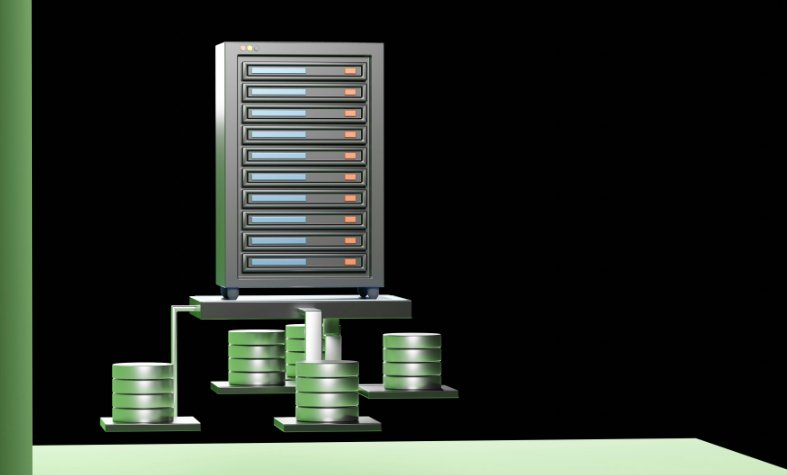
Cloud storage refers to the practice of storing data on remote servers accessed via the internet, rather than on local hardware. This innovative solution allows users to save files and access them from any location and device, provided they have internet connectivity. As individuals and businesses generate ever-increasing amounts of data, cloud storage has emerged as a vital resource, offering substantial advantages over traditional physical storage methods.
One of the primary benefits of cloud storage is its convenience. Users can effortlessly upload, download, and share files, eliminating the need for physical media like external hard drives and USB flash drives. With cloud storage, users can also synchronize their files across multiple devices, ensuring that they have the most up-to-date information at their fingertips.
Accessibility is another critical aspect of cloud storage. Users can access their data from virtually anywhere, whether they are at home, in the office, or traveling. This flexibility is particularly advantageous for businesses that rely increasingly on remote work and collaboration. With the right cloud storage solution, teams can work together in real-time, regardless of their geographical location.
Moreover, scalability is a significant feature that differentiates cloud storage from traditional solutions. Businesses can easily increase or decrease their storage capacity based on their evolving needs without the need for upfront investments in hardware. This resource-efficient model allows organizations to adapt to changing demands quickly and effectively.
In summary, cloud storage plays an essential role in modern data management, providing a secure, accessible, and scalable solution for both individuals and businesses. As technology continues to advance, the relevance and importance of cloud storage are likely to grow, making it a cornerstone of effective data management strategies.
Common Security Risks Associated with Cloud Storage
As cloud storage solutions become increasingly prevalent for both personal and business data management, understanding the common security risks associated with this technology is essential. One of the most pressing concerns is the threat of data breaches. This occurs when unauthorized individuals gain access to sensitive information stored in the cloud. For example, a notable case involved hackers breaching the servers of a major cloud storage provider, compromising personal information of millions of users. Such incidents not only jeopardize individual privacy but can also lead to significant financial losses for businesses.
Moreover, unauthorized access remains a significant risk, often resulting from weak passwords or ineffective authentication methods. Attackers utilize various techniques, such as phishing, to exploit vulnerabilities in access protocols. Consequently, organizations must implement stringent authentication measures, including two-factor authentication, to mitigate these risks. A recent study revealed that nearly 85% of data breaches were linked to compromised credentials, further emphasizing the need for vigilance.
Data loss is another critical concern associated with cloud storage solutions. This may occur due to various factors, including accidental deletion, malicious attacks, or system failures. For instance, a high-profile outage at a leading cloud provider resulted in temporary data inaccessibility for numerous clients, highlighting the importance of having robust backup solutions. Additionally, there is the issue of compliance with regulations such as GDPR and HIPAA, which mandate strict handling of data. Failure to comply with these regulations can lead to legal repercussions and, ultimately, loss of customer trust.
In summary, recognizing and addressing these common security risks in cloud storage is vital for safeguarding both personal and business data. Awareness of potential vulnerabilities, coupled with the implementation of comprehensive security measures, can significantly enhance the protection of sensitive information stored in the cloud.
Key Features of Effective Cloud Storage Security Solutions
As digital landscapes evolve, an effective cloud storage security solution must encompass several key features to safeguard both personal and business data. One of the foundational elements is encryption. This process transforms data into a coded format, making it incomprehensible to unauthorized users. Effective cloud storage services typically employ strong encryption protocols, such as AES (Advanced Encryption Standard) 256-bit encryption, both during the transition of data and while it rests on the cloud servers. This dual-layer of protection significantly mitigates the risk of data breaches.
Another critical feature is access controls. Implementing robust access controls ensures that only authorized users can access sensitive information. These controls often include role-based access controls (RBAC) and permissions management, allowing administrators to finely tune who can view or manipulate data. This approach helps prevent unauthorized access, further securing data integrity.
Audit trails are also essential in cloud storage security solutions. These logs track user activities and data access attempts within the system. By maintaining detailed records, organizations can quickly identify unusual access patterns or potential security incidents. Such transparency fosters accountability and allows for prompt responses to any security threats.
Lastly, the inclusion of multi-factor authentication (MFA) is increasingly vital in modern cloud security strategies. MFA requires users to provide two or more verification factors before accessing their accounts, thereby reinforcing security. This additional layer diminishes the likelihood of unauthorized access, particularly in cases where user credentials may be compromised.
In summary, an effective cloud storage security solution must incorporate strong encryption methods, rigid access controls, thorough audit trails, and multi-factor authentication to robustly protect data from unauthorized access and potential breaches.
Top Cloud Security Solutions for Personal Users
In the age of digital transformation, individuals are increasingly relying on cloud storage solutions to store personal data securely. However, this reliance raises significant concerns regarding data protection and privacy. Here, we explore several cloud security solutions tailored for personal users, highlighting their usability, affordability, features, and overall effectiveness.
One of the leading cloud security solutions for individuals is pCloud. This service stands out due to its user-friendly interface and robust encryption methods, providing users with strong file protection both during transfer and at rest. pCloud also offers an affordable pricing model, with lifetime plans available, giving users access to 10GB of free storage and strong data security without ongoing fees.
Another noteworthy solution is Sync.com. This cloud storage service places a significant emphasis on security, featuring end-to-end encryption and a zero-knowledge policy, which ensures that only users can access their files. Sync.com is also extremely user-friendly, making it an excellent choice for those who may not be tech-savvy. However, this high level of security comes with slightly higher pricing, although many users find the cost justified compared to other services.
Google Drive is a popular option among personal users, especially due to its integration with the entire Google Workspace suite. Although it provides basic security measures, users can enhance their file protection through two-factor authentication. The service is economically accessible, offering 15GB of free storage, albeit users should remain aware of potential privacy issues associated with data collection practices.
Finally, Tresorit deserves mention, particularly for users prioritizing security. Tresorit employs end-to-end encryption and is designed to meet stringent compliance standards. While its pricing is higher than other solutions, the comprehensive security features provided may appeal to those with sensitive personal data.
In conclusion, selecting the appropriate cloud security solution depends on individual needs, preferences, and budget constraints. The key takeaway for personal users is to prioritize a balance between affordability, ease of use, and robust data protection features to ensure their files remain secure in the cloud.
Comprehensive Security Solutions for Businesses
In today’s digital landscape, businesses increasingly rely on cloud storage to manage and store their critical data. However, with the growing prevalence of cyber threats, it is imperative for organizations to adopt comprehensive security solutions that not only protect their sensitive information but also ensure compliance with various regulatory standards. Advanced security protocols play a crucial role in safeguarding business data in the cloud.
One of the most effective strategies for protecting cloud-based assets is the implementation of robust encryption methods. By encrypting data at rest and in transit, businesses can significantly reduce the risk of unauthorized access. Furthermore, comprehensive security solutions often include multi-factor authentication (MFA) mechanisms, adding an extra layer of protection when accessing cloud services. This measure is essential for verifying user identities and mitigating the chances of data breaches.
Moreover, businesses must consider compliance with data protection regulations such as GDPR, HIPAA, and CCPA. Security solutions designed for these purposes typically incorporate regular auditing and reporting tools, ensuring that organizations adhere to mandated practices while keeping sensitive information secured. Compliance management features enable businesses to maintain transparency and foster trust with clients and partners.
Additionally, employing a continuous monitoring system allows organizations to detect and respond to threats in real-time. By utilizing cloud security tools that incorporate artificial intelligence algorithms, businesses can enhance their threat detection capabilities, leading to quicker responses when unusual activities are identified.
Lastly, leveraging comprehensive security solutions often involves a layered security approach, which includes proactive risk assessment and vulnerability management. This holistic strategy ensures businesses not only protect their data assets efficiently but also remain resilient against evolving cyber threats. By putting these measures in place, enterprises can confidently utilize cloud storage while safeguarding their vital information.
Best Practices for Secure Cloud Storage Use
Ensuring the security of data stored in cloud services is of paramount importance, whether for individual users or businesses. Adopting best practices not only safeguards sensitive information but also enhances overall data integrity. One fundamental practice is the creation of strong, unique passwords. Passwords should include a combination of upper and lower case letters, numbers, and special characters, and should be at least 12 characters long. Regularly changing passwords further bolsters security.
Another essential measure is enabling two-factor authentication (2FA). This additional layer of security requires users to provide two forms of identification before accessing their accounts, adding a significant barrier against unauthorized access. Many cloud storage providers offer 2FA as an option, and it is highly recommended to activate this feature to protect both personal and business data.
Regularly updating software can help address vulnerabilities that could be exploited by cybercriminals. Software updates often include patches for known security flaws, so both users and organizations should ensure that their cloud storage applications and devices are running the latest versions. This practice minimizes the risk of unauthorized access to stored data.
Furthermore, vigilance against phishing attacks is crucial. Users should be educated on how to identify phishing emails and messages that impersonate legitimate services. This often includes scrutinizing email addresses for discrepancies, avoiding clicking on suspicious links, and verifying requests for personal information through official channels.
By implementing these best practices, individuals and businesses can significantly enhance the security of their cloud storage solutions, thereby protecting crucial data from potential breaches and cyber threats.
Evaluating and Choosing the Right Cloud Storage Provider
When selecting a cloud storage provider, it is essential to consider several factors to ensure both personal and business data remain secure. One of the primary considerations is the provider’s security policies. A robust security framework that includes encryption methods, access controls, and authentication processes is crucial. Review how the provider secures data both in transit and at rest to ensure your sensitive information is adequately protected.
Another significant factor is the provider’s compliance with regulations such as GDPR and HIPAA, especially if your business handles sensitive personal information or health records. Compliance verifies that the provider meets necessary legal and ethical standards for data protection, thus minimizing risks associated with data breaches. It is advisable to ask the provider for documentation proving their compliance levels.
Furthermore, consider the data recovery options the provider offers. Reliable backup systems and recovery protocols are essential in case of data loss due to technical failures or cyberattacks. Investigating their disaster recovery plans and the redundancy of their data storage can provide you with insights into their reliability and commitment to data preservation.
Lastly, the level of customer support provided is another critical aspect. Continuous support can be a decisive factor when issues arise or if you require assistance with complex functionalities. Evaluate their support channels, including live chat, email, and phone support, and assess their response times. Customer feedback regarding support services can also inform your decision.
In conclusion, careful evaluation of these elements will guide you in choosing a cloud storage provider that aligns with your security requirements and business needs, ultimately enhancing the protection of your valuable data.
Future Trends in Cloud Storage Security
The rapid evolution of cloud storage has necessitated significant advancements in security measures designed to protect sensitive data. One of the most prominent trends is the integration of artificial intelligence (AI) into security protocols. AI-driven security solutions are becoming increasingly sophisticated, employing machine learning algorithms to detect anomalies and potential threats proactively. These systems can analyze vast amounts of data more quickly and accurately than human oversight, thereby enhancing the overall security posture of cloud storage environments.
Another significant trend is the development of end-to-end encryption technologies. This method ensures that data is encrypted on the client side before being transferred to the cloud, rendering it unreadable to unauthorized users. As privacy and compliance regulations continue to evolve, the demand for strong encryption solutions will likely increase, further solidifying their importance in cloud security strategies.
The adoption of a zero-trust security model is also gaining traction across organizations utilizing cloud storage. This approach operates on the principle that no user, device, or application should be trusted by default, regardless of whether they are inside or outside the network perimeter. By continuously verifying identities and assessing risk, organizations can significantly minimize vulnerabilities and enhance protection against evolving cyber threats.
Furthermore, the rising awareness of cybersecurity threats has led to an increase in collaboration between cloud service providers and enterprises to ensure robust security measures. This collaboration often involves sharing best practices, threat intelligence, and incident response plans, creating a more resilient security framework.
As we move into the future, businesses and individuals must stay informed about these emerging trends in cloud storage security. By embracing innovations such as AI, enhanced encryption, and zero-trust models, stakeholders can better protect their data assets and ensure comprehensive security in an increasingly complex digital landscape.
Conclusion: The Evolving Landscape of Cloud Storage Security
As the reliance on cloud storage solutions continues to grow, so too does the importance of implementing robust security measures for both personal and business data. The cloud has become an integral part of everyday operations, providing unparalleled convenience and accessibility. However, this convenience often comes at the cost of vulnerability, as cyber threats become increasingly sophisticated. Thus, investing in effective cloud storage security solutions is no longer optional; it is a necessity.
Organizations and individuals alike must stay vigilant against the evolving landscape of cyber threats. This requires not only the adoption of advanced security protocols, such as encryption and access controls, but also a commitment to continuous learning. The realm of cloud security is dynamic, with new challenges emerging regularly. Staying informed about the latest developments in security technology and threat intelligence is crucial for safeguarding valuable data.
Furthermore, aligning security efforts with compliance requirements is essential for businesses, particularly those handling sensitive information. Regulatory frameworks often dictate security standards, making it imperative for organizations to keep their cloud security measures up to date. This proactive approach not only protects data but also enhances customer trust and confidence.
In conclusion, as we navigate an increasingly digital age, resilience in cloud storage security is paramount for protecting both personal and business data. By prioritizing security investments and fostering a culture of security awareness, stakeholders can better adapt to the rapid technological advancements and emerging threats that characterize the modern digital landscape.