


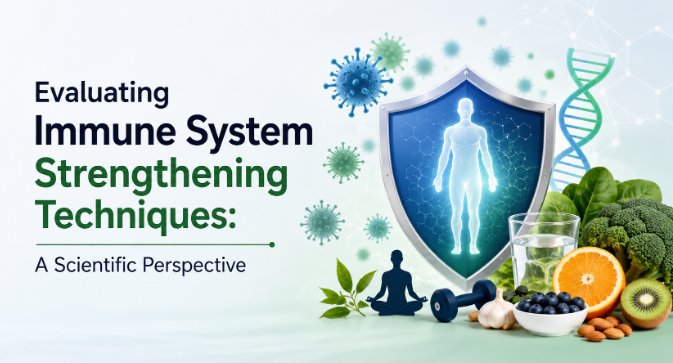
Introduction to the Immune System
The immune system serves as a complex network of cells, tissues, and organs that work cohesively to defend the body against harmful pathogens, including bacteria, viruses, fungi, and parasites. This intricate biological system is essential for maintaining health and preventing diseases. The immune system can be broadly categorized into two major branches: innate immunity and adaptive immunity.
Innate immunity acts as the body’s first line of defense. This component comprises physical barriers, such as the skin and mucous membranes, as well as various immune cells, including macrophages and natural killer cells. These elements respond rapidly to potential threats, providing a quick, albeit nonspecific, response to infections. For example, when pathogens breach the skin barrier, innate immune cells initiate inflammatory responses, working to eliminate these invaders before the adaptive immune system is activated.
On the other hand, the adaptive immune system develops a more targeted response to specific pathogens. This system relies on the activation of lymphocytes, primarily B cells and T cells. B cells are responsible for producing antibodies, which can neutralize pathogens and mark them for destruction. T cells, including helper and cytotoxic T cells, play critical roles in coordinating the immune response and directly killing infected cells. The adaptive immune response is characterized by its ability to remember past infections, allowing for a faster and more effective response upon subsequent exposures to the same pathogen.
Through the harmonious function of both innate and adaptive immunity, the immune system maintains homeostasis and protects the body from a variety of diseases. Understanding the mechanisms and components of the immune system is crucial for evaluating various techniques aimed at strengthening immune responses and improving overall health.
Importance of Strengthening the Immune System
Strengthening the immune system is a critical aspect of maintaining overall health and well-being. The immune system acts as the body’s defense mechanism against pathogens, including viruses, bacteria, and other harmful entities. A robust immune system can effectively identify and neutralize these threats, thereby minimizing the risk of infections and diseases. In contrast, factors such as stress, poor nutrition, and lack of exercise can compromise immune function, leading to increased susceptibility to illness.
Stress, for instance, has been shown to significantly weaken the immune response. Chronic stress can lead to hormonal imbalances, which may hinder the production of immune cells and antibodies essential for fighting off infections. Thus, managing stress through relaxation techniques, adequate sleep, and healthy coping mechanisms is vital for sustaining a strong immune system.
Moreover, nutrition plays a fundamental role in immune health. A diet lacking in essential vitamins and minerals can impair immune function. Nutrients such as vitamins C and D, zinc, and antioxidants are crucial for the production and function of immune cells. Adopting a balanced diet rich in fruits, vegetables, whole grains, and lean proteins can provide the necessary nutrients to bolster the immune system.
Physical activity is another key factor influencing immunity. Regular exercise has been associated with improved immune function, as it promotes healthy circulation and supports the overall efficiency of the immune system. Engaging in moderate physical activity can stimulate the immune response and help reduce inflammation, contributing to long-term health benefits.
In summary, strengthening the immune system is essential for protecting the body against pathogens and enhancing overall health. By addressing factors that impair immune function, such as stress, poor nutrition, and lack of exercise, individuals can cultivate a robust immune system capable of providing effective defenses against various illnesses.
Common Techniques for Immune System Strengthening
Strengthening the immune system is a common goal among individuals looking to enhance their overall health and wellness. Various techniques have emerged, each claiming to bolster the body’s defense mechanisms against infections and diseases. These techniques generally encompass dietary changes, physical exercise, supplementation, herbal remedies, and lifestyle modifications.
One well-documented approach to enhancing immune system function is through dietary changes. A balanced diet rich in fruits, vegetables, whole grains, and lean proteins provides essential nutrients, such as vitamins A, C, D, and E, along with minerals like zinc and selenium. These elements play significant roles in maintaining the integrity and efficiency of the immune system.
Physical exercise is another recognized method for promoting immune health. Regular moderate exercise has been linked to improved immune responses, as it can help reduce inflammation and support optimal circulation of immune cells throughout the body. Importantly, exercise may also enhance mood and reduce stress, both of which are factors that positively influence immune function.
Another prevalent technique includes the use of dietary supplements, such as vitamin C, vitamin D, and probiotics. These supplements are often marketed as immune boosters. Probiotics, in particular, contribute to a healthy gut microbiome, which is increasingly understood to play a vital role in immune health. Herbal remedies, such as elderberry and echinacea, are also popular among those seeking to strengthen their immune systems, although scientific evidence regarding their efficacy can be varied.
Lastly, lifestyle modifications cannot be overlooked. Adequate sleep, stress management techniques, and avoiding harmful behaviors (such as smoking and excessive alcohol consumption) are paramount for maintaining optimal immune function. Each of these techniques contributes in unique ways to fostering a resilient immune system, opening avenues for further investigation into their scientific bases and effectiveness.
Scientific Evidence Supporting Immune Strengthening Techniques
The immune system is a complex network of cells, tissues, and organs that work together to defend against pathogens. A number of studies have investigated various techniques purported to strengthen immune function. This section analyzes influential research and clinical trials that provide scientific insight into these techniques.
One area of focus is nutrition, as a balanced diet has been shown to have profound effects on immune health. A study published in the American Journal of Clinical Nutrition highlighted the role of micronutrients, such as vitamins A, C, D, and E, and minerals like zinc and selenium. These found nutrients promote the proliferation and activity of immune cells, thus enhancing the body’s ability to fend off infections.
Another critical examination involves physical activity. Research conducted by the Journal of Sport and Health Science observed that moderate exercise led to improvements in immune markers, including immunoglobulin levels and overall white blood cell profiles. It appears that regular, moderate exercise can promote circulation and may reduce inflammation, thereby potentially increasing the efficacy of the immune response.
Furthermore, techniques such as mindfulness and meditation are gaining attention for their psychological benefits and their connection to immune function. A meta-analysis in the Psychosomatic Medicine journal reported that mindfulness-based practices can lead to reductions in pro-inflammatory cytokines, promoting a more balanced immune reaction. This suggests a possible link between mental health and immune strength.
Lastly, the science surrounding vaccines exemplifies a powerful technique for immune strengthening. Numerous clinical trials have validated that vaccines induce long-lasting immune memory, thus preparing the body to respond effectively to specific pathogens upon exposure. The efficacy of vaccines is well documented, establishing them as a cornerstone of public health and immune enhancement.
Case Studies: Real-World Applications
The application of immune system strengthening techniques extends beyond laboratory research, with several case studies demonstrating their effectiveness in real-life scenarios. A notable example is the community health initiative in rural Brazil, where a comprehensive education program on nutrition and lifestyle changes significantly improved the immune capacity of participants. This initiative involved tailored workshops focusing on the intake of essential vitamins, minerals, and antioxidants from local foods. Over 12 months, blood tests revealed an increase in immune markers such as immunoglobulin levels, indicating enhanced immune response.
Another compelling case can be found in urban settings, where a group of healthcare professionals implemented a pilot program promoting regular physical activity among office workers. The initiative encouraged employees to engage in at least 150 minutes of moderate aerobic exercise weekly, alongside mindfulness practices. Over six months, participants showed an increase in their overall well-being. Surveys conducted post-program indicated a significant reduction in stress levels, linked to improved immune system function as evidenced by decreased incidence of illness during the cold and flu season.
Furthermore, a longitudinal study involving elderly participants in a retirement community illustrated the importance of social interactions and mental health in strengthening the immune system. The community initiated a “social wellness” program to promote regular bonding activities among residents. After one year, participants reported higher satisfaction levels and greater resilience against infections compared to a control group with limited social engagement. These findings align with recent research suggesting that social well-being plays a crucial role in enhancing immune responses in older adults.
These cases underscore the practicality of immune strengthening techniques, illustrating how scientific research can be effectively translated into everyday practices. By understanding and applying these methods, both individuals and communities have significantly bolstered their immune health outcomes.
Critiques and Controversies in Immune System Research
In recent years, the pursuit of methods to enhance immune system functions has garnered significant attention. However, several critiques have arisen, questioning the validity and efficacy of various immune-boosting practices. One major area of concern is the quality of evidence supporting these techniques. Many studies, particularly those promoted in popular health literature, lack rigorous scientific methodology, such as randomized controlled trials. This raises the issue of whether anecdotal experiences should hold as much weight as scientifically validated findings.
Moreover, the immune system is complex and multifaceted, evolving through numerous interactions with both environmental factors and pathogens. Practices often deemed as “immune-boosting” can oversimplify this intricate network. For instance, while some nutrients and lifestyle habits are essential for maintaining a robust immune response, the notion that any specific supplement or technique can drastically enhance immunity is often misrepresentative. Research indicates that, rather than boosting immune responses uniformly, these methods may only support certain functions under specific conditions.
Additionally, the immune system’s ability to adapt poses challenges in evaluating the effectiveness of various techniques. As the immune response varies from one individual to another, the benefits experienced by one person may not translate to others. This highlights the necessity of personalized strategies, as generalizations can lead to misconceptions about what constitutes a robust immune system. Critics emphasize the importance of skepticism and the need for threshold measures in evaluating these interventions, as a reliance on popular health trends may detract from pursuing established preventive measures, such as vaccinations and regular health screenings.
In summary, while the quest to enhance immune function is laudable, it is paramount that individuals approach this field with a critical eye, demanding transparency and rigorous evidence to support claims regarding immune system strengthening techniques.
Future Directions in Immunology Research
The field of immunology continues to advance at a rapid pace, with emerging trends and innovations that hold the potential to revolutionize our understanding of the immune system. As researchers explore various dimensions of immune functions, future studies may focus on the integration of personalized medicine in strengthening the immune response. Tailoring immune-boosting interventions based on genetic, environmental, and lifestyle factors could significantly enhance individual health outcomes.
Recent studies have highlighted the role of microbiota in modulating immune responses, suggesting that understanding the gut-immune connection may be pivotal. Future research efforts might emphasize the development of probiotic therapies and dietary interventions aimed at optimizing gut health to support a robust immune system. This could be particularly important in identifying how specific strains of bacteria influence immune function and their potential applications in preventing infections and autoimmune disorders.
Moreover, the investigation of immune senescence—the aging of immune cells—presents another compelling area for study. As populations age, the frailty of the immune system becomes a pressing concern. Research targeting rejuvenation techniques for aged immune cells or finding ways to boost the immune response in older adults could lead to improved health outcomes during the aging process. Investigating compounds or therapies that mitigate age-related immune decline could dramatically alter the landscape of preventive medicine.
Additionally, there is a growing need to explore the effects of lifestyle factors, such as exercise, sleep, and nutrition, on immune health. Future studies could systematically quantify how these factors influence long-term immune functions and their implications for chronic disease prevention. In summary, as the landscape of immunology evolves, embracing interdisciplinary approaches and innovative methodologies will be crucial for uncovering effective techniques for strengthening the immune system.
General Recommendations for Immune Health Maintenance
Maintaining a robust immune system is crucial for overall health and well-being. Based on various scientific evaluations, several key recommendations emerge that can significantly bolster immune health. Adopting daily habits that prioritize physical activity, nutrition, and adequate rest is essential in achieving an optimal immune response.
Physical activity plays an important role in the functioning of the immune system. Regular exercise can enhance circulation, allowing immune cells to move freely throughout the body. Engaging in moderate physical activities, such as walking, cycling, or swimming for at least 150 minutes per week, can prove beneficial. However, it is vital to balance exercise intensity, as overtraining may lead to a weakened immune response.
Dietary practices are also fundamental to immune health. Consuming a balanced diet rich in fruits, vegetables, whole grains, lean proteins, and healthy fats provides essential nutrients that support immune function. Vitamins A, C, D, and E, zinc, and omega-3 fatty acids are particularly significant in maintaining immune resilience. A varied diet not only strengthens the immune system but also supports gut health, an integral factor in overall immunity.
Furthermore, adequate hydration is equally critical. Water aids in the transportation of nutrients and the removal of toxins, both of which are essential for optimal immune performance. Aim to drink at least eight glasses of water daily, adjusting for activity levels and environmental conditions.
Finally, ensuring sufficient and quality sleep is vital for immune health. Research shows that sleep deprivation can negatively influence immune responses. Striving for 7-9 hours of uninterrupted sleep each night can enhance immunity and overall health. Combining these recommendations can create a robust foundation for maintaining a strong immune system.
Conclusion: The Way Forward
In reviewing various immune system strengthening techniques, it is crucial to recognize the importance of an evidence-based approach. The immune system plays a vital role in defending the body against pathogens, and while many techniques claim to enhance its function, not all are backed by rigorous scientific research. Techniques ranging from dietary changes to exercise regimens and stress management have been shown to impact immune health positively. However, it is essential for individuals to discern which methods are substantiated by credible science.
Throughout this discussion, we have examined several prominent strategies. Nutritional interventions, such as increasing the intake of antioxidants and essential vitamins, have demonstrated a significant impact on immune cell function. Similarly, regular physical activity is linked to improved immune response and overall health. Additionally, managing stress levels through mindfulness or relaxation techniques can mitigate the adverse effects of chronic stress on immune functionality.
As we navigate the numerous claims regarding practices for boosting the immune system, critical evaluation becomes paramount. By prioritizing scientifically validated strategies, individuals can avoid falling into the trap of fad diets or unproven supplements that may do more harm than good. Health professionals can play a pivotal role by providing guidance rooted in the latest research, enabling individuals to make informed decisions about their health.
Ultimately, optimizing our immune system requires a comprehensive approach that incorporates well-researched lifestyle adjustments. Emphasizing a balanced diet, consistent exercise, adequate sleep, and effective stress management are foundational elements. By adopting these scientifically supported strategies, individuals can effectively enhance their immune health, leading to improved overall well-being.