

Introduction to Psychological and Physiological Interactions
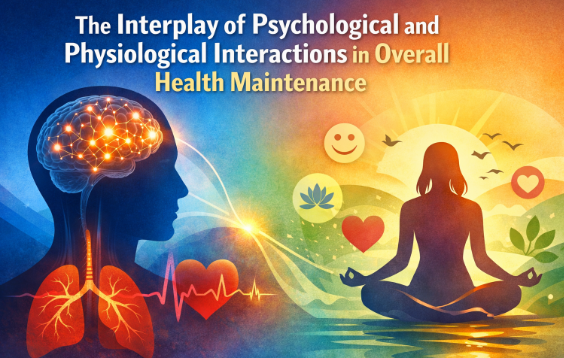
The concept of psychological and physiological interactions is critical in the realm of health maintenance, as it encompasses the intricate relationship between mental processes and bodily functions. Psychological interactions refer to the ways in which our thoughts, emotions, and behaviors influence our mental state, whereas physiological interactions pertain to the biological processes that occur within our bodies, affecting overall health. These two domains are not isolated; rather, they function in tandem, creating a complex web of influence that can significantly impact one’s wellbeing.
Understanding psychological interactions is essential to grasp how emotions and mental states can lead to physical changes in the body. For instance, chronic stress—a psychological factor—can trigger a cascade of physiological responses, such as elevated cortisol levels, increased blood pressure, and a weakened immune system. Conversely, physiological interactions can also influence psychological wellbeing. For instance, regular physical exercise can enhance mood and alleviate symptoms of anxiety and depression, showcasing how the physical state can directly affect mental health.
In the context of health maintenance, it becomes increasingly vital to consider both psychological and physiological aspects holistically. Neglecting one can lead to ineffective health strategies, as improvements in physical health may not yield desired outcomes if psychological barriers persist. Therefore, recognizing the integral role of psychological and physiological interactions helps practitioners develop more comprehensive approaches to health maintenance, incorporating strategies that target both emotional wellbeing and physical health. By fostering this dual perspective, individuals are better equipped to achieve and sustain optimal health.
The Mind-Body Connection
The intricate relationship between psychological states and physical health is often referred to as the mind-body connection. Numerous theories and research studies underscore how emotional and mental conditions can significantly influence bodily functions, illustrating a complex interplay that is crucial for overall health maintenance. One of the core tenets of this connection is the impact of stress on physical health. Stressful psychological states can trigger a cascade of physiological responses, leading to a multitude of health issues.
For example, chronic stress has been associated with various physical ailments such as hypertension, heart disease, and impaired immune function. When an individual experiences persistent stress, the body remains in a heightened state of alertness, producing hormones such as cortisol that, over time, manifest as health problems. The implications of prolonged exposure to stress highlight the importance of addressing psychological well-being to maintain physical health.
Emotions, too, play a critical role in influencing physical responses. Conditions like anxiety and depression have been linked to changes in appetite, sleep patterns, and overall health. Research has shown that people dealing with mental health issues may experience greater susceptibility to certain illnesses due to the effects of their emotional state on bodily functions, such as inflammation and hormone balance.
Furthermore, the concept of psychoneuroimmunology has emerged as a vital area of study that explores how psychological factors affect the immune system. This emerging field provides evidence that mental states, even those related to mood and emotional well-being, can significantly impact physical health outcomes. Thus, cultivating a positive mental state is crucial not only for psychological well-being but also for the maintenance of physical health.
Psychological Factors Affecting Health Maintenance
The interplay between psychological factors and health maintenance is significant and multifaceted. Various aspects of a person’s psychology can have profound effects on their overall well-being. For instance, personality traits such as conscientiousness have been linked to healthier lifestyle choices. Individuals who exhibit high levels of conscientiousness tend to be more organized, diligent, and likely to engage in proactive health behaviors. Conversely, traits such as neuroticism may correlate with adverse health outcomes, as those who experience high levels of anxiety and emotional instability may neglect health maintenance.
Mental health conditions also play a critical role in influencing health behaviors. For example, depression is known to have a debilitating effect on motivation, leading to poor dietary choices, lack of exercise, and inadequate self-care. Individuals experiencing depression may struggle to find the energy or interest to maintain their health, thus creating a cyclical pattern where poor health adversely impacts mental health, further eroding motivation. Similarly, anxiety can affect one’s ability to engage in daily activities, including exercising and adhering to prescribed health regimens, leading to a decline in physical health.
Resilience, defined as the ability to bounce back from adversity, is another essential psychological construct influencing health maintenance. Individuals with higher resilience often manage stressors more effectively, leading to better coping strategies and healthier lifestyle choices. They are more likely to seek support, adhere to treatment plans, and engage in health-promoting activities.
Additionally, lifestyle choices influenced by psychological states are crucial for sustaining health. Seeking social connections and forming supportive relationships can enhance psychological well-being and provide the necessary social support for maintaining health behaviors. Thus, it becomes evident that addressing psychological factors is pivotal for overall health management, highlighting the intricate relationship between mind and body.
Physiological Responses to Psychological Stimuli
Understanding the physiological responses elicited by psychological stimuli is crucial for grasping the relationship between mental states and overall health. These responses involve a complex interplay of biological mechanisms that can significantly impact one’s health maintenance. For instance, when an individual experiences stress or anxiety, the body triggers a fight-or-flight response, activating the hypothalamus and inducing the release of stress hormones like cortisol and adrenaline.
The presence of these hormones facilitates various physiological changes, including increased heart rate, elevated blood pressure, and heightened respiration. While these responses are designed to prepare the body for immediate physical action, chronic activation due to ongoing psychological stress can lead to detrimental effects on health. For example, prolonged elevation of cortisol is associated with numerous health issues, such as weakened immune function, increased risk of cardiovascular diseases, and the development of metabolic disorders.
Conversely, positive psychological stimuli, such as feelings of joy or contentment, can promote physiological benefits. Research has shown that laughter and happiness can lead to the release of endorphins and other neuropeptides that reduce stress and pain perception. These positive emotional states can enhance immune responses and promote cellular repair mechanisms, contributing to better health overall.
Moreover, the mind-body connection plays a pivotal role in health maintenance; practices such as mindfulness meditation have demonstrated effectiveness in regulating physiological responses. By consciously managing stress and emotional reactions, individuals can create a more favorable internal environment. This regulation not only aids in immediate stress relief but also promotes long-term health benefits, highlighting the significance of a holistic approach to health that encompasses both psychological and physiological dimensions.
The Role of Stress Management in Health
Stress is an inevitable part of life and can have profound effects on both psychological and physiological health. Effective stress management is crucial for maintaining overall health, as persistent stress can lead to a range of health problems, including cardiovascular diseases, obesity, diabetes, and mental health disorders such as anxiety and depression. Consequently, understanding and implementing techniques for stress reduction can provide significant benefits to individual health and well-being.
One prevalent method for managing stress is mindfulness, which involves focusing on the present moment and developing an awareness of one’s thoughts, feelings, and bodily sensations without judgment. Research has shown that mindfulness meditation can reduce levels of cortisol, a hormone associated with stress. Engaging in mindfulness practices can cultivate a greater sense of calm and improve emotional flexibility, ultimately enhancing one’s ability to cope with stressors.
Physical activity is another effective stress management technique. Exercise is known to release endorphins, which act as natural mood lifters. Regular physical activity not only helps to alleviate stress but also contributes to improved cardiovascular health, weight management, and enhanced overall physical fitness. Activities such as yoga and tai chi, which combine physical movement with breathing exercises, also provide physiological benefits while promoting relaxation and mental clarity.
Therapeutic interventions, such as cognitive-behavioral therapy (CBT), can also play an essential role in stress management. CBT assists individuals in identifying negative thought patterns and developing healthier coping mechanisms. By addressing both psychological and physiological aspects of stress, individuals can enhance their resilience and improve their quality of life.
Overall, integrating stress management techniques into one’s daily routine can lead to significant improvements in health. By considering the interplay between psychological and physiological responses to stress, individuals can cultivate a healthier lifestyle that fosters both mental well-being and physical vitality.
Nutrition: The Psychological Aspect
Nutrition is not only a matter of biological need but also deeply intertwined with psychological factors that significantly influence dietary choices. Understanding the relationship between psychology and nutrition can help individuals make healthier food decisions and maintain overall well-being. One common psychological phenomenon is emotional eating, where individuals consume food in response to their emotions rather than hunger. For instance, stress, anxiety, or sadness may lead to overeating or choosing unhealthy food options, which can create a cycle of poor nutritional habits.
Moreover, many people develop specific psychological associations with food throughout their lives. For example, certain foods may evoke memories of family gatherings, celebrations, or comfort during challenging times. These attachments can lead to a preference for particular dietary choices that may not align with health goals. It is important to recognize these relationships as they shape personal eating patterns; they can also contribute to issues such as binge eating or restrictive eating behaviors.
Furthermore, being aware of one’s mental state plays a critical role in nutrition. Stress, depression, and other mental health conditions can alter appetite and food preferences, leading individuals to gravitate toward high-calorie, low-nutrient foods as a means of coping. This awareness encourages individuals to develop healthier strategies to manage their emotions. For example, practicing mindful eating can promote a better understanding of hunger signals and emotional triggers, enabling individuals to respond appropriately without resorting to unhealthy eating behaviors.
The intertwining of psychology and nutrition underscores the importance of addressing mental health in dietary practices. By developing a greater understanding of one’s psychological relationship with food, individuals can cultivate healthier eating habits that enhance their overall health. This journey towards improved nutrition requires self-reflection and the commitment to change detrimental patterns that may compromise well-being.
Physical Activity and Mental Well-Being
Physical activity plays a crucial role in enhancing mental well-being, establishing a dynamic interplay between the body and mind. Numerous studies have demonstrated that regular exercise is linked to improved mood states, reduced anxiety, and lower levels of stress. Engaging in physical activity stimulates the release of endorphins, often referred to as “feel-good” hormones, which help alleviate feelings of depression and promote an overall sense of well-being. This biochemical response not only enhances happiness but also contributes to resilience against stressors in daily life.
Moreover, the psychological benefits of physical activity extend beyond the immediate mood enhancement. Regular participation in exercise can lead to increased self-esteem and improved cognitive function. Individuals who engage in routine physical activities often report feeling more accomplished and confident in their abilities, which fosters a positive self-image. Furthermore, exercise can serve as a therapeutic outlet, providing a structured means to cope with emotional challenges.
However, several psychological barriers may hinder individuals from consistently incorporating exercise into their lives. These can include a lack of motivation, perceived inability to engage in physical activities, or overwhelming feelings associated with starting a new fitness regimen. Additionally, misconceptions about the time and effort required for effective workouts may prevent people from even attempting to get started. Overcoming these barriers often requires creating a supportive environment, setting realistic goals, and understanding that even moderate levels of physical activity can yield significant mental health benefits.
Ultimately, the relationship between physical activity and mental well-being is reciprocal, as mental health influences one’s willingness to engage in exercise. Addressing the psychological aspects of lifestyle change is essential for harnessing the full potential of physical activity in improving mental health outcomes. By recognizing and mitigating barriers to exercise, individuals can enhance both their physical health and mental well-being.
Holistic Approaches to Health Maintenance
Holistic approaches to health maintenance emphasize the interconnectedness of the psychological and physiological aspects of well-being. Integrative medicine, for instance, combines conventional medical treatments with alternative therapies such as acupuncture, chiropractic care, and nutrition counseling. This philosophy promotes the idea that to facilitate healing and maintain health, one must consider both mental and physical health, recognizing that emotional states can significantly influence physiological processes.
Equally essential are wellness practices that foster balance and health through mindful living. Activities like yoga and mindfulness meditation not only support physical health through movement and relaxation but also enhance psychological resilience. These practices encourage individuals to cultivate awareness and a deeper understanding of their bodily responses, aiding in stress reduction and emotional regulation. Incorporating these methods into daily routines can contribute to an overall sense of well-being, highlighting the need for more comprehensive health strategies.
Preventive care strategies play a critical role in holistic health maintenance as well. Regular health assessments, screenings, and lifestyle modifications aimed at promoting optimal health can significantly reduce the risk of chronic diseases. Behavioral interventions, such as personalized nutrition plans and exercise regimens, address the psychological factors influencing lifestyle choices, encouraging individuals to take proactive steps towards maintaining their health. By blending these preventive strategies with psychological support and education, healthcare providers can foster a more robust framework for health maintenance.
In conclusion, a holistic approach to health maintenance involves the integration of psychological and physiological elements. By addressing both aspects, individuals can achieve a more balanced and sustained state of health, highlighting the importance of comprehensive health strategies that focus on the mind-body connection.
Conclusion: A Integrated Approach to Health
In conclusion, the interplay between psychological and physiological factors plays a crucial role in the maintenance of overall health. Throughout this blog post, we have highlighted how these two domains are not isolated but rather interconnected influences that can significantly affect one’s well-being. The psychological aspect encompasses emotional states, mental health, and behaviors, all of which can influence physiological functions such as hormone levels, immune response, and overall physical health.
Furthermore, physiological aspects including nutrition, exercise, and sleep can in turn affect psychological health, creating a continuous feedback loop that necessitates an integrated approach to health maintenance. Understanding the bidirectional relationship between mind and body can empower individuals to adopt a more holistic perspective towards their health. By recognizing that emotional well-being is as crucial as physical wellness, individuals can strive for a lifestyle that promotes balance and harmony.
Therefore, it is important for readers to consider how they can implement these insights into their own health journeys. This might involve seeking psychological support when facing emotional challenges or ensuring that physical fitness routines include practices like mindfulness or stress management techniques. Furthermore, individuals should aim to establish healthy eating habits that support both their physical health and emotional well-being. Taking the time to reflect on how psychological and physiological factors interact can lead to more effective health strategies and overall improved quality of life.