


Introduction to Autonomous Vehicles
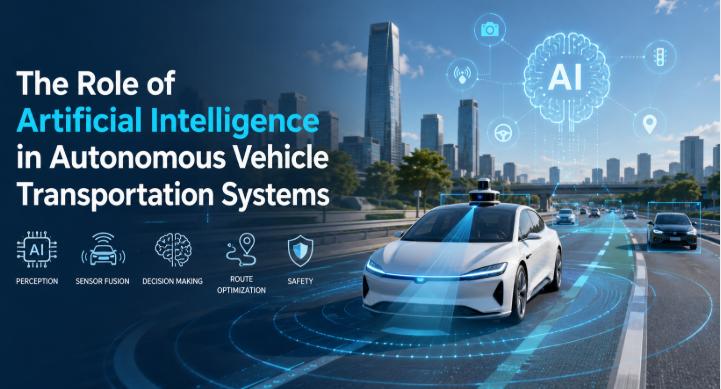
Autonomous vehicles (AVs), also known as self-driving cars, are vehicles that are capable of navigating and operating without human intervention. Utilizing a combination of advanced sensors, cameras, and artificial intelligence algorithms, these vehicles can interpret their surroundings, make decisions, and safely transport passengers from one location to another. The development of AVs represents a significant breakthrough in the transportation sector, addressing the growing demand for safe, efficient, and environmentally friendly mobility solutions.
The significance of autonomous vehicles in modern society cannot be overstated. As urban populations continue to rise, traffic congestion and road safety concerns have become pressing issues. Autonomous vehicles offer a potential remedy by optimizing traffic flow and reducing the likelihood of accidents caused by human error, which accounts for a significant majority of road incidents. Furthermore, AVs hold the promise of providing mobility for those who are unable to drive, including the elderly and disabled, thereby enhancing their independence and contributing to greater inclusivity.
Technological advancements have paved the way for the development of autonomous vehicles. Innovations in machine learning, computer vision, and robotics have enabled vehicles to interpret complex environments in real time. For instance, the integration of LIDAR (Light Detection and Ranging) technology allows these vehicles to create precise three-dimensional maps of their surroundings, while advanced sensors can detect and respond to obstacles, traffic signs, and pedestrians. Additionally, improvements in connectivity and data processing have created a robust framework for AVs to communicate with each other and with traffic infrastructure, facilitating safer and more efficient navigation.
In summary, as we explore the role of artificial intelligence in autonomous vehicle transportation systems, it becomes evident that the advancement of AVs has the potential to transform the future of mobility, addressing critical challenges within the transportation sector.
Understanding Artificial Intelligence
Artificial Intelligence (AI) refers to the discipline of computer science that focuses on creating systems capable of performing tasks that traditionally require human intelligence. These tasks include, but are not limited to, visual perception, speech recognition, decision-making, and language translation. The concept of AI encompasses various types based on capabilities and functionalities. Primarily, AI can be classified into two categories: Narrow AI and General AI.
Narrow AI, also known as weak AI, is designed to perform a specific task. This type of AI operates within a limited context and does not possess consciousness or self-awareness. Examples of narrow AI include virtual assistants like Siri and Alexa, which can process voice commands and perform information retrieval. In contrast, General AI, or strong AI, aims to replicate human intelligence across a broad range of tasks and exhibits cognitive functions comparable to those of a human being. However, as of now, General AI remains largely theoretical.
One of the key functionalities of AI lies in its ability to process vast amounts of data efficiently. In the context of autonomous vehicles (AVs), AI systems are equipped with advanced algorithms that constantly analyze data from various sensors, cameras, and external inputs. By leveraging machine learning, a subset of AI, these algorithms can recognize patterns and make predictions based on historical data. Because the transportation landscape is dynamic and ever-evolving, the real-time decision-making capability offered by AI is critical. It optimally enables AVs to navigate complex environments, respond to sudden obstacles, and adapt to changing traffic conditions.
Overall, understanding the fundamentals of artificial intelligence is paramount to appreciating its role in enhancing autonomous vehicle transportation systems. The advancements within this field not only streamline processes but also contribute significantly to the safety and efficiency of transport networks, making AI an indispensable component in the future of mobility.
AI Technologies Utilized in Autonomous Vehicles
Autonomous vehicles (AVs) are at the forefront of technological innovation, leveraging a myriad of advanced artificial intelligence (AI) technologies to enhance their operational capabilities. These technologies ensure that autonomous systems can navigate complex environments safely and efficiently. Key AI components include machine learning, computer vision, and a variety of sensors.
Machine learning plays a vital role in the development and functionality of AVs. It allows these vehicles to learn from vast amounts of data collected from diverse driving scenarios. By analyzing this data, machine learning algorithms can discern patterns and make decisions that improve the vehicle’s navigation and safety features. For instance, an AV may utilize supervised learning to identify road signs and obstacles, adapting its driving behavior in real-time based on prior experiences.
Computer vision is another fundamental technology employed in autonomous vehicles. It enables the vehicle to interpret and understand visual information from its surroundings. Utilizing advanced algorithms, computer vision processes images captured by cameras installed around the vehicle. This technology aids in detecting pedestrians, other vehicles, traffic signals, and various road conditions. By integrating this visual data, AVs can assess their environment quickly, ensuring informed decision-making to enhance the safety of both passengers and pedestrians.
Furthermore, an array of sensors, such as LIDAR, radar, and ultrasonic sensors, support the AI technologies by providing crucial data regarding the vehicle’s surroundings. These sensors work together to create a detailed, real-time map of the environment, allowing the vehicle to assess distances and detect objects that may not be visible through cameras alone. Collectively, these AI technologies are integral to the operation of autonomous vehicles, ensuring they can navigate challenging scenarios with precision and safety.
The Role of AI in Real-Time Decision Making
Artificial Intelligence (AI) plays a crucial role in facilitating real-time decision-making for autonomous vehicles, enabling them to navigate safely and efficiently in complex driving environments. At the heart of this process are advanced algorithms that analyze data collected from a multitude of sensors, including cameras, radar, and lidar. These sensors deliver a comprehensive view of the vehicle’s surroundings, allowing for the continuous assessment of dynamic factors such as road conditions, traffic patterns, and the behavior of other road users.
Real-time decision-making revolves around the AI’s ability to interpret vast amounts of data with minimal latency. For instance, when a pedestrian unexpectedly appears in the vehicle’s path, the AI must instantly process the data relating to speed, distance, and trajectory to determine the most appropriate response—whether to halt, swerve, or accelerate. This process is made possible through machine learning techniques, where the AI system is continuously learning from various driving scenarios, improving its predictive capabilities and responses over time.
Moreover, real-time decision-making is aided by the integration of the vehicle’s internal systems, such as navigation and route planning. AI uses historical data combined with real-time traffic information to optimize routes, enhancing not only safety but also travel efficiency. These algorithms can adjust routes on the fly, considering factors like temporary road closures, detours, and real-time traffic conditions. The ability to adapt to changing scenarios ensures that autonomous vehicles can maintain their performance standards under varying circumstances.
The success of autonomous vehicle transportation systems hinges on their capacity for swift, precise decision-making processes powered by AI. As technology advances, the algorithms supporting these essential functions continue to evolve, making autonomous driving a more reliable and safe mode of transportation.
Benefits of AI in Autonomous Transportation
Artificial Intelligence (AI) plays a transformative role in enhancing the safety, efficiency, and sustainability of autonomous transportation systems. One of the most significant benefits is the potential for increased safety. According to the National Highway Traffic Safety Administration, approximately 94% of serious crashes are due to human error. By integrating AI with advanced sensor technologies, autonomous vehicles can respond more effectively to dynamic road conditions and reduce the risk of accidents. Studies have shown that roads populated with autonomous vehicles experience a marked decrease in collision incidents, illustrating the effectiveness of AI in improving road safety.
Moreover, AI contributes to operational efficiency in transportation systems. Through sophisticated algorithms, AI enables vehicles to analyze traffic patterns and determine optimal routes in real-time. This capability results in decreased travel times and enhances overall system efficiency by minimizing delays. A report from the World Economic Forum indicates that AI-driven traffic management systems have the potential to improve traffic flow by up to 40%, illustrating the impact of intelligent, data-driven decision-making on transit efficiency.
Another noteworthy advantage is the reduction of traffic congestion. AI can facilitate better coordination between vehicles and traffic signals, leading to smoother traffic flow. For instance, pilot projects in cities like Los Angeles and Singapore have resulted in notable reductions in congestion, proving that AI’s predictive analytics can effectively mitigate vehicle bottlenecks and enhance road utilization.
Lastly, environmental sustainability is greatly enhanced through the use of AI in autonomous vehicles. The optimization of routes not only reduces travel times but also decreases fuel consumption and emissions. According to a study from the International Council on Clean Transportation, a transition to fully autonomous vehicles could lead to a 60% reduction in greenhouse gas emissions. Thus, AI serves not only as a catalyst for innovation but also as a critical component in paving the way towards a sustainable transportation future.
Challenges and Limitations of AI in Autonomous Vehicles
As the development of autonomous vehicles progresses, several challenges and limitations of artificial intelligence (AI) applications must be addressed to enhance their viability and safety. One of the primary challenges involves ethical considerations. The ethical decision-making framework for AI in autonomous vehicles is complex, particularly in scenarios where harm may come to pedestrians or passengers. For example, algorithms must be programmed to evaluate situations and make quick decisions that impact lives, raising profound moral questions about prioritizing safety versus protecting lives.
Technological constraints also pose significant challenges for AI implementation in autonomous vehicles. Current AI systems often struggle with interpreting ambiguous situations, such as inclement weather or unpredictable behaviors from other road users. These limitations can hinder the reliability of AI algorithms, leading to potential safety risks. Furthermore, developing robust sensor technologies that can accurately detect and recognize obstacles in various environments remains a significant challenge, aiming for a seamless driving experience.
Regulatory issues represent another critical area of concern in the realm of autonomous vehicle technology. Policymakers and regulatory authorities must create frameworks that ensure public safety while fostering innovation. Varying regulations across jurisdictions complicate matters, affecting manufacturers’ ability to operate on a global scale. Additionally, performance standards for testing and deploying autonomous vehicles have yet to be universally established, creating ambiguity for developers and consumers alike.
Beyond these challenges, public perception significantly influences the acceptance and implementation of AI in transportation. Many individuals express concerns regarding the reliability and safety of autonomous systems. As such, ongoing efforts are needed to educate the public about the potential benefits and safety measures designed into autonomous vehicles, fostering a more informed and comfortable embrace of this transformative technology.
Future Trends in AI and Autonomous Vehicles
As technology continues to advance rapidly, the integration of artificial intelligence (AI) in autonomous vehicle (AV) systems is expected to undergo significant transformations. One of the foremost trends is the enhancement of machine learning algorithms. These algorithms will allow AVs to improve their decision-making capabilities by learning from vast amounts of real-time data. With ongoing advancements in sensor technology, AVs will become more adept at comprehending their surroundings, which will enhance both safety and efficiency in transportation.
Another crucial trend is the development of V2X (Vehicle-to-Everything) communication. This technology will enable AVs to communicate with other vehicles, infrastructure, and even pedestrians, facilitating a more synchronized traffic system. By leveraging AI, V2X communication can analyze patterns in traffic flow, adjust routes dynamically, and ultimately minimize congestion, leading to improved mobility in urban environments.
Additionally, AI algorithms are anticipated to play a vital role in predictive maintenance features for AVs. By analyzing data patterns regarding vehicle performance, AI will help predict potential failures before they occur, reducing downtime and enhancing overall operational efficiency. This will not only improve the reliability of autonomous systems but also increase consumer trust in AV technology.
The future will also likely see increased collaboration between technology companies and traditional automotive manufacturers. This partnership will foster innovative solutions in areas such as cybersecurity and ethical considerations regarding AI decision-making in critical situations. As these challenges are addressed, the integration of AI in AVs could set new industry standards, transforming the landscape of transportation for years to come.
In conclusion, the future trends of AI in autonomous vehicle systems herald a new era in transportation, promising enhanced safety, efficiency, and an overall improved user experience.
Case Studies of AI in Action
Artificial Intelligence has significantly transformed the landscape of autonomous vehicle transportation systems, demonstrated through various case studies across the globe. One of the most notable examples is Waymo, a subsidiary of Alphabet Inc., which has pioneered self-driving technology. In their trials in Phoenix, Arizona, Waymo deployed a fleet of autonomous minivans capable of navigating complex urban environments without human intervention. The vehicles utilize advanced AI algorithms to process real-time data from sensors and cameras, enabling them to recognize traffic signs, pedestrians, and other vehicles. The success of these trials showcases the potential for AI-driven systems to enhance roadway safety and efficiency.
Another compelling case is the partnership between Tesla and its Autopilot feature. Tesla vehicles equipped with AI technology are continually learning from vast amounts of driving data gathered from its global fleet. The company’s Neural Net processes this information to improve decision-making on the road, facilitating safer navigation and enhancing the autonomous driving experience for users. Over the years, Tesla has made significant strides in deploying autonomous capabilities, proving especially useful in highway driving scenarios.
In addition, the extensive research project managed by Uber ATG (Advanced Technologies Group) illustrates how AI can be integrated into ride-hailing services. Uber’s efforts have centered around creating autonomous vehicles that can seamlessly operate in mixed traffic conditions. Through rigorous testing and real-world implementation, the project demonstrated AI algorithms’ ability to adapt to the unpredictable nature of urban driving, thus highlighting AI’s indispensable role in making autonomous transportation a viable option for public use.
These case studies underline the practical applications of AI technologies in the development of autonomous vehicles. Each initiative represents not only technological advancements but also a step forward in the broader adoption of AI within the transportation sector.
Conclusion and the Future of Transportation
The transformative potential of artificial intelligence (AI) in the realm of autonomous vehicles cannot be underestimated. As discussed throughout this post, the integration of AI technologies into transportation systems is paving the way for a more efficient, safe, and sustainable future. Key developments such as advanced sensors, machine learning algorithms, and robust data analytics play instrumental roles in enabling vehicles to interpret complex environments, identify patterns, and make real-time decisions that enhance driving performance.
Moreover, the adoption of AI-driven autonomous vehicles holds promise for reducing traffic congestion, minimizing accidents, and lowering carbon emissions. Cities around the world are already beginning to explore the impact of autonomous mobility, reimagining public transport and urban infrastructure to accommodate these innovations. As AI continues to evolve, the convergence of machine intelligence with transportation will likely facilitate seamless connectivity, optimizing routes and reducing delays for passengers.
However, realizing this future vision of transportation will require persistent research and development efforts. Stakeholders—including automotive manufacturers, technology providers, urban planners, and policymakers—must collaborate to address the multifaceted challenges that arise from deploying autonomous vehicles on a large scale. Regulatory frameworks, ethical considerations, and public acceptance will significantly influence the deployment and integration of these technologies into existing transportation ecosystems.
In conclusion, while the road ahead may be complex and filled with challenges, the potential for AI and autonomous vehicles to revolutionize the transportation sector can create new paradigms for mobility. As we venture further into this transformation, continued investment in research and the embracing of innovative technologies will be critical in unlocking the full benefits of autonomous transportation systems for society at large.