


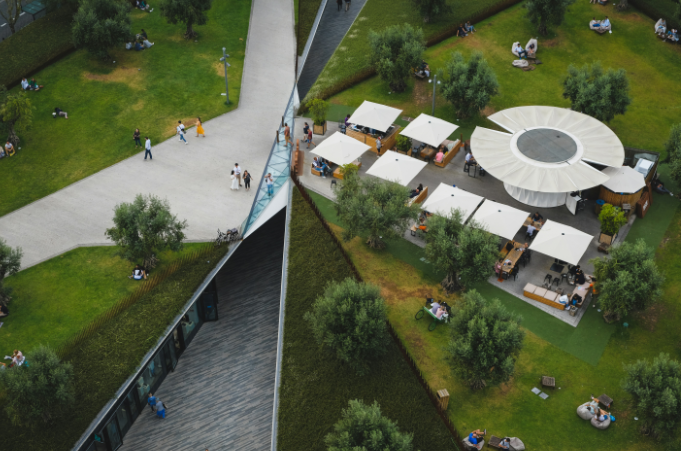
Introduction to Community Well-Being
Community well-being is a multifaceted concept that encompasses various dimensions of health and wellness that are critical to the fabric of society. It involves not only the physical health of individuals but also their mental, social, and environmental health. Each of these components plays a vital role in creating a thriving community, where residents can engage meaningfully with one another and their environment.
The physical aspect of community well-being considers access to resources such as healthcare, recreational spaces, and safe neighborhoods, which contribute significantly to the overall health of the population. Adequate parks and green areas, for instance, promote physical activity and can help in reducing chronic diseases. Furthermore, these spaces can serve as venues for community events, thus enhancing social interaction among residents.
Mental well-being is equally important; it includes the psychological health of individuals and the community at large. Access to safe, serene public spaces has been shown to alleviate stress and promote mental clarity. Social interactions fostered in these environments can diminish feelings of isolation and loneliness, which are prevalent in urban settings.
Social well-being reflects the quality of relationships among residents and their ability to participate in community activities. Events in public spaces serve to bring people together, building trust and cooperation within the community. Community engagement initiatives, supported by well-designed public spaces, enhance social networks that are essential for resilience and support.
Lastly, environmental well-being highlights the significance of a healthy ecosystem. Communities that prioritize environmental health through the development of parks and sustainable spaces not only improve the aesthetic value of their neighborhoods but also provide vital ecosystem services. These include cleaner air, biodiversity, and opportunities for environmental education.
In essence, the multifaceted nature of community well-being underscores its importance in fostering a healthy, vibrant society where meaningful connections can flourish among residents. The subsequent sections will delve deeper into how public spaces and parks contribute to these aspects of community wellness.
The Role of Public Spaces in Urban Life
Public spaces, including parks, plazas, and community gardens, are crucial elements of urban environments, significantly contributing to the collective well-being of communities. These spaces function as essential gathering points that facilitate social interaction among residents. By fostering connections, public spaces help to build a sense of community, encouraging individuals to engage with one another and form relationships that could otherwise be difficult in the hustle and bustle of urban living.
Moreover, urban parks and plazas serve as venues for various events and activities that promote community cohesion. From farmers’ markets and outdoor concerts to yoga classes and recreational sports, these public spaces create opportunities for residents to participate in shared experiences. Such interactions not only enhance social ties but also instill a sense of belonging and ownership over the community, ultimately leading to happier and healthier populations.
Accessibility is another critical function of public spaces in urban settings. Well-designed parks and community gardens ensure that all demographics have equitable access to nature and recreation. By incorporating pathways, seating areas, and inclusive facilities for individuals with disabilities, urban planners can create welcoming environments that cater to the diverse needs of the population. The presence of such spaces directly impacts mental health, providing urban dwellers with access to green areas that can alleviate stress and promote relaxation amidst busy city life.
Additionally, public spaces contribute to the overall character and identity of neighborhoods. They serve as landmarks and focal points that can differentiate one community from another, impacting property values and local economies. The cultivation and maintenance of these areas reflect the values of a community and can be a source of pride for residents, highlighting the importance of investing in well-planned public spaces in urban environments.
Psychological Benefits of Green Spaces
Public spaces, particularly parks and green areas, play a crucial role in enhancing community well-being. Numerous studies have demonstrated that exposure to natural environments is linked with various psychological benefits. One of the primary mental health advantages of green spaces is their ability to reduce stress levels. Research indicates that being in nature or even viewing natural landscapes can lead to significant reductions in cortisol, the stress hormone. This calming effect fosters a sense of tranquility, allowing individuals to escape the pressures of urban life.
Furthermore, parks provide an opportunity for physical activity, which has been shown to have a positive correlation with mental health. Engaging in outdoor exercises, such as walking, jogging, or participating in group sports, can alleviate symptoms of anxiety and depression. Natural environments encourage individuals to maintain active lifestyles, which promotes both physical and mental well-being.
Moreover, the aesthetic appeal of green spaces contributes to enhanced life satisfaction. The presence of flora and fauna, open areas, and scenic beauty can heighten feelings of happiness and contentment. Community members frequently report that their local parks are places of sanctuary where they can relax and engage with friends and family, thus fostering social connections. These interactions are vital for building a supportive community that enhances individual mental health.
Research also suggests that green spaces can improve attention and cognitive function. The concept of directed attention fatigue posits that constant urban stimulation depletes our ability to focus. However, time spent in nature has been shown to restore cognitive resources, leading to improved concentration and mental clarity. This restoration can be particularly beneficial in educational and workplace settings, where focus is paramount.
In conclusion, the psychological benefits derived from parks and green spaces are significant, contributing to reduced stress, enhanced life satisfaction, and improved mental health overall. As communities strive for holistic well-being, the incorporation and maintenance of these natural environments should remain a priority.
Physical Health and Activity in Parks
Parks and public spaces serve as vital components in promoting physical health and encouraging active lifestyles within communities. These green areas provide individuals with accessible venues for various physical activities such as walking, jogging, cycling, and engaging in recreational sports. The significance of parks lies not only in their aesthetic value but also in their role as facilitators of regular exercise, which is fundamental for maintaining and improving overall physical health.
Multiple studies have indicated that residents who frequently visit parks are more likely to meet recommended physical activity levels. According to the Centers for Disease Control and Prevention (CDC), only 23% of adults engage in the necessary physical activity for optimal health. However, data reveal that those living near parks and public spaces are 50% more likely to exercise regularly. This correlation underscores the importance of accessible green spaces in supporting community well-being.
Moreover, certain initiatives and programs have been developed to encourage residents to engage with their local parks. Examples include organized fitness classes, walking groups, and recreational sports leagues. Programs like these not only provide structured forms of exercise but also foster social interaction, which can lead to increased participation rates. Furthermore, community events such as park clean-ups and sports tournaments create collective experiences, enhancing the sense of belonging and motivation to remain active.
In essence, public parks are instrumental in promoting physical health through active living. They offer a conducive environment for exercise and wellness, thereby enhancing community health outcomes. By investing in the maintenance and development of these spaces, communities are likely to witness significant improvements in the physical health of their residents, ultimately contributing to greater community well-being.
Social Interaction and Community Bonding
Parks and public spaces play a pivotal role in fostering social interaction and enhancing community bonding. These environments serve as communal hubs where individuals can come together, share experiences, and cultivate relationships. By offering a variety of facilities, such as playgrounds, sports fields, and picnic areas, these spaces encourage gatherings that facilitate informal conversations and nurturing friendships among residents.
Community events hosted in parks are particularly significant in strengthening social ties. Festivals, farmers’ markets, and outdoor movie nights serve as platforms for residents to engage with one another, thereby creating opportunities for connection. Such gatherings not only attract diverse groups of people but also promote inclusivity, critical for marginalized communities where social isolation may be prevalent. Organized activities in these spaces can lead to the establishment of networks that provide support, camaraderie, and a sense of belonging.
Furthermore, public parks can act as equalizing environments where social distinctions diminish, allowing individuals from varying backgrounds to coexist and interact. These interactions are crucial for community cohesion, as they help bridge cultural gaps and foster understanding among residents. In urban areas, where individuals often experience anonymity, parks become vital safe havens that encourage face-to-face interactions, thus combating feelings of loneliness.
Moreover, parks function as vital components of social infrastructure, demonstrating how outdoor communal spaces can proactively reduce social isolation. The presence of parks may particularly benefit those at risk of feeling disconnected, such as the elderly or those living alone. Providing a setting that invites engagement transforms parks from mere recreational areas to essential facilitators of community well-being and social capital.
Environmental Impact and Urban Sustainability
Parks and public spaces play a crucial role in enhancing urban sustainability by providing environmental benefits integral to the health of urban ecosystems. One of the primary ways in which parks contribute to this sustainability is through the mitigation of urban heat islands. In densely populated cities, the prevalence of concrete and asphalt surfaces tends to absorb and retain heat, raising temperatures significantly. Green spaces, however, help to cool these areas through shading and transpiration, creating a more temperate microclimate.
In addition to temperature regulation, parks are vital for improving air quality. Urban vegetation acts as a natural air filter, absorbing carbon dioxide and releasing oxygen. Trees and plants also trap pollutants such as particulate matter, thereby reducing respiratory issues among populations residing in urban environments. This significant impact on air quality underscores the need for cities to prioritize the preservation and expansion of green spaces.
Moreover, biodiversity thrives in parks, making them essential habitats for various species of flora and fauna. These areas not only support wildlife but also contribute to ecological resilience, enabling cities to adapt to changing environmental conditions. Urban parks serve as critical corridors for species movement, providing the connectivity necessary for ecosystems to function effectively amid urban pressures.
Preserving green spaces is vital not only for present but also for future generations. As urbanization continues to rise, the sustainable planning of cities must incorporate more public parks and natural spaces. By embedding green infrastructure within urban designs, municipalities can achieve long-term benefits that foster healthier, more vibrant communities. The integration of these spaces into city planning promotes not just environmental sustainability but also enhances quality of life for all residents, emphasizing the importance of valuing and protecting urban green areas.
Challenges Faced by Public Spaces
Public spaces play a crucial role in enhancing community well-being, yet they face significant challenges that hinder their effectiveness. One of the most pressing issues is the chronic shortage of funding. Many municipalities struggle to allocate sufficient budgetary resources for the development and upkeep of parks and recreational areas. Without adequate funding, these vital community assets can quickly fall into disrepair, leading to a decline in their use and overall public perception.
Another challenge revolves around maintenance issues that plague many public spaces. Regular upkeep is essential for ensuring safety and accessibility. Inadequate maintenance can result in broken equipment, unkempt landscapes, and the proliferation of litter. These factors not only deter community members from utilizing these spaces but can also foster a sense of neglect. The ongoing management of public parks requires a dedicated workforce and sustainable funding models to support long-term maintenance efforts.
Accessibility is a further challenge that is often overlooked. Many public spaces are not designed to accommodate individuals with disabilities, thereby limiting their access. This lack of inclusivity can disproportionately affect low-income communities, which may already have limited access to alternative recreational resources. Addressing accessibility issues necessitates thoughtful planning and community involvement to ensure that spaces cater to all demographics.
To counter these challenges, several advocacy measures can be implemented. Community-driven initiatives aimed at increasing funding can mobilize residents and engage local businesses in support of public space projects. Establishing partnerships with non-profit organizations and leveraging grant opportunities can further enhance financial sustainability. Moreover, conducting regular community assessments can identify specific needs, ensuring that public spaces evolve in response to the community’s preferences and accessibility requirements.
Case Studies of Successful Public Spaces
Public spaces have emerged as pivotal components of urban ecosystems that enhance community well-being. Numerous case studies exemplify the transformative power of thoughtful design and active community engagement in public spaces around the globe.
One highlighted example is the High Line in New York City, an elevated linear park that was once a disused railway track. This innovative initiative has redefined public space usage by providing an accessible green area that prioritizes pedestrian mobility and ecological sustainability. The High Line integrates native plants and art installations, fostering an environment where visitors can engage with nature and culture simultaneously. Since its opening, it has significantly increased surrounding property values and stimulated local businesses, illustrating the economic benefits of well-designed public spaces.
Another notable case is the Superkilen park in Copenhagen, Denmark. This vibrant park represents a collaboration between residents and designers, emphasizing community identity through various cultural elements, such as colors and artworks representing the diverse backgrounds of the local population. Superkilen serves as a cultural meeting place that encourages social interaction among varied community members, showcasing the importance of inclusive design in public space creation. Visitors to Superkilen have expressed a strong sense of belonging, demonstrating that well-engaged public spaces can foster social cohesion.
Furthermore, Millennium Park in Chicago presents another successful model by blending art, architecture, and landscape design to create a dynamic social hub. The park features the iconic Cloud Gate sculpture and offers a range of recreational activities, such as concerts and outdoor movies, promoting a strong sense of community engagement. Its commitment to accessibility and inclusivity has allowed it to attract diverse demographics, reinforcing the notion that well-planned public spaces can enhance the overall quality of life in urban areas.
These case studies collectively illustrate that successful public spaces contribute significantly to community well-being through enhanced social interaction, economic development, and cultural appreciation. The lessons learned from these initiatives can inform future public space projects in cities worldwide.
Conclusion and Call to Action
Throughout this blog post, we have explored the profound impact that public spaces and parks have on community well-being. These areas are not merely stretches of greenery; they serve as vital hubs for social interaction, physical activity, and mental rejuvenation. Studies indicate that access to well-maintained parks can significantly enhance the quality of life for individuals and communities alike by providing opportunities for recreation, relaxation, and social connection.
The benefits of public parks extend beyond individual health; they contribute to the overall resilience and cohesion of communities. By fostering a sense of belonging and encouraging community engagement, these spaces play a pivotal role in shaping a vibrant social fabric. Moreover, they address environmental challenges, promote biodiversity, and enhance urban aesthetics. However, the preservation and enhancement of these essential community resources require ongoing attention and advocacy.
As we reflect on the critical role that public spaces play, it becomes imperative for each of us to take action. We encourage readers to engage with their local parks by participating in community clean-up days, supporting park development initiatives, or even advocating for policy improvements that prioritize green spaces. Furthermore, consider attending local town hall meetings to voice the importance of sustaining these vital areas and highlight the need for funding and resources.
By taking an active role in the upkeep and promotion of public parks, individuals can contribute to a healthier, happier community for everyone. Let us work collectively to ensure that our parks remain vibrant and accessible places of refuge and recreation for future generations. Together, we can make a tangible difference in enhancing the well-being of our communities through the preservation and celebration of these invaluable public spaces.