


Understanding Bone Density and Menopause
Bone density refers to the amount of mineral matter per square centimeter of bone, providing a solid measure of bone strength and health. High bone density indicates stronger bones that are less susceptible to fracture, while low bone density can lead to conditions such as osteoporosis. Maintaining optimal bone density is crucial not only for preventing fractures but also for overall health, as bones serve various roles, including the protection of vital organs and the facilitation of movement.
Menopause, which typically occurs around the age of 50, marks a significant transition in a woman’s hormone levels, particularly a decline in estrogen. This hormone plays a vital role in maintaining bone density. After menopause, women often experience an accelerated rate of bone loss, which can lead to severely reduced bone density. Lack of estrogen results in increased bone resorption, where the body breaks down bone tissue faster than it can be replaced, leading to weaker bones.
Osteoporosis is a condition characterized by low bone density and increased fragility of bones, making them more prone to fractures. Women tend to be particularly vulnerable to developing osteoporosis due to the hormonal changes associated with menopause. Statistics indicate that approximately one in two women over the age of 50 will experience an osteoporosis-related fracture in their lifetime. Understanding the relationship between menopause and bone density is crucial for women to take preventive measures to strengthen their bones and minimize the risk of osteoporosis. Regular screening, lifestyle changes, and appropriate interventions can significantly improve bone health after menopause, making awareness and education pivotal in managing this significant health concern.
The Role of Nutrition in Bone Health
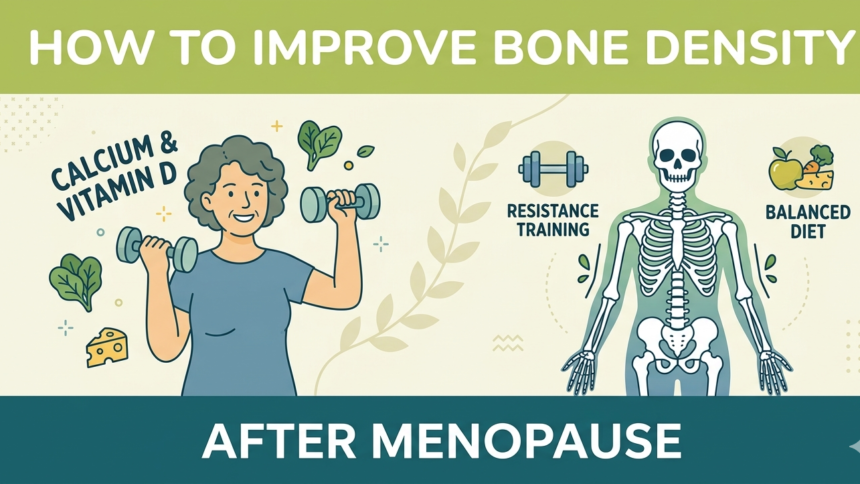
Maintaining optimal bone health is crucial, particularly after menopause when women become more susceptible to osteoporosis. The right nutrition plays a vital role in supporting and improving bone density, and specific nutrients are essential for this purpose. Calcium, vitamin D, magnesium, and protein are key components that contribute to bone health.
Calcium is fundamental in building bone mass and ensuring steady bone turnover. Women over the age of 50 should aim for a daily intake of about 1,200 mg. Excellent dietary sources of calcium include dairy products, leafy green vegetables like kale and broccoli, and fortified foods such as plant-based milks and cereals. Including a variety of these in one’s diet can help meet calcium needs effectively.
Vitamin D is another crucial nutrient that aids in calcium absorption. The recommended daily intake for adults is around 600-800 IU, depending on age. While sunlight exposure can facilitate vitamin D synthesis, dietary sources such as fatty fish, egg yolks, and fortified foods are also significant contributors. Incorporating these into meals, especially during winter months when sunlight is less available, can enhance bone health.
Magnesium contributes to over 300 enzymatic functions in the body, including those necessary for bone formation. The daily recommended intake for women is approximately 320 mg. Magnesium-rich foods include nuts, seeds, whole grains, and green leafy vegetables. It is beneficial to integrate these foods into snacks or meals when planning a balanced diet.
Lastly, protein contributes to bone health by promoting muscle mass and strength. Adults should aim for a protein intake of about 46 grams daily. Good sources include lean meats, fish, poultry, legumes, and dairy products. The strategic inclusion of these nutrient-dense foods can support overall bone health, particularly during the post-menopausal phase.
Exercise for Stronger Bones
Physical activity plays a vital role in enhancing bone density, particularly after menopause when women experience a decline in hormone levels that can lead to bone loss. Engaging in regular exercise not only strengthens bones but also improves overall health, balance, and coordination. The best types of exercises for promoting bone health include weight-bearing and resistance training.
Weight-bearing exercises require individuals to work against gravity while staying upright. These activities encourage bones to bear weight, stimulating their growth and strengthening their density. Examples of weight-bearing exercises include walking, jogging, dancing, and climbing stairs. For those seeking to start, a brisk walk for 30 minutes a day can provide substantial benefits while being gentle on the body.
In addition to weight-bearing exercises, resistance training is crucial for bone health. This form of exercise involves using weights or resistance bands to create tension in the muscles and bones, which helps to strengthen both. Exercises such as lifting free weights, performing body-weight workouts like squats and push-ups, or using resistance machines can be beneficial. It is recommended to engage in resistance training at least twice a week for optimal results while ensuring proper form to prevent injury.
Incorporating flexibility and balance exercises, such as yoga and tai chi, can further enhance bone health. These practices improve coordination and strength, reducing the risk of falls, which is critical since falls can lead to fractures in individuals with decreased bone density.
Overall, a well-rounded exercise regimen that includes a mix of weight-bearing, resistance training, flexibility, and balance activities is essential for improving bone density after menopause. Before starting any new exercise routine, it is advisable to consult with a healthcare provider or a fitness professional to tailor a safe and effective program.
Lifestyle Modifications to Boost Bone Health
Maintaining optimal bone density is crucial, particularly for women after menopause when the risk of osteoporosis increases significantly. Several lifestyle factors can adversely affect bone health, with smoking and excessive alcohol consumption being two primary concerns. Smoking has been linked to decreased bone mineral density and increased fracture risk, while high alcohol intake can interfere with calcium absorption and bone-rebuilding processes.
To encourage healthier habits, it is advisable to adopt a proactive approach toward lifestyle changes. First and foremost, quitting smoking can have immediate and long-standing benefits for bone density. Resources such as support groups, smoking cessation programs, or even counseling can greatly assist women looking to eliminate this habit. Additionally, integrating various forms of physical activity can help mitigate the effects of smoking while promoting bone strength.
When it comes to alcohol consumption, moderation is key. It is recommended that if alcohol is consumed, it should be limited to one drink per day for women, as excessive intake can hinder the body’s ability to effectively utilize essential minerals such as calcium and vitamin D. Substituting alcohol with healthier alternatives, such as herbal teas or infused water, can also enhance hydration and overall health without compromising bone integrity.
Furthermore, balancing dietary habits can significantly improve bone health. Incorporating foods rich in calcium and vitamin D, such as dairy products, leafy greens, and fortified foods, can be immensely beneficial. Regular weight-bearing exercises, like walking, dancing, or yoga, also help stimulate bone formation and reduce the risk of bone loss. By actively focusing on these lifestyle modifications, women can better protect their bones and promote resilience, ultimately improving their quality of life in the years following menopause.
The Importance of Routine Bone Density Screening
Bone density screening, often referred to as a bone densitometry test, is a diagnostic procedure that measures the amount of mineral content in bones. This test is crucial for postmenopausal women, given that hormonal changes during menopause significantly influence bone health. The decline in estrogen production leads to increased bone resorption, making women more susceptible to osteoporosis and fractures. Therefore, understanding one’s bone density can guide preventive measures and treatment options to enhance bone health.
For women approaching menopause and those who have already gone through this transition, the recommended age to begin routine screening is typically at 65 years, although earlier testing may be warranted for those with additional risk factors, such as family history, low body weight, or certain medical conditions. The frequency of these screenings can vary. Generally, a bone density test is conducted every two years, unless the results indicate a significant risk of fracture, necessitating more frequent evaluations.
The results of a bone density test are presented as a T-score, which compares an individual’s bone density to that of a healthy young adult. A T-score of -1.0 or higher is considered normal, while a score between -1.0 and -2.5 indicates low bone mass, a precursor to osteoporosis. A score of -2.5 or lower denotes osteoporosis. By understanding their bone density results, postmenopausal women can take proactive steps towards maintaining their bone health, including dietary changes, physical exercise, and, if necessary, medication. Thus, routine bone density screening is an essential component of health management for women after menopause, as it not only helps in assessing current bone health but also assists in preventing further deterioration.
Exploring Bone Health Supplements
Maintaining bone health is crucial for women, especially after menopause when the risk of osteoporosis increases significantly. One of the most effective strategies for enhancing bone density includes the inclusion of specific dietary supplements. Two key supplements that frequently come recommended are calcium and vitamin D. Calcium plays a vital role in forming and maintaining strong bones; it is the primary mineral found in bone tissue. A sufficient intake of calcium can substantially contribute to improved bone density, and it is generally advised that women post-menopause aim for a daily intake between 1,200 to 1,500 mg.
Vitamin D is equally important as it assists the body in absorbing calcium effectively. Without adequate levels of vitamin D, even a high intake of calcium may not yield the desired benefits for bone health. Vitamin D can be obtained through sun exposure, certain foods, and supplementation. Healthcare authorities usually recommend a daily intake of 800 to 1,000 IU for older adults, but individual needs may vary.
Other relevant supplements include magnesium and vitamin K2, which can also contribute to bone health through various biochemical pathways. Magnesium is crucial for bone structure, while vitamin K2 is involved in regulating calcium within the bones and arteries. These nutrients work synergistically to ensure optimal bone peptide synthesis and mineralization.
Before initiating any supplementation, it is essential to consult with a healthcare provider. This guidance ensures that the chosen supplements are appropriate and that dosages are tailored to individual health needs, particularly for those with pre-existing health conditions or those already on medication. Healthcare professionals can provide advice on blood tests to assess nutrient deficiencies and recommend relevant lifestyle modifications to bolster bone density effectively.
Natural Remedies and Alternative Therapies
Improving bone density after menopause can be essential for preventing osteoporosis and fractures. Several natural remedies and alternative therapies offer promising benefits for enhancing bone health. One commonly discussed approach is the use of herbal remedies. Herbs such as red clover, alfalfa, and nettle leaf are often cited in traditional medicine for their potential effects on bone density due to their high mineral content and phytoestrogens. Phytoestrogens, plant-based compounds with estrogen-like effects, may help mitigate bone loss associated with estrogen deficiency during menopause.
Additionally, a systematic review of clinical evidence suggests that certain dietary supplements, including calcium and vitamin D, can significantly support bone density. These nutrients are crucial for bone mineralization and maintenance, particularly during postmenopausal transitions when the risk of osteoporosis escalates. However, it is essential to consult a healthcare provider before initiating any supplementation regimen.
Acupuncture is another alternative therapy gaining attention for its ability to enhance bone health. Preliminary studies indicate that acupuncture may stimulate osteoblast activity, the cells responsible for bone formation. Although more large-scale studies are needed, patient-reported outcomes have shown positive effects on pain management and overall wellbeing, factors that can indirectly contribute to maintaining an active lifestyle essential for bone strength.
In addition to these remedies, practices such as yoga and tai chi can improve balance and strength, potentially reducing the risk of falls and related fractures. These gentle exercises strengthen muscles and improve coordination, which is particularly beneficial for menopausal women.
While these natural approaches are encouraging, they should complement, not replace, conventional treatments recommended by healthcare professionals. A multi-faceted approach, integrating lifestyle modifications, dietary changes, and alternative therapies, holds promise for improving bone density after menopause.
Medical Treatments for Bone Density Improvement
Improving bone density after menopause is a significant health concern for many women, especially considering the increased risk of osteoporosis. Several medical treatments are available that can help in enhancing bone density, two of the most notable being hormone replacement therapy (HRT) and bisphosphonates. Understanding these treatment options is crucial for women seeking to maintain their bone health.
Hormone replacement therapy involves supplementing the body with estrogen and sometimes progesterone to counteract hormonal changes caused by menopause. This therapy has been shown to effectively increase bone density and reduce the risk of fractures. However, HRT is not without its risks; it may increase the likelihood of developing certain conditions, such as blood clots or certain types of cancer. Therefore, it is essential for individuals to discuss their medical history and risk factors with healthcare professionals before initiating this treatment.
On the other hand, bisphosphonates are a class of drugs that prevent the loss of bone mass. They work by inhibiting the activity of osteoclasts, the cells responsible for bone resorption. Bisphosphonates have been shown to significantly decrease the risk of vertebral and hip fractures in postmenopausal women. Side effects can include gastrointestinal issues, and there have been rare cases of osteonecrosis of the jaw, raising questions about their long-term safety. As with HRT, an evaluation of personal health conditions is essential to determine suitability.
In choosing between these options, women should consider factors such as their overall health, family history, and personal preferences. It is advisable to consult a healthcare provider to tailor a strategy that most effectively balances the benefits and risks associated with each treatment. Close monitoring and regular check-ups can further optimize bone density outcomes during and after treatment.
Creating a Comprehensive Bone Health Plan
Improving bone density after menopause is crucial for maintaining overall health. A personalized bone health plan comprises various components, including dietary adjustments, physical activity, lifestyle modifications, and routine medical evaluations. By incorporating these elements, individuals can significantly enhance their bone strength and reduce the risk of osteoporosis.
Diet plays a vital role in supporting bone health. A calcium-rich diet is essential; it is advisable to include dairy products such as yogurt, cheese, and milk, along with leafy greens like kale and bok choy. Additionally, incorporating vitamin D is crucial as it facilitates calcium absorption. Foods such as fatty fish (salmon and mackerel) and fortified cereals can contribute to adequate vitamin D levels. It’s also beneficial to reduce the intake of salt and caffeine, as they may negatively affect bone health.
Exercise is another fundamental component. Engaging in weight-bearing activities, such as walking, running, and dancing, can help stimulate bone formation. Strength training exercises, where resistance is applied to muscles, also play a significant role in improving overall bone density. It’s recommended to establish a routine that includes a variety of exercises to keep it enjoyable and engaging.
Lifestyle changes can further enhance bone health. Quitting smoking and limiting alcohol consumption are pivotal, as both habits can hinder bone density. Maintaining a healthy weight is also essential; being either underweight or overweight can affect bone health negatively. Regular check-ups with a healthcare provider will ensure that any risks can be monitored and managed effectively.
To stay motivated, tracking progress can make a significant difference. Setting achievable goals and celebrating milestones can foster a positive outlook. Keeping a record of dietary choices, exercise habits, and health updates can provide insights, enabling adjustments to the plan as necessary. Adopting a comprehensive approach will lead to improved health outcomes and a better quality of life after menopause.