


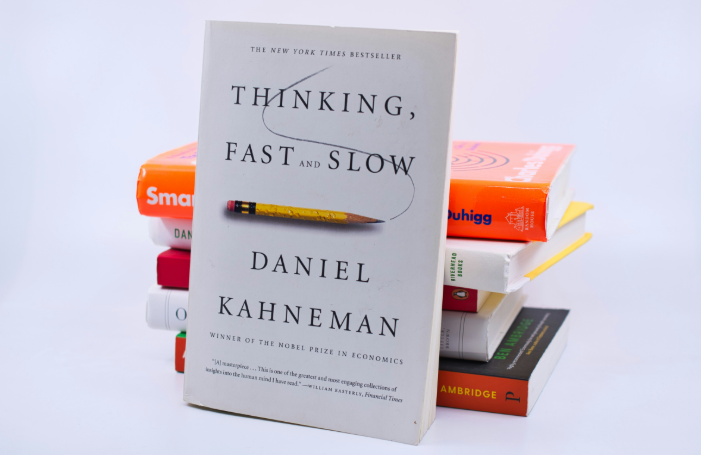
Understanding Decision Fatigue
Decision fatigue is a psychological phenomenon that refers to the deteriorating quality of decisions made by an individual after a long session of decision-making. This cognitive process arises from the overwhelming number of choices faced daily, which not only includes trivial decisions, such as what to wear, but extends to significant life choices like career options and financial investments. As individuals are confronted with an array of decisions, their ability to make rational choices diminishes over time.
The human brain, while capable of remarkable feats, has limitations when it comes to processing and evaluating every single choice. When presented with multiple options, it engages in a complex mental exercise of weighing pros and cons, which consumes mental resources. Each decision, no matter how small, requires cognitive effort, leading to mental depletion. Over time, this cognitive load can result in decision fatigue, adversely affecting both the quality and efficiency of subsequent decisions.
Research indicates that decision fatigue is exacerbated in environments saturated with choices, such as shopping malls, restaurants with extensive menus, or even in workplaces with varied task selections. As individuals navigate these environments, they may experience increased stress and anxiety, leading to impulsive or irrational choices. This can manifest as either the inability to make any choice at all or a tendency to opt for the easiest, rather than the best, option available.
Understanding decision fatigue is crucial in today’s fast-paced society, where individuals must constantly evaluate their options. By recognizing the psychological mechanisms behind decision-making and the toll of fatigue, strategies can be developed to mitigate its effects and help individuals make better choices throughout their daily lives.
The Origins of Decision Fatigue
Decision fatigue, a concept rooted in behavioral psychology and cognitive science, refers to the deteriorating quality of our decisions after making a string of choices. The origins of this phenomenon stem from the limited cognitive resources available to an individual. When faced with numerous decisions throughout the day, our capacity to process and evaluate options diminishes over time, leading to a decline in the quality of those choices.
Research in cognitive psychology has demonstrated that each choice we make consumes a part of our mental energy. This energy depletes faster when decisions are complex or emotionally charged. Moreover, studies conducted by psychologists such as Baumeister and Mischel have shown that willpower is finite; thus, as we make consecutive decisions, the mental effort exhausts our ability to weigh options effectively. Consequently, as decision fatigue sets in, individuals may resort to simpler decision-making strategies, which can result in suboptimal choices.
In practical terms, this means that decision fatigue can manifest in various everyday scenarios, from determining what to wear in the morning to significant choices like investment decisions or personal relationships. For instance, as one navigates through a day filled with decisions, each subsequent choice may be made with less care, leading to impulsive or poorly thought-out outcomes. Cognitive overload further complicates this issue, wherein a person’s attention is stretched thin, making it challenging to concentrate on each individual decision.
Therefore, understanding the origins of decision fatigue can significantly inform how we manage our daily routines. By recognizing our cognitive limits, we can implement strategies to minimize decision overload and enhance the quality of the choices we make. Such awareness enables individuals to prioritize essential decisions when mental resources are high, thereby optimizing decision-making processes over time.
Daily Life Situations Affected by Decision Fatigue
Decision fatigue occurs when individuals become overwhelmed by the number of choices they face throughout the day. This psychological phenomenon significantly impacts various areas of daily life, often leading to suboptimal decision-making and reduced satisfaction. Understanding these scenarios can provide insights into how decision fatigue shapes our choices.
In professional environments, decision fatigue is especially pronounced. For instance, managers and leaders frequently confront a barrage of choices, from strategic planning to personnel management. When faced with an extensive list of decisions, their capacity to make effective judgments can diminish, resulting in rushed choices or avoidance of decision-making altogether.
Shopping is another context where decision fatigue manifests prominently. While browsing through a wide array of products or brands, consumers may experience overwhelming options that can lead to frustration. This feeling may prompt individuals to make impulsive purchases or default to familiar options instead of contemplating what may truly meet their needs.
Meal planning provides another vivid example. On hectic days, individuals may struggle with the decision of what to cook, leading them to revert to simple, less nutritious meals. The mental exhaustion incurred from choosing recipes, grocery shopping, and preparing meals can lead to repetitive or unhealthy eating habits.
Finally, personal relationships also reflect the influences of decision fatigue. Relationships require ongoing decisions, from choosing how to spend time together to resolving conflicts. When individuals are depleted from daily choices, they may neglect the effort needed to make thoughtful, constructive decisions, which could lead to frustration and misunderstandings.
These examples illustrate how decision fatigue infiltrates everyday scenarios, revealing the necessity for individuals to create strategies that alleviate excessive choices and enhance their decision-making capabilities, ultimately promoting better satisfaction in daily life.
Cognitive Load and Its Impact on Decision Making
Cognitive load refers to the amount of mental effort being used in the working memory. This concept is essential in understanding how decision-making processes can be overwhelmed by the demands placed on our cognitive resources. In our daily lives, the cognitive load is constantly fluctuating based on the number and complexity of tasks we face. When individuals engage in extensive deliberation, analyzing multiple potential outcomes or weighing various options, the cognitive burden increases significantly. Such scenarios can lead to mental fatigue and decision paralysis, where individuals may avoid making choices altogether.
The limited capacity of our cognitive resources means we cannot process an infinite amount of information at once. When faced with too many options or excessive information, the cognitive load can surpass our mental limits, resulting in suboptimal decisions. For example, consider a consumer presented with numerous product choices; the sheer volume of information may complicate their decision-making process, leading to anxiety and, ultimately, avoidance of the decision entirely.
Moreover, studies have shown that as cognitive load increases, individuals tend to shortcut their decision-making processes, often relying on heuristics or simplifying strategies that may not lead to the best outcomes. Decisions made under high cognitive load are frequently influenced by emotional responses or impulsive thoughts, rather than thorough analysis. This deterioration of decision quality underscores the critical need for awareness regarding cognitive load when making choices, as it can significantly shape the outcomes of our everyday transactions and ultimately affect our lives.
Identifying Symptoms of Decision Fatigue
Understanding the symptoms of decision fatigue is crucial to recognizing its impact on our daily lives. One of the most common signs is procrastination. Individuals experiencing decision fatigue may find themselves delaying important choices, leading to further anxiety and a backlog of unresolved issues. This behavior often stems from an overwhelming number of decisions to make, resulting in avoidance as a coping mechanism.
Another prevalent symptom of decision fatigue is indecisiveness. When faced with multiple options, a person may struggle to commit to any one choice. This paralysis can manifest in various situations, from selecting a meal at a restaurant to determining the best course of action in personal or professional environments. The constant weighing of pros and cons can deplete mental resources, hindering effective decision-making.
Emotional exhaustion is also a noteworthy characteristic of decision fatigue. As individuals grapple with constant choices throughout the day, they may feel drained and irritable. This fatigue often leads to a diminished capacity to emotionally engage with upcoming decisions, further complicating the decision-making process. Meanwhile, the cognitive demands of making choices can exacerbate stress levels, affecting overall well-being.
Finally, a tendency to make impulsive or rash decisions can signal decision fatigue. When mental energy is depleted, people are more likely to resort to quick fixes or snap judgments without fully considering the consequences. Such impulsive choices can lead to regret and even more challenging situations, reinforcing the cycle of fatigue and indecision. By acknowledging these signs, individuals can initiate positive changes in their decision-making processes, enhancing their clarity and confidence when faced with choices.
Strategies to Combat Decision Fatigue
Combatting decision fatigue is essential for enhancing productivity and overall well-being. Here are several effective strategies that anyone can implement to simplify choices and conserve mental energy.
Firstly, one effective approach is to simplify choices. Reducing the number of decisions you face in a given day can significantly help in minimizing cognitive overload. For instance, consider streamlining wardrobe selections by adopting a capsule wardrobe, where a limited number of interchangeable clothing items are used. This diminishes the mental energy spent on daily outfit decisions.
Another helpful technique is to establish routines. Creating morning and evening routines can automate daily decisions, allowing individuals to allocate their mental resources to more significant tasks. By defining specific times for key activities, such as exercise, work, and relaxation, the number of decisions required throughout the day is reduced, leading to improved focus and efficiency.
Limiting options is another effective strategy to consider. When faced with too many choices, the brain may become overwhelmed, leading to stagnation. Hence, being selective about options can aid in reducing decision fatigue. For example, when dining out, choose from a smaller menu or focus only on favorite cuisines. This not only speeds up the decision-making process but also enhances satisfaction with the choice made.
Lastly, prioritizing tasks is crucial for managing decision fatigue. It can be beneficial to tackle high-priority tasks when energy levels are at their peak, such as early in the day. Employing techniques like the Eisenhower Matrix can help in distinguishing between urgent and important tasks, ensuring that mental resources are allocated efficiently. By prioritizing wisely, individuals can conserve energy for decisions that truly matter.
The Role of Habits in Decision Making
Habits play a crucial role in the realm of decision making by serving as automatic behaviors that require minimal cognitive resources. When individuals develop strong habits, they create routines that simplify daily choices, significantly aiding in the mitigation of decision fatigue. This phenomenon occurs when the mental energy needed for constant decision-making is depleted, leading to reduced quality of decisions over time.
By establishing consistent patterns in one’s daily life, such as setting mealtimes, exercise routines, or specific work hours, individuals reduce the number of decisions they face. For instance, when someone habitually prepares meals ahead of time, this practice not only enhances their nutrition but also eliminates the daily stress of deciding what to eat. Thus, the formation of effective habits allows individuals to conserve cognitive energy, freeing them to focus on more critical or complex decisions.
Moreover, behavioral psychologists suggest that forming habits can be facilitated through repetition and environment design. By repetitively engaging in a specific action, individuals gradually internalize these behaviors until they occur without forethought. For example, incorporating physical activity into a daily routine can begin as a deliberate choice and evolve into an automatic behavior, diminishing the mental load associated with daily exercise decisions.
Furthermore, environment plays a significant role in habit formation. By structuring one’s surroundings to minimize distractions and temptations, it becomes easier to stick to positive habits while avoiding harmful choices. This alignment between environment and habits can lead to substantial improvements in decision quality and overall well-being.
In essence, by consciously developing strong habits, individuals can streamline their decision-making process. This not only alleviates the burdens of choice paralysis but also promotes a more fulfilling and productive daily life, demonstrating the significant impact of habits in managing decision fatigue.
Impact of Decision Fatigue on Long-term Goals
Decision fatigue can significantly alter the trajectory of one’s long-term goals, often creating hurdles that impede progress. As individuals are confronted with an overwhelming number of choices throughout their daily activities, the mental resources available for decision-making become depleted. Consequently, this exhaustion can lead to a decline in motivation and a diminished capacity to pursue objectives that require sustained effort and commitment.
When decision fatigue settles in, an individual may find themselves struggling to make even the simplest choices, such as determining the priority of tasks related to their long-term aspirations. This mental depletion can result in a tendency to procrastinate or defer important decisions, which, over time, can lead to the abandonment of these goals altogether. For example, someone aiming for a career change may find themselves overwhelmed by the myriad of decisions involved in resume crafting, networking, and further education, ultimately stalling their pursuit.
To combat the adverse effects of decision fatigue on long-term goals, individuals can implement strategic approaches aimed at preserving mental energy. One effective method is to streamline choices through the use of routines. Creating specific times for decision-making, or establishing habits that require minimal thought, can free up cognitive resources for more significant decisions. Additionally, breaking down long-term goals into smaller, manageable tasks can mitigate feelings of overwhelm and facilitate consistent progress. Regular reflection on and realignment with one’s long-term goals can also help maintain motivation, making it easier to navigate the inevitable fatigue that comes with daily choices.
Ultimately, understanding the link between decision fatigue and long-term goal achievement is crucial for personal development. By addressing the underlying effects of decision fatigue and incorporating practical strategies, individuals can enhance their ability to make aligned decisions, thereby fostering continued progress toward their aspirations.
Conclusion: Embracing Mindful Decision Making
Throughout this discussion, we have explored the concept of decision fatigue, a psychological phenomenon that significantly impacts our ability to make choices. As our minds become overloaded with decisions, the quality of our choices can diminish, leading to poorer outcomes. Understanding this fatigue is crucial, as it helps us recognize when our decision-making capabilities may be compromised.
Effective strategies to combat decision fatigue involve implementing mindful decision-making practices into our daily routines. By prioritizing important choices and setting limits on the number of decisions made in a day, individuals can allocate their mental energy more efficiently. For example, establishing a structured schedule, automating repetitive decisions, and creating a decision-making framework can help streamline this process. These practices facilitate an environment where decision-making becomes less burdensome, ultimately enhancing our well-being.
Moreover, cultivating mindfulness enables individuals to be more present and aware during the decision-making process. By focusing on our values and goals rather than being swayed by external pressures or distractions, we can make choices that truly align with our intentions. Practicing mindfulness fosters better emotional regulation, thereby reducing stress related to decision-making.
In conclusion, recognizing the implications of decision fatigue and adopting mindful decision-making techniques can transform our approach to daily choices. As we strive for personal and professional growth, it is essential to remain vigilant about the choices we make. By implementing these strategies, not only can we improve the quality of our decisions, but also enhance our overall satisfaction and productivity in life.