


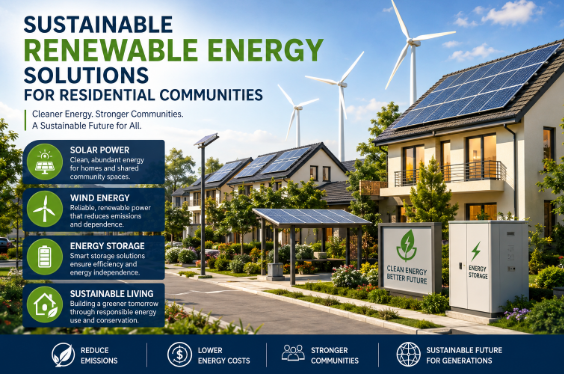
Introduction to Renewable Energy in Residential Communities
As the quest for sustainable living intensifies, renewable energy has emerged as a critical solution for residential communities. This approach entails harnessing natural resources such as solar, wind, geothermal, and biomass to produce energy, significantly reducing dependence on fossil fuels. The increasing awareness of climate change and the depletion of natural resources underscores the pressing need for communities to consider adopting renewable energy solutions.
One of the most significant benefits of implementing renewable energy in residential areas is the positive impact on the environment. By shifting to renewable sources, communities can significantly lower their carbon footprint, aiding in the battle against global warming. The adoption of technologies such as solar panels or wind turbines allows households to generate clean energy, thus contributing to a healthier planet for future generations.
In addition to the environmental advantages, renewable energy offers considerable cost savings for residential communities. Although the initial investment in sustainable energy systems may appear daunting, the long-term savings on energy bills can be substantial. Many renewable energy systems come with tax incentives and rebates, making them more financially viable. Over time, residents can experience reduced utility costs and increased value in their properties.
Lastly, the pursuit of renewable energy fosters a sense of energy independence within residential communities. Residents can take control of their energy production and consumption, thereby reducing their vulnerability to fluctuating energy prices and supply disruptions. This transition not only enhances energy security but also promotes a sense of community cooperation as neighbors unite to implement sustainable practices.
Types of Renewable Energy Sources
Residential communities have a range of renewable energy sources available, each offering unique advantages and applications. Understanding these energy sources is crucial for homeowners looking to reduce their carbon footprint and advance towards a sustainable future.
Solar energy remains one of the most popular choices for residential properties. By installing solar photovoltaic (PV) panels, homeowners can convert sunlight directly into electricity, which can power household appliances or even charge electric vehicles. Additionally, solar thermal systems utilize sunlight for heating water, making them efficient for domestic hot water needs.
Wind energy is another viable option, particularly in areas with consistent wind patterns. Through the use of small-scale wind turbines, residential communities can harness wind energy to generate electricity. This can be especially beneficial in rural settings where wind resources are abundant. These turbines can provide a significant portion of a household’s energy requirements, contributing to energy independence.
Geothermal energy is a lesser-known but highly efficient renewable resource. It leverages the earth’s internal heat to regulate temperatures in residential settings. Geothermal heat pumps can effectively heat and cool homes, leading to lower energy costs over time. This energy source is especially advantageous for regions with stable geothermal conditions.
Lastly, biomass energy utilizes organic materials, such as plant matter and animal waste, to produce energy. Residential communities can implement biomass heating systems that burn these materials for heat or convert them into biofuels. This method not only aids in waste management but also provides an alternative energy source, contributing to a circular economy.
Each renewable energy source has the potential to significantly impact residential energy consumption and sustainability. Homeowners should evaluate which options align best with their environmental goals and community resources.
Benefits of Sustainable Energy Solutions
Implementing sustainable energy solutions in residential communities presents a variety of significant advantages that contribute to both environmental preservation and economic savings. One of the most noteworthy benefits is the substantial reduction in the carbon footprint. Renewable energy sources, such as solar and wind power, generate electricity without emitting harmful pollutants—thus playing a pivotal role in combating climate change and promoting a cleaner, healthier environment.
In addition to environmental benefits, sustainable energy solutions also lead to lower utility bills for homeowners. By employing technologies like solar panels or energy-efficient appliances, residents can significantly reduce their reliance on traditional energy sources. This reduction not only results in lower energy costs but can also provide stability against the fluctuating rates of fossil fuels, thereby enabling homeowners to strategize their finances more effectively.
Moreover, the integration of renewable energy technologies can enhance property values within residential communities. Homes equipped with sustainable energy installations often appeal to environmentally conscious buyers. Furthermore, properties with a reduced carbon footprint frequently command a premium price in the real estate market, reflecting the shift towards green living.
Another critical aspect to consider is the positive impact of renewable energy on community resilience. As communities transition to sustainable energy sources, they develop a level of self-sufficiency that strengthens their ability to withstand economic and environmental challenges. For instance, during natural disasters or energy supply disruptions, communities that utilize renewable energy solutions are often better prepared to manage their energy needs independently, thus ensuring stability in challenging times.
In summation, the multifaceted benefits of renewable energy solutions encompass environmental improvements, financial savings, enhanced property values, and greater resilience for residential communities. These factors highlight the importance of adopting sustainable energy solutions for the future well-being of both community residents and the planet.
Assessing Energy Needs in Your Community
Understanding the specific energy needs of a residential community is crucial before implementing sustainable renewable energy solutions. This assessment can help in designing a system that effectively meets the community’s energy demands while maximizing efficiency and utility. There are several methods to evaluate energy consumption and peak demand that every community should consider.
First, analyze historical energy consumption data. This involves collecting information on previous energy usage patterns within the community, gathered from utility bills. This data can highlight trends in energy use across different seasons and times of day, providing insight into periods of peak demand. Such analysis can be further enhanced by conducting surveys to understand residents’ energy habits, preferences, and expectations. Information on how energy is used in homes—such as heating, cooling, lighting, and electric vehicle charging—can reveal additional insights into requirements.
Another method involves engaging in energy audits. An energy audit can assess the efficiency of existing systems and identify areas where energy conservation measures can be applied. This may include on-site inspections of individual homes, community facilities, and common areas to determine how much energy is currently being consumed and where losses are occurring. Various agencies offer resources and tools for conducting these audits, which can ultimately guide future renewable energy initiatives.
Lastly, it is essential to consider potential renewable energy projects that align with the community’s energy needs. Analyzing renewable sources—such as solar, wind, or biomass—and evaluating their feasibility can forecast which solutions may be most effective. By involving stakeholders throughout the assessment process—such as local governments, energy providers, and community members—residential communities can ensure that their unique energy needs are thoroughly understood and addressed.
Overcoming Challenges in Implementing Renewable Energy
Adopting renewable energy solutions within residential communities often presents a multitude of challenges that require comprehensive strategies for effective resolution. One of the most significant obstacles is the initial cost associated with implementing renewable energy technologies. The upfront expenses for solar panels, wind turbines, or other sustainable solutions can deter residents, especially in communities with limited budgets. To manage these costs, communities can explore financing options such as government grants, tax incentives, and low-interest loans specifically designed for renewable energy projects. Additionally, community solar programs allow multiple households to invest in a single solar array, reducing individual financial burdens while boosting overall participation.
Another prevalent challenge involves navigating regulatory hurdles. Each locality may have different regulations concerning the installation and operation of renewable energy systems, leading to confusion and delays in implementation. To address this, residential communities should proactively engage with local authorities and regulatory bodies to gain clarity on the necessary permits and requirements. Forming partnerships with experienced renewable energy consultants can streamline this process and facilitate clearer communication with stakeholders, ultimately easing regulatory complications.
Moreover, securing community buy-in is crucial for the success of renewable energy initiatives. Resistance to change or lack of awareness regarding the benefits of sustainable practices can stall projects. Communities may consider educational campaigns to inform residents about the long-term economic and environmental advantages of renewable energy. Organizing public forums or workshops provides a platform for discussion, allowing residents to voice their concerns, ask questions, and share their views. Creating a collaborative environment empowers the community, promoting collective ownership over the initiative and increasing the likelihood of successful implementation of renewable energy solutions.
Case Studies of Successful Residential Renewable Energy Projects
The transition to renewable energy has gained significant momentum in recent years, with various residential communities successfully adopting sustainable solutions that significantly lower their carbon footprints. One notable example is the **Babcock Ranch**, located in Florida. This community, designed from the ground up as a sustainable model, utilizes solar energy as its primary power source. With over 370,000 solar panels, it produces more energy than the residents consume, showcasing a successful implementation of solar technology that not only meets the needs of its inhabitants but also contributes surplus energy back to the grid.
Another exemplary case is **The Village at Vint Hill** in Virginia. This community has integrated a combination of geothermal heating and cooling systems, along with high-efficiency solar panels. The residents faced initial challenges related to financing and community buy-in, as the upfront costs for such technology can be substantial. However, through collaborative efforts and the availability of state incentives, they overcame these obstacles. The outcome resulted in significantly reduced energy bills, which enhanced the overall quality of life for residents while promoting environmental stewardship.
Additionally, the **EcoVillage** in Ithaca, New York is another inspiring case. This community is a pioneer in promoting cooperative living with a focus on sustainability, utilizing both solar and wind energy solutions. They experienced challenges such as zoning regulations and the need for educational outreach to ensure residents understood the benefits of renewable technologies. By fostering a community-centric approach, they successfully implemented innovative energy solutions, leading to a 50% reduction in energy consumption across the community.
These case studies highlight the potential of residential renewable energy projects to transform communities. They serve as a source of inspiration, showing that through collaboration, innovative technology, and overcoming challenges, other communities can embark on a journey toward a sustainable future.
Incorporating Energy Efficiency Measures
Integrating energy efficiency measures within residential communities is crucial for maximizing the benefits of renewable energy solutions. By adopting various strategies, these communities can significantly reduce their overall energy consumption, subsequently enhancing the efficacy of their renewable energy sources. The implementation of energy audits is an effective initial step; these audits help identify areas where energy waste occurs and outline possible improvements. A comprehensive energy audit assesses key components, including heating and cooling systems, insulation, appliances, and lighting.
Once the audit is complete, communities can focus on upgrading insulation and sealing leaks. Proper insulation in attics, walls, and basements prevents significant heat loss in winter and heat gain in summer, leading to reduced reliance on heating and cooling systems. Additionally, addressing air leaks around windows and doors with weather stripping or caulking can further improve energy conservation. These upgrades not only decrease energy expenses but also amplify the performance of installed renewable energy systems, such as solar panels.
Another effective energy-efficient strategy is the incorporation of smart home technologies. Smart thermostats, for instance, can optimize heating and cooling schedules based on residents’ lifestyles, ensuring energy is used only when necessary. Additionally, smart lighting systems allow homeowners to control lights remotely, monitor usage, and automate lighting based on occupancy. By embracing these innovations, residential communities can create dynamic energy use patterns that align perfectly with their renewable energy production.
In conclusion, prioritizing energy efficiency measures is essential for residential communities implementing renewable energy solutions. By conducting energy audits, upgrading insulation, and adopting smart technologies, these communities not only achieve significant energy savings but also contribute to a more sustainable future.
Policy and Incentives Supporting Renewable Energy Adoption
Supporting the transition to renewable energy solutions in residential communities is increasingly becoming a priority for governments at various levels. Policies and initiatives designed to promote sustainable energy sources are crucial for encouraging homeowner participation. These may include financial incentives such as tax credits, grants, and rebates aimed at reducing the initial costs associated with solar panels, wind turbines, and other renewable technologies.
For instance, the Federal Investment Tax Credit (ITC) allows homeowners to deduct a significant percentage of the installation costs of solar systems from their federal taxes. Many states also offer additional tax credits or rebates, making it accessible for more households to transition to solar energy. This combination of federal and state incentives effectively lowers the financial barrier, thus fostering higher adoption rates.
Moreover, various utility companies are also recognizing the advantages of supporting residential renewable energy solutions. Many utility providers have introduced programs that allow for net metering, which enables homeowners to receive credit for the electricity they contribute back to the grid from their renewable energy systems. This not only encourages the installation of renewable sources but also cultivates a sense of community engagement in energy sustainability.
Local governments are also stepping in to promote renewable energy. Many municipalities offer financing solutions, such as Property Assessed Clean Energy (PACE) programs, which allow homeowners to finance energy upgrades through their property taxes. This approach reduces the burden of upfront costs while encouraging energy efficiency and sustainability in residential areas.
In conclusion, a combination of federal, state, and local policies, along with incentives and programs, plays a pivotal role in supporting the adoption of renewable energy solutions in residential communities. The integration of these strategies facilitates a smoother transition towards sustainable energy, paving the way for a greener future for all.
The Future of Renewable Energy in Residential Communities
As the need for sustainable practices intensifies, the future of renewable energy in residential communities looks promising, with significant advancements poised to reshape how energy is generated, stored, and consumed. One major trend is the integration of smart technologies into residential energy systems. Smart grids, which facilitate dynamic energy distribution, are becoming more prevalent, enabling real-time monitoring and optimization of energy usage. This technology not only promotes efficiency but also empowers residents to make informed decisions about their energy consumption.
Furthermore, advancements in energy storage solutions are crucial for the successful implementation of renewable energy sources such as solar and wind. Improved battery technology, particularly the development of lithium-ion and solid-state batteries, will allow households to store excess energy generated during peak production times, maximizing the utilization of renewable resources. This capability not only enhances energy independence but also contributes to grid stability during peak demand periods.
Policy developments will also play a significant role in shaping the landscape of renewable energy for residential communities. Governments and regulatory bodies are increasingly focusing on sustainability initiatives, which may lead to incentives for energy-efficient upgrades and the adoption of renewable technologies. Such policies could democratize access to solar energy by making it more affordable for average households. Additionally, incentivizing community solar projects could foster collaboration among residents, allowing them to collectively benefit from shared renewable energy resources.
As the residential energy sector embraces these emerging trends, we may witness a transformative shift toward more sustainable living practices. Integrated solutions, enhanced energy storage, and supportive policy frameworks are expected to create resilient, eco-friendly communities equipped to meet future energy demands while minimizing environmental impacts.