


Understanding Burnout: An Overview
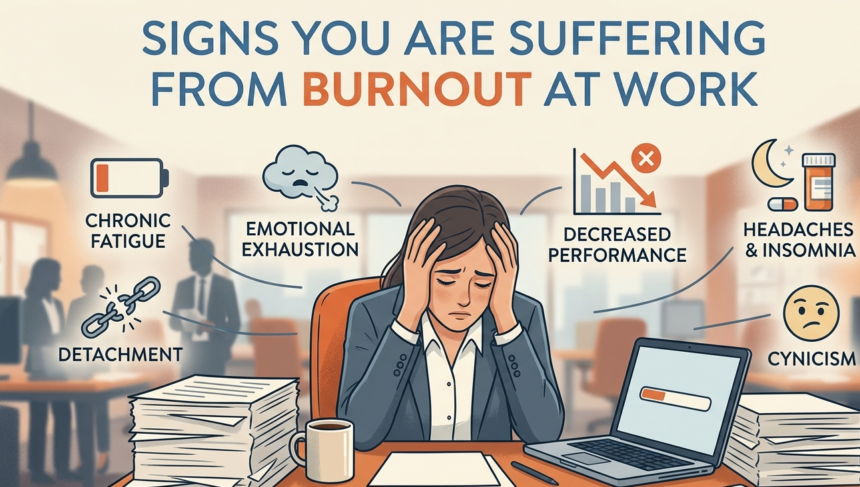
Burnout is a psychological syndrome arising from chronic workplace stress that has not been successfully managed. It is characterized by three main dimensions: emotional exhaustion, depersonalization, and a reduced sense of personal accomplishment. Emotional exhaustion refers to feelings of being drained and depleted, which can manifest as fatigue and lethargy. Depersonalization involves the development of a cynical attitude toward one’s job and a distancing from colleagues, leading to decreased compassion. Lastly, a reduced sense of personal accomplishment may result in feelings of ineffectiveness and an inability to achieve work-related goals.
The causes of burnout vary and often include excessive workload, lack of control over one’s work environment, insufficient reward for one’s efforts, and the presence of a dysfunctional workplace culture. Other contributing factors can include poor work-life balance and lack of support from supervisors or colleagues. Importantly, while work stress is a common experience, burnout is a more severe state that requires significant attention and intervention.
Burnout has been increasingly recognized as a prevalent issue in modern workplaces, affecting a broad range of employees across various industries. According to the World Health Organization (WHO), it has become a significant occupational phenomenon. Studies suggest that an increasing number of professionals report experiencing burnout symptoms, particularly in high-pressure jobs where the expectations are consistently high and resources may be limited.
It is essential to distinguish between normal work stress and burnout. While stress can be a motivating force that drives productivity, burnout leads to a state of disengagement. Recognizing these differences is critical for both individuals and organizations in implementing appropriate measures to support employees’ mental and emotional wellbeing.
Emotional Exhaustion: Recognizing the Signs
Emotional exhaustion is a key component of burnout, often manifesting as a state of chronic fatigue that can severely impact an individual’s mental health. This form of exhaustion arises when the emotional demands of work and personal life exceed an individual’s capacity to cope. Signs of emotional exhaustion can be subtle initially but may escalate over time, leading to significant psychological distress.
One of the predominant symptoms is a pervasive sense of fatigue that goes beyond just physical tiredness. Individuals experiencing emotional exhaustion often report feeling drained, lethargic, or completely worn out, regardless of how much rest they have had. This chronic state of fatigue can hinder productivity and cloud cognitive function, making it challenging to focus and efficiently manage tasks.
In addition to fatigue, feelings of emptiness or a lack of fulfillment may surface. Those suffering from emotional exhaustion might find it difficult to engage with their work or feel a sense of meaning in their responsibilities. The inability to experience joy from usually enjoyable activities can further exacerbate feelings of dissatisfaction and despair.
Moreover, individuals may notice a diminished emotional response to situations that would typically elicit strong feelings. They might find themselves feeling numb or apathetic, unable to connect with colleagues, friends, or family members. This emotional detachment can lead to interpersonal difficulties and strained relationships, compounding the sense of isolation often experienced during burnout.
The consequences of emotional exhaustion extend beyond the individual, affecting workplace dynamics and overall organizational morale. Recognizing these signs early is vital for implementing strategies to address and mitigate emotional exhaustion effectively. Addressing these symptoms can promote a healthier work environment and enhance overall well-being.
Cynicism and Detachment: Signs to Notice
Burnout at work manifests in several ways, one of which is through increased cynicism and detachment. Employees experiencing burnout often develop a negative and critical mindset towards their job, colleagues, and even themselves. This cynicism can emerge subtly; initially, it may present as increased skepticism about workplace initiatives or a diminishing enthusiasm for team collaboration. Over time, this attitude may become more pronounced, leading to a pervasive sense of disillusionment with one’s role and the organization as a whole.
The feeling of detachment is another significant indicator of burnout. Individuals may find themselves feeling emotionally disconnected from their responsibilities and coworkers. This detachment can lead to a diminished sense of accomplishment, causing employees to see their work as merely a means to an end rather than a fulfilling activity. As a result, interpersonal relationships at work may suffer, and the overall workplace environment can become toxic.
In addition to cynicism and detachment, increased irritability often accompanies burnout. Individuals who are burned out may find themselves more easily frustrated, and their patience may wane significantly when interacting with colleagues. This irritability can further complicate relationships at work, leading to conflicts and a breakdown in teamwork. Furthermore, a growing sense of hopelessness about one’s tasks and contribution to the organization can permeate daily routines, leading to a lack of motivation to engage in work-related activities.
Recognizing these signs of cynicism and detachment is crucial for individuals and organizations alike. Addressing these feelings early on can prevent further deterioration of mental health and workplace morale. Creating an environment that encourages open communication about workload and emotional well-being can significantly reduce the risk of burnout and foster a more supportive workplace culture.
Declining Performance: Indicators of Burnout
Burnout often manifests itself through a noticeable decline in performance in the workplace. Individuals experiencing burnout may find it increasingly difficult to maintain their previous levels of productivity. The initial signs are frequently reflected in their struggle to meet deadlines. Tasks that once seemed effortless may become daunting challenges, leading to a heightened sense of stress and anxiety.
This decline is not only related to the quantity of work being produced, but also significantly impacts the quality. Burnout can lead to an increase in errors, which can further aggravate feelings of inadequacy and frustration. Tasks that were performed accurately before may now yield mistakes, resulting in diminished confidence in one’s abilities. This cycle of negative reinforcement can be detrimental, fueling a further decline in motivation and performance.
Moreover, a lack of creativity often accompanies burnout. Individuals may discover that they are struggling to think outside the box or generate new ideas that can propel their work forward. What was once an enthusiastic approach to problem solving may turn into a rigid adherence to routine, where innovation and initiative give way to mere survival. This stagnation can cause not only personal dissatisfaction but can also impact team dynamics and organizational goals.
When professionals notice a significant drop in their drive to engage with their tasks, it acts as a critical indicator of burnout. Motivational levels plummet, making it hard to find joy in work-related accomplishments. Understanding these signs is imperative, as recognizing the symptoms of burnout can steer individuals toward seeking necessary support, ultimately aiding in the restoration of their well-being and productivity in the workplace.
Physical Symptoms: The Hidden Effects of Burnout
Burnout is commonly associated with emotional exhaustion and detachment from one’s job, but it can also manifest through a range of physical health symptoms. Recognizing these symptoms is critical, as they often indicate the underlying struggle with burnout syndrome.
One of the most prevalent physical signs of burnout is chronic headaches. These headaches can be tension-related, stemming from prolonged periods of stress and emotional fatigue. Additionally, individuals suffering from burnout may experience gastrointestinal issues, such as stomach pains and irritable bowel syndrome, which are often exacerbated by stress.
Sleep disturbances represent another significant symptom linked to burnout. Many affected individuals report difficulty falling asleep, restless nights, or waking up feeling unrefreshed. The connection between poor sleep quality and burnout is well-documented, as the body’s stress response can lead to varying degrees of insomnia and fatigue. This lack of restorative sleep further compounds the exhaustion and irritability associated with burnout.
Moreover, burnout can trigger various stress-related illnesses, such as hypertension, cardiovascular disease, and an overall weakened immune system. The prolonged release of stress hormones can disrupt bodily functions, making individuals more susceptible to illnesses. This process underlines the physical toll burnout can take, highlighting its seriousness and its impact on one’s overall health.
In summary, the physical symptoms associated with burnout are often overlooked but are integral to understanding the condition. Recognizing signs such as headaches, gastrointestinal distress, and sleep disruptions can empower individuals to seek appropriate support and take proactive measures to address their health, ultimately leading to a healthier work-life balance.
Increased Absenteeism: A Warning Signal
Burnout is a chronic state of physical and emotional exhaustion that can significantly impact an individual’s daily life, particularly in a work environment. Among the various manifestations of burnout, increased absenteeism emerges as a prominent warning signal. Employees suffering from burnout may begin to take more sick leave, signaling underlying issues that extend beyond physical ailments.
When individuals consistently find themselves overwhelmed by job-related stress, their inclination to respond to this weariness often manifests in the form of frequent absences. The increase in sick days taken can reflect an employee’s inability to cope with work demands effectively, culminating in a decline in overall mental health. Such patterns can serve as indicators that the employee is reaching a breaking point, where even the most routine obligations feel insurmountable.
Moreover, absenteeism resulting from burnout not only affects the individual but also impacts team dynamics and productivity within the workplace. Colleagues may have to compensate for the absence, leading to a vicious cycle of stress that further diminishes morale and job satisfaction. This collective burden can create an environment where employees feel isolated when faced with their struggles, whether they are managing workloads or personal responsibilities.
Recognizing the connection between absenteeism and burnout is crucial for both employers and employees. Open communication and supportive work cultures can facilitate discussions around mental health and workload management, which are essential in alleviating the pressures that contribute to burnout. Encouraging employees to seek help when needed and fostering a culture that prioritizes mental well-being can significantly reduce the prevalence of absenteeism attributable to burnout.
Social Withdrawal: The Isolation Effect
Burnout at work does not only manifest through physical and emotional fatigue; it extends its reach to interpersonal relationships and social interactions. An individual suffering from burnout may begin to withdraw from colleagues, friends, and family, leading to a significant isolation effect. This withdrawal can be subtle at first, such as declining invitations to social gatherings or reducing involvement in team activities, but can ultimately escalate to complete disengagement from social circles.
As the psychological toll of burnout intensifies, the need for social interaction often diminishes. Individuals may feel overwhelmed or anxious in social settings, leading them to opt for solitary activities instead. This behavior can create a ripple effect, straining relationships that once provided vital support. Friends and family may feel neglected or confused by this sudden change, potentially leading to feelings of guilt and further isolation for the individual experiencing burnout. The cycle of withdrawal can, unfortunately, reinforce the burnout, as social connections are crucial for emotional regulation and a sense of belonging.
The impact of burnout on relationships is profound, particularly when a supportive community is greatly needed. Colleagues who once relied on each other for collaborative efforts may find communication becomes limited. Support systems start to weaken, making it increasingly difficult for the affected individual to recover. Therefore, recognizing social withdrawal as a sign of burnout is essential. Encouraging open dialogues about mental health in workplaces and personal lives can help foster environments where individuals feel safe to share their struggles without fear of judgment.
Community plays a pivotal role in combating the effects of social withdrawal. Re-establishing connections, even in small ways, can be the first steps toward recovery from burnout. Whether it is reconnecting with a trusted friend or engaging in team-building activities, rebuilding these social bridges can significantly ease the burden of isolation, fostering resilience against the challenges of burnout.
Changes in Attitude Towards Work and Life
Burnout can significantly alter an individual’s perspective on their professional responsibilities and personal life, manifesting through a marked change in attitude. One of the most common signs of burnout is a pervasive sense of disillusionment about one’s job. Tasks that once seemed meaningful may start to feel monotonous and unimportant, leading individuals to question their role and contributions within the workplace. This disillusionment can create a negative feedback loop, where the lack of enthusiasm feeds further feelings of inadequacy and dissatisfaction.
Moreover, individuals experiencing burnout often report a loss of interest in professional growth. Ambitions that once fueled career motivation may diminish, making it challenging to envision future success or advancement. This lack of engagement can stem from chronic stress and exhaustion, which deplete one’s mental and emotional resources, making any pursuit of new projects or responsibilities feel overwhelming. As a result, the motivation to seek promotions, undertake additional training, or even maintain existing performance levels can wane.
In addition to professional discontent, burnout can lead to a more generalized dissatisfaction with life. Many individuals find themselves feeling disconnected not just from their work but from their personal relationships and hobbies as well. Activities that were once enjoyable may lose their appeal, and social interactions can become burdensome. This feeling of isolation amplifies the emotional toll of burnout, creating a cycle of frustration and unhappiness. As employees grapple with these changes in attitude, it becomes imperative to recognize the signs of burnout early and seek appropriate support. Addressing burnout effectively can help rekindle passion for work and life, leading to a more balanced and fulfilling existence.
Seeking Help: Steps to Address Burnout
Recognizing the signs of burnout is the first crucial step towards recovery and achieving work-life balance. Burnout manifests in various forms, including chronic fatigue, irritability, decreased job satisfaction, and even physical symptoms such as headaches or gastrointestinal issues. It is essential to acknowledge these feelings instead of dismissing them, as addressing burnout effectively requires a proactive approach.
First and foremost, seeking professional help can be a pivotal move. Consulting a mental health professional, such as a psychologist or counselor, provides a safe space to explore underlying issues and develop coping strategies tailored to individual needs. Many workplaces offer employee assistance programs (EAPs) that can connect you with mental health resources. Do not hesitate to utilize these services, as they can play a significant role in navigating burnout. Workers in Chicago’s western suburbs who want ongoing support outside the office can find therapy and counseling in Naperville with evening appointments.
In tandem with professional help, adopting self-care strategies is vital. Consider integrating relaxation techniques into your daily routine, such as mindfulness meditation, deep-breathing exercises, or even engaging in hobbies that you find fulfilling. Regular physical activity also promotes mental well-being; even a short daily walk can be rejuvenating, allowing for better stress management.
Creating a healthier work-life balance is equally essential. Set clear boundaries between work hours and personal time. This might include designating a specific workspace that you leave after work hours or implementing a strict ‘no work’ policy for evenings and weekends. Communicate these boundaries to your team and superiors, reinforcing the importance of downtime for productivity and creativity.
Finally, remember that addressing burnout is not an overnight process. It takes time and patience, along with a commitment to self-care and professional guidance. By actively recognizing burnout and applying these strategies, individuals can reclaim their sense of vitality and joy at work, fostering both personal and professional growth.