


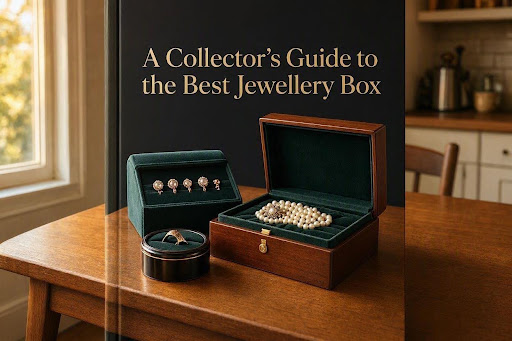
Jewellery is more than an accessory. A favourite ring can mark a special moment, a necklace can become a family keepsake, and a pair of earrings may hold memories that are worth far more than their price. As jewellery collections grow, keeping every piece safe, organised, and easy to find becomes increasingly important.
That is why choosing the right jewellery box matters. A good box does more than make a dressing table look tidy. It can help prevent scratches, reduce tangles, protect delicate pieces, and make everyday jewellery easier to enjoy.
In 2026, jewellery storage is also becoming more practical and design-focused. Buyers increasingly want storage that looks attractive while offering useful compartments, quality materials, and enough flexibility for different types of jewellery. This guide explains what to look for when choosing the best jewellery box for your collection.
Why a Good Jewellery Box Matters
Leaving jewellery loose in a drawer may seem harmless, but it can quickly create problems. Necklaces can knot together, earrings can become separated from their pairs, and rings can rub against other pieces.
The Gemological Institute of America recommends keeping jewellery away from chemicals and storing pieces separately to help prevent scratches and damage. It also highlights the value of jewellery boxes with individual padded sections, necklace hanging areas, and dedicated spaces for different pieces.
A well-designed jewellery box gives each item its own space. This simple approach makes your collection easier to manage and can reduce unnecessary wear.
What Makes the Best Jewellery Box?
There is no single jewellery box that works perfectly for everyone. The right choice depends on the size of your collection, the types of jewellery you own, and how often you wear each piece.
However, several features deserve attention.
1. Separate Compartments
Compartments should be one of your first considerations. Rings, earrings, bracelets, and necklaces have different storage needs.
Small sections work well for rings and earrings, while longer spaces can accommodate bracelets and necklaces. Separate sections also reduce the chance of metal pieces rubbing against each other.
Jewelers of America recommends boxes with plenty of smaller compartments because large open sections can allow jewellery to become tangled or scratched.
2. Soft Interior Lining
The inside of the box should feel soft and protective. Velvet, suede-style materials, felt, or other suitable fabric linings can create a gentle surface for jewellery.
This matters most for pieces with polished metal or delicate gemstones. A rough or poorly finished interior can cause unnecessary scratches over time.
3. Necklace Storage
Necklaces often create the biggest storage headache. Fine chains can become tangled when several pieces sit together.
Look for a jewellery box with necklace hooks, individual slots, or enough separation to keep chains apart. Hanging storage can save time when you are getting ready and reduce the frustration of dealing with knots.
4. Ring Rolls and Small Sections
If rings make up a large part of your collection, dedicated ring rolls or narrow slots can make a noticeable difference.
Instead of placing rings in one pile, each piece gets its own position. This makes it easier to see your collection and choose the right ring without disturbing everything else.
5. Strong and Attractive Construction
A jewellery box should also suit the space where you plan to keep it.
Modern buyers increasingly look for storage that feels like part of their home rather than something they need to hide away. Clean shapes, refined finishes, neutral colours, and quality materials can make a jewellery box work beautifully on a dressing table or bedroom shelf.
2026 Jewellery Storage Trends to Know
Jewellery storage has changed along with the way people buy and wear jewellery. Current trends point towards products that combine organisation, presentation, flexibility, and long-term usefulness.
Modular Storage Is Becoming More Popular
Collectors do not always have a fixed-size collection. Someone may start with a few everyday pieces and gradually add watches, rings, bracelets, earrings, and statement jewellery.
Modular storage helps solve this problem. Removable trays, adjustable sections, stackable designs, and expandable organisers allow users to change their setup as their collection grows.
This trend reflects a wider move towards flexible home organisation. People want storage that adapts instead of forcing everything into one fixed layout.
Jewellery Boxes Are Becoming More Decorative
Storage no longer has to look purely functional. Many people now choose pieces that complement their bedroom or dressing area.
A well-finished jewellery box can act as both an organiser and a decorative object. This is particularly appealing for collectors who want their favourite pieces to remain accessible rather than hidden inside a drawer.
Reusable Luxury Packaging
Another important trend is the move towards packaging that has a second life. Instead of throwing away a presentation box after purchase, consumers increasingly value designs that can become permanent storage.
Packaging industry research for 2026 highlights reusable boxes, travel-friendly storage, and packaging that continues to serve a purpose after the original purchase.
This makes sense for jewellery because the box naturally becomes part of the ownership experience.
Travel-Friendly Jewellery Storage
People also want to take their favourite jewellery with them without putting delicate pieces at risk.
Travel jewellery cases have become an important category, with dedicated spaces helping separate rings, earrings, and necklaces during trips. Travel + Leisure’s 2026 testing of jewellery cases also focuses heavily on organisation and reducing necklace tangles while travelling.
For frequent travellers, a compact case can complement a larger jewellery box at home.
Choosing a Jewellery Box for Different Collections
For a Small Collection
A compact box with several small compartments may be enough. Focus on easy access rather than buying a large organiser that leaves most sections empty.
For a Growing Collection
A medium or large jewellery box with multiple compartments offers more room to organise different categories. Consider future purchases when choosing the size.
For Valuable Jewellery
Security and protection become more important when storing valuable pieces. Keep precious jewellery in a secure, dry and stable environment. For particularly valuable or irreplaceable items, additional secure storage may be appropriate.
For Mixed Jewellery Collections
If you own rings, bracelets, earrings, necklaces, and watches, choose a versatile organiser with different compartment sizes. A mixed collection benefits from flexibility because each category needs a slightly different storage solution.
For shoppers looking for a dedicated collection of options, Aevitas’s Jewellery Boxes collection offers a useful place to explore different jewellery storage styles.
How to Organise a Jewellery Box Properly
Buying a good box is only half the job. How you arrange it also matters.
Start by separating jewellery into categories. Keep rings together, place earrings in dedicated sections, and give necklaces enough individual space to avoid tangling.
Next, separate everyday pieces from jewellery that you wear occasionally. Keeping frequently used items in the easiest-to-reach sections can make your morning routine much simpler.
You should also avoid overcrowding. If every compartment is packed tightly, removing one piece can disturb several others.
Finally, check your collection from time to time. Remove pieces you no longer wear and inspect older jewellery for loose stones, damaged clasps, or signs that professional cleaning may help.
Caring for Jewellery Inside Its Box
A jewellery box protects your pieces, but it cannot replace proper jewellery care.
Keep your jewellery away from perfumes, hairspray, lotions, household chemicals, and excessive heat. GIA notes that chemicals can damage or discolour precious metals and may harm certain gemstones, pearls, and other delicate materials.
The storage area also matters. Jewelers of America recommends keeping jewellery in a clean, organised box in a dry, reasonably temperature-controlled environment, away from heaters, radiators, humidifiers, and air-conditioning units.
Silver deserves particular attention because it can tarnish when exposed to certain compounds in the environment. Keeping pieces separated and using suitable anti-tarnish storage can help reduce the problem.
Why Jewellery Storage Matters Even More for Collectors
The value of a collection is not always financial. Jewellery often carries sentimental value, family history, and personal meaning.
Current jewellery market conditions also make thoughtful ownership more relevant. The World Gold Council reported that global gold jewellery demand fell in volume during Q2 2026 while high prices continued to influence buying behaviour.
When jewellery becomes more valuable or more carefully selected, protecting what you already own becomes just as important as adding something new.
A good jewellery box encourages better habits. When every piece has a place, you can see what you own, care for it properly, and enjoy it more often.
Final Thoughts
The best jewellery box combines protection, organisation, accessibility, and style. You do not necessarily need the biggest box or the most expensive design. You need one that matches your collection and gives every piece a suitable place.
Look for soft interiors, useful compartments, necklace storage, quality construction, and enough space for future additions. If you travel regularly, consider a separate travel organiser. If your collection continues to grow, modular or expandable storage can offer better long-term value.
Most importantly, treat your jewellery box as part of your jewellery-care routine rather than simply another storage container. With the right setup, your favourite pieces stay organised, protected, and ready to wear whenever you want them. Read here for more info about the Aevitas Watch Winners Collection.
Frequently Asked Questions
What should I look for in a jewellery box?
Look for separate compartments, a soft protective lining, ring storage, necklace sections, durable construction, and enough space for your collection to grow.
How should I store necklaces to stop them tangling?
Store necklaces separately using hooks, individual sections, or dedicated necklace slots. Avoid placing several chains together in one open compartment.
Is a jewellery box good for silver jewellery?
Yes. A suitable jewellery box can help protect silver from scratches and unnecessary exposure. Anti-tarnish storage can provide additional protection against tarnishing.
Should different types of jewellery be stored separately?
Yes. Rings, earrings, bracelets, necklaces, and watches can benefit from separate sections because they have different shapes and storage requirements.
How big should my jewellery box be?
Choose a size based on your current collection and expected future purchases. A small box works well for a limited collection, while larger or modular designs suit collectors with many pieces.
Can I keep jewellery in a bedroom jewellery box?
Yes. Choose a dry, stable location away from direct heat, excessive humidity, and chemicals such as perfume or hairspray.
Are jewellery boxes useful for travel?
A dedicated travel jewellery case can be very useful. It keeps pieces separated and reduces the risk of tangles, scratches, and lost items while travelling.
How often should I clean my jewellery?
The ideal schedule depends on the jewellery and how often you wear it. Regular gentle cleaning can help maintain its appearance, while valuable or delicate pieces may benefit from professional inspection and cleaning.