


Introduction to Solo Travel
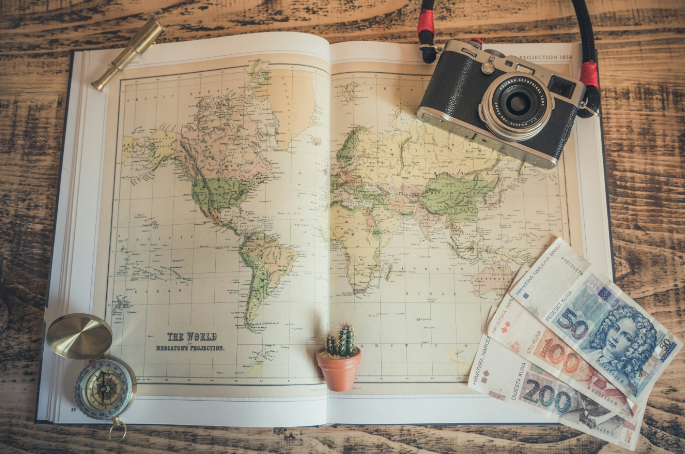
Solo travel is an increasingly popular way for individuals to explore the world, offering a unique blend of adventure, self-discovery, and independence. More travelers are choosing to embark on journeys alone, seeking the freedom to craft their own itineraries and engage with destinations on a deeper level. The rise of solo travel can be attributed to various factors, including the growth of budget travel options, online resources, and social media platforms that inspire individuals to step out of their comfort zones.
One of the primary benefits of traveling alone is the opportunity for personal growth. When navigating a foreign land by oneself, travelers often encounter unexpected challenges and experiences that foster resilience and adaptability. Overcoming language barriers, deciphering maps, and discovering local customs while solo traveling can lead to a stronger sense of self and increased confidence. Additionally, the absence of travel companions allows for uninterrupted self-reflection, enabling travelers to learn more about their preferences and interests.
Traveling alone comes with the advantage of unparalleled flexibility. Without the need to accommodate the preferences of a travel partner, solo adventurers can change their plans spontaneously and immerse themselves in the local culture at their own pace. This freedom allows for serendipitous experiences, such as striking up conversations with locals or participating in community events without the constraints of a companion’s schedule. Furthermore, solo travelers often have the opportunity to build new friendships with fellow travelers and locals, enriching their journeys.
In summary, solo travel offers a unique avenue for exploration that fosters independence, personal growth, and flexibility. As more individuals embrace the notion of traveling alone, they contribute to a broader culture of empowerment and adventure, leading to transformative experiences around the globe.
Planning Your Trip: Research and Budgeting
When embarking on a solo travel adventure, careful planning and budgeting are paramount for ensuring a smooth and enjoyable experience. To begin, dedicate time to comprehensive destination research. This entails understanding the local culture, language, climate, and safety protocols. Make use of travel blogs, guidebooks, and reputable websites to gather information on must-visit attractions, potential challenges, and local customs. Such insights will allow you to determine if the destination aligns with your personal interests and safety requirements.
Budgeting forms an equally critical component of trip planning. Assess your finances and create a realistic budget that encompasses all potential expenses, including accommodations, meals, transportation, activities, and incidental costs. It is wise to allocate additional funds for unforeseen circumstances. Keep in mind that the costs can vary significantly between destinations, so consider choosing locations that fit within your financial constraints. Moreover, use budgeting apps to track your spending as you travel, ensuring that you remain within your set limits.
While planning, consider securing travel insurance. It provides a safety net in the event of emergencies such as medical incidents or trip cancellations. Compare various policies to find one that offers comprehensive coverage at reasonable rates, thus safeguarding your investment in travel.
Lastly, ensure that all necessary documentation is in order prior to your departure. This includes a valid passport, necessary visas, and any required permits for activities at your destination. By taking the time to prepare these critical documents, you will eliminate potential stress and obstacles during your travels.
Choosing Safe Destinations
When traveling solo, selecting safe destinations is paramount to ensure a secure and enjoyable experience. Various factors play a key role in determining a location’s safety, including crime rates, local laws, and healthcare availability. Therefore, conducting thorough research before finalizing travel plans is essential.
Start by reviewing travel advisories issued by government agencies, such as the U.S. Department of State or the UK Foreign Office. These resources provide up-to-date information on safety ratings for specific countries and regions, empowering solo travelers to make informed decisions. Pay particular attention to areas with elevated risks of crime or civil unrest, as these can significantly impact safety.
In addition to government advisories, online travel forums and community-based platforms, such as TripAdvisor, Lonely Planet’s Thorn Tree, or Reddit, offer valuable insights from fellow travelers. Engaging with these communities allows you to gather first-hand accounts and recommendations for safe neighborhoods and attractions, as well as warnings about potential dangers.
Utilize safety apps that provide information about crime statistics, local emergency contacts, and safe routes for navigating unfamiliar areas. Apps like SafeAround or TravelSafe can be beneficial in evaluating the safety of your chosen destination while providing real-time updates and resources.
By assessing safety ratings and local conditions thoroughly, solo travelers can select destinations that prioritize their well-being, ensuring a more enjoyable experience as they embark on their adventures. Remember, the key to a successful solo trip lies not only in choosing exciting locations but also in ensuring that these places are conducive to safe travel.
Packing Wisely for Solo Travel
Packing efficiently is crucial for solo travelers, as it not only affects mobility but also overall travel experience. When determining what to pack, it is important to consider factors such as the destination, duration of the trip, and activities planned. A well-thought-out packing strategy can enhance safety, comfort, and adherence to a budget.
Firstly, it is advisable to create a comprehensive packing list ahead of time. This helps in evaluating essential items against unnecessary ones, ensuring that each piece serves a purpose. For budget-friendly packing, prioritize multifunctional clothing that can be mixed and matched to create various outfits. This method not only saves space but also reduces expenditure on clothes specific to one setting.
When it comes to safety, choose durable, lightweight luggage that can be easily carried. Opt for a backpack or a suitcase with locking mechanisms to secure valuables and documents. Additionally, it remains important to carry a day pack for day trips, and it should be equipped with essentials such as a first aid kit, personal identification, and emergency contact information. Storing items in a way that they can be easily accessed will enhance safety and convenience during travel.
The duration of the trip greatly influences packing choices. For short trips, it is feasible to adhere to carry-on luggage, significantly avoiding extra fees related to checked bags. On the other hand, for extended travels, a more comprehensive packing approach may be needed. Take into consideration laundry options available at the destination, as this may allow for packing fewer clothing items.
Lastly, always be aware of the local cultural attire and climate when packing. Appropriately dressing for the destination not only helps with blending in but also ensures adherence to local customs, ultimately promoting a safer travel experience.
Staying Connected and Secure
In today’s digital age, maintaining connectivity while traveling is essential, especially for solo travelers. To ensure safety and accessibility, having a reliable mobile or data plan is a priority. When planning your trip, consider purchasing a local SIM card upon arrival at your destination or an international plan from your home carrier. This will help you avoid exorbitant roaming charges and allow you to stay connected with family and friends, as well as access vital information on the go.
Furthermore, utilizing safety apps can significantly enhance your travel experience. Applications like Google Maps facilitate navigation, while ride-sharing platforms offer secure transportation options. Alternatively, personal safety apps, such as Life360 or bSafe, allow you to share your location with trusted contacts, providing peace of mind while exploring unfamiliar places. Always ensure that your phone is equipped with emergency contacts and that location sharing is activated, providing an extra layer of security.
In addition to apps, regular check-ins with friends or family can enhance your safety. Set a consistent schedule to communicate with loved ones, even if it’s just a quick message letting them know you are safe. This can be as simple as sending a photo or a status update at the end of each day. Such small gestures not only reassure your contacts but also help you stay grounded during your solo travel adventure. Always remember that while you cherish your independence, staying connected plays a vital role in ensuring your security and well-being throughout your journey.
Connecting with Others While Traveling Alone
Traveling solo offers an incredible opportunity for personal growth and adventure. However, one of the most significant challenges can be feelings of isolation. Fortunately, there are numerous strategies travelers can employ to connect with others, making the solo journey more enriching and enjoyable.
One of the most effective ways to meet people while traveling alone is to stay in hostels. These budget-friendly accommodations are often hubs for solo travelers, providing an atmosphere conducive to social interaction. Many hostels organize group activities, such as city tours, game nights, or communal dinners that foster connections among guests. Moreover, the shared facilities, such as kitchens and lounges, naturally encourage interactions, allowing travelers to strike up conversations with fellow guests.
In addition to hostels, leveraging social media can significantly broaden your networking opportunities. Numerous groups exist on platforms like Facebook where travelers share tips, meet-ups, and experiences from around the world. Joining these communities before or during your trip can help you find people with similar interests, whether it’s hiking, photography, or cultural exploration. Platforms like Couchsurfing also facilitate meeting locals who can offer a personal insight into the region and its culture.
Travel apps such as Meetup or Bumble BFF are other practical tools for solo travelers, enabling them to discover local events or connect with residents interested in making new friends. From group hikes to language exchanges, these platforms allow travelers to engage with both locals and other visitors, helping to create memorable experiences.
Ultimately, while solo travel presents its challenges, it also offers ample opportunities for connection. By utilizing hostels, engaging with social media, and exploring travel apps, individuals can meet new friends, share experiences, and create lasting connections across the globe.
Staying Safe: Tips for Solo Travelers
Traveling solo can be an enriching and liberating experience, yet it also necessitates a heightened awareness of safety. For solo travelers, staying vigilant is essential to ensure a secure journey. Here are several key safety tips designed to help those venturing out alone.
Firstly, one of the most fundamental ways to maintain safety is to remain aware of your surroundings. This should include being conscious of the people around you and the environment you are in. Taking the time to observe various situations and noting any unusual behavior can help you identify potential threats. It is recommended to avoid distractions, such as excessive phone usage, while walking in unfamiliar areas.
Secondly, always trust your instincts. If something feels off or uncomfortable, it is wise to remove yourself from that situation. Whether it’s a concerning individual or a questionable location, heeding your gut feeling often plays a crucial role in ensuring your safety. Planning your route in advance and opting for well-lit, populated areas can also enhance your sense of security while navigating new destinations.
Furthermore, maintaining protection of personal belongings is paramount when traveling alone. Utilizing anti-theft bags that are designed with secure compartments can safeguard your valuables. Always keep essentials like passports and money secured close to your body, and be cautious when accessing them in public. Additionally, consider having copies of important documents stored digitally or with a trusted individual back home for added security.
Finally, stay connected. Keeping in touch with friends or family members about your whereabouts can greatly enhance your safety measures when traveling solo. Utilize technology to share your location or send updates during your journey. By following these tips, solo travelers can significantly improve their safety while enjoying an unforgettable experience abroad.
Budget-Friendly Accommodation Options
When traveling solo, finding affordable yet comfortable accommodation is crucial for maintaining a budget while ensuring safety. Various options are available with unique advantages and disadvantages, including hostels, guesthouses, and alternative home-stay services.
Hostels are one of the most popular choices among budget travelers. They typically offer dormitory-style rooms at affordable rates, making them an excellent option for those looking to save money. Furthermore, hostels often have communal spaces where travelers can meet fellow adventurers, fostering a sense of community. However, the shared nature of hostels may pose challenges, such as noise and reduced privacy, which solo travelers should consider when selecting this option.
Guesthouses present another economical alternative. Often run by local families, guesthouses provide a more personalized experience, allowing travelers to gain insights into the local culture. Prices can vary, but guesthouses often offer private rooms at rates comparable to hostel dorms. While guesthouses may not have the extensive amenities of larger hotels, they often feature a homely atmosphere, which can enhance the travel experience. Still, availability can be limited in popular destinations, so booking in advance is advisable.
Alternative home-stay services have gained popularity in recent years. Platforms like Airbnb and Couchsurfing allow travelers to stay in locals’ homes, often at lower costs than traditional accommodations. This option provides a unique opportunity to experience life in a new place authentically. However, travelers should consider the importance of researching hosts to ensure safety. Reviews and ratings can be valuable tools in this regard.
In summary, there are numerous budget-friendly accommodation options suitable for solo travelers. Understanding the pros and cons of each can help make an informed decision, ultimately enhancing the travel experience while adhering to a budget.
Conclusion: Embracing the Solo Travel Experience
Traveling solo on a budget can be one of the most rewarding experiences one can embark upon. It offers an incredible opportunity for self-discovery, cultural immersion, and personal growth. When you navigate the world alone, every encounter, whether it is with fellow travelers or locals, becomes a chance to learn and expand your horizons. This journey allows for flexibility, as solo travelers can tailor their itineraries to suit their interests and pace, without the compromise that often comes with group travel.
Budget travel encourages creative solutions; from choosing affordable accommodation in hostels to utilizing public transportation, solo travelers can significantly reduce expenses while maximizing their experiences. Additionally, the challenge of budgeting and planning can enhance your organizational skills and financial awareness, both invaluable for future endeavors.
While it is natural to feel apprehensive about stepping out of your comfort zone, embracing the freedom and independence that solo travel brings can lead to profound personal transformation. Engaging with new cultures, trying local cuisines, and exploring unfamiliar landscapes fosters a sense of adventure that is both exhilarating and empowering. By facing challenges alone, you develop resilience and adaptability—qualities that are sure to enrich both your travels and everyday life.
In conclusion, embarking on a solo journey is not merely about the destinations; it is about the experiences that shape you along the way. It is a testament to your courage and an introduction to the world in a way that is uniquely yours. Embrace the adventure, trust your instincts, and let the joys of solo travel enhance your life in ways you never imagined.