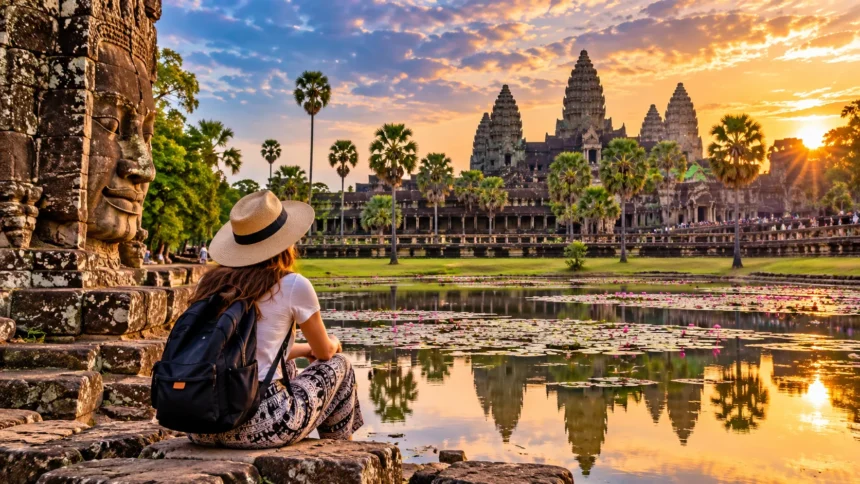
Cambodia is one of Southeast Asia’s most fascinating travel destinations, known for its ancient temples, tropical islands, beautiful countryside, and rich cultural heritage. From the magnificent Angkor Wat temple complex to the lively streets of Phnom Penh, the country offers unforgettable experiences for travelers. This Cambodia travel guide will help you discover the best things to do, famous attractions, and beautiful places worth exploring.
Located between Thailand, Laos, and Vietnam, Cambodia combines remarkable historical landmarks with natural beauty and welcoming local communities. Visitors can explore centuries-old Khmer temples, discover traditional markets, relax on tropical beaches, and experience unique cultural traditions. Each destination offers something different, making Cambodia suitable for history enthusiasts, nature lovers, and adventurous travelers.
In this guide, we will explore Cambodia’s top tourist attractions, cultural experiences, beautiful destinations, and practical travel tips. You will also learn about the best time to visit Cambodia, transportation options, and how to plan a memorable vacation.
Why Cambodia Is Worth Visiting
Cambodia attracts travelers because of its impressive combination of historical landmarks, cultural traditions, and natural landscapes. The country is home to Angkor Wat, one of the world’s most remarkable ancient temple complexes. Beyond its famous temples, visitors can discover beautiful countryside, peaceful rivers, bustling cities, and tropical islands surrounded by clear blue water.
Another reason Cambodia stands out is its rich Khmer heritage, which remains an important part of everyday life. Traditional architecture, Buddhist customs, colorful festivals, and local cuisine reflect the country’s cultural identity. Travelers can experience these traditions by visiting historical sites, exploring markets, and spending time in communities across different regions.
Cambodia can also be an appealing destination for travelers seeking experiences at different price levels. Accommodation ranges from simple guesthouses to comfortable hotels and luxury resorts, while local food is often reasonably priced. With thoughtful planning, visitors can explore cultural attractions, enjoy natural scenery, and discover several destinations during one vacation.
Visit Angkor Wat: Cambodia’s Most Famous Attraction
Angkor Wat is Cambodia’s most recognizable landmark and one of the largest religious monuments in the world. Located near Siem Reap, this extraordinary temple was constructed during the Khmer Empire in the twelfth century. Its impressive towers, detailed carvings, and remarkable architectural design make it an essential destination for travelers interested in history.
The temple complex features large courtyards, stone galleries, and intricate carvings illustrating historical and religious themes. Visitors can explore designated areas while appreciating the incredible craftsmanship involved in its construction. Watching the sunrise near Angkor Wat is particularly popular because the early morning light creates beautiful views of the temple’s famous towers.
Travelers should plan enough time to appreciate Angkor Wat without rushing through its historical features. Entry requires an appropriate Angkor pass, and visitors must follow the site’s conservation rules and dress requirements. Comfortable walking shoes, drinking water, and sun protection can make exploring the extensive temple grounds more enjoyable.
Explore Bayon Temple and the Ancient City of Angkor Thom
Bayon Temple is one of Cambodia’s most fascinating archaeological attractions and is located within the ancient city of Angkor Thom. The temple is particularly famous for its enormous stone faces carved into several towers. These remarkable sculptures create a distinctive atmosphere and showcase the artistic achievements of the Khmer Empire.
Angkor Thom was an important royal city established during the reign of King Jayavarman VII. Visitors can explore monumental entrances, ancient stone structures, and archaeological remains that reveal the city’s historical significance. The surrounding area contains additional attractions, including the Terrace of the Elephants and other impressive architectural features.
Exploring Bayon and Angkor Thom provides a deeper understanding of Cambodia’s ancient civilization beyond Angkor Wat. Travelers can appreciate the stone carvings, historical layout, and remarkable building techniques used centuries ago. Hiring a knowledgeable local guide can help explain the significance of the monuments while supporting responsible cultural tourism.
Discover Ta Prohm Temple and Its Giant Tree Roots
Ta Prohm is one of the most unusual temples within the Angkor Archaeological Park. It is widely recognized for its massive tree roots growing around ancient stone walls and structures. The combination of architecture and surrounding forest creates an impressive atmosphere that attracts photographers, history enthusiasts, and curious travelers.
Originally constructed during the reign of Jayavarman VII, Ta Prohm was part of a larger religious and educational complex. Today, sections of the temple remain closely connected with the surrounding vegetation. Visitors can walk along designated routes and observe how tree roots and historic stone structures have become intertwined over time.
Ta Prohm is often included in temple tours alongside Angkor Wat and Bayon. Visiting earlier in the day can help travelers enjoy the surroundings before the busiest sightseeing periods. Respecting conservation barriers and avoiding contact with fragile structures helps protect this important archaeological site for future generations.
Explore Siem Reap: Culture, Markets, and Local Attractions
Siem Reap is one of Cambodia’s most popular tourist destinations because it serves as the main gateway to Angkor Wat. However, the city offers much more than access to ancient temples. Visitors can explore local markets, discover Khmer restaurants, admire traditional crafts, and experience a welcoming cultural atmosphere.
The city features numerous shopping areas, cultural performances, and opportunities to learn about Cambodian traditions. Travelers can browse handmade products, sample local cuisine, and visit workshops dedicated to traditional craftsmanship. The Angkor National Museum is another interesting attraction for visitors seeking historical context before exploring the nearby archaeological sites.
Siem Reap also provides a convenient base for discovering attractions beyond the main temple complex. Nearby villages, countryside landscapes, and cultural experiences offer a broader perspective on Cambodian life. Spending several days in the city allows travelers to enjoy both historical sightseeing and modern local experiences.
Visit Phnom Penh: Cambodia’s Capital City
Phnom Penh is Cambodia’s capital and largest city, offering a fascinating combination of historical landmarks, cultural attractions, and modern urban life. Located near the meeting point of major rivers, the city features beautiful waterfront areas and impressive architectural buildings. It is an excellent destination for travelers interested in understanding Cambodia’s past and present.
The Royal Palace is one of Phnom Penh’s most recognizable attractions, known for its traditional Khmer architecture and decorative buildings. Nearby, the Silver Pagoda contains important religious and cultural treasures. Visitors can also explore the National Museum of Cambodia, which displays a remarkable collection of Khmer sculptures and historical artifacts.
Phnom Penh’s riverside area provides opportunities for walking, sightseeing, and discovering restaurants serving traditional Cambodian food. Travelers can also explore markets and neighborhoods reflecting the city’s cultural diversity. Spending two or three days in the capital provides enough time to appreciate several major attractions without feeling rushed.
Learn About Cambodia’s History at Important Museums
Understanding Cambodia’s modern history is an important part of appreciating the country’s cultural development and resilience. Phnom Penh contains several educational institutions dedicated to preserving historical records and personal experiences. These locations help visitors understand significant events that shaped Cambodian society during the twentieth century.
The Tuol Sleng Genocide Museum is an important memorial and educational institution documenting the Khmer Rouge period. Its exhibitions address difficult historical events, so visitors should consider whether the material is appropriate for them. The museum encourages remembrance and reflection while preserving historical evidence for future generations.
Travelers can also learn about Cambodia’s history through cultural museums, guided educational experiences, and community heritage initiatives. These institutions provide opportunities to understand the country’s challenges and achievements beyond its famous ancient temples. Approaching sensitive historical locations respectfully helps create a meaningful and thoughtful cultural experience.
Discover Tonlé Sap Lake and Floating Communities
Tonlé Sap Lake is one of Cambodia’s most important natural landmarks and plays a significant role in the country’s environment and economy. Located in central Cambodia, it is Southeast Asia’s largest freshwater lake by surface area during the wet season. Its changing water levels create a distinctive ecosystem supporting fishing communities and diverse wildlife.
Visitors can explore selected lakeside communities through appropriate organized excursions. Some areas feature houses built on stilts or floating structures designed to accommodate seasonal water changes. These communities provide insight into how local residents adapt their daily lives to the lake’s unusual environmental conditions.
Responsible tourism is particularly important when visiting communities around Tonlé Sap. Travelers should choose operators that respect residents, avoid intrusive photography, and contribute positively to the local economy. Seasonal water levels can affect boat routes and accessibility, making advance planning helpful for an enjoyable visit.
Explore Battambang: Art, Architecture, and Countryside
Battambang is one of Cambodia’s most interesting cities for travelers who enjoy traditional architecture, local culture, and peaceful countryside scenery. Located in northwestern Cambodia, the city features historic buildings, riverside streets, and a growing creative community. Its relaxed atmosphere offers a different experience from the busier tourist areas of Siem Reap.
Visitors can explore local markets, discover art galleries, and appreciate architectural influences from different historical periods. The surrounding countryside contains villages, agricultural landscapes, and additional cultural attractions. Battambang is also known for performances by Phare Ponleu Selpak, a Cambodian arts organization supporting creative education and cultural expression.
Spending time in Battambang provides an opportunity to experience Cambodian urban life at a slower pace. Travelers can explore the town center and discover nearby countryside attractions with reputable local guides. The city’s combination of history, art, and traditional surroundings makes it a rewarding addition to a Cambodia travel itinerary.
Visit Kampot and Kep: Scenic Riverside and Coastal Towns
Kampot is a charming destination in southern Cambodia, known for its peaceful riverside setting, surrounding countryside, and famous pepper-growing region. The town features traditional buildings, small restaurants, and beautiful natural scenery. Visitors interested in a relaxed atmosphere often include Kampot in their travel plans after exploring Cambodia’s larger cities.
Popular experiences around Kampot include countryside sightseeing, discovering pepper farms, and exploring nearby natural attractions. Bokor National Park offers mountain landscapes, historical buildings, and scenic viewpoints, although weather conditions can affect visibility. Travelers can also enjoy the town’s riverside atmosphere and sample dishes featuring locally produced Kampot pepper.
Nearby Kep is a small coastal destination known for its seafood traditions, attractive shoreline, and peaceful surroundings. Visitors can explore suitable coastal walking areas, enjoy local restaurants, and discover natural scenery around Kep National Park. Combining Kampot and Kep creates a varied travel experience featuring rivers, mountains, local food, and coastal landscapes.
Relax on Koh Rong and Cambodia’s Tropical Islands
Cambodia’s southern coastline is home to beautiful islands offering sandy beaches, tropical forests, and clear ocean water. Koh Rong is one of the country’s most recognized island destinations and attracts travelers interested in relaxation and coastal scenery. Its beaches provide a refreshing contrast to Cambodia’s busy cities and historical attractions.
Visitors can enjoy walking along the shoreline, relaxing beneath palm trees, and appreciating tropical sunsets. Some organized activities may include snorkeling or boat excursions when conditions are suitable. Beach facilities and accommodation options vary between island areas, so selecting the right location depends on personal preferences and travel plans.
Koh Rong Sanloem is another island destination known for its peaceful coastal environment and beautiful beaches. Travelers should check current ferry services, accommodation availability, and weather conditions before planning an island stay. Responsible beach tourism, including avoiding litter and protecting marine environments, helps preserve these attractive natural destinations.
Discover Kratie and the Mekong River
Kratie is a riverside town in northeastern Cambodia known for its peaceful atmosphere and beautiful views of the Mekong River. The town offers opportunities to explore traditional communities, enjoy scenic landscapes, and experience a quieter side of the country. Its location makes it especially interesting for travelers exploring Cambodia beyond the major tourist routes.
One of the region’s best-known attractions is the opportunity to observe endangered Irrawaddy dolphins in sections of the Mekong River. Wildlife sightings are not guaranteed, and visitors should choose responsible operators that follow conservation guidelines. Observing these animals respectfully helps support awareness of the environmental challenges affecting the species.
Kratie also provides access to river islands, rural scenery, and traditional Cambodian communities. Travelers can appreciate beautiful sunsets along the waterfront and explore local markets. Including Kratie in a longer itinerary offers an opportunity to discover the country’s natural heritage and experience everyday life along the Mekong.
Best Time to Visit Cambodia for Weather and Sightseeing
The best time to visit Cambodia is generally during the dry season, which runs approximately from November through April. These months often provide favorable conditions for exploring temples, walking through cities, and enjoying outdoor attractions. December and January are particularly popular because temperatures are generally more comfortable than during the hottest months.
March and April can become very hot, especially when exploring open archaeological sites during midday. The rainy season usually extends from May through October, bringing frequent showers and higher humidity. However, rainfall also creates lush green landscapes and can make countryside scenery particularly beautiful.
Travelers should select their dates based on preferred activities, weather conditions, and budget. The dry season often attracts larger tourist crowds, while wetter months may offer a quieter atmosphere at certain attractions. Packing lightweight clothing, rain protection, and comfortable walking shoes helps visitors prepare for Cambodia’s tropical climate.
Important Travel Tips for Visiting Cambodia
Planning transportation is important because Cambodia’s major attractions are spread across different regions. Buses, private transfers, domestic flights where available, and other transport services connect popular destinations. Travelers should allow sufficient journey time and choose reputable transportation providers, particularly when moving between cities and coastal areas.
Visitors should also check passport validity, visa requirements, and entry procedures before traveling. Requirements depend on nationality and can change, so official government information should guide travel preparation. Carrying suitable travel insurance and keeping important documents secure can help reduce difficulties during the trip.
Respecting cultural traditions is another essential part of traveling responsibly in Cambodia. Modest clothing is expected at many religious sites, particularly when visiting temple sanctuaries. Travelers should also avoid touching historic carvings, follow local photography rules, and respect communities while exploring Cambodia’s cultural and natural attractions.
Conclusion
Cambodia offers an extraordinary combination of ancient temples, fascinating cultural traditions, beautiful countryside, and tropical coastal destinations. From the impressive architecture of Angkor Wat to the historic landmarks of Phnom Penh, travelers can discover attractions that reveal the country’s remarkable heritage. Each region provides memorable experiences for visitors interested in history, nature, and culture.
Exploring destinations such as Siem Reap, Battambang, Kampot, and Kratie allows travelers to experience different aspects of Cambodian life. Beautiful island destinations like Koh Rong also provide opportunities for relaxation beside the ocean. Combining major landmarks with quieter destinations can create a balanced and rewarding travel itinerary.
Before visiting Cambodia, consider seasonal weather, transportation arrangements, accommodation, and local cultural expectations. Allow enough time to explore attractions without rushing and support responsible tourism practices wherever possible. With thoughtful planning, Cambodia can offer an unforgettable Southeast Asian vacation filled with beautiful scenery, meaningful discoveries, and lasting memories.
Frequently Asked Questions
What is Cambodia most famous for?
Cambodia is most famous for Angkor Wat, its ancient Khmer temples, and rich cultural heritage. The country is also known for beautiful tropical islands, traditional markets, historic cities, and scenic countryside landscapes.
How many days are enough to visit Cambodia?
Seven to ten days can provide enough time to explore Siem Reap, Phnom Penh, and another destination. Travelers wanting to visit islands and smaller towns may prefer two weeks.
What is the best month to visit Cambodia?
December and January are often excellent months because temperatures are relatively comfortable and rainfall is generally lower. However, these months can also attract larger crowds at popular tourist attractions.
Is Cambodia expensive for tourists?
Cambodia can be relatively affordable, with accommodation, food, and transportation available at different price levels. Actual expenses depend on travel style, attractions, transportation choices, and accommodation preferences.
Is Cambodia worth visiting for first-time travelers?
Yes, Cambodia offers remarkable temples, cultural experiences, historic landmarks, and beautiful natural scenery. First-time visitors often begin with Siem Reap and Phnom Penh before exploring additional destinations based on their interests.