


Understanding Lifelong Curiosity
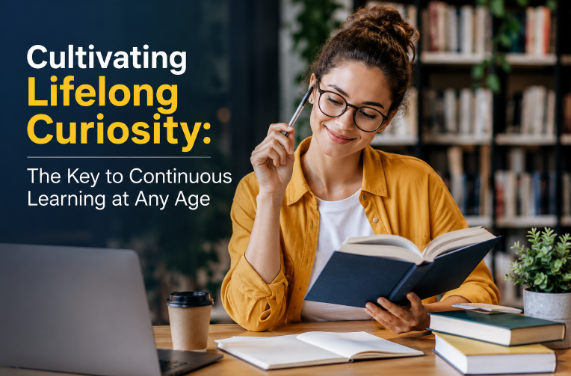
Lifelong curiosity can be defined as an innate desire and ongoing pursuit of knowledge and understanding, one that transcends age and context. It is a stimulating force that encourages individuals to continuously seek and explore new ideas, concepts, and experiences throughout their lives. Whether in a professional setting or personal endeavors, cultivating this quality enriches one’s life and fosters an adaptable mindset.
In a professional development context, the importance of curiosity cannot be understated. Curiosity drives innovation and creativity, allowing individuals to approach problems with an open mind. This mindset enhances problem-solving abilities, as curious individuals are more inclined to explore various solutions and perspectives before arriving at conclusions. As a result, they can respond more effectively to challenges, driving both personal and organizational growth.
Additionally, embracing lifelong curiosity fosters a profound sense of fulfillment. When individuals invest time in learning and exploring new topics or skills, they are able to break away from monotony and routine. The excitement of discovering new information can boost overall happiness and contribute to a positive self-image. Engaging with new subjects often results in finding greater meaning in life, as individuals connect more deeply with their interests.
Moreover, fostering a culture of curiosity not only benefits individuals but also enhances group dynamics in various environments. When teams encourage curiosity, they create an atmosphere that values learning from one another and sharing insights, ultimately leading to improved collaboration and productivity.
In conclusion, cultivating lifelong curiosity is essential for continuous personal and professional development. By nurturing this intrinsic motivation, individuals enhance their ability to adapt, grow, and derive satisfaction from their experiences, leading to a richer, more fulfilling life.
The Benefits of Continuous Learning
Continuous
learning offers a multitude of benefits that extend beyond mere knowledge acquisition. One of the most significant cognitive advantages is the enhancement of memory and mental agility. Engaging in lifelong learning activates the brain,
encouraging new neural connections that improve overall cognitive function. Research shows that individuals who regularly challenge themselves with new skills or information report not only better memory recall but also a marked increase in problem-solving abilities.
Emotionally, continuous learning fosters resilience and adaptability. In an ever-evolving world, individuals who remain committed to lifelong learning are better equipped to handle change and adversity. For instance, a 60-year-old who takes up digital marketing courses online may find themselves more adept at navigating the challenges of a technology-driven environment, reducing feelings of anxiety and isolation that can accompany aging. The adaptability gained through learning can lead to improved mental health and a more positive outlook on life.
Real-life examples abound. Consider the story of a retired nurse who, seeking to understand the rising field of telemedicine, enrolls in courses to keep her skills current and relevant. Her willingness to learn not only revitalizes her career but also provides her with a sense of purpose. Another example is a former factory worker who, after being laid off, decides to pursue a degree in computer science at an adult education center. By embracing continuous learning, he enhances his employability and finds new pathways to personal satisfaction.
Overall, the benefits of continuous learning are profound—improving cognitive function, fostering emotional resilience, and providing real-life opportunities for growth and adaptation. Such learning is not limited by age but is a lifelong journey that enriches our lives in countless ways.
Identifying Personal Interests and Passions
In the pursuit of lifelong curiosity, recognizing personal interests and passions serves as a foundational step. These elements not only fuel motivation but also guide ongoing learning experiences. To effectively identify one’s interests, individuals may engage in a variety of reflective exercises and explore new activities.
One effective method is to set aside time for self-reflection. This can involve journaling about past experiences that elicited joy or intrigue. Questions to contemplate might include: What activities have brought me satisfaction? When have I felt most engaged? By revisiting these moments, individuals can uncover themes that point toward genuine interests.
Additionally, exploring new hobbies and activities can open doors to previously unrecognized passions. Joining clubs, attending workshops, or participating in community events creates opportunities to experiment with diverse subjects. Not only does this broaden exposure, but it can also lead to unexpected discoveries. For instance, trying out painting, learning a musical instrument, or even participating in a community garden can ignite curiosity and enthusiasm.
Seeking feedback from friends and family can also provide valuable insights. Often, those close to us can observe patterns in our behaviors or interests that we may overlook. Engaging in conversations about hobbies and passions can reveal shared interests, thus fostering deeper connections and potential collaborative experiences.
As individuals delve into the process of identifying their interests, it is essential to remain open-minded and playful. The journey toward uncovering passions may not always be linear, but embracing the exploration allows for a richer appreciation of learning. By recognizing these elements, one can create a foundation for lifelong curiosity that enhances personal growth and continuous learning.
Setting Realistic Learning Goals
Establishing achievable learning goals is essential for fostering lifelong curiosity and promoting continuous learning. Setting these goals not only provides direction but also encourages motivation and engagement throughout the learning process. One effective strategy for goal setting is the implementation of the SMART criteria, which emphasizes the importance of making objectives Specific, Measurable, Achievable, Relevant, and Time-bound.
When crafting specific goals, it is vital to clearly define what you want to learn or achieve. For instance, instead of setting a vague objective like “I want to learn a language,” a specific goal would be “I aim to complete level one of the Spanish language course on a learning platform.” This clarity enhances focus, enabling more effective learning.
Measurable goals allow individuals to track their progress effectively. This could involve setting targets such as dedicating one hour daily to practice or aiming to learn 30 new vocabulary words each week. By establishing these metrics, learners can assess their advancement toward their overall objective.
Achievable goals should consider the learner’s current skills and available resources. Setting a target that is within reach helps maintain motivation. For example, if someone is just starting out, it would be more realistic to aim for a conversational proficiency rather than fluency right away. Building on smaller successes can lead to increased confidence and deeper curiosity.
The relevance of a goal is critical; it should align closely with personal interests or professional aspirations. Goals like “I will read one book related to my industry every month” can foster a direct link between learning and immediate application. Lastly, ensuring that learning objectives are time-bound, such as completing a course by a specific date, provides a necessary sense of urgency while also promoting accountability.
Incorporating SMART criteria into goal setting can significantly enhance the effectiveness of one’s learning journey. As learners define clear and attainable objectives, they can cultivate an enduring curiosity integral to continuous learning and personal development.
Embracing a Growth Mindset
The concept of a growth mindset, popularized by psychologist Carol Dweck, emphasizes the ability of individuals to develop their skills and intelligence through hard work, dedication, and learning from experiences. Unlike a fixed mindset, where individuals believe their abilities are static, a growth mindset encourages resilience and the acceptance of challenges as opportunities for growth. This perspective fosters continuous learning and adaptability, crucial attributes in today’s rapidly changing world.
To cultivate a growth mindset, one can adopt several practical techniques. Firstly, it is essential to embrace challenges rather than avoid them. When faced with difficulties, viewing them as opportunities to learn can enhance one’s capabilities. This approach not only builds resilience but also instills a sense of achievement upon overcoming adversities.
Secondly, learning to accept constructive criticism is vital for personal growth. Feedback should be viewed as a valuable tool for development rather than a personal attack. Engaging with constructive criticism and applying it can lead to improved performance and understanding.
Another effective technique is to celebrate the successes of others. Rather than feeling threatened by the achievements of peers, adopting a posture of admiration can inspire individuals to strive for their own goals. This transition in perspective helps diminish feelings of envy, which are typically associated with a fixed mindset, and fosters a collaborative environment conducive to learning.
Furthermore, practicing self-reflection can significantly contribute to developing a growth mindset. Assessing one’s progress, acknowledging setbacks, and identifying lessons learned can enhance self-awareness and facilitate ongoing development. By shifting perspectives about challenges and setbacks, individuals can cultivate a robust framework for lifelong learning.
Creating a Learning Environment
To foster lifelong curiosity and promote continuous learning, creating an effective learning environment is essential. This environment can be established at home, within the workplace, or within community spaces. At the core of a productive learning environment is the notion of exploration, where curiosity is encouraged, nurtured, and rewarded.
At home, one effective method to enhance curiosity is by designating specific areas for learning and exploration. These areas should be engaging, filled with resources that spark interest, such as books, educational toys, or art supplies. Moreover, parents and guardians can actively participate in learning activities alongside children, thereby reinforcing a shared value of curiosity. Open discussions about various subjects not only stimulate the mind but also results in deeper relationships grounded in collaborative learning.
In the workplace, fostering a culture of continuous learning can become an instrumental part of professional development. Employers can create opportunities for employees to engage in workshops, training, or collaborative projects. It is equally important for organizations to facilitate mentorship programs, where experienced professionals can guide and inspire newer employees. This not only enhances individual skills but also cultivates a supportive atmosphere where questions and innovative ideas are welcomed.
Community spaces, such as libraries or community centers, also serve as vital resources in encouraging exploration and education. These environments should be equipped with programs and activities aimed at all age groups, facilitating accessible knowledge and engagement. Workshops and discussion groups can empower individuals to delve deeper into their interests, thus nurturing a sense of curiosity outside formal educational institutions.
Overall, a conducive learning environment, whether at home, work, or in the community, plays a crucial role in encouraging lifelong curiosity. By integrating supportive relationships and access to diverse resources, individuals can discover new interests and develop a passion for learning that lasts a lifetime.
Leveraging Technology for Learning
In today’s digital age, technology has emerged as a powerful tool in the quest for continuous learning and lifelong curiosity. The internet is brimming with resources that cater to varying interests, allowing individuals to explore new topics and expand their knowledge base. Online learning platforms such as Coursera, edX, and Udacity offer a plethora of courses across various disciplines, enabling learners to engage with industry experts and academic professionals. These platforms feature not only lecture materials but also forums for discussion, fostering a sense of community among learners.
In addition to formal courses, a wealth of educational apps can effectively supplement one’s learning journey. Apps like Duolingo provide an interactive way to learn new languages, while platforms such as Khan Academy facilitate understanding of complex subjects through engaging video content. These applications are designed with user-friendly interfaces that enhance the learning experience, making it easier for individuals to commit to their educational goals.
Social media and online communities also play an important role in cultivating curiosity. Platforms like Reddit and Quora allow users to engage in discussions about diverse topics, encouraging the sharing of knowledge and perspectives. Joining interest-based groups on Facebook or LinkedIn can also provide networking opportunities, as well as access to exclusive resources and events. These communities become not just sources of information but also motivational spaces where learners can thrive.
To maximize the benefits of technology in fostering lifelong curiosity, it is essential to set specific learning objectives. Designate a certain amount of time daily or weekly for exploring new content, thus creating a structured approach to learning. By utilizing technology effectively, individuals can not only stay informed but also remain engaged with the world around them, continuously cultivating their curiosity throughout life.
Engaging with Diverse Perspectives
To cultivate lifelong curiosity, it is essential to actively engage with diverse perspectives. This engagement can stem from various sources such as meaningful discussions, insightful reading, immersive travel experiences, and collaborative work projects. Each of these avenues presents unique opportunities to broaden one’s understanding of the world and nurture a well-rounded outlook.
Engaging in discussions with individuals who possess different backgrounds is a powerful way to expand one’s awareness. By conversing with others who hold varied viewpoints, we can challenge our own beliefs and assumptions, leading to heightened intellectual curiosity. This could happen in informal settings, such as local discussion groups, or more structured environments like academic forums and workshops.
Reading literature from different cultures and perspectives also plays a critical role in the pursuit of continuous learning. Books, articles, and essays authored by writers from diverse backgrounds can spark interest and challenge prevailing narratives. Exploring genres outside one’s comfort zone can expose readers to various ideologies and experiences that may otherwise remain unknown.
Traveling to new destinations provides firsthand experiences that complement theoretical knowledge. This form of exploration invites individuals to immerse themselves in the traditions and practices of others, igniting a passion for learning. Travelers often return home with a refreshed curiosity about their own lives, spurred by new insights gained abroad.
Finally, collaboration with others across different fields fosters curiosity-driven innovation. By working alongside colleagues from various disciplines, we are pushed to think inclusively and draw from a wider array of knowledge. This also reflects the principles of interdisciplinary learning, which emphasizes the interconnectedness of all knowledge areas.
By intentionally seeking to engage with diverse perspectives, we not only expand our own worldview but also embrace the essence of lifelong curiosity. Such engagement is crucial for continuous learning at any age, reinforcing the idea that knowledge is not static but rather a dynamic interplay of ideas and experiences.
Maintaining Momentum in Your Learning Journey
As individuals strive to cultivate lifelong curiosity through continuous learning, it is essential to maintain momentum throughout this journey. Numerous obstacles may arise, including time constraints, distractions, and occasional feelings of discouragement. However, proactively addressing these challenges can significantly enhance the learning experience and sustain motivation over time.
One effective strategy for maintaining momentum is to establish accountability partnerships. Engaging with a learning partner or a mentor adds a layer of responsibility because commitments are shared. Regularly scheduled check-ins and discussions about progress foster a supportive environment that encourages personal growth. Accountability partnerships not only help in tracking achievements but also provide an opportunity to exchange ideas and resources, further enriching the learning process.
Journaling is another powerful tool for continuous learners. By documenting thoughts, reflections, and newfound knowledge, individuals can create a personalized record of their learning journey. This practice significantly boosts self-awareness, allowing learners to identify patterns, recognize their progress, and adjust their strategies accordingly. Moreover, reviewing journal entries can reignite one’s enthusiasm for learning and highlight the growth that has occurred over time.
Celebrating milestones is crucial in sustaining motivation during the learning process. Acknowledging achievements, no matter how small, creates a sense of fulfillment and progress. Consider setting specific goals and rewarding oneself upon their completion. These rewards could range from treating oneself to a favorite activity or sharing accomplishments with friends and family. Such celebrations reinforce positive associations with learning and encourage further exploration.
In conclusion, by implementing strategies like accountability partnerships, journaling, and milestone celebrations, individuals can effectively maintain momentum in their learning journeys. These approaches not only help overcome obstacles but also ensure that the quest for knowledge continues throughout life, ultimately promoting a vibrant, ever-curious mindset.