


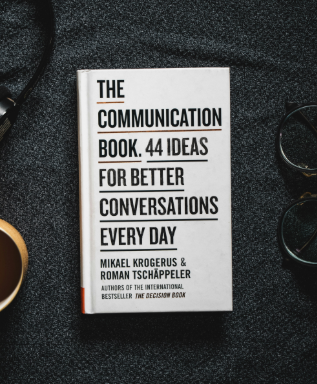
Introduction to Active Listening
Active listening is a critical skill in effective communication that transcends mere passive hearing. It involves fully engaging with the speaker, understanding their message, and providing feedback that demonstrates comprehension and empathy. Unlike hearing, which is a physiological process involving sound perception, active listening requires intention and focus. By actively participating in the communication process, listeners can foster better relationships, reduce the potential for misunderstandings, and enhance their overall emotional intelligence.
One of the primary benefits of active listening is its ability to promote understanding. When individuals engage in this form of listening, they not only absorb the words being spoken but also interpret the emotions and intentions behind those words. This deeper level of engagement helps in clarifying messages and ensures that both parties are on the same wavelength. The art of active listening encourages participants to ask open-ended questions, paraphrase, and summarize thoughts, which thereby reinforces comprehension and affirms the speaker’s feelings.
Furthermore, active listening acts as a foundation for building empathy in relationships. By practicing this skill, individuals learn to appreciate different perspectives and recognize the underlying feelings in conversations. This awareness cultivates an environment of trust and openness, allowing for more constructive dialogue. Active listening thus transforms interpersonal communication from a simple exchange of information into a meaningful connection that respects and values the experiences of others.
In conclusion, embracing active listening as a fundamental communication skill can lead to significant improvements in personal and professional relationships. Its capacity to enhance understanding and empathy makes it an invaluable asset in fostering deeper connections with others.
The Importance of Listening in Relationships
Listening is a fundamental component of effective communication and plays a pivotal role in nurturing and sustaining healthy relationships. It is not merely about hearing words; it is about understanding emotions, intentions, and underlying messages. When individuals actively listen, they demonstrate respect and validation to the speaker, thereby fostering an environment of trust and safety. This trust is crucial for establishing a deep emotional connection, which is often the cornerstone of intimacy in relationships.
Effective listening involves fully engaging with the speaker, both verbally and non-verbally. It requires paying attention to both the words and the emotions conveyed through tone and body language. This attentiveness serves to enhance mutual respect between partners, as it affirms that each person’s thoughts and feelings are valued. When partners feel heard and understood, they are more likely to express their true selves, leading to stronger, more meaningful connections.
On the contrary, poor listening habits—such as interrupting, dismissing feelings, or being distracted—can lead to misunderstandings and resentment. When individuals fail to listen actively, it creates an emotional distance that may erode trust and intimacy over time. In relationships where active listening is absent, partners can feel isolated and undervalued, resulting in a breakdown of communication and an increase in conflict. The inability to listen effectively can also lead one to misinterpret the intentions or feelings of the other person, further complicating interactions.
Investing time and effort into improving listening skills can substantially enhance relationship dynamics. By being attentive, empathetic, and open-minded, individuals can ensure that their relationships flourish, creating a supportive environment where both parties feel secure and appreciated.
Key Components of Active Listening
Active listening is an essential skill that fosters strong and meaningful connections between individuals. It comprises several key components that, when practiced together, enhance the quality of communication. The first fundamental element is paying attention. This involves not only hearing the words that are spoken but also grasping the underlying emotions and intent. To effectively pay attention, one must eliminate distractions and focus on the speaker, demonstrating their engagement through body language and eye contact.
The next critical component is showing empathy. Empathy in active listening goes beyond mere acknowledgment; it requires the listener to empathize with the speaker’s feelings and experiences. By expressing understanding, whether through verbal affirmations or thoughtful nods, the listener conveys that they value the speaker’s perspective. This connection helps to create a safe space for open communication, encouraging the speaker to share more freely.
Providing feedback is also a vital aspect of active listening. Feedback can take many forms, such as paraphrasing, summarizing key points, or asking clarifying questions. This not only reinforces that the listener has comprehended the message but also encourages further discussion. Thoughtful feedback shows that the listener is genuinely interested and invested in the conversation, prompting richer dialogue.
Lastly, it is essential to withhold judgment. Active listening requires an open mind and a non-judgmental attitude. Listeners should refrain from forming opinions while the speaker is addressing their thoughts. This allows for an unbiased reception of information, fostering honest exchanges. By embracing these four key components—paying attention, showing empathy, providing feedback, and withholding judgment—individuals can elevate their listening skills and contribute to more effective communication in their relationships.
Techniques to Enhance Active Listening Skills
Active listening is a crucial skill that can significantly improve the quality of interpersonal relationships. To refine your ability to listen actively, several techniques can be employed. Firstly, maintaining eye contact is essential as it demonstrates both attentiveness and respect towards the speaker. When you engage visually, it creates a connection that encourages open communication. It is important to balance your gaze; too much eye contact can feel intimidating, while too little can convey disinterest.
In addition to eye contact, the use of verbal prompts can facilitate more effective listening. Simple affirmations such as “I see” or “Go on” allow the speaker to feel heard and understood. These prompts encourage them to expand on their thoughts, showing that you are invested in the conversation. Furthermore, actively reflecting back what the speaker has said is a powerful technique. Paraphrasing their statements not only reassures the speaker that you are engaged but also helps clarify any potential misunderstandings.
To practice these skills in everyday conversations, consider implementing exercises that can sharpen your active listening abilities. One effective method involves pairing up with a friend or colleague to take turns speaking and listening. Each person can share their thoughts for a designated period while the other practices maintaining eye contact and using verbal prompts. Afterward, the listener can summarize the key points, reinforcing their understanding and retention of the information shared.
Additionally, establishing a distraction-free environment can enhance your focus. Put away electronic devices and minimize background noise to fully concentrate on the conversation. By incorporating these techniques into your interactions, you will be on a path toward becoming a more effective active listener, which will positively influence your relationships.
Overcoming Barriers to Active Listening
Active listening is a critical skill that enhances communication and fosters deeper relationships. However, various barriers can significantly hinder the ability to listen effectively. Identifying these impediments is the first step toward creating an environment conducive to active listening.
One common barrier to active listening is distractions. In a world overflowing with notifications from smartphones, computers, and other devices, it becomes increasingly challenging to remain focused during conversations. To overcome this, it is advisable to minimize such distractions. This can be achieved by silencing electronic devices and choosing a quiet environment free from interruptions. Engaging in active listening requires full attention, and creating a distraction-free zone can significantly enhance the listening experience.
Another obstacle stems from preconceived notions about the speaker or the subject matter. These biases can lead to judgments that may prevent one from genuinely hearing what is being communicated. To counteract this barrier, it is important to approach conversations with an open mind. Practicing empathy and striving to understand the speaker’s perspective can foster an environment where both parties feel heard and respected.
Emotional reactions to a speaker’s words can also pose significant challenges to active listening. When emotions run high, one might find themselves reacting defensively rather than engaging in thoughtful dialogue. To manage this, individuals can practice self-regulation techniques such as deep breathing or pausing to reflect before responding. By taking a moment to process their feelings, listeners can avoid impulsive reactions and maintain a focus on the speaker’s message.
In conclusion, by recognizing and actively addressing these barriers, individuals can enhance their active listening skills, thereby transforming their relationships and communication outcomes. The path to better listening begins with a commitment to overcoming these challenges.
Active Listening in Conflict Resolution
Active listening is a critical skill in conflict resolution, serving as a foundational mechanism that enables individuals to navigate disagreements effectively. When conflicts arise, the tendency is often to respond with defensive communication rather than seeking to understand the other person’s perspective. However, utilizing active listening techniques can shift this dynamic, fostering an environment where mutual understanding can flourish.
One effective technique for active listening in conflict resolution is to paraphrase the speaker’s words. By restating what the other person has said in one’s own words, it not only demonstrates attentiveness but also allows for clarification and the opportunity to correct any misunderstandings. This simple act encourages the speaker to feel heard and valued, which can significantly reduce tensions during a conflict.
Additionally, employing open-ended questions can effectively guide conversations toward resolution. Questions such as “Can you tell me more about how you feel?” invite deeper dialogue, helping to uncover the root causes of the conflict. This approach not only shows genuine interest in the speaker’s feelings but also enhances the chance of reaching an amicable solution that addresses the concerns of all parties involved.
Moreover, maintaining appropriate non-verbal cues, such as maintaining eye contact and nodding, reinforces the listener’s engagement, signifying that they are present and invested in the conversation. This body language can encourage more honest and open communication, which is vital in resolving conflicts. It establishes a rapport that signals both parties are committed to finding a resolution.
Ultimately, active listening in conflict situations paves the way for empathetic dialogue, allowing individuals to acknowledge each other’s viewpoints. This, in turn, fosters a collaborative atmosphere conducive to resolving disagreements amicably. By prioritizing understanding through active listening, individuals can transform conflicts into opportunities for growth and strengthened relationships.
Real-life Examples of Active Listening
Active listening plays a critical role in transforming various personal and professional relationships, as evidenced by numerous real-life examples. One notable case involved a team within a corporate setting struggling to meet project deadlines due to communication breakdowns. The team leader decided to employ active listening techniques by implementing regular one-on-one check-ins and team feedback sessions. During these sessions, each member was encouraged to express their thoughts and feelings openly, while the leader practiced reflective listening by summarizing their concerns. As a result, team members felt valued and understood, which fostered stronger collaboration and significantly improved their work performance.
In a different scenario, a couple was facing challenges in their marriage due to ongoing misunderstandings and resentment. Seeking help, they attended couples therapy where the therapist highlighted the importance of active listening. Each partner learned to devote their full attention to the other’s words, maintaining eye contact, and resisting the urge to interrupt. Through this method, they were able to express their feelings and clarify misunderstandings. The couple found that active listening not only eased tensions but also deepened their emotional connection, demonstrating how this practice can revitalize intimate relationships.
Furthermore, educators have also harnessed active listening in classrooms to create a more inclusive learning environment. In one particular school, a teacher implemented a strategy of encouraging students to share personal anecdotes related to the subject matter. While one student shared a story about overcoming a challenge, the teacher actively listened, affirming the student’s experience by paraphrasing and asking follow-up questions. This affirmation empowered the student and encouraged others to share their stories, leading to a collaborative atmosphere where every voice was acknowledged. Such examples underline the significance of active listening not only in resolving conflicts but also in building trust and enhancing interpersonal connections.
Encouraging Active Listening in Others
Active listening is a cornerstone of effective communication and can significantly enhance relationships. To encourage active listening in others, it is important to create an environment that supports and promotes this skill. One effective strategy is to lead by example. When you actively listen to those around you, you demonstrate the behavior you would like to see. This modeling not only shows the importance of listening but also sets a standard for engagement in conversations.
Another impactful method is providing constructive feedback. When engaging in discussions, gently highlight instances where active listening was effective or where it could be improved. For example, if a colleague interrupts or diverts the topic, gently remind them of the importance of allowing others to fully express their thoughts. This not only fosters awareness but also shows that their contributions are valued, encouraging them to listen actively in future exchanges.
Creating safe spaces for dialogue is also essential in nurturing active listening. Individuals are more likely to practice active listening when they feel secure in expressing their thoughts and opinions without the fear of judgment or hostility. This can be achieved by promoting open communication and ensuring that discussions are free from criticism. Encourage participants to take turns speaking, thus giving everyone the opportunity to listen and be heard.
In addition, incorporating activities that emphasize active listening can further enhance understanding. Workshops or team-building exercises can accentuate the importance of this skill, and through practice, individuals can develop better listening habits. These methods can lead to an increase in engagement, understanding, and stronger relationships, significantly transforming how teams communicate.
Conclusion: The Ongoing Journey of Active Listening
Active listening is not simply a skill but an essential practice that significantly enhances interpersonal relationships. It requires a conscious effort to engage fully with the speaker, reflecting a genuine interest in their thoughts and feelings. This blog post has outlined several key aspects of active listening, highlighting its importance in various contexts, from personal relationships to professional environments. Mastery of this art form does not occur overnight; rather, it is a continuous journey that involves perseverance and mindfulness.
The journey of becoming an effective active listener involves developing specific techniques, such as maintaining eye contact, providing feedback, and being aware of non-verbal cues. It also encourages the practitioner to cultivate patience, allowing others the time to express themselves fully without interruption. These skills not only improve one’s ability to understand others but also foster a deeper emotional connection and trust, making conversations more meaningful.
As one commits to this journey, it is vital to integrate active listening into daily interactions. This practice serves to enhance both personal and professional relationships, paving the way for more authentic and fulfilling connections. Furthermore, individuals should remain open to receiving constructive feedback about their listening habits, as this can significantly aid in their growth and development.
Ultimately, active listening is an iterative process. By continually practicing and refining these skills, individuals can experience profound transformations in their relationships. Engaging consistently in this practice not only benefits the listener but also significantly uplifts the experience of the speaker, creating a more balanced and respectful dialogue. Therefore, it is encouraged to approach active listening as a lifelong journey that enriches communication and relationships alike.