


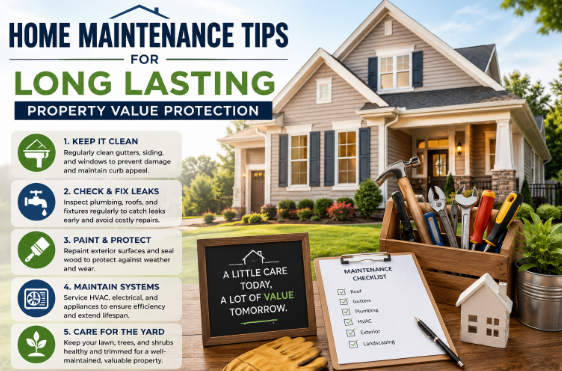
Understanding the Importance of Home Maintenance
Regular home maintenance is an essential aspect of property ownership that many homeowners sometimes overlook. The significance of maintaining your home cannot be understated, as it plays a crucial role in protecting and enhancing the value of the property over time. Investing in proactive maintenance not only preserves the aesthetic appeal of the property but also contributes to its longevity and overall structural integrity.
One of the primary benefits of a systematic maintenance schedule is the prevention of costly repairs. By addressing minor issues promptly—such as leaky roofs, plumbing problems, or electrical failures—homeowners can avoid more extensive damage that often requires significant financial investment. For example, neglecting a small roof leak can lead to severe water damage, mold growth, and ultimately the need for a complete roof replacement, which is substantially more expensive than simple repairs.
Additionally, homes that are well-maintained tend to exhibit a higher market value. Potential buyers are often willing to pay a premium for properties that show evidence of regular upkeep and care. This heightened aesthetic appeal not only captivates the interest of prospective homeowners but also conveys the message that the property is worthy of investment and free from hidden defects. Therefore, engaging in regular maintenance activities can be seen not only as an ongoing expense but as a strategic investment in the future marketability of the home.
Moreover, maintaining a home contributes to a safer living environment, as neglected properties can pose various hazards, including structural failures and health risks. Therefore, prioritizing home maintenance not only enhances property value but also safeguards against potential risks, ensuring that the investment remains secure and continues to appreciate over time.
Regular Inspections: A Key to Prevention
Conducting regular home inspections is essential for maintaining your property’s value and preventing potential issues from escalating into costly repairs. A systematic approach to inspections can help homeowners identify problems early, ensuring that they address maintenance needs promptly. It is advisable to perform these inspections at least twice a year, ideally in the spring and fall, to prepare the home for seasonal changes.
During these inspections, certain areas of the home require particular attention. The roof should be inspected for missing or damaged shingles, leaks, and overall wear. Because the roof is a critical barrier against weather-related damage, early detection of issues can save homeowners from expensive roof replacement or repairs.
The foundation is another vital area, as any cracks or shifts could indicate serious structural issues. Inspecting for water pooling or drainage problems around the foundation is crucial. Additionally, the plumbing and electrical systems should be examined for any signs of corrosion, leaks, or frayed wiring, as these could lead to bigger safety hazards if left unattended.
It is also worth noting that regular inspections can enhance energy efficiency by identifying areas where insulation may be lacking or where there are air leaks. Addressing these aspects can improve the comfort of the home and reduce utility bills, thereby preserving the long-term value of the property.
Throughout the inspection process, it is beneficial to maintain a checklist to ensure all areas are thoroughly evaluated. This practice can help homeowners keep track of issues that need attention, which will streamline future maintenance efforts. Investing time in developing a regular inspection routine can lead to significant long-term savings and foster a safer, more durable home.
Exterior Maintenance: Keeping Up Appearances
The exterior of a home plays a crucial role in determining its overall value, making regular maintenance essential. One significant aspect of exterior maintenance is gutter cleaning. Clogged gutters can lead to water damage, which may negatively impact both the structure and aesthetics of a property. Regularly clearing debris from gutters ensures proper drainage, thereby protecting the foundation and enhancing visual appeal.
Aside from gutters, siding maintenance is equally vital. Whether made of wood, vinyl, or fiber cement, siding should be inspected periodically for signs of wear or damage. Proper cleaning, painting, or sealing can prolong its lifespan and contribute to the home’s value. A well-maintained exterior not only conveys care but also upholds the longevity of materials used in construction.
Painting the exterior of a home is another crucial element of maintenance. Regularly updated paint prevents decay and establishes a fresh appearance, boosting curb appeal significantly. Choosing quality paint and applying it in a suitable season further ensures effective application and durability against the elements. Additionally, consider using neutral colors to appeal to a broader audience if planning to sell the property.
Landscaping contributes significantly to the overall appearance of the home as well. Well-maintained gardens, lawns, and walkways can create an inviting atmosphere. Simple tasks such as mowing the lawn, trimming hedges, and planting seasonal flowers can enhance the aesthetic appeal and provide a welcoming presence. This effort does not only beautify the space but also adds value to the property by creating a pleasant environment for potential buyers.
Last but not least, driveway upkeep is essential for maintaining a presentable exterior. Regularly sealing cracks and cleaning surfaces minimizes the risk of deterioration and keeps the property’s entrance looking pristine. Ensuring that all exterior elements are well-maintained not only reinforces the home’s value but also creates a positive first impression for visitors and potential buyers alike.
Interior Maintenance: Preserving Your Home’s Comfort
Maintaining the interior of your home is crucial not only for comfort but also for preserving its overall value. Regular upkeep can prevent costly repairs down the line and ensure a hygienic living environment. One of the essential areas to focus on is the HVAC (Heating, Ventilation, and Air Conditioning) system. Routine maintenance of this system involves changing filters regularly, checking for leaks, and scheduling professional inspections annually. This not only enhances indoor air quality but also ensures the system operates efficiently, saving energy and prolonging its life.
Another significant factor in interior maintenance is plumbing. Homeowners should periodically inspect the plumbing for any signs of leaks or corrosion, especially under sinks and around appliances. Ensuring that all fittings and fixtures are functioning correctly can help avoid extensive water damage and mold growth, which can compromise both comfort and home value. Additionally, insulating pipes in colder climates can prevent freezing and bursting, thus safeguarding your property.
Flooring also requires careful attention. Whether you have hardwood, carpet, or tile, regular cleaning and maintenance are essential. For hardwood floors, using appropriate cleaning products and avoiding excess water can preserve their appearance and durability. Carpets should be vacuumed frequently, and professional deep-cleaning should occur at least once a year to prevent allergens from accumulating. Tile and grout cleaning ensure a fresh look while preventing mold growth in moist areas.
Lastly, maintaining cleanliness in your home is foundational to comfort and value. Regular cleaning routines help manage dust, allergens, and pests, which can affect the health of residents. Decluttering spaces and utilizing proper storage solutions can also enhance the livability of your home.
By diligently performing these interior maintenance tasks, homeowners can effectively protect their property’s value while ensuring a comfortable living atmosphere.
Seasonal Maintenance Checks: Staying Ahead of the Game
Regular maintenance of your property throughout the year is essential for preserving its value and functionality. Homeowners can effectively protect their investment by adhering to a seasonal checklist of maintenance tasks. This not only enhances the aesthetic appeal of the property but also prevents unforeseen damages that can occur due to neglect.
Spring offers an excellent opportunity to conduct a thorough inspection of the exterior. Start by checking the roof for any missing shingles or shingles that may have been damaged during winter storms. Additionally, clean the gutters and downspouts to ensure proper drainage during the upcoming rainfalls. Power washing exterior surfaces, such as decks and driveways, also enhances curb appeal. Inside, inspect the air conditioning system; it may require servicing to ensure it operates efficiently when temperatures rise.
During the summer, focus on the landscaping. Trimming trees and shrubs helps prevent damage from branches during storms. Check outdoor faucets and sprinkler systems for leaks, as dry, hot conditions increase the risk of water waste and can lead to more expensive repairs later. Remember to inspect your windows and doors to ensure seals are intact and air conditioning is working efficiently.
As autumn approaches, it is crucial to prepare for the colder months. Inspect and clean your heating systems to ensure they function optimally when temperatures drop. Additionally, clear leaves from gutters to prevent blockages that may lead to water damage. Outside, cover AC units and window well covers to protect against snow accumulation.
Finally, winter checks should emphasize interior inspections. Examine insulation in attics and crawl spaces to ensure it is adequate. Check for drafts around windows and doors, sealing where necessary to maintain energy efficiency. Regularly check the plumbing for leaks or the potential for freezing, as this can lead to significant damages if not addressed swiftly.
By consistently conducting these seasonal maintenance checks, homeowners can significantly prolong the lifespan of their property and maintain its value over time.
Energy Efficiency Upgrades: A Wise Investment
In today’s real estate landscape, making energy-efficient upgrades to your home is not only a prudent decision but also a necessary one for enhancing property value. The integration of energy-efficient windows, insulation, and appliances can have a significant impact on the comfort of your living space as well as your financial well-being.
First and foremost, energy-efficient windows are designed to minimize heat loss during colder months and reduce heat gain in warmer climates. By investing in double or triple-glazed windows, homeowners can expect to see a reduction in their heating and cooling costs, thereby translating into lower utility bills. Additionally, these windows often come with warranties and enhance the aesthetic appeal of a property, making them a wise investment.
Insulation is another critical component of energy efficiency that can greatly influence a home’s performance. Properly insulated attics, walls, and floors prevent the loss of conditioned air, contributing to a comfortable indoor environment year-round. On average, homes equipped with adequate insulation can achieve energy savings of up to 20%. This improvement not only heightens livability but can also increase resale value significantly.
Furthermore, upgrading to energy-efficient appliances can yield considerable long-term savings. Energy Star-rated appliances consume less energy while maintaining high performance levels. Even small upgrades, such as replacing incandescent bulbs with LED lights or installing low-flow faucets, contribute to reducing energy consumption. Beyond savings, potential buyers are increasingly looking for homes equipped with modern, energy-efficient features, thereby enhancing your property’s marketability.
In light of the various benefits associated with energy-efficient enhancements, homeowners can appreciate both diminished utility costs and heightened property values. By making these strategic upgrades, you can ensure your investment stands the test of time, aligning with both environmental concerns and economic prudence.
Budgeting for Maintenance: Planning for the Future
Home maintenance plays a crucial role in safeguarding property value and ensuring safety and comfort for its occupants. To effectively manage this aspect of property ownership, it is essential to incorporate a budgeting strategy that accommodates both regular maintenance and unexpected repairs. This begins with assessing the scope of potential maintenance requirements based on your home’s age, condition, and historical issues.
Setting aside funds dedicated specifically to home maintenance should be a priority. A common recommendation is to allocate about one to three percent of your home’s value each year to cover routine upkeep, as well as unforeseen repairs. For instance, if your home is valued at $300,000, planning a budget of $3,000 to $9,000 per year for maintenance makes prudent financial sense. Creating a dedicated savings account for these funds can streamline this process, enabling easier access when services are required.
Implementing a maintenance schedule is equally important. Establish a timeline for seasonal and annual tasks, such as HVAC servicing, gutter cleaning, and roof inspections. This proactive approach ensures that maintenance tasks are not overlooked, which can lead to more significant and costly repairs down the line. Utilize digital tools or calendars to set reminders for these vital tasks, creating a systematic workflow.
Prioritization of maintenance tasks is also key, especially when faced with budget constraints. Regularly assess which aspects of home maintenance require immediate attention and which can be deferred. Tasks related to safety and functionality should take precedence over cosmetic improvements. By strategically planning your budget and maintenance schedule, you can effectively safeguard your property value and minimize the likelihood of extensive repair costs in the future.
Hiring Professionals vs. DIY: What You Need to Know
Home maintenance is crucial for preserving the value of your property. As homeowners, there will be moments when you must decide between tackling maintenance tasks yourself or hiring professionals. Each of these options has its benefits and drawbacks. Understanding these can significantly influence your decision-making process.
One of the main advantages of DIY home maintenance is cost savings. When homeowners choose to handle repairs and upkeep themselves, they often avoid the labor costs associated with hiring professionals. Furthermore, taking the DIY route allows you to gain practical skills and knowledge about your property, fostering a sense of satisfaction and accomplishment. Tasks such as painting, gardening, or minor repairs can be manageable with basic tools and resources available online.
However, there are also potential downsides to consider. Certain tasks require specialized skills or tools that the average homeowner may not possess. For example, electrical work, plumbing, and certain structural repairs can pose significant risks if not performed correctly. Mishandling these types of work can lead to costly mistakes or, worse, safety hazards. Therefore, determining whether a task is suitable for DIY is vital.
On the other hand, hiring professionals ensures that the job is done correctly and safely. Licensed contractors bring expertise and experience, which can save you time and prevent potential long-term damage to your property. Additionally, many professional services provide guarantees or warranties which can provide peace of mind in case of future issues. It is advisable to seek professional help for complex tasks to safeguard your investment and ensure high-quality results.
In conclusion, the decision between DIY and hiring professionals should be based on the complexity of the task, your level of expertise, and your willingness to risk potential outcomes. By carefully weighing the pros and cons, homeowners can make informed decisions that will aid in maintaining their property value over time.
Creating a Maintenance Schedule: Keeping Your Home on Track
Establishing a home maintenance schedule is essential for ensuring the long-term value of your property. A well-organized maintenance plan allows homeowners to stay on top of necessary tasks, preventing minor issues from escalating into costly repairs. The following strategies can help in creating an effective maintenance schedule that enhances your home’s longevity.
First, it is beneficial to categorize maintenance tasks by frequency. Regular tasks such as changing air filters, cleaning gutters, or checking smoke detectors should be scheduled on a monthly or quarterly basis. Seasonal tasks, including inspecting your roof or servicing your heating and cooling systems, can be organized according to the seasons. This categorization can help streamline your work and ensure nothing is overlooked.
Next, selecting a reliable method for tracking your home maintenance tasks is crucial. Utilizing a digital calendar or a dedicated app can provide reminders and alerts to keep you accountable. Many modern applications allow you to set recurring reminders, making it easier to stay consistent with your home maintenance schedule. If you prefer a tangible approach, consider creating a printed checklist or a home binder where you log all completed tasks alongside rental receipts or inspection reports.
Additionally, it may be useful to involve other household members in the process. Assigning specific responsibilities to each member can distribute the workload and ensure that all tasks are managed efficiently. Regular family meetings can also be held to discuss upcoming maintenance tasks and update the schedule as necessary.
In conclusion, a well-crafted home maintenance schedule that incorporates organization, reminders, and family involvement can significantly contribute to the preservation and enhancement of your property’s value. By maintaining consistency in these practices, homeowners can not only avert significant repairs but also enjoy an increased sense of pride in their living environment.