

Introduction to Digital Skills
In today’s rapidly evolving job market, possessing a strong foundation of digital skills is becoming increasingly vital for individuals aspiring to enhance their career prospects. Digital skills encompass a wide array of competencies that allow individuals to navigate and utilize technology effectively. These skills range from basic computer literacy, such as understanding operating systems and software applications, to more advanced abilities, including data analysis, coding, and digital marketing.
The importance of digital skills cannot be overstated. As organizations increasingly integrate technology into their operations, the demand for employees who can effectively leverage digital tools continues to rise. Employers across various industries are actively seeking candidates who demonstrate proficiency in relevant digital skills, recognizing that these abilities enhance overall employability. In fact, studies have revealed a direct correlation between digital skill proficiency and career advancement opportunities.
As digital transformation accelerates, many traditional job roles are evolving to incorporate technology-driven elements. Consequently, workers must be adaptable and continually upskill to remain competitive. The ability to effectively use digital platforms, collaborate in virtual environments, and analyze data can significantly enhance one’s professional profile. Moreover, in a landscape characterized by the proliferation of remote working and online communication, digital skills are essential for ensuring seamless interactions and productivity.
In summary, digital skills are not merely supplementary; they are central to career success in the 21st century. As we delve deeper into the specific digital skills necessary for thriving in today’s workforce, it becomes evident that investing in developing these capabilities is crucial for both personal and professional growth.
The Rise of Digital Technology in the Workplace
The rapid evolution of digital technology has revolutionized the landscape of the workplace, affecting every aspect of job roles and organizational structures. In recent years, organizations across various sectors have increasingly incorporated advanced digital tools and platforms, leading to significant enhancements in efficiency and productivity. This transformation is particularly evident in the adoption of new communication channels, automation tools, and data analytics, which have reshaped traditional job functions.
As companies strive to remain competitive in a digital-first economy, many have transitioned from conventional methods to data-driven approaches that leverage technology for informed decision-making. Positions that once relied on manual processes have evolved into roles that require proficiency in software applications, online collaboration, and digital communication tools. For instance, marketing professionals now utilize analytics platforms to assess campaign performance in real-time and adjust strategies accordingly, a skill set that was not necessary just a decade ago.
Moreover, the emergence of remote work prompted by technological advancements has further transformed job responsibilities. Employees are now expected to maintain connectivity with colleagues and clients through virtual means, necessitating familiarity with various digital communication tools such as video conferencing, project management software, and instant messaging platforms. This shift has expanded job roles to accommodate a greater emphasis on cross-functional collaboration and digital engagement.
Additionally, the digital landscape continues to foster the creation of entirely new job categories, reflecting the growth and evolution of technology. Roles such as data scientists, cyber security analysts, and digital marketing specialists have emerged in response to the increasing reliance on digital infrastructures. Consequently, professionals today must recognize the importance of acquiring essential digital skills to navigate an ever-evolving job market and capitalize on the vast opportunities afforded by technological advancement.
Core Digital Skills in Demand
As the workforce continues to evolve with technological advancements, it is essential to recognize the core digital skills that are currently in high demand across various sectors. Proficiency in these skills can significantly enhance employability and career development opportunities.
One of the most sought-after skills is data analysis. Employers increasingly rely on data to drive decisions and strategies. Data analysts are tasked with interpreting complex datasets to provide insights that can steer business growth. For instance, in marketing, data analysis plays a pivotal role in understanding consumer behaviors and preferences, allowing companies to tailor their campaigns effectively.
Another critical skill is digital marketing. With the predominance of online platforms, organizations are in constant need of professionals who can navigate the digital landscape to enhance brand visibility. Digital marketers utilize various channels, such as social media and email, to engage audiences. By leveraging skills like Search Engine Optimization (SEO) and content marketing, they contribute significantly to a company’s outreach and customer acquisition efforts.
Coding and programming skills also rank high on the list of essential digital competencies. Knowledge of programming languages such as Python, Java, or JavaScript can open doors in numerous fields, including software development, data science, and web development. For example, software developers create applications that streamline operations and improve efficiency in workplaces.
Finally, project management has gained prominence as organizations seek individuals who can effectively oversee digital projects. Familiarity with project management tools and methodologies, such as Agile or Scrum, equips professionals to lead teams and ensure projects are delivered on time and within budget.
Emerging Trends: Skills for the Future
As the digital landscape continues to evolve rapidly, it is imperative for professionals to stay updated on the emerging trends that are shaping the future of work. Among the most significant of these trends are artificial intelligence (AI), machine learning (ML), and cybersecurity. Each of these areas has grown to be not only essential for various industries but also critical for individual career development.
Artificial intelligence is transforming workflows across sectors by automating routine processes and enhancing decision-making capabilities. Professionals equipped with AI knowledge are increasingly in demand. This includes understanding how to develop algorithms, manage AI tools, and utilize data analytics to drive business strategies. Upskilling in AI can open doors to various roles, such as data scientist or AI consultant, and significantly boost one’s career trajectory.
Machine learning, a subset of artificial intelligence, focuses on enabling computers to learn from data without being explicitly programmed. Familiarity with machine learning concepts such as supervised and unsupervised learning, model training, and evaluation can greatly enhance job prospects. Professionals should consider acquiring hands-on experience through projects or certifications that highlight proficiency in this area, as industries look for individuals who can derive insights from large datasets effectively.
In addition, cybersecurity remains a paramount concern for organizations in light of increasing digital threats. Understanding cybersecurity principles—ranging from network defense mechanisms to ethical hacking practices—has become necessary. Those who can help protect data integrity and respond to cyber incidents are valuable assets to any company. Gaining relevant certifications, such as Certified Information Systems Security Professional (CISSP) or CompTIA Security+, can reinforce one’s credibility in this field.
Ultimately, by developing skills in AI, machine learning, and cybersecurity, professionals can position themselves advantageously in an increasingly digital job market. Staying informed and continuously honing these emerging skills is essential for future career success.
How to Identify the Right Digital Skills for Your Career
Identifying the digital skills pertinent to your career aspirations is essential for personal and professional development. First, conduct a thorough self-assessment of your current competencies. This can be achieved by cataloging your existing skills and experiences through a simple checklist or template. Be honest about your strengths and weaknesses, as this will help clarify which skills require improvement and which ones you can build upon.
Another useful approach is to leverage online resources such as skill assessment tools or career quizzes available on various educational websites. These tools often provide insights into the skills most valued in your industry and may highlight gaps in your capabilities. Simultaneously, review job postings related to your desired role. By examining these listings, you can identify common digital skills that employers seek, ensuring that your training aligns with industry expectations.
Industry research should also play a crucial role in pinpointing requisite digital skills. For example, specific sectors may have unique technological demands; understanding these nuances can tailor your skill acquisition. Initiatives like online courses, webinars, and workshops are usually good avenues to develop these sought-after skills.
Networking is another potent tool in identifying the right digital skills. Connecting with professionals in your field can provide valuable insights into the realities of job requirements and the latest trends. Engaging in forums or attending industry events can also assist in gathering information and seeking mentorship from those in your desired career track.
Ultimately, the combination of self-assessment, online resources, industry analysis, and networking will enable you to strategically identify the digital skills necessary for your career advancement.
Resources for Learning Digital Skills
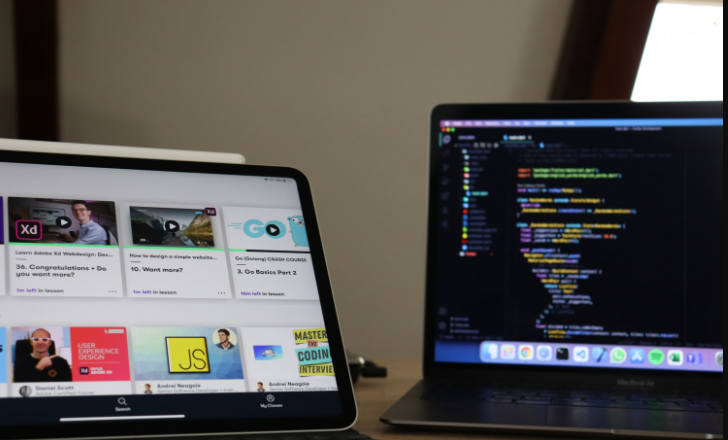
In today’s rapidly evolving job market, possessing digital skills has become increasingly essential for career success. Numerous platforms and resources now exist to facilitate the learning of these vital competencies. Online learning platforms such as Coursera, Udemy, and edX offer a wide range of courses covering various digital topics. These courses allow individuals to enhance their knowledge at their own pace, from basic programming to advanced data analysis.
Moreover, many of these platforms provide certificates upon completion, which can be beneficial for individuals looking to bolster their resumes. These digital credentials signal to potential employers that the individual is committed to skill development and remains competitive in the job market.
In addition to online courses, community programs and workshops can also serve as valuable resources for learning digital skills. Local libraries, community colleges, and non-profit organizations often host free or low-cost classes that cover essential digital literacy topics. These programs can provide hands-on experience and foster collaboration among participants, enhancing the learning experience.
Furthermore, industry-specific training programs may offer certifications that are recognized across various sectors. For example, programs in digital marketing or cybersecurity not only impart knowledge but also help individuals network within their industry. Platforms such as LinkedIn Learning provide courses tailored to these fields, ensuring learners gain relevant skills recognized by employers.
Ultimately, a multitude of resources exists to empower individuals to acquire and enhance their digital skills. By leveraging a mix of online courses, community workshops, and industry certifications, individuals can position themselves for success in an increasingly digital workforce.
The Role of Digital Skills in Career Advancement
In an increasingly digital world, the significance of possessing strong digital skills has never been more pronounced. Professionals across various industries are discovering that these skills not only enhance their day-to-day performance but also open doors for career advancement opportunities. As organizations evolve, they seek individuals who can navigate the digital landscape proficiently, making digital competency a cornerstone of career growth.
It is notable how many professionals have successfully leveraged their digital skills to secure promotions or make significant career shifts. For instance, Jane Doe, a marketing specialist, transitioned to a managerial role after she enhanced her digital marketing skills. By proficiently utilizing data analytics tools and mastering social media marketing strategies, she not only improved her team’s performance but also demonstrated her leadership potential. Her ability to adapt to digital trends ultimately caught the attention of higher management and led to her promotion.
Similarly, John Smith, an IT technician, was able to pivot into a cybersecurity analyst position by acquiring strong digital skills in network security. His commitment to learning and applying new technologies not only expanded his knowledge base but also positioned him as a vital asset to his organization. The growing demand for cybersecurity professionals provided him with excellent advancement prospects, turning his digital skills into a springboard for career escalation.
These testimonials underscore a critical aspect of the modern job market: digital skills are essential for individuals looking to advance in their careers. By investing time in developing these skills, professionals can enhance their employability, adapt to changing job requirements, and ultimately achieve their career aspirations. Given the rapid pace of technological advancement, the ability to stay current with digital trends will likely continue to be a key differentiator in career success.
Challenges in Acquiring Digital Skills
In the era of rapid technological development, acquiring essential digital skills is crucial for career success. However, many individuals face notable challenges that can hinder their ability to develop these skills. One of the most frequent obstacles encountered is the lack of time. Busy schedules filled with work, family obligations, and other commitments often leave little room for personal development. To address this issue, individuals can prioritize their learning by setting aside specific times during the week dedicated to skill acquisition, thereby ensuring consistent progress.
Another significant challenge is the availability of resources. Access to quality learning materials is vital for effective skill development. Some individuals may struggle to find relevant courses or mentorship opportunities that align with their personal and professional goals. To overcome this barrier, individuals can utilize free online platforms, such as MOOCs (Massive Open Online Courses), which provide a wealth of information and resources that can be accessed at their convenience. Engaging with community forums and networks also opens up avenues for sharing and gaining knowledge.
Furthermore, limited access to modern technology can pose a barrier to developing digital skills. Not everyone has the latest devices or high-speed internet, which are often necessary for fully engaging with digital learning tools. To mitigate this issue, individuals can seek local libraries, community centers, or shared workspaces that offer access to technology and a conducive learning environment. By tapping into these resources, individuals can gain the technological experience they lack and enhance their skill set.
Adopting a positive mindset and being proactive in seeking solutions can significantly alleviate these challenges. By understanding the barriers to acquiring digital skills and identifying strategic methods to overcome them, individuals can better position themselves for success in the digitally-driven job market.
Conclusion: Embracing Digital Skills for Future Success
In today’s fast-paced, technology-driven world, possessing robust digital skills has become paramount for anyone seeking career advancement and success. As we have explored throughout this article, the landscape of work is continuously evolving, requiring individuals to adapt by enhancing their digital proficiency. From basic computational skills to advanced data analysis and social media management, these competencies are not merely advantageous but essential for remaining relevant in any profession.
The rise of remote work and digital communication technologies underscores the need for workers to be well-versed in various digital tools and platforms. This shift not only emphasizes technical abilities but also the necessity for strong digital literacy and critical thinking. By embracing these skills, professionals can navigate complex problems, collaborate effectively with teams, and present ideas creatively in a digital format.
Moreover, continued investment in digital upskilling is critical as employers increasingly demand candidates who possess not only technical knowledge but also the agility to learn and adapt to new technologies. Aspiring professionals are encouraged to seize opportunities for training, whether through formal education, online courses, or self-directed learning. Engaging with these resources not only polishes existing skills but also fosters a growth mindset essential for long-term career sustainability.
In conclusion, as we look towards the future, embracing digital skills will undoubtedly be a cornerstone of career success. Taking proactive steps now to enhance one’s digital toolkit can lead to new job opportunities, career advancement, and a more fulfilling professional journey. Therefore, individuals must prioritize the pursuit of these vital skills to ensure they are well-prepared to meet the challenges of tomorrow’s job market.