


Introduction to Smart Fitness Technology
Smart fitness technology represents a significant advancement in personal health monitoring, transforming the way individuals approach fitness and wellness. At its core, this technology encompasses a range of wearables, mobile applications, and integrated systems that collectively aid users in tracking various health metrics. The emergence of these tools has been fueled by rapid technological advancements, including improvements in sensor technology, data analytics, and mobile connectivity.
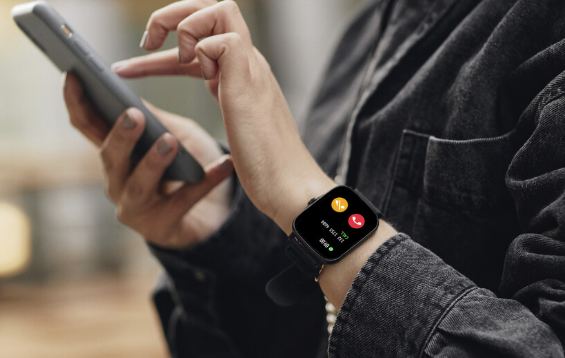
Wearable devices, such as smartwatches and fitness trackers, are among the most prominent examples of smart fitness technology. These devices collect data on numerous parameters, including heart rate, sleep patterns, physical activity, and even blood oxygen levels. By providing real-time feedback, users can gain insights into their health that were previously difficult to monitor on a continuous basis. Moreover, many of these devices are equipped with GPS functionality, enabling users to track their outdoor activities with precision.
Additionally, the rise of health and wellness applications has further enhanced the capabilities of smart fitness technology. These applications allow users to set fitness goals, monitor their progress, and maintain information about their dietary habits. Integrated systems that complement wearables and apps offer a comprehensive approach to health, amalgamating data from various sources to provide users with a holistic view of their well-being. This data-centric approach empowers users to make informed decisions about their health and fitness routines, significantly improving adherence to fitness plans.
In conclusion, smart fitness technology has revolutionized health monitoring, offering innovative solutions that bridge the gap between daily activity and overall wellness. As these tools continue to evolve, their role in promoting healthier lifestyles will undoubtedly expand, making it easier for individuals to stay motivated and engaged in their health journeys.
Types of Smart Fitness Devices
In the realm of health monitoring, smart fitness technology has made significant advancements, resulting in a wide range of devices that cater to various needs. These devices can generally be categorized into three main types: wearables, smart apparel, and health monitoring gadgets.
Wearables are perhaps the most recognized category of smart fitness devices. They include items like smartwatches and fitness trackers that not only provide timekeeping functionalities but also monitor physical activity, heart rate, and sleep patterns. For instance, products like the Apple Watch and Fitbit Charge have become popular choices among consumers. These devices utilize sensors to track movements and provide real-time feedback, making them indispensable for individuals trying to maintain or enhance their fitness levels.
Another category involves smart apparel, which incorporates technology directly into clothing to monitor fitness metrics. These items can range from smart shirts that track heart rates to leggings that assess muscle activity. Companies such as Athos and HEXO have designed apparel that integrates sensors to gather data, promoting a more comfortable experience while exercising. The advantage of smart clothing is its unobtrusive nature, seamlessly blending into everyday wear while still providing valuable health insights.
Lastly, there are health monitoring gadgets designed specifically to focus on particular health metrics. Examples include smart scales that track weight and body composition, or blood pressure monitors that sync with smartphones. Devices like the Withings Body+ smart scale and Omron’s blood pressure monitors exemplify how technology can facilitate better health tracking and management. These gadgets empower users to maintain awareness of their health without the need for regular doctor visits.
Each type of smart fitness device plays a crucial role in enhancing health monitoring. By integrating technology into various aspects of health and fitness, users are better equipped to reach their health goals effectively.
Key Features of Fitness Monitoring Devices
When selecting a fitness monitoring device, consumers should consider several critical features to ensure that the device meets their specific health and fitness needs. One of the primary functionalities that should be evaluated is heart rate monitoring. This feature allows users to track their heart rate in real-time, offering insights into their cardiovascular health during various activities. Devices equipped with accurate heart rate sensors can help inform users about their exercise intensity and improve their overall workout efficiency.
In addition to heart rate monitoring, sleep tracking is another essential feature. Quality sleep is crucial for overall health and wellness, and a good fitness monitor can help users understand their sleep patterns and identify any issues. Many devices now provide detailed metrics such as sleep duration and quality, light and deep sleep phases, and even wake times, enabling individuals to optimize their sleep health.
GPS functionality is also a significant aspect of modern fitness trackers. For those who enjoy outdoor activities such as running, cycling, or hiking, built-in GPS allows users to accurately track their routes and distances traveled. This feature not only enhances outdoor workouts but also helps in analyzing activity levels for better health assessments.
Furthermore, step counting and calorie tracking are integral components of fitness monitoring devices. Step counters provide a simple yet effective way to encourage individuals to remain active throughout the day, while calorie tracking aids in dietary management and weight loss goals. Together, these features can foster a greater awareness of physical activity levels.
Lastly, seamless integration with other health apps can significantly enhance the user experience. Many fitness monitors today allow users to connect to various health and fitness applications, thereby centralizing health data and providing a more comprehensive view of an individual’s health journey. Such integrations enable better progress tracking and motivate users to achieve their fitness objectives efficiently.
Benefits of Using Smart Fitness Technology
Incorporating smart fitness technology into daily routines offers a multitude of advantages that can enhance an individual’s overall health and wellness. One significant benefit is the ability to receive personalized health insights. Many smart fitness devices, such as wearables and mobile applications, collect data regarding physical activity, sleep patterns, and vital signs. This information can be analyzed to provide tailored recommendations, helping users to better understand their health and making it easier to set and achieve fitness goals.
Moreover, smart fitness technology can significantly improve motivation levels. Features such as progress tracking, achievement badges, and challenges foster a competitive spirit and encourage users to remain engaged with their fitness journey. When users can visualize their progress through charts and statistics, it not only boosts their motivation but also reinforces the importance of maintaining an active lifestyle.
Accountability is another crucial aspect enhanced by smart fitness devices. Many applications allow users to share their progress with friends, family, or fitness communities. This social element encourages individuals to stick to their commitments, as they feel a sense of responsibility toward others. Engaging with a community can create support networks that drive consistent healthy habits, which in turn can lead to significant lifestyle changes.
Additionally, smart fitness technology has the potential to detect health issues early. Wearables can monitor vital signs such as heart rate and blood pressure continuously, making it easier to identify anomalies that may indicate health concerns. With timely alerts, users can seek medical advice sooner, potentially preventing serious health complications. Overall, the integration of smart fitness technology into everyday life can transform health monitoring and promote a proactive approach to well-being.
Challenges and Limitations
As the adoption of smart fitness technology continues to expand, several challenges and limitations have come to light, raising critical concerns among users and industry stakeholders alike. One of the most prominent issues involves data privacy. Smart devices collect a vast amount of personal health data, including heart rates, activity levels, and sleep patterns. This information is often stored in cloud databases, where it may be vulnerable to unauthorized access or breaches. Users must therefore be cautious and informed about data security measures employed by manufacturers to ensure their information is safeguarded.
Another significant concern is the accuracy of health metrics provided by these devices. While many smart fitness technologies claim to deliver precise measurements, discrepancies can arise due to various factors, including the user’s individual physiology, device calibration, and environmental conditions. For example, inaccuracies in heart rate monitoring or calorie expenditure calculations could lead individuals to make misguided health and fitness decisions. Consequently, while these tools can serve as valuable resources for general trends, they should not replace professional medical advice.
Device dependency is also a notable limitation associated with smart fitness technology. Relying extensively on wearables can lead to a lack of mindfulness about one’s physical state, as users may defer to metrics instead of tuning into their bodies’ natural signals. This could foster an unhealthy relationship with physical activity and wellness. Additionally, there is the potential for misleading information. Misinterpretation of data or failure to account for external variables may result in users forming incorrect conclusions about their health. Thus, while smart fitness technology offers innovative solutions for health monitoring, it is essential for users to approach these tools with a critical perspective, recognizing their limitations and challenges.
Integrating Smart Devices into Your Fitness Routine
In the modern fitness landscape, smart devices have emerged as transformative tools that enhance the way individuals approach their health and fitness regimes. Integrating these devices into your fitness routine can be a game-changer, enabling you to set precise goals, track your progress, and make informed decisions that encourage better results.
To effectively incorporate smart devices, it is essential first to clarify your fitness objectives. Are you aiming to lose weight, build muscle, or improve cardiovascular health? Having a clear understanding of your goals allows for better alignment with the functionalities of the chosen devices. For example, if weight loss is your aspiration, utilizing a fitness tracker that monitors calories burned can help you stay accountable.
Utilizing the data generated from smart fitness devices is crucial. Many devices come equipped with analytics features that provide insights into your performance metrics, such as heart rate, workout intensity, and even sleep patterns. Reviewing this data regularly can help guide your workouts, indicating when to increase intensity or incorporate more rest days based on your recovery needs. Make sure to engage with apps or platforms that accompany your devices, as they often provide customized insights and recommendations.
While technology plays a significant role, combining smart devices with traditional workout methods can produce a more holistic approach to fitness. For instance, consider coupling outdoor running with a GPS-enabled watch to track your distance and pace while incorporating traditional interval training techniques. This fusion not only offers the benefits of technology but also retains the enjoyment and simplicity of physical activity.
In summary, integrating smart devices into your fitness routine is about enhancing your experience and outcomes. By setting clear goals, utilizing data for tailored decisions, and merging technology with traditional methods, you can create a balanced and effective fitness strategy that meets your unique health needs.
Future Trends in Smart Fitness Technology
As the realm of smart fitness technology evolves, several key trends are emerging that will significantly enhance health monitoring and fitness management. One prominent trend is the integration of artificial intelligence (AI) into fitness applications and devices. AI-driven personalization utilizes user data to tailor fitness programs and health regimens to individual needs and goals, making fitness more accessible and effective for diverse populations. Personalized training plans that adapt in real-time to users’ performance and feedback can lead to improved motivation and adherence to physical activity.
Another significant trend is the development of advanced health metrics, which measure deeper aspects of user health beyond basic statistics such as calories burned and distance traveled. Wearable technology is increasingly capable of tracking vital signs, sleep patterns, stress levels, and even mood changes. These insights enable individuals to understand their bodies better, fostering a proactive approach to health management. The ability to capture complex health data allows users to engage with their fitness routines not just at a surface level, but in a way that promotes overall well-being.
Data analytics is set to play a crucial role in the future of smart fitness technology. The vast amounts of data generated by fitness trackers and health applications are becoming increasingly valuable for identifying trends and patterns in user behavior. This analysis can lead to more informed decisions regarding health interventions and lifestyle changes, ultimately enhancing health outcomes. Furthermore, analytics can be utilized by health professionals to monitor patient progress remotely, providing a more comprehensive picture of health trends over time. The intersection of smart technology, analytics, and personalization heralds a new era in health monitoring, where technology acts as a partner in achieving better health.
Real-Life Success Stories
Smart fitness technology has revolutionized how individuals monitor and improve their health. Numerous success stories illustrate the transformative power of these tools, demonstrating their effectiveness in real-world applications. One compelling narrative is that of Sarah, a 34-year-old mother of two, who struggled with post-pregnancy weight gain. With a smart fitness tracker, she could monitor her daily activity levels, set achievable fitness goals, and receive real-time feedback on her progress. By incorporating a combination of dietary adjustments and regular workouts informed by her tracker, Sarah lost over 30 pounds within a year. Her journey not only improved her physical health but also gave her renewed confidence.
Another inspiring story is that of Michael, a 45-year-old office worker who faced significant health challenges due to a sedentary lifestyle. After being diagnosed with high blood pressure, Michael recognized the need for drastic change. Equipped with a smartwatch, he began tracking his heart rate and daily steps, allowing him to make informed decisions about his activity levels. By following a tailored exercise program suggested by the smartwatch and engaging with an online fitness community, Michael successfully lowered his blood pressure and improved his overall well-being within six months.
A third noteworthy example is Jessica, a 29-year-old marathon enthusiast who utilized a smart running app to improve her training regimen. By analyzing her pace, distance, and recovery times, Jessica was able to enhance her performance significantly. The app’s personalized coaching feature helped her identify her strengths and areas needing improvement. This data-driven approach enabled her to achieve a personal best at a major marathon event, illustrating how smart fitness technology can lead to impressive milestones.
Conclusion: The Future of Health Monitoring
As we conclude this exploration into the realm of smart fitness technology, it is clear that the future of health monitoring is poised for transformative advancements. The integration of advanced wearable devices, applications, and smart technology has not only made it easier for individuals to track their health metrics but has also enhanced the ability to manage chronic conditions. This shift towards a more data-driven approach empowers consumers, allowing for personalized health insights with unprecedented precision.
Throughout this blog post, we have examined various facets of smart fitness technology, including its impact on daily health routines and the role of data analytics in promoting wellness. Real-time monitoring of vital signs, physical activity levels, and sleep patterns are just a few examples of how this technology caters to diverse healthcare needs. Additionally, the medicinal applications of these innovations have shown promise in facilitating preventative health measures and improving overall quality of life.
The growing importance of smart fitness technology cannot be overstated. As technological advancements continue to emerge, consumers are encouraged to stay informed and consider incorporating relevant devices into their health monitoring routines. Such integration not only fosters a proactive approach to health management but also cultivates a deeper understanding of personal health trends. By engaging with these innovations, individuals can enrich their health journey, making informed decisions that align with their unique health objectives.
Ultimately, the realm of health monitoring is evolving. Embracing smart fitness technology today could significantly enhance both personal and community health outcomes tomorrow. Thus, as we look ahead, let us remain vigilant in adapting to these advancements, ensuring that we leverage the benefits for a healthier, more informed lifestyle.