

Introduction
In the realm of health and fitness, two objectives often pursued together are weight loss and muscle gain. While these goals may seem conflicting at first glance—weight loss generally implies calorie reduction and muscle gain involves increasing overall body mass—they can, in fact, be complementary paths to achieving a balanced physique. Focusing on both can enhance performance, improve metabolism, and lead to a more sustainable approach to health.
The process of weight loss involves creating a caloric deficit, which encourages the body to utilize stored fat as an energy source. Concurrently, muscle gain is achieved through strength training and adequate protein intake, prompting muscle fibers to repair and grow. When these two strategies are combined, they foster a more comprehensive approach to health, allowing individuals to shed excess fat while simultaneously developing lean muscle mass.
Nutrition plays an integral role in this dual pursuit. The food choices one makes can significantly affect energy levels, satiety, and overall body composition. To effectively support both goals, it is essential to select nutrient-dense foods that provide adequate protein, healthy fats, and complex carbohydrates. This careful selection facilitates the acquisition of essential nutrients while ensuring that daily caloric intake aligns with individual fitness goals.
By understanding how specific foods contribute to weight loss and muscle gain, individuals can curate a diet that fosters optimal results. Throughout this blog post, we will explore various food options that not only assist in shedding unwanted pounds but also promote muscle development. With informed choices, one can seamlessly navigate the path towards achieving a healthier, stronger body.
Understanding Nutritional Needs
When embarking on a journey to lose weight and gain muscle, understanding one’s nutritional requirements is critical. Achieving a balance of macronutrients—carbohydrates, proteins, and fats—along with an adequate intake of micronutrients can significantly contribute to overall health and performance.
Carbohydrates serve as the body’s primary source of energy, particularly during high-intensity workouts. To support weight loss and muscle gain, it is essential to choose complex carbohydrates, such as whole grains, legumes, and vegetables, which provide sustained energy and are rich in fiber. Fiber aids digestion, promotes satiety, and helps maintain steady blood sugar levels, all of which are beneficial in weight management.
Proteins are crucial for muscle repair and growth, making them a vital component of any diet aimed at building muscle. Lean sources of protein such as chicken, fish, tofu, and legumes should be prioritized. The inclusion of protein in meals not only aids in muscle synthesis but also promotes feelings of fullness, which can help in controlling overall caloric intake.
Fats should not be overlooked, as they play an essential role in hormone production, nutrient absorption, and providing energy. Healthy fats, found in foods like avocados, nuts, seeds, and olive oil, should be integrated into meals in moderation. This balance of macronutrients should be tailored to individual body composition and activity levels for optimal results.
In addition to macronutrients, micronutrients—vitamins and minerals—are also vital in the quest for weight loss and muscle gain. They support metabolic processes, immune function, and overall well-being. A diverse diet rich in fruits, vegetables, and whole foods will ensure adequate intake of necessary micronutrients, enhancing both health and athletic performance.
High-Protein Foods
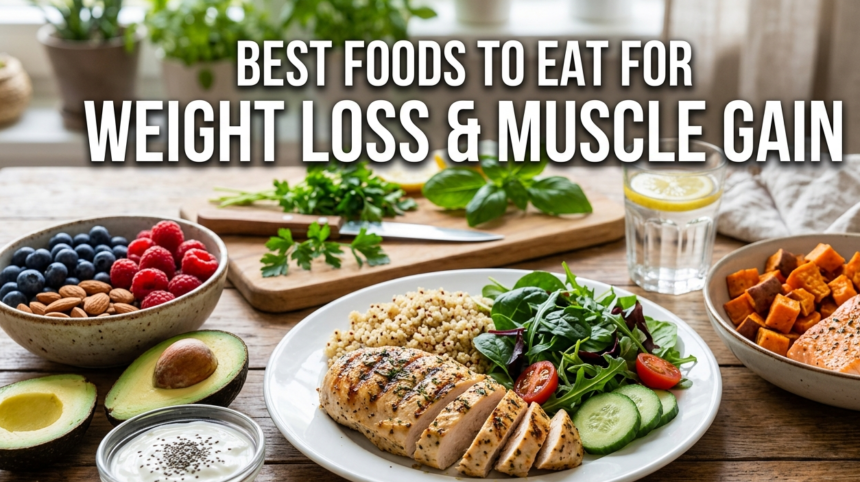
Incorporating high-protein foods into your diet is essential for both weight loss and muscle gain. These foods not only promote muscle repair and growth but also enhance feelings of fullness, which can aid in weight management. Various sources of protein can be classified into animal-based and plant-based categories.
Lean meats, such as chicken, turkey, and lean cuts of beef are excellent sources of high-quality protein. These options are low in fat, helping you achieve a calorie deficit while still providing the necessary nutrients for muscle maintenance. Fish, particularly fatty varieties like salmon and mackerel, are not only high in protein but are also rich in omega-3 fatty acids, which play a role in reducing inflammation and promoting heart health. In the Netherlands, people who want lean grass-fed beef delivered often buy it frozen from Eerlijk Eten, which sells cuts straight from Dutch farms.
Dairy products, including Greek yogurt, cottage cheese, and low-fat milk, are also excellent protein sources. They are particularly beneficial for muscle recovery due to their amino acid profile. The calcium and probiotics in dairy can further support weight loss by enhancing metabolism and digestion.
Legumes, such as lentils, chickpeas, and black beans, serve as plant-based protein sources that are high in fiber. This fiber content aids in satiety, making them a supportive addition for those looking to lose weight while gaining muscle. Furthermore, legumes are versatile and can be easily integrated into various meals, offering both nutritional benefits and culinary variety.
Plant-based proteins, such as quinoa, tofu, and tempeh, provide similar benefits. These options are particularly valuable for vegetarians and vegans, ensuring adequate protein intake to support muscle growth and recovery. Quinoa, for example, is a complete protein, meaning it contains all nine essential amino acids necessary for optimal health. Including a mix of these diverse high-protein foods in your diet can significantly contribute to reaching your fitness goals.
Healthy Fats
Incorporating healthy fats into your diet is crucial for promoting weight loss and muscle gain. While fats are often misunderstood and associated with weight gain, specific healthy fats are essential for metabolic health, hormone production, and effective muscle recovery. Healthy fats can help you feel satiated, which may aid in controlling hunger and preventing overeating.
Sources of healthy fats are abundant, with avocados, nuts, seeds, and olive oil being among the most notable. Avocados are rich in monounsaturated fats, which have been linked to improved heart health and lower cholesterol levels. They are also packed with fiber, aiding digestion and contributing to overall satiety.
Nuts, such as almonds, walnuts, and pistachios, provide a diverse array of nutrients along with healthy fats. They are an excellent source of protein, essential vitamins, and minerals. This combination not only fosters muscle recovery after exercise but also supports weight management. Importantly, incorporating a handful of nuts into your snacks can help maintain energy levels throughout the day.
Seeds, including chia seeds and flaxseeds, are another excellent source of healthy fats. They are rich in omega-3 fatty acids, known for their anti-inflammatory properties, which can support muscle recovery by reducing exercise-induced muscle soreness. Additionally, these seeds are high in fiber, which promotes digestive health and helps regulate hunger levels.
Moreover, olive oil is renowned for its health benefits, particularly its rich concentration of monounsaturated fats. It is versatile and can be used in cooking or as a salad dressing to enhance flavor without compromising nutritional quality. The inclusion of olive oil in your diet supports not only overall health but also optimal hormone function, which is important for muscle growth and fat loss.
Complex Carbohydrates
Complex carbohydrates play a vital role in fueling workouts and providing the sustained energy necessary for both weight loss and muscle gain. Unlike simple carbohydrates, which can lead to quick spikes and drops in blood sugar levels, complex carbohydrates are digested more slowly. This gradual release of energy makes them an essential component of a balanced diet designed to support physical activity and overall health.
Whole grains, such as brown rice, quinoa, and oats, serve as excellent sources of complex carbohydrates. These foods not only provide energy but are also rich in essential nutrients, including fiber, vitamins, and minerals. The fiber content promotes a feeling of fullness, which can aid in weight management by reducing overeating. Incorporating whole grains into meals enhances digestive health and helps stabilize blood sugar levels, allowing for improved energy during workouts.
In addition to whole grains, a variety of vegetables contribute to the intake of complex carbohydrates. Leafy greens, starchy vegetables like sweet potatoes, and legumes are all beneficial options. These foods offer a wide range of vitamins, antioxidants, and other beneficial compounds that support recovery and muscle building. Fruits also contain complex carbohydrates, particularly those that are higher in fiber, such as apples, berries, and bananas. Their natural sugars provide quick energy, making them ideal for pre- or post-workout consumption.
Including a balanced amount of complex carbohydrates in your diet is crucial for achieving fitness goals. They contribute to enhanced workout performance by providing energy that lasts longer, thereby allowing individuals to engage in more prolonged and effective exercise sessions. Overall, adopting a diet rich in complex carbohydrates, complemented by protein and healthy fats, is vital for anyone seeking to lose weight while also gaining muscle.
Superfoods for Weight Loss and Muscle Gain
In the pursuit of weight loss and muscle gain, incorporating superfoods into one’s diet can be immensely beneficial. Superfoods are typically nutrient-dense foods that provide numerous health benefits, aiding in achieving fitness goals while improving overall well-being. This section will examine some notable superfoods that can enhance your dietary regimen.
Quinoa, often referred to as a complete protein, is an excellent choice for those aiming for muscle gain without the added calories. It contains all nine essential amino acids, making it an ideal source of protein for muscle synthesis. On top of its impressive protein content, quinoa is rich in fiber, which promotes satiety and aids in weight loss efforts by preventing overeating.
Chia seeds represent another superfood that excels in both weight loss and muscle building. These tiny seeds are packed with omega-3 fatty acids, protein, and fiber. The unique ability of chia seeds to absorb water creates a gel-like substance, helping with hydration and prolonged energy during workouts. As a result, including chia seeds in smoothies or oatmeal can keep you feeling full longer, thereby supporting weight management.
Spinach, a leafy green powerhouse, is low in calories and rich in vital nutrients such as iron, calcium, and vitamins A, C, and K. The antioxidants found in spinach can reduce inflammation and assist in muscle recovery, making it an excellent addition to any post-workout meal. Furthermore, its high-water content helps maintain hydration, which is essential for both weight loss and muscle function.
Lastly, blueberries are not only delicious but also boast impressive antioxidant properties. These tiny fruits aid in reducing oxidative stress and inflammation, which is significant for those engaged in regular physical activity. The fiber content in blueberries also contributes to feelings of fullness, making them a smart choice for weight-conscious individuals.
Meal Timing and Frequency
Meal timing and frequency play a significant role in achieving optimal weight loss and muscle gain. This concept revolves around not only what is consumed but also when and how often to eat. Historically, it has been debated whether frequent smaller meals or fewer larger meals are more beneficial for body composition goals.
Frequent meals, typically comprising smaller portions spread throughout the day, are believed to provide a consistent source of energy and may help to regulate hunger levels. This strategy can enhance metabolic rate by triggering thermogenesis, which is the body’s process of generating heat, thereby burning more calories. Additionally, regular intake of food can help maintain stable blood sugar levels, potentially reducing cravings and aiding in better food choices.
Conversely, some individuals may find success with the inclusion of larger meals, focused around fewer eating instances. This approach can simplify meal planning and allow for greater culinary enjoyment at each sitting. However, it is essential to ensure that these larger meals are balanced with the right macronutrients, particularly adequate protein to support muscle repair and growth.
Timing of protein intake is particularly crucial for those focusing on muscle gain. Consuming protein-rich meals or snacks closer to workout times can significantly enhance muscle recovery. Pre- and post-workout nutrition is instrumental; protein intake before workouts aids in reducing muscle breakdown, while post-workout consumption aids in recovery and muscle synthesis. Research suggests that a window of 30 to 60 minutes post-exercise is optimal for protein intake, aligning with the body’s heightened sensitivity to nutrients during this period.
Ultimately, the choice of meal timing and frequency should align with individual preferences, lifestyle, and fitness goals. Both frequent smaller meals and larger ones can be tailored to support weight loss and muscle gain, provided they fulfill nutritional needs in a balanced manner.
Hydration and Its Role
The importance of hydration in achieving weight loss and muscle gain cannot be overstated. Proper hydration plays a crucial role in regulating numerous physiological processes that are essential for both metabolic efficiency and muscle development. When the body is adequately hydrated, it can optimize various functions, including metabolic rates, which can significantly influence weight management.
Hydration affects the metabolic process by facilitating nutrient absorption, improving energy production, and enhancing the overall efficiency of metabolic reactions. Water is vital for the transportation of nutrients throughout the body, particularly during physical activities. Adequate hydration supports muscle function, helping to prevent fatigue and reduce the risk of injuries. Furthermore, being well-hydrated can enhance workout performance, allowing for more intense and longer training sessions, which are essential for building muscle mass.
Post-exercise recovery is another area where hydration plays an integral role. After a workout, the body needs to replenish lost fluids and electrolytes to recover effectively. Proper hydration aids in reducing soreness and repairing muscle tissues, ultimately contributing to enhanced muscle growth. Staying hydrated can also curb feelings of hunger, as thirst is often mistaken for hunger, potentially aiding in weight loss.
To ensure adequate hydration, individuals should aim to consume water consistently throughout the day rather than waiting until thirst signals. A general guideline is to drink at least eight 8-ounce glasses of water a day, but this can vary depending on factors such as activity level, climate, and individual needs. Including water-rich foods in your diet, such as fruits and vegetables, can also contribute to overall hydration. Monitoring urine color can serve as a practical method to check hydration levels: light yellow urine typically indicates proper hydration, while darker shades may suggest the need to drink more fluids.
Conclusion
In conclusion, achieving weight loss and muscle gain is an objective that can be effectively supported by a well-thought-out diet. The foods discussed in this blog post serve as fundamental components for anyone seeking to transform their body composition. By focusing on lean protein sources, healthy fats, whole grains, and a variety of fruits and vegetables, individuals can provide their bodies with the necessary nutrients to promote muscle growth while also fostering fat loss.
A balanced approach to eating is essential; it is crucial to consume a combination of foods rather than relying solely on one type. For instance, incorporating lean meats, legumes, nuts, and seeds can not only assist in muscle development but also help in maintaining a caloric deficit if weight loss is the primary goal. Whole foods that are minimally processed tend to offer higher nutritional value, which is vital for both losing weight and gaining muscle.
It is also important to remember that hydration plays a significant role in any diet. Drinking sufficient water can enhance metabolic function and aid in recovery post-workout, which indirectly supports both athletic performance and weight management. Additionally, being cautious about portion sizes and not underestimating the effects of snacking can provide a comprehensive approach to maintaining an effective diet.
Ultimately, by being mindful of the food choices made and understanding their impacts, readers can optimize their diets for tangible results. Embracing a variety of the foods recommended will not only contribute to physical goals but also promote overall health and well-being, laying the groundwork for sustained success in weight management and muscle development.