


Understanding Energy Consumption
Energy consumption in a home is a crucial aspect that directly influences monthly utility costs. Understanding how energy is utilized across various sectors of the home can provide homeowners with essential insights needed for evaluating their energy efficiency. Generally, the major areas of energy use include heating, cooling, appliances, and lighting, which together account for a significant portion of a household’s total energy usage.
Heating and cooling systems are often the largest consumers of energy in residences, comprising about 50% of the total energy expenditure. This includes various systems such as furnaces, boilers, and air conditioners. Understanding the operational efficiencies of these systems and employing strategies, such as regular maintenance and proper insulation, can lead to substantial energy savings.
In addition to climate control systems, appliances play a significant role in energy consumption. Large appliances, including refrigerators, washing machines, and dishwashers, are typically among the highest energy users in a household. To mitigate energy waste, homeowners can consider investing in Energy Star-rated appliances, which are specifically designed for improved energy efficiency.
Lighting is another critical area where homeowners can optimize their energy consumption. Traditional incandescent bulbs consume more energy compared to energy-efficient options such as LED and CFL bulbs. By transitioning to these more efficient lighting technologies, households can reduce their lighting energy costs significantly.
Moreover, miscellaneous systems such as electronics and home entertainment devices also contribute to energy usage. Many households overlook standby power consumption from devices left plugged in when not in use. The cumulative effect of these small, often ignored, energy consumers can add up over time, leading to higher utility bills. By being mindful of energy consumption patterns and making informed choices, homeowners can effectively manage their energy expenses.
Benefits of Energy Efficiency
Embracing energy-efficient practices offers a myriad of advantages that extend far beyond merely decreasing monthly utility bills. One of the primary benefits lies in its positive environmental impact. By utilizing energy-efficient appliances and optimizing energy use in homes, individuals contribute to a significant reduction in greenhouse gas emissions. Lower energy consumption means lesser fossil fuels burned, ultimately leading to a healthier planet.
In addition to environmental benefits, energy efficiency plays a crucial role in enhancing the comfort of a home. Well-insulated spaces and energy-efficient windows, for instance, maintain a more consistent indoor temperature, thus minimizing drafts and creating a more pleasant living environment. Homeowners often report improved comfort levels, which can significantly enhance their quality of life.
Moreover, choosing energy-efficient appliances not only reduces energy consumption but also extends the lifespan of these devices. By minimizing wear and tear through efficient operation, appliances such as refrigerators, washing machines, and HVAC systems tend to last longer. This longevity translates to fewer replacements over time, thereby saving money and reducing waste.
Furthermore, investing in energy-efficient upgrades can lead to increased property values. Homes equipped with modern, energy-saving features appeal to prospective buyers who prioritize sustainability and long-term savings. As energy prices continue to rise, properties with established energy-efficient systems may garner higher resale values in the competitive real estate market.
Overall, the transition towards energy-efficient practices provides essential benefits that encompass economic savings, environmental sustainability, and improved lifestyle quality. By adopting these measures, individuals not only secure financial advantages but also contribute to a more sustainable future.
Insulation and Sealing Solutions
Proper insulation and sealing play a crucial role in maximizing energy efficiency within residential spaces. Insulation materials, such as fiberglass, foam, cellulose, and spray foam, help to create a thermal barrier that prevents heat loss in the winter and reduces heat gain in the summer. This not only maintains a comfortable indoor environment but also significantly lowers energy consumption, leading to reduced utility costs over time. Choosing the right type of insulation depends on several factors, including the area needing insulation, environmental conditions, and budget. Understanding the thermal resistance, or R-value, can guide homeowners in selecting the most effective materials for their specific needs.
In addition to insulation, sealing gaps around doors and windows enhances energy efficiency by eliminating drafty areas where conditioned air could escape or enter. Common materials used for sealing include caulking, weatherstripping, and foam sealants. Installing these materials in a timely manner prevents significant energy loss and helps in maintaining a more stable indoor temperature, reducing the reliance on heating and cooling systems, thus leading to lower utility bills.
Moreover, addressing unsealed and poorly insulated spaces such as attics, basements, and crawl spaces is essential for overall energy efficiency. A well-insulated home minimizes the workload on HVAC systems, which can extend the lifespan of these units and reduce maintenance costs. By investing in insulation and sealing solutions, homeowners not only improve comfort and air quality but also contribute to environmental sustainability by lowering greenhouse gas emissions associated with energy use. The combination of proper insulation and effective sealing not only aids in achieving a more energy-efficient home but also aligns with broader efforts to reduce energy consumption on a larger scale.
Energy-Efficient Appliances
In today’s market, energy-efficient appliances have become increasingly popular as homeowners seek to reduce their monthly utility costs. These appliances are designed to consume less energy while maintaining the same level of performance as their traditional counterparts. Key examples include refrigerators, washing machines, dishwashers, and air conditioning units that feature advanced technology aimed at optimizing energy use.
When choosing energy-efficient models, it is essential to look for the Energy Star label, which signifies that an appliance meets strict energy efficiency guidelines set by the U.S. Environmental Protection Agency. Energy Star-rated appliances not only use less energy but often incorporate features that enhance functionality and performance. These appliances can offer significant savings on utility bills over time, making them a worthwhile investment.
In evaluating the cost versus long-term savings when upgrading to energy-efficient appliances, consider the initial price against the projected energy savings. While energy-efficient models may come with a higher upfront cost, the reduced energy consumption leads to lower monthly utility bills. Over the lifespan of the appliance, these savings can offset the initial expenditure. For example, a high-efficiency washing machine uses about 25% less energy and water than standard models, resulting in significant savings over its operational life.
Moreover, energy-efficient appliances contribute to reducing your carbon footprint. By using less energy, these appliances help decrease greenhouse gas emissions, fostering a more sustainable environment. When contemplating upgrades, it is beneficial to conduct thorough research and compare different models to ensure the best choice is made based on your specific needs and budget.
Heating and Cooling Solutions
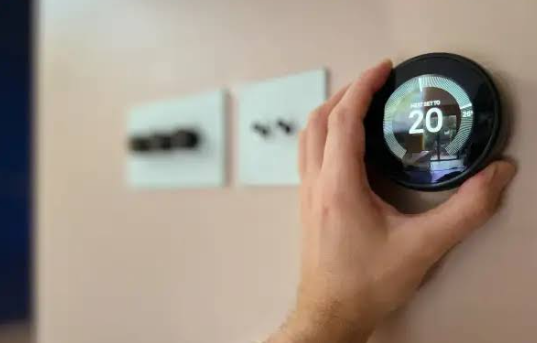
Heating and cooling systems are fundamental to maintaining a comfortable home environment while also managing energy consumption. By implementing efficient solutions, homeowners can significantly reduce their monthly utility costs. One effective measure is the installation of programmable thermostats. These devices not only offer improved control over indoor temperatures but also enable users to schedule heating and cooling according to their daily routines, resulting in reduced energy waste.
Regular HVAC maintenance is another cornerstone of an efficient heating and cooling system. This includes routine inspections and filter replacements, which can enhance system efficiency and prolong the lifespan of the equipment. A well-maintained system operates more efficiently, thus consuming less energy to deliver the same level of comfort.
Additionally, alternative heating methods, such as heat pumps, provide high efficiency and lower operating costs. These systems transfer heat rather than generate it, making them particularly effective in moderate climates. Heat pumps can serve both heating and cooling functions, further simplifying home energy management.
It is also advisable for homeowners to consider the benefits of regular upgrades to their heating and cooling systems. Newer models often come equipped with advanced technologies that maximize energy efficiency. By replacing outdated units with modern systems that adhere to current energy standards, homeowners can not only enjoy better performance but also take advantage of potential utility rebates or tax incentives.
In conclusion, addressing heating and cooling solutions in a home can lead to substantial savings on utility bills. Through the integration of programmable thermostats, diligent maintenance, exploration of alternative heating methods such as heat pumps, and regular system upgrades, homeowners can create a more energy-efficient living space.
Renewable Energy Options
In recent years, the integration of renewable energy sources into home energy systems has gained considerable attention as a viable solution for reducing monthly utility costs. Two of the most prominent renewable energy options available to homeowners are solar panels and wind turbines. These systems not only help in lowering energy bills but also contribute to a more sustainable environment by reducing reliance on fossil fuels.
Solar panels, which convert sunlight into electricity, have become increasingly popular due to their declining installation costs and the substantial savings they provide over time. Homeowners can generate a significant portion of their energy needs through solar power, effectively decreasing their dependence on grid electricity. Moreover, government incentives, such as tax credits and rebates, have made it financially attractive for homeowners to invest in solar technology. These incentives often cover a significant portion of the installation costs, allowing for quicker return on investment.
Similarly, wind turbines offer another avenue for generating clean energy in residential areas, particularly in regions that experience consistent wind patterns. By harnessing wind energy, homeowners can produce their own electricity and mitigate the impact of rising utility costs. Although the initial investment for installing a wind turbine can be high, the long-term savings on energy bills and the potential for government rebates can make this option feasible for many families.
Both solar energy and wind energy stand as robust solutions for those seeking to decrease energy costs over time. It is important for homeowners to assess their property’s potential for renewable energy generation, as well as the available financial incentives, before making a commitment. By investing in renewable energy solutions, homeowners can not only achieve immediate savings on utility bills but also a sustainable energy future.
Smart Home Technologies
The integration of smart home technologies has revolutionized the way we manage energy consumption within our households. These innovative systems not only enhance comfort but also effectively reduce monthly utility costs by optimizing electricity usage. One of the most significant advancements in this realm is the smart thermostat. Unlike traditional thermostats, smart thermostats learn household preferences and automatically adjust temperatures based on occupancy, thereby ensuring energy is not wasted when no one is home. By utilizing this technology, households can save up to 10-12% on heating and cooling bills annually.
In addition to smart thermostats, energy monitoring systems offer an invaluable resource for homeowners seeking to track real-time energy usage. These systems provide detailed insights into how, when, and where energy is being consumed in the home. With access to this data, homeowners can make informed decisions on energy-saving practices, identify inefficient appliances, and establish tailored energy-saving goals. This increased awareness can lead to significant savings and a more efficient household overall.
Automated lighting controls also play a critical role in managing energy consumption. Smart lighting systems allow users to schedule lighting or control it remotely via smartphones or voice-activated assistants. Moreover, sensors can detect the occupancy of a room and adjust lighting accordingly, ensuring that lights are only on when needed. By implementing such solutions, homeowners not only enhance convenience but also contribute to lowering energy bills.
Overall, smart home technologies such as smart thermostats, energy monitoring systems, and automated lighting controls create an integrated approach to energy management, allowing households to improve their efficiency, reduce their environmental impact, and achieve substantial savings on utility costs.
Behavioral Changes and Habits
Adopting simple behavioral changes and cultivating energy-efficient habits can significantly impact energy savings in the home. By being more conscious of everyday practices, homeowners can effectively reduce their monthly utility costs. One of the primary strategies involves adjusting usage patterns, particularly related to heating and cooling systems. For instance, setting the thermostat just a few degrees lower in winter and a few degrees higher in summer can lead to substantial energy conservation.
Another essential aspect is being mindful of energy consumption during peak hours. Many regions experience higher rates during these periods, which typically occur in the evenings and hot afternoons. Homeowners can shift their energy-intensive activities, such as laundry or dishwashing, to off-peak times. This practice not only saves money but also helps maintain a balanced energy grid. Furthermore, utilizing programmable thermostats can automate these adjustments, ensuring that energy-efficient settings are consistently applied.
Beyond adjustment of heating and cooling, there are other daily habits that can help minimize energy waste. Practicing energy-efficient behaviors such as turning off lights when leaving a room, unplugging devices when not in use, and opting for energy-efficient appliances can further contribute to reduced consumption. Implementing habits like these as part of a daily routine often requires minimal effort but can lead to significant cost savings over time.
Incorporating these energy-saving habits not only benefits individual households by lowering utility bills but is also a step toward greater environmental responsibility. By being proactive in managing energy use, homeowners can create a more sustainable living environment that aligns with financial efficiency and ecological stewardship.
Conclusion and Next Steps
In summary, effectively reducing monthly utility costs requires a multifaceted approach that emphasizes energy efficiency within the home. Throughout this blog post, we have explored several actionable energy-saving solutions, including optimizing heating and cooling systems, upgrading insulation, employing smart home technologies, and considering sustainable energy sources. Each of these measures can contribute significantly to lowering energy consumption and ultimately decreasing utility bills.
As you contemplate these solutions, it is essential to set realistic energy-saving goals tailored to your household’s specific needs. Consider conducting an energy audit to identify key areas where improvements can be made. This assessment may outline potential upgrades, suggest repairs, and describe the effectiveness of existing appliances. By establishing a baseline of your current energy usage, you will be better equipped to monitor progress and celebrate successes as utility costs decline.
Seeking professional advice can also provide invaluable insights into implementing effective energy-saving strategies. Certified energy auditors and contractors can identify issues that may not be visible at first glance and suggest tailored solutions for your home. Many professionals also have access to the latest advancements in energy-efficient technology and can guide you in selecting the most suitable options.
Finally, exploring financing options for larger projects can make a significant difference in managing upfront costs. Various programs, loans, and incentives are often available at the municipal, state, or federal level to support home energy efficiency initiatives. By taking advantage of these financial resources, homeowners can implement substantial upgrades that would otherwise be financially prohibitive.
In conclusion, by taking these next steps and utilizing the energy-saving solutions outlined in this blog post, you can significantly reduce your monthly utility costs while contributing to a more sustainable future for our planet.