


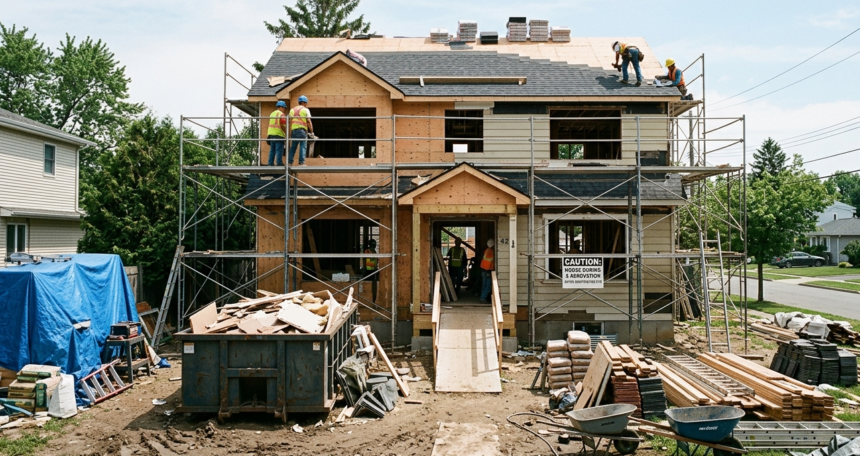
Introduction: Embracing the Chaos
Undergoing a home renovation can be a transformative experience, effectively turning the familiar environment of your residence into a construction zone filled with dust, noise, and uncertainty. While this might conjure images of becoming overwhelmed amidst the chaos, it can also symbolize a significant step toward creating your ideal living space. However, it is important to recognize the challenges that come with living through such a major change. This period often evokes a complex mix of excitement about the final results and anxiety about the disruption to daily life.
Notably, the process of renovation can disrupt routines, create additional stress, and even compel household members to redefine their comfort zones. The constant activity can affect everything from meal preparation to essential functioning within different areas of the home. Communication is crucial in navigating this period, as those living in the home will need to establish clarity on how to adapt to fluctuating situations.
Additionally, planning is paramount for anyone embarking on a renovation. It is essential to prepare for the various stages of construction and remain adaptable to sudden changes or delays that are often part of the renovation process. Understanding what to expect can alleviate some of the anxiety associated with the chaos, allowing you to embrace the transition with a more positive outlook.
Ultimately, a home renovation, while challenging, presents an opportunity for you to enhance your living environment. By anticipating the difficulties and accepting the temporary discomfort that comes with the renovation, you can effectively embrace the chaos and appreciate the journey throughout the transformation of your home.
Assessing the Scope of the Renovation
Evaluating the scope of your renovation project is a crucial first step to understand which areas of your home will be impacted and to what degree. This assessment forms the foundation for effectively managing your daily life during the renovation process. Begin by identifying the specific elements of your home that require attention. Are you planning a complete kitchen remodel, or perhaps a simpler update involving paint and finishes? Each type of renovation will demand different levels of disruption to your routine.
Next, consider the timeline of the renovation. A straightforward cosmetic uplift may take only a few weeks, whereas structural changes or significant services like electrical and plumbing might stretch for months. Understanding this timeline can help you prepare mentally and physically for the alterations. Make a checklist that outlines all the areas that will be affected during the renovation. Commonly impacted spaces include kitchens, bathrooms, and living areas. Note any sections of the home that may remain accessible and suitable for daily living.
It is also essential to factor in the availability and movement of contractors. Assess their schedules and how they will impact your ability to use specific spaces during the project. You may need to adjust your routines accordingly, such as finding alternative spaces for cooking or working. Furthermore, consider potential noise and dust, which can significantly affect your comfort. By proactively assessing the renovation’s scope and implications, you are better positioned to develop a strategic plan for living amidst the chaos, ensuring that your daily life is as minimally disrupted as possible.
Creating a Temporary Living Space
Renovating your home can bring significant challenges, especially when it comes to maintaining comfort and normalcy during the process. Creating a temporary living space is essential for adapting to the disruption that comes with renovations. First and foremost, you should identify a specific area in your home that can serve as a refuge. Ideally, this should be a room that is least affected by the renovation work to minimize exposure to dust, noise, and other disturbances. This involves establishing boundaries that keep the construction zone separate from your living area.
In addition to choosing a quiet space, prioritizing essentials is crucial. Begin by setting up a comfortable sleeping area, which can help ensure restful nights amidst the noise. Equip this space with necessary furnishings, such as a bed or sofa, along with items like pillows and blankets to enhance comfort. You might also want to include a small bedside table or a stand to keep personal items handy. Next, create a makeshift kitchen area where you can prepare and enjoy meals. Utilize appliances such as a microwave or a slow cooker, and stock up on non-perishable food items, which can help prevent the stress of frequent grocery shopping during renovations.
Additionally, maintaining some level of normalcy is vital for mental well-being. Integrate personal elements into your temporary living space, such as photographs or familiar decorations, to help foster familiarity in an otherwise chaotic environment. Establish specific times for work and relaxation to create an effective routine that allows you to unwind after a long day of renovations. This approach not only provides comfort but also contributes significantly to managing stress throughout the renovation period, ensuring that you can still enjoy your home amidst the changes.
Establishing a Daily Routine
Living in your house during a renovation can be disruptive and overwhelming, making it essential to establish a consistent daily routine. This routine serves as an anchor, helping to maintain productivity and promoting mental well-being amidst the temporary chaos of construction work. By creating a structured day, homeowners can manage stress and adjust to the changes occurring in their environment.
Begin by setting a regular wake-up time. The act of waking up at the same hour each day can instill a sense of normalcy, even when everything around you is in flux. Following this, allocate specific time slots for activities such as work, exercise, and leisure. It may be beneficial to determine where in the house renovations are least intrusive, allowing for designated areas to focus on tasks without distraction.
For instance, if your kitchen is undergoing renovations, consider meal prep during quieter morning hours when workers may not be on-site, or utilize a slow cooker to simplify cooking tasks. Make sure to establish break times as well, ensuring that your routine includes moments to step away from any disturbances that renovations may bring. Scheduling time for relaxation or engaging in hobbies can also be advantageous, encouraging a balanced lifestyle amid the upheaval.
Regularly reviewing and adjusting your routine as renovations progress is crucial. Adapting to changing circumstances—such as noise levels or access to different rooms—can help you refine your daily schedule. Moreover, incorporating simple mindfulness techniques can provide further support. Taking a few moments to meditate or practice deep breathing can help ground you, leading to improved concentration and emotional resilience.
In conclusion, establishing a daily routine during a renovation can significantly enhance your overall well-being. By introducing structure and finding ways to embrace the changes, you can navigate this challenging phase while maintaining a sense of control and stability in your daily life.
Managing Noise and Disruption
Renovation projects often come with an unavoidable element of noise and disruption. The sound of construction can be intrusive, particularly if you are trying to maintain a sense of normalcy in your home. To tackle these challenges, it is essential to adopt some well-thought-out strategies that can effectively limit distractions and improve your overall living experience during this period.
One of the most effective methods to manage the noise is through soundproofing techniques. You might consider investing in heavy curtains or sound-absorbing materials to minimize echo and muffled sounds. If your windows are a primary source of noise infiltration, consider using weather stripping or even acrylic window inserts, which can enhance insulation and reduce sound entry significantly.
Furthermore, creating a designated quiet space in your home can make a substantial difference. Establishing an area where you can retreat when noise levels peak can provide you with the much-needed respite from the chaos. This area could be a bedroom, office, or any room where construction activity is minimal.
Time management is another critical aspect of coping with renovation noise. Familiarize yourself with the construction schedule so that you can plan your day accordingly. Identify times when work will be most intense, and try to schedule essential activities—such as remote work or online meetings—during quieter periods. Engaging in outdoor activities or visiting friends and family can also provide an excellent escape during the messiest phases of the renovation.
In conclusion, while managing noise and disruption during a renovation may seem daunting, applying soundproofing techniques, creating a quiet sanctuary, and aligning your schedule with the renovation can significantly ease the process. Adopting these strategies can help maintain a sense of normalcy in your daily routine, ultimately leading to a smoother renovation experience.
Safety Considerations for Living on-Site
During a home renovation, maintaining safety for everyone, particularly children and pets, is essential. One of the first steps is to secure hazardous areas to prevent accidents. This involves cordoning off sections of the house where construction is taking place, either by using barriers such as gates and safety fences or by ensuring that doors leading to these areas are kept closed at all times. Visible signage indicating restricted zones can also help communicate safety boundaries.
Another crucial aspect is the management of tools and construction materials that may pose risks. All tools should be stored safely and out of reach of children and pets. If tools must be left on site, consider using toolboxes or locked cabinets to prevent unauthorized access. Additionally, any hazardous materials, such as paints, solvents, or nails, should be appropriately sealed and stored to eliminate potential dangers.
It is also important to regularly inspect the renovation area. Check for shifting debris, exposed nails, or uneven flooring that could lead to tripping or falling hazards. Once the final phase wraps up, many Florida homeowners also book thorough post construction cleaning Tampa crews can complete, clearing fine dust and leftover debris before children and pets return to the finished rooms. Regular communication with contractors can help ensure that safety protocols are adhered to during the renovations. Establishing clear guidelines for when children and pets should be kept out of the work areas and ensuring everyone is informed about potential dangers is vital.
Furthermore, introducing safety measures such as wearing protective gear, including helmets and goggles, can promote conscious awareness among adults involved in the renovations. By being proactive in addressing these safety considerations, homeowners can create a safer living environment for their families and minimize risks associated with renovations.
Communicating with Your Contractor
Effective communication with your contractor is central to ensuring a smooth renovation process while living in your house. The first step involves establishing open lines of communication from the outset. It is vital to openly discuss the scope of work, timelines, and any potential disruptions that may arise. By setting these expectations early on, both you and your contractor can gain a mutually clear understanding of goals and deadlines. This helps in minimizing misunderstandings and reducing delays, which are pivotal in maintaining the renovation schedule.
Furthermore, you should feel empowered to voice your concerns throughout the renovation. Regular check-ins can aid in keeping the lines of communication open. Whether it is a question about the project’s progress or a concern over safety aspects, addressing these points promptly can prevent minor issues from escalating into costly problems. Establishing a regular update schedule—such as daily or weekly check-ins—can help in fostering a constructive dialogue.
Additionally, as renovation projects may require adjustments to the initial plan, it’s crucial to discuss any changes transparently with your contractor. Changes in materials, design, or timelines should be documented and agreed upon to ensure all parties are informed and aligned. This not only promotes transparency but also helps in managing expectations on both sides, essential in avoiding any potential conflicts.
Ultimately, a successful renovation hinges on effective communication. By engaging in open, honest exchanges about timelines, concerns, and any modifications needed on the initial plan, you can enhance your overall experience while living in your home during renovations. This approach not only builds a strong working relationship with your contractor but ensures that your renovation project stays on track and within budget.
Finding Temporary Alternatives
Living in your house during a renovation can be challenging, particularly when it comes to maintaining your daily routines. Finding temporary alternatives that cater to your essential needs will significantly ease the transition. Start by establishing a compact kitchen area. If your main kitchen is undergoing upgrades, consider using a microwave, a hot plate, or even a slow cooker. These appliances require minimal space and can help you prepare a variety of meals while avoiding the chaos of a full kitchen remodel.
Another option is to utilize a designated corner of a room, such as the dining area or a sufficiently large bathroom. Invest in a kitchen cart or a small folding table to create a makeshift cooking space. Organizing your cooking utensils and non-perishable ingredients will not only promote efficiency but also enhance your cooking experience. Consider meal prepping to streamline your meals for the week, allowing you to enjoy home-cooked food with less hassle during peak renovation hours.
In addition to cooking, consider alternative living arrangements for relaxation and sleep. If your living space is cluttered due to ongoing renovations, designate a specific room or area where you can retreat, free from dust and disturbance. Utilizing air purifiers and keeping windows open will help maintain air quality, making it easier to inhabit these spaces comfortably.
Also, maintain a schedule that aligns with the renovation timeline. Plan activities during the noisiest work hours to ensure minimal disruption to your daily routine. By effectively finding temporary alternatives, you will not only endure the inconvenience of renovation but can also create a comfortable living environment amidst the chaos. Through innovative solutions and a little flexibility, you can navigate this transitional phase with minimal stress, ensuring that your home remains a sanctuary despite the renovations taking place.
Conclusion: Patience and Perspective
Renovating your home can often feel overwhelming, yet it is important to approach the process with patience and a positive mindset. While the disruption of daily life during renovations can be a challenge, it’s crucial to remember the ultimate goal: a beautifully transformed space that enhances your lifestyle. Taking a step back and maintaining perspective can significantly ease the stress associated with living in a house under construction.
Throughout your renovation journey, there will likely be moments of frustration. Whether it’s unexpected delays, noise disturbances, or the constant presence of workers, these realities can test your patience. However, viewing these inconveniences as temporary obstacles rather than permanent nuisances can help maintain a constructive mindset. It’s vital to keep reminding yourself of the vision you had for your home and the satisfaction that awaits you upon completion.
Additionally, engaging with your family or housemates about the renovation process can create a sense of teamwork and shared purpose. Encouraging open communication about feelings and expectations can help alleviate some of the tension that may arise. Focus on the excitement of home improvements and how they will enhance your living experience in the long run.
Ultimately, every challenge faced during a home renovation can lead to a greater appreciation of the finished product. As you navigate through dust and noise, remember that these are mere steps on the path to a more functional and aesthetically pleasing home. By cultivating patience and perspective, you can turn your renovation experience into a positive adventure that you will look back on fondly once your dream space is realized.