


Introduction
In today’s fast-paced world, understanding when to seek emergency medical assistance is crucial. Timely action during a medical crisis can not only alleviate suffering but also save lives. Medical emergencies can manifest in various forms and recognizing the signs can make a crucial difference in outcomes. This blog post aims to highlight the critical indicators that signal the need for immediate hospital treatment.
Medical emergencies can present themselves in numerous ways, from severe injuries and sudden illnesses to unexpected symptoms that may arise without warning. Being able to identify these signs is essential for individuals and families alike, ensuring they act decisively when faced with a potential health risk. The consequences of delays in seeking treatment can be severe, potentially leading to complications, long-term health issues, or even fatal outcomes.
Our discussion will cover a range of scenarios, explaining common symptoms and situations that necessitate urgent care. Some indicators, such as chest pain, difficulty breathing, or significant bleeding, are well-known. However, there are also less obvious symptoms, such as severe headaches, changes in consciousness, or unusual behavioral changes, that may not immediately seem urgent but require prompt assessment.
By being informed about these warning signs, readers will be better equipped to take swift action when necessary. Understanding the importance of speedy intervention during a medical emergency could mean the difference between a positive outcome and a grave situation. Therefore, it is imperative to stay attentive to one’s own health and that of loved ones in order to make informed decisions regarding emergencies.
Understanding Emergencies
Medical emergencies represent critical situations requiring immediate attention to prevent serious harm or even death. It is vital to differentiate between emergencies and non-emergencies, as this distinction can significantly affect survival rates and health outcomes. An emergency typically presents with severe symptoms that can potentially lead to life-threatening conditions if not treated promptly.
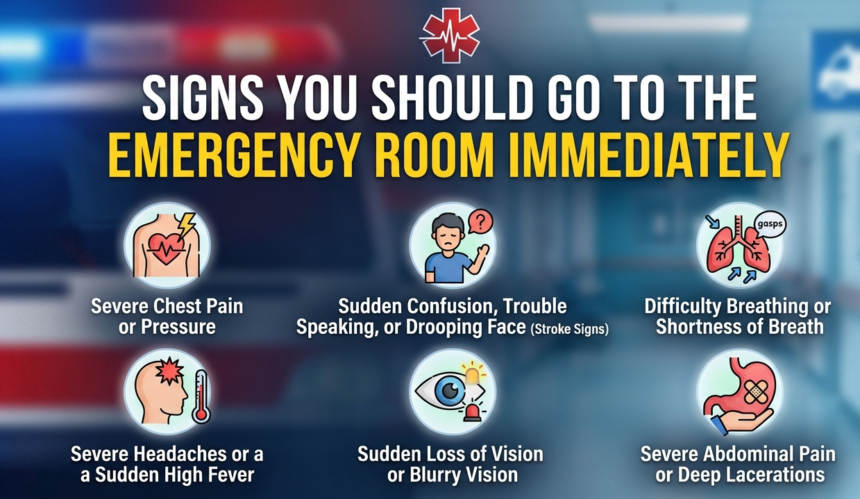
Common signs indicating a medical emergency can include chest pain, difficulty breathing, severe bleeding, or signs of stroke such as sudden weakness or confusion. Recognizing these signs is crucial because quick, decisive action can drastically improve prognosis. For example, a heart attack or stroke requires immediate medical intervention to mitigate damage to vital organs and increase the likelihood of recovery.
Moreover, differentiating between an emergency and a non-emergency can alleviate pressure on emergency services, ensuring those with critical needs receive the attention they require. It is a common misconception that every medical issue constitutes an emergency. While many conditions are urgent and necessitate a doctor’s visit, they may not require the immediate action associated with an emergency room visit.
Understanding what qualifies as an emergency also empowers individuals and families to make informed decisions about their health care. In less severe cases, alternatives such as urgent care facilities or telemedicine consultations might be more appropriate, saving time and resources. Therefore, developing an awareness of the signs that constitute a medical emergency can ensure individuals act swiftly and appropriately, making a lasting impact on their health and well-being.
Chest Pain or Discomfort
Experiencing chest pain or discomfort is a concerning symptom that should never be dismissed. This sensation can manifest in various forms, including sharp, stabbing pains, a dull ache, or a feeling of tightness. Often, chest pain is closely associated with heart-related issues, and it is vital to recognize the potential implications that this symptom may indicate.
One of the most severe concerns linked to chest pain is a heart attack. Typical signs include pressure in the chest, discomfort that may radiate to the arms, back, neck, or jaw, and shortness of breath. While not every case of chest pain results in a heart attack, the risk factors associated require immediate medical attention. Other symptoms that may accompany chest pain include nausea, lightheadedness, or cold sweats, which further signify the urgency of the situation.
Chest pain can also stem from various other medical conditions, such as pulmonary issues, gastrointestinal disorders, or musculoskeletal problems. For instance, a pulmonary embolism, which occurs when a blood clot travels to the lungs, can result in sudden chest pain and difficulty breathing. Similarly, conditions like acid reflux can cause chest discomfort that mimics heart-related symptoms. Regardless of the cause, any onset of unexplained or severe chest pain should prompt an immediate visit to the emergency room.
In essence, the spectrum of potential causes of chest pain underscores the importance of acting quickly. Even if the pain seems mild or temporary, it is critical to prioritize your health and seek medical assistance. Ignoring these signs could have dire consequences, highlighting the necessity of professional evaluation in such situations.
Difficulty Breathing
Difficulty in breathing can manifest in various forms, and it is an alarming sign that requires immediate medical attention. Symptoms such as wheezing, gasping for air, or an inability to take a deep breath may indicate serious underlying conditions. These manifestations can trigger anxiety and increase discomfort, making it crucial for affected individuals to recognize the severity of their situation.
One common cause of difficulty in breathing is an asthma attack. People suffering from asthma may experience sudden and severe constrictions of the airways, leading to episodes of wheezing and shortness of breath. Asthma attacks can be caused by allergies, respiratory infections, or even environmental changes, and they require prompt treatment. A reliever inhaler may temporarily alleviate symptoms, but if the attack becomes severe, it is essential to seek emergency medical help.
Another critical situation arises from severe allergic reactions, commonly known as anaphylaxis. In response to allergens such as bee stings, certain foods, or medications, anaphylaxis can lead to swelling of the throat, making breathing extremely difficult. This medical emergency requires the immediate use of an epinephrine auto-injector, followed by a trip to the nearest emergency room to ensure proper care and management of the reaction.
In addition to asthma and allergies, other conditions such as pulmonary embolism, pneumonia, or chronic obstructive pulmonary disease (COPD) may also lead to breathing difficulties. Symptoms associated with these conditions can develop suddenly or progressively worsen over time. Whatever the cause, any experience of difficulty breathing that is sudden, severe, or accompanied by other concerning symptoms, such as chest pain or confusion, should prompt a prompt visit to the emergency room.
Severe Bleeding
Severe bleeding is a critical medical condition that requires immediate attention. It can be classified as either external or internal, with both forms posing significant health risks. External bleeding is often visible, while internal bleeding might not be immediately apparent, making it essential to understand the symptoms associated with each type.
Recognizing severe bleeding involves observing certain characteristics. For external injuries, excessive blood loss can be defined as bleeding that does not stop or slow down after applying pressure for 10 minutes. If the blood is bright red and spurting, this indicates a severe arterial bleed, which is particularly alarming. For internal bleeding, symptoms may include severe abdominal pain, dizziness, weakness, or signs of shock such as confusion or rapid heart rate. These symptoms can signify life-threatening conditions requiring urgent intervention.
The importance of seeking prompt medical attention for severe bleeding cannot be overstated. Delay in treatment can lead to significant blood loss and potentially fatal complications. For that reason, individuals experiencing severe bleeding should prioritize immediate transport to the nearest emergency room. The medical team will have the required expertise and resources to stabilize the patient, determine the cause of the bleeding, and provide appropriate interventions such as blood transfusions or surgical procedures.
If you or someone around you exhibits signs of severe bleeding, do not hesitate. Emergency rooms are equipped to handle such life-threatening situations. Remember, addressing severe bleeding promptly not only mitigates risks of further complications but can also save lives. It is essential to act swiftly to ensure the best possible outcome in these harrowing circumstances.
Loss of Consciousness
Loss of consciousness is a significant medical symptom that should not be taken lightly. This condition can manifest as fainting, blackout episodes, or a sudden inability to respond to stimuli. In many cases, it can indicate a serious underlying health issue that requires immediate attention. There are various reasons why an individual may experience a loss of consciousness, ranging from neurological disorders to cardiovascular complications. Common causes include seizures, stroke, heart attack, blood loss, and severe dehydration.
When a person faints or loses consciousness, the brain is not receiving enough blood or oxygen, which can lead to detrimental consequences if not addressed promptly. The experience of fainting can be a one-time event for some; however, if it occurs repeatedly or is accompanied by other concerning symptoms, such as chest pain, headache, or confusion, it is crucial to seek medical help immediately.
In an emergency room setting, medical professionals will conduct thorough assessments to determine the root cause of the loss of consciousness. This includes taking a detailed medical history, performing physical examinations, and running various tests such as blood tests, electrocardiograms (ECGs), and imaging studies. Each case is treated with urgency, as timely interventions can be life-saving, particularly if the underlying condition is severe.
It is essential for spouses, friends, or bystanders to be aware of the importance of getting immediate care if they witness someone losing consciousness. Recognizing that this is more than a minor episode is vital; it can be a sign of a potentially life-threatening condition. Therefore, taking swift action by calling emergency services can make a significant difference in outcomes for those affected.
Signs of a Stroke
Recognizing the signs of a stroke is crucial for ensuring timely medical intervention, as prompt treatment can significantly improve outcomes. One effective way to remember the classic signs of a stroke is the acronym FAST, which stands for Face drooping, Arm weakness, Speech difficulties, and Time to call emergency services.
Face drooping is often the most visible indicator of a stroke. If one side of the face appears to droop or feels numb, it could suggest that the person is experiencing a stroke. When this occurs, you can check for facial symmetry by asking the person to smile. A lopsided smile is a strong indicator that medical help is needed.
Arm weakness is another critical sign. If an individual is unable to lift one arm or if one arm drifts downward when both arms are raised, this can be a clear signal of a stroke. It is important to assess the strength in their arms, as inability to move or weakness can point to neurological issues.
Speech difficulties are also significant. If the person has trouble speaking, slurs their words, or seems unable to communicate clearly, this could be indicative of a stroke. A simple test is to ask them to repeat a sentence to evaluate their clarity of speech.
Finally, the “Time to call emergency services” is a reminder that, if any of these symptoms are observed, immediate medical attention is crucial. Timing is key when it comes to stroke treatment; the sooner the individual receives help, the better their chances of recovery. Understanding and recognizing these signs can empower individuals to act quickly in the event of a stroke, potentially saving a life. It is always better to err on the side of caution when it comes to health emergencies.
Severe Allergic Reactions
Severe allergic reactions, also known as anaphylaxis, are critical medical emergencies that require immediate attention. Anaphylaxis is a life-threatening condition that can occur within minutes of exposure to an allergen, which may include certain foods, medications, insect stings, or other triggers. Recognizing the signs of a severe allergic reaction is vital for ensuring timely treatment to prevent further complications.
One common manifestation of anaphylaxis is the sudden development of hives or an itchy rash. Hives can appear as raised bumps on the skin that may vary in size and can be quite uncomfortable. Along with skin reactions, swelling of the lips, tongue, or throat may also occur, which can lead to difficulty swallowing or speaking. Such swelling can rapidly worsen and should never be ignored.
Furthermore, individuals experiencing anaphylaxis may encounter breathing difficulties. This can range from mild wheezing to profound shortness of breath and chest tightness, making it challenging to breathe normally. Such respiratory distress indicates that the airways are constricting, which can impede airflow and lead to suffocation if not addressed immediately. Additionally, gastrointestinal symptoms such as nausea, vomiting, or abdominal pain may occur in conjunction with the other signs.
The urgency of dealing with a severe allergic reaction cannot be overstated. Individuals who suspect they are experiencing anaphylaxis should seek emergency medical help without delay. Commonly, epinephrine is administered as a first-line treatment in these situations; however, medical professionals will often perform further assessment and provide additional care as needed.
Prompt recognition and action are crucial when it comes to severe allergic reactions. If you or someone around you exhibits signs of anaphylaxis, don’t hesitate to seek emergency medical assistance. The implications of not acting swiftly can be dire, ensuring that appropriate steps are followed when facing such a critical health event.
When to Seek Emergency Care for Other Symptoms
Recognizing when to seek emergency care can sometimes be challenging, particularly when symptoms are less overt. While chest pain and shortness of breath are often deemed as clear indicators for immediate medical attention, there are other symptoms that may signal a serious health concern. Sudden confusion, for example, can indicate a variety of medical emergencies, including stroke, head injury, or severe infection. If an individual experiences unexpected disorientation or cognitive changes, it is essential to seek care without delay, as timely intervention can drastically affect outcomes.
Another symptom that warrants urgent attention is persistent vomiting. While occasional vomiting can result from benign conditions, ongoing vomiting could lead to dehydration, electrolyte imbalance, or may signify a more serious underlying issue such as bowel obstruction or pancreatitis. If vomiting is accompanied by severe abdominal pain, it becomes even more critical to pursue emergency care, as abdominal pain could stem from various life-threatening conditions that require immediate investigation.
Severe pain itself is a significant indicator for potential emergencies. This includes intense headaches, back pain, or pain that is located in the chest or abdomen and cannot be alleviated. While some forms of pain may be chronic, an acute episode that escalates in severity or is unusual for the individual may necessitate an immediate visit to the emergency room. Understanding the context and accompanying symptoms is essential in making an informed decision about whether to seek emergency care.
Ultimately, it is important for individuals to trust their instincts when they experience troubling symptoms. If in doubt, erring on the side of caution and seeking medical evaluation can help ensure that serious conditions are promptly diagnosed and treated, enhancing the likelihood of a positive health outcome.