


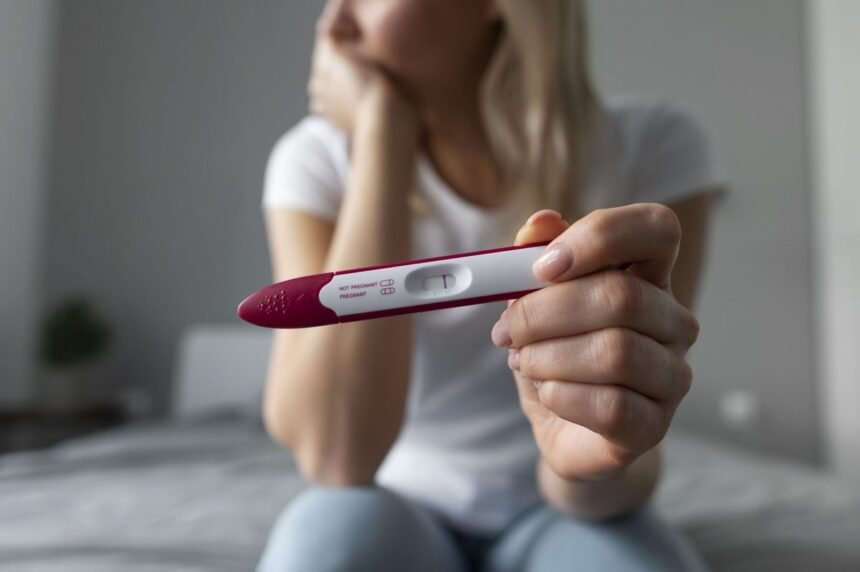
Understanding Early Pregnancy Symptoms
Early pregnancy symptoms refer to the physical and emotional changes a woman experiences shortly after conception. These symptoms can vary from person to person and often resemble the signs associated with premenstrual syndrome (PMS), making it challenging to distinguish between the two. However, recognizing early pregnancy symptoms is crucial, as they provide important insights into a woman’s reproductive health and the development of the pregnancy.
Around the time of implantation, several physiological changes occur within the body. One of the most common early pregnancy symptoms is a missed menstrual period, which can be one of the first indicators that conception has taken place. Following this, many women may experience symptoms such as fatigue, nausea, breast tenderness, and increased urination, which are largely attributed to hormonal fluctuations. These changes are driven by elevated levels of human chorionic gonadotropin (hCG) and progesterone, hormones that play significant roles in sustaining a pregnancy and preparing the body for the growing fetus.
Additionally, some women may notice changes in their sense of smell, food aversions, or heightened emotional sensitivity. Differentiating these symptoms from those associated with an impending menstrual cycle is important, as early identification of pregnancy can lead to prompt prenatal care and more informed decisions about one’s health and lifestyle. Notably, while some symptoms may overlap with premenstrual symptoms, early pregnancy signs often present with increased intensity or duration.
In summary, understanding and recognizing early pregnancy symptoms is essential for women who suspect they may be pregnant. Being aware of these physical and emotional indicators not only enhances a woman’s knowledge of her reproductive health but also empowers her to seek timely medical advice and support when needed.
Common Early Pregnancy Symptoms
When it comes to early pregnancy, recognizing the symptoms can be crucial for timely interventions and care. One of the most significant indicators is a missed menstrual period. For women who typically have a regular cycle, this absence could signal pregnancy, especially if combined with other symptoms. It is advisable to take a pregnancy test following a missed period for confirmation.
Nausea, often referred to as “morning sickness,” is another common symptom and can commence as early as two weeks after conception. Though it is commonly experienced during the first trimester, some women may face this symptom for a longer duration. It is important to note that while the exact cause remains unclear, hormonal changes are believed to play a pivotal role in triggering this discomfort.
Fatigue is frequently reported during early pregnancy, resulting from hormonal fluctuations and the body’s increased energy demand in early fetal development. Women may notice heightened tiredness even if they are getting adequate rest. This fatigue could persist throughout the first trimester, and its intensity can vary significantly among individuals.
Breast tenderness is often reported as one of the initial symptoms of pregnancy. As the body undergoes hormonal changes, breasts may feel swollen, sensitive, or heavier. This symptom usually enriches in intensity during the first month of pregnancy and can continue into the second trimester, as the body adapts to the physiological changes.
Frequent urination is another symptom that may emerge as early as six to eight weeks after conception. The growing uterus begins to exert pressure on the bladder, causing an increased need to urinate. This symptom can last throughout the pregnancy, particularly in the later stages when the uterus expands further.
Symptoms That May Indicate A Problem
During the early stages of pregnancy, individuals may experience various symptoms that are often a part of the normal gestational process. However, some symptoms should raise immediate concern, as they may indicate potential complications that require medical intervention.
One of the most alarming symptoms is severe abdominal pain. While mild cramping can be common, intense pain that feels sharp or persists could signify an ectopic pregnancy or a miscarriage. An ectopic pregnancy occurs when the fertilized egg implants outside the uterus, usually in a fallopian tube. This condition can become life-threatening if not addressed promptly. Therefore, if an individual experiences severe abdominal pain, it is imperative to seek medical advice.
Another critical symptom to be aware of is heavy bleeding. Light spotting can be normal in early pregnancy; however, soaking through one or more pads an hour for several consecutive hours is not typical and requires immediate attention. Heavy bleeding may suggest a miscarriage or other serious conditions, such as placental abruption, where the placenta detaches from the uterine wall before birth.
Persistent vomiting, often referred to as hyperemesis gravidarum, is also a symptom that should be taken seriously. While nausea and vomiting are common, excessive vomiting that prevents an individual from keeping food or fluids down can lead to dehydration and nutritional deficiencies. This can pose risks both to the individual and the developing fetus, making it essential to seek medical care for appropriate treatment.
In summary, while many symptoms can indicate a normal pregnancy, certain signs—such as severe abdominal pain, heavy bleeding, and persistent vomiting—warrant immediate medical attention. These symptoms may indicate potential problems that could have serious implications for maternal and fetal health.
The Importance of Taking Symptoms Seriously
During early pregnancy, a woman’s body undergoes significant physiological changes that can manifest in various symptoms. These early pregnancy symptoms, which can range from fatigue and nausea to mood swings and cramping, should never be overlooked. Recognizing and responding to these cues is essential for the well-being of both the mother and the developing fetus.
Taking early pregnancy symptoms seriously can facilitate timely medical intervention if complications arise. Conditions such as ectopic pregnancy or miscarriage can present as common early symptoms, yet they require immediate medical attention. By being vigilant and aware of one’s body, expectant mothers can seek appropriate care and possibly mitigate health risks, ensuring both safety and support during this crucial period.
Moreover, addressing early pregnancy symptoms can promote better long-term health outcomes. Proper diagnosis and management of symptoms can help healthcare providers devise personalized care plans that address the individual needs of the mother. This proactive approach reduces the likelihood of unaddressed issues culminating in severe consequences for both mother and child.
Educating oneself about the range of early pregnancy symptoms and their potential implications is a vital step in fostering a healthy pregnancy. Participation in regular prenatal check-ups creates an opportunity to discuss any concerns, alleviating anxiety and building a supportive network around the expectant mother.
Ultimately, recognizing and taking early pregnancy symptoms seriously can lead to positive experiences and health outcomes. Acknowledging these signs as important signals prompts timely actions that not only support maternal health but also enhance the chances of a successful pregnancy journey. Every symptom has its significance in the context of pregnancy, making it imperative to approach them with care and attention.
When to Seek Medical Help
During early pregnancy, it is crucial for individuals to be vigilant concerning their health. Certain symptoms may indicate potential complications that require immediate medical attention. It is imperative to seek guidance from healthcare professionals under specific conditions during pregnancy. First and foremost, any signs of severe abdominal pain, which diverges from typical cramping associated with early pregnancy, should never be overlooked. This could be indicative of conditions such as ectopic pregnancy or miscarriage, conditions which necessitate urgent medical care.
Additionally, if a pregnant individual experiences unusual bleeding or spotting that is heavier than expected, especially when accompanied by pain, immediate consultation should be pursued. These symptoms can signal impending complications that could endanger both the individual and the fetus. Another critical symptom to be aware of is a persistent high fever, as this could reflect an infection that demands treatment. Alongside these physical symptoms, any sudden and severe headache that does not respond to over-the-counter medications could also warrant a visit to a healthcare professional.
Preparation for a doctor’s appointment is key for effective communication. It is advisable to compile a detailed account of all prevailing symptoms, including their onset and frequency. Individuals should be prepared to discuss their medical history, any medications currently being taken, and any underlying health conditions that could influence their pregnancy. Being forthcoming and thorough provides healthcare providers with the necessary context for diagnosis and treatment. By acknowledging alarming symptoms and knowing when to seek medical help, pregnant individuals can ensure safer outcomes for themselves and their unborn child.
Impact of Early Pregnancy Symptoms on Mental Health
Early pregnancy is often a time filled with excitement and joy. However, it can also bring with it a myriad of physical symptoms that can significantly impact mental health. Common early pregnancy symptoms such as nausea, fatigue, and hormonal changes can lead to feelings of anxiety and stress. As the body undergoes these changes, women may find themselves worrying about their health and the developmental progress of the baby, which can further exacerbate these mental health struggles.
The emotional rollercoaster experienced during early pregnancy is not uncommon. Many women find themselves fluctuating between hope and fear, joy and doubt. The uncertainty surrounding the pregnancy can lead to feelings of vulnerability, and these sentiments often manifest as stress or anxiety. For some, these symptoms may be mild, but for others, they can become overwhelming and lead to more serious mental health concerns, such as depression.
It is crucial for expectant mothers to recognize the importance of mental well-being in conjunction with physical health during this early stage. Having a supportive partner, family, or friends can make a significant difference in alleviating anxiety associated with pregnancy symptoms. Open communication about fears and concerns can provide reassurance, and seeking support from healthcare providers is equally importance. Medical professionals can offer guidance and resources to help manage both physical and mental health symptoms effectively.
In turn, nurturing mental health during early pregnancy enables expectant mothers to cope more effectively with the physical symptoms they may encounter. By addressing both physical and emotional challenges head-on, women can create a healthier environment for themselves and their developing baby. Understanding the impact of early pregnancy symptoms on mental health is essential in fostering a supportive and nurturing atmosphere during this transformative period.
Lifestyle Adjustments During Early Pregnancy
Experiencing early pregnancy symptoms can be both exciting and challenging. To support your body during this crucial time, implementing specific lifestyle adjustments can significantly alleviate discomfort and promote overall well-being. One of the first areas to consider is dietary changes. Consuming a balanced diet rich in essential nutrients, such as folic acid, iron, and omega-3 fatty acids, is vital. Incorporating fruits, vegetables, whole grains, and lean proteins will help sustain energy levels and provide nourishment for both the mother and the developing fetus.
Hydration also plays a critical role in managing early pregnancy symptoms. Pregnant individuals should aim to drink plenty of water throughout the day. Staying hydrated can help combat fatigue, reduce the likelihood of headaches, and support digestive health. Herbal teas or electrolyte-rich drinks can also be beneficial, but it is advisable to avoid excessive caffeine and sugary beverages.
Rest is another essential element of a healthy lifestyle during early pregnancy. As the body undergoes significant changes, fatigue may manifest more frequently. Prioritizing sleep and scheduling short naps during the day can help manage overall tiredness. Creating a comfortable sleep environment, such as maintaining a cool room temperature and using supportive pillows, can enhance the quality of rest.
Finally, incorporating gentle exercise into your routine can provide numerous physical and psychological benefits. Activities like walking, swimming, or prenatal yoga can improve circulation, reduce anxiety, and help mitigate common symptoms such as nausea and back pain. Always consult with a healthcare professional before beginning any exercise program to ensure safety and appropriateness during pregnancy.
Common Myths About Early Pregnancy Symptoms
When it comes to early pregnancy symptoms, a multitude of myths and misconceptions circulate, often leading to unnecessary confusion and anxiety among expectant mothers. One prevalent myth suggests that morning sickness is a definitive sign of a healthy pregnancy. While many women experience morning sickness, its presence or absence does not directly correlate with the viability of the pregnancy. Some women may have healthy pregnancies without experiencing significant nausea, while others with severe morning sickness may still encounter complications.
Another common belief is that all women exhibit the same set of symptoms during early pregnancy. However, pregnancy is a highly individual experience, and symptoms can vary greatly from one woman to another. Factors such as hormonal differences, overall health, and even genetic predispositions can cause unique symptom profiles. For instance, while some women may report fatigue and breast tenderness, others might not notice these changes at all.
Furthermore, it is often suggested that an increase in frequency of urination during early pregnancy is solely indicative of an impending delivery. Although this symptom can indeed be prominent in late pregnancy, it is also common in the early stages due to hormonal changes affecting kidney function and blood flow. Consequently, early pregnancy symptoms can often be misunderstood, complicating the expectations of many women.
In addition, emotions such as mood swings are frequently dismissed as being merely psychological. However, these changes in emotional state are largely driven by hormonal fluctuations and are a normal part of early pregnancy that some women may not anticipate. Debunking these myths is essential for fostering a clearer understanding of what to expect during early pregnancy, allowing women to navigate their journey with more confidence and awareness.
Conclusion: Listening to Your Body
As you navigate the early stages of pregnancy, it is essential to remain attuned to the signals your body sends. Each individual’s experience can vary greatly, and what may be a normal symptom for one person could signal concern for another. This is why trusting your instincts and listening to your body are crucial components of proactive health management during this critical time.
Awareness of early pregnancy symptoms is not merely about identifying common signs; it is about understanding your unique body and recognizing when something feels off. Symptoms such as unusual cramping, excessive fatigue, or unexpected changes in mood can serve as indicators that warrant further investigation. By maintaining an open line of communication with your healthcare provider, you can ensure that any unusual symptoms are addressed promptly.
Furthermore, staying informed about early pregnancy signs empowers you to take control of your health and wellbeing. It is essential to seek medical advice when you notice symptoms that deviate from your norm or raise concerns. Early intervention can often lead to better outcomes, not only for your health but also for the baby’s development.
In conclusion, being mindful of your body during the early stages of pregnancy is paramount. By actively acknowledging and responding to unusual symptoms, you can promote a healthier pregnancy journey. Education and self-awareness are your allies as you prepare for the joys and challenges of parenthood. Remember, when in doubt, do not hesitate to consult your healthcare professional; your vigilance may be key to ensuring both you and your baby stay healthy.