


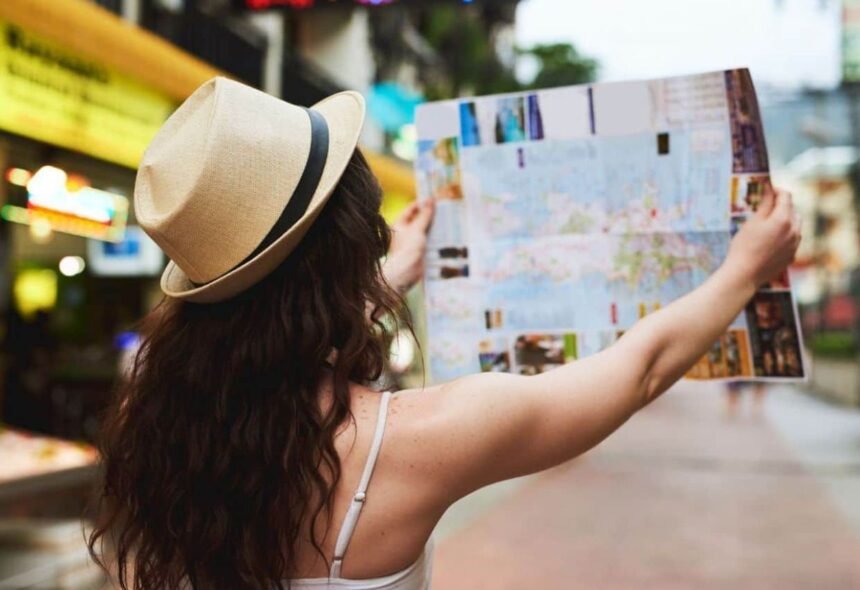
Introduction to Solo Travel
Solo travel has gained considerable traction in recent years, becoming a preferred choice for many individuals seeking independence and adventure. This unique form of travel allows individuals to explore new destinations at their own pace, create personalized itineraries, and engage in experiences that resonate with their personal interests. The rise of social media and the sharing economy has contributed significantly to the growing appeal of solo travel, with travelers now able to connect with like-minded adventurers and access resources that enhance their journey.
Embarking on a solo adventure provides a profound sense of freedom. Travelers can decide when to wake up, what to see, and where to dine without having to accommodate anyone else’s preferences. This autonomy allows for a deeper connection with the environment and culture, as unplanned moments often lead to serendipitous experiences. Whether it’s striking up a conversation with a local, stumbling upon a hidden gem, or enjoying an unexpected event, solo travel encourages individuals to engage more authentically with their surroundings.
However, while the allure of exploration and self-discovery can be enticing, it is essential to acknowledge the importance of safety precautions. Traveling alone requires a heightened sense of awareness and the ability to assess risks effectively. Preparing for potential challenges, understanding local customs, and staying informed about the safety of various areas are crucial steps for any solo traveler. Balancing the spirit of adventure with practical safety measures can enable travelers to enjoy their journey while minimizing potential pitfalls. With thoughtful preparation and an adventurous mindset, solo travel can indeed be a rewarding and transformative experience.
Planning Your Destination
Choosing a safe travel destination is paramount for solo travelers, as it greatly influences their overall experience. When planning your adventure, it is essential to first examine the latest travel advisories from your government. Many countries provide updated information regarding safety concerns, political stability, and other critical factors that can impact your journey. Notably, staying informed about potential health risks or natural disasters can help ensure a safer experience abroad.
Additionally, understanding the local culture and customs of your chosen destination plays a vital role in ensuring safety while traveling solo. Engaging with the local way of life not only enhances your experience but also helps you to blend in with the community. This can significantly reduce the likelihood of drawing unwanted attention. Researching social norms, dress codes, and etiquette can facilitate a smoother interaction with locals.
Language is another important consideration in selecting a travel destination. Destinations where you can speak the local language or where English is widely understood tend to offer a sense of security, as effective communication reduces the risk of misunderstandings. If language barriers exist, consider destinations with established tourist infrastructure that can provide assistance to foreign travelers.
Moreover, reviewing safety statistics for solo travelers within certain regions can provide valuable insight into the risks associated with various destinations. Statistics related to crime rates, incidences of harassment, and transportation safety can help guide your decision. It is advisable to read travel blogs, forums, and articles where other solo travelers share their experiences and safety tips. Ultimately, thorough research and careful planning can greatly enhance your travel experience while ensuring safety on your journey.
Packing Essentials for Solo Travelers
When embarking on a solo travel adventure, careful packing is essential to ensure both convenience and safety. One of the primary considerations is to pack light, as minimalism can significantly ease navigation through airports, train stations, and unfamiliar cities. The following items are crucial for safeguarding your personal well-being while traveling alone.
Firstly, incorporating safety gear into your packing list is paramount. Travel locks are highly recommended; they help secure your luggage and can add an extra layer of protection to your accommodation. Opt for a combination lock as it eliminates the need for keys, which you could easily misplace. Additionally, utilizing a personal safety alarm can provide peace of mind, as it allows you to alert others in case of an emergency simply by pulling a pin.
Don’t forget important documents. Always carry a photocopy of your passport, travel insurance policy, and any other crucial identification. In the event of loss or theft, having these copies can expedite the replacement process. It’s advisable to store these copies in a separate location from the originals, perhaps in a money belt or hidden pouch.
Moreover, packing a first-aid kit is a wise choice for any solo traveler. Include basic supplies such as band-aids, antiseptic wipes, and any necessary medications tailored to personal health needs. This small investment can offer significant comfort during unforeseen illnesses or injuries.
Lastly, consider packing a portable charger to keep your devices powered while you navigate new environments. Staying connected is important, especially when seeking assistance or maintaining communication with family and friends.
By carefully selecting and packing these essential items, solo travelers can focus on enjoying their adventures while ensuring their safety remains a top priority.
Staying Safe During Travel
When embarking on a solo travel adventure, prioritizing safety is essential. Keeping personal belongings secure should be one of your main concerns; using anti-theft bags and locks can add an extra layer of security. Ensure that valuables such as passports, money, and electronics are stored in a safe and inaccessible location when not in use. Additionally, consider carrying a travel wallet that can be worn underneath your clothing, providing immediate access while minimizing the risk of theft.
Avoiding risky situations is another key aspect of staying safe on the road. Before venturing out, familiarize yourself with the area, including potential unsafe neighborhoods, and ensure you travel only during daylight or well-lit areas at night. Trusting your instincts is crucial; if something feels off, it is advisable to remove yourself from the situation promptly. Furthermore, using reputable transportation services, such as ride-sharing apps or authorized taxis, can help avoid unsafe encounters.
Remaining aware of your surroundings is vital when traveling alone. This entails being cautious of who is nearby, especially in crowded places where pickpockets may be prevalent. Utilizing common electronic devices, such as mobile phones, should be done judiciously to avoid drawing unnecessary attention. Engaging with locals can provide valuable insights into safe areas and best practices for navigating their environment.
Equally important is the practice of sharing your itinerary with trusted friends or family members. Informing someone about your planned route, accommodations, and any significant activities can enhance your safety. Regular check-ins through messages or calls can further ensure that someone is aware of your well-being while exploring new destinations.
Using Technology for Safety
In an increasingly interconnected world, technology plays a vital role in enhancing the safety of solo travelers. Various applications and gadgets are available that can significantly reduce risks and provide peace of mind during your adventures. One of the most useful types of apps is navigation software. Apps such as Google Maps or Waze not only help in finding directions but can also provide real-time updates on traffic conditions, which is crucial for navigating unfamiliar areas efficiently and safely.
In addition to navigation, emergency contact tools can be invaluable. Applications like Life360 allow users to share their real-time location with trusted contacts, ensuring that someone is aware of your whereabouts at all times. This feature can be particularly reassuring for solo travelers who may find themselves in remote locations. Furthermore, certain apps have built-in alert systems that enable users to quickly notify emergency services or contacts in case of danger.
Language translation services are another modern convenience that can enhance safety while traveling alone. Apps such as Google Translate can facilitate communication in foreign countries, helping you to understand signs, menus, or ask for directions. This capability not only aids in navigation but also enhances engagement with locals, who may be able to offer additional safety tips or assistance. Other gadgets like portable Wi-Fi hotspots can also ensure you stay connected, which is vital for accessing safety apps and staying in touch with family or friends during your trip.
Ultimately, integrating technology into your travel plans can greatly enhance your safety as a solo traveler. Utilizing navigation apps, emergency contact tools, and language translation services help ensure that your journey remains as enjoyable as it is secure. Proper preparation and the right tools can make all the difference in having a successful solo adventure.
Understanding Local Customs and Laws
When embarking on a solo adventure, becoming acquainted with local customs and laws is paramount for ensuring a safe and enjoyable experience. Each country possesses its own unique set of traditions and legal expectations, which can significantly impact a traveler’s journey. Understanding these nuances not only helps in aligning with the societal norms but also minimizes the risk of unintentional offenses.
For instance, some cultures may have specific dress codes or behavioral expectations, particularly in sacred or public places. Being respectful of local customs, such as greeting residents appropriately or adhering to dining etiquette, can foster goodwill and enhance interactions with locals. Moreover, awareness of local laws is essential; actions considered casual or harmless in one country, such as public displays of affection, might lead to legal repercussions elsewhere. Before traveling, it is advisable to research basic legal restrictions, such as alcohol consumption age, drug laws, and traffic regulations.
Compliance with local regulations not only supports safe travel but also enriches your overall adventure. Participating in local customs can promote cultural exchange, providing deeper insights into the country and its heritage. For example, engaging respectfully in traditional events or festivals enables solo travelers to connect with the local community, fostering an environment of mutual respect and understanding. Furthermore, gaining knowledge about emergency contacts, health care facilities, and local safety norms can be instrumental in ensuring a secure journey.
In conclusion, a thorough understanding of local customs and laws enhances the experience of solo travel significantly. It empowers individuals to navigate their surroundings confidently while respecting the culture they are exploring, thereby turning a simple trip into a memorable adventure filled with meaningful interactions and insights.
Health and Wellness Considerations
When embarking on a solo travel adventure, prioritizing health and wellness is essential to ensure a positive experience. Travel insurance is arguably one of the first precautions that should be taken. It protects travelers against unforeseen situations, such as medical emergencies, trip cancellations, or lost belongings. Comprehensive travel insurance can significantly reduce potential expenses and provide peace of mind while exploring new destinations.
Accessing healthcare abroad can vary significantly between countries. It is prudent to research local healthcare facilities in advance, noting their distances from your accommodation and the reputations of nearby hospitals or clinics. In many cases, travelers should also carry necessary medical documentation, including prescriptions or vaccination records, which can facilitate easier access to medical care if needed.
Maintaining mental well-being is equally paramount during solo travels. While the experience can be exhilarating, it can also lead to feelings of loneliness or anxiety. Connecting with fellow travelers or locals through online platforms can provide needed companionship, while engaging in mindfulness practices, such as meditation or journaling, can help manage stress. Actively scheduling downtime to relax or explore at a leisurely pace is also beneficial for mental health.
Finding safe food options is another crucial health consideration. Familiarizing oneself with the local cuisine while adhering to safe eating practices can enhance the travel experience. Look for reputable establishments, preferably those with high turnover rates, as freshness often correlates with customer traffic. Additionally, learning key phrases in the local language can aid in asking about ingredients and preparation methods.
With these health and wellness strategies in place, solo travelers can embark on their journeys confidently, ready to enjoy enriching experiences while safeguarding their well-being.
Building a Support Network
Embarking on a solo travel adventure can be both exhilarating and daunting. One of the most effective strategies for enhancing safety and enriching the experience is to build a support network. Connecting with locals and other travelers can significantly enhance one’s travel journey.
Online travel forums serve as an excellent platform for solo travelers to connect. Platforms such as Lonely Planet’s Thorn Tree and Reddit’s travel threads allow individuals to seek advice, share experiences, and even find companions for planned excursions. Engaging in these forums can provide not only invaluable tips regarding destinations but also the opportunity to make new friends who share similar interests and travel goals.
Moreover, social media has profoundly transformed the way travelers find companionship. Groups on Facebook or Instagram not only foster community but also facilitate connections with individuals who are in the same travel location. Using hashtags related to solo travel, such as #solotravel or #travelbuddy, also helps in locating fellow adventurers eager to share experiences. This approach enhances security, as it is often comforting to explore a new place with someone who shares a common background and understanding.
In addition, local meetups present another enjoyable avenue for meeting people. Websites like Meetup.com offer numerous activities tailored to travelers, allowing solo explorers to join in group outings, whether it be for hiking, dining, or cultural explorations. Participating in such events fosters friendships and enhances the depth of cultural immersion while also ensuring safety within a group context.
It’s clear that building a support network while solo traveling is vital for ensuring safety and enhancing enjoyment. As travelers connect with others, they not only safeguard against potential risks but also enrich their journey through shared stories and experiences.
Conclusion: Embrace the Journey
As you consider embarking on a solo travel adventure, it is essential to keep in mind the myriad opportunities for personal growth and enriching experiences that await you. Solo travel allows for unparalleled self-discovery, enabling you to explore new cultures, forge connections with people from various backgrounds, and create memories that will last a lifetime. Despite the excitement that comes with such adventures, safety should remain a top priority throughout your journey.
Planning meticulously beforehand can mitigate many potential risks associated with solo travel. Researching your destination thoroughly, understanding local customs, and familiarizing yourself with emergency contacts should be integral to your preparation. Additionally, adopting a mindset of vigilance while navigating unfamiliar environments can significantly enhance your overall safety. This approach can empower travelers to fully enjoy the experience without compromising their well-being.
Moreover, remain open to new experiences and opportunities that solo travel presents. Engaging with locals, partaking in local traditions, or even venturing out of your comfort zone can lead to unexpected moments of joy and discovery. Each journey is unique and filled with lessons that can only be learned through firsthand experience.
In conclusion, embracing the journey of solo travel means balancing adventure with caution. By prioritizing safety while remaining open to exploring the world independently, you can fully immerse yourself in the moments that define your travels. So pack your bags, set your itinerary, and prepare to embark on a life-changing adventure, knowing that through careful planning and an appreciation for your surroundings, you can create extraordinary experiences that will enrich your life.