


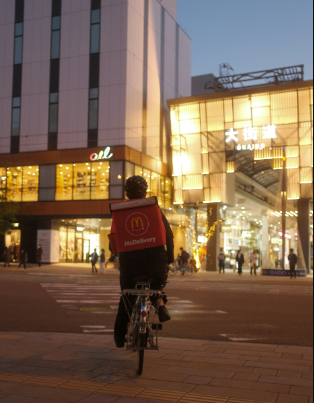
Introduction to Urban Food Delivery
The urban food delivery sector has experienced remarkable growth in recent years, driven by a multitude of factors that reflect the changing demands and preferences of consumers. As city life becomes increasingly fast-paced, a growing number of individuals are seeking convenient dining options that align with their hectic schedules. This shift in consumer behavior emphasizes the importance of quick and accessible food solutions, paving the way for a burgeoning market in food delivery services.
One of the most significant contributors to the rise of urban food delivery is the increased focus on health-conscious eating. Consumers are becoming more aware of the impact of their dietary choices on their overall well-being. Consequently, there has been a heightened demand for nutritious meal options that cater to various dietary restrictions and preferences, such as vegan, gluten-free, and organic foods. Urban food delivery services that prioritize healthy ingredients and menu variety are well-positioned to attract a loyal customer base willing to invest in their health.
Additionally, advancements in technology and the proliferation of mobile devices have facilitated a seamless ordering experience for consumers. The emergence of user-friendly applications that allow users to browse menus, place orders, and make payments with ease has rendered food delivery not only accessible but also appealing to urban dwellers. This trend has particularly resonated with millennials and Generation Z, who prioritize convenience and efficiency in their dining choices.
Understanding the target market is essential for any healthy food delivery business. Urban populations typically consist of busy professionals, families, and health-conscious individuals looking for nutritious meals without the time commitment of traditional cooking. By tailoring services to meet the specific needs and preferences of this demographic, entrepreneurs can create a valuable niche within the growing food delivery landscape.
Understanding the Target Audience
Urban communities are increasingly seeking healthy food delivery options, driven by various demographics and preferences that shape their dietary choices. This section provides insight into the specific needs and characteristics of urban dwellers who prioritize nutritious eating through delivery services.
Age is one of the significant factors influencing the demand for healthy food delivery. Younger populations, particularly millennials and Gen Z, tend to be more health-conscious, often turning to services that offer organic, vegan, or gluten-free meal options. They value convenience and are more inclined to order food through mobile apps, often researching the nutritional information and sourcing of their meals before making a purchase.
Income levels also play a vital role in determining the target audience for healthy food delivery. Higher-income individuals are generally more willing to invest in organic and sustainable food products. They seek quality over quantity and are often motivated by health benefits, believing that investing in their diet will lead to long-term well-being. Conversely, lower-income demographics might be more focused on affordability, seeking healthy meal options that fit within their budget while still offering nutritional value.
Dietary preferences further shape the audience’s interest in healthy food delivery. A growing number of consumers today are embracing plant-based diets, reflecting an increased awareness of health and environmental implications of food choices. Therefore, offering vegan, vegetarian, or keto-friendly meal plans can significantly enhance appeal within urban markets. Moreover, sustainability has emerged as a crucial element in food selection; urban dwellers are more likely to support businesses that prioritize eco-friendly practices such as responsible sourcing, minimal packaging, and local ingredient usage.
Identifying Niche Markets
In the burgeoning healthy food delivery industry, identifying niche markets can be a key factor in ensuring business success, particularly in urban settings where dietary preferences and needs vary significantly. One significant niche within this sector includes vegan and plant-based offerings. The increasing awareness of plant-based diets, driven by health benefits and ethical considerations, opens up opportunities for businesses to cater specifically to this demographic. A well-curated selection of vegan meals that highlight local and seasonal ingredients could attract a loyal customer base.
Another important niche is gluten-free meals, reflecting the growing prevalence of gluten sensitivities and celiac disease among the population. Consumers with these dietary restrictions often struggle to find convenient and appealing meal options. By providing specialized gluten-free meals, businesses can not only meet this demand but also demonstrate a commitment to inclusivity in food choices.
Organic produce is yet another market segment that has witnessed significant growth. As more consumers embrace a health-conscious lifestyle, they are increasingly willing to invest in high-quality, organic ingredients delivered directly to their homes. This trend can be leveraged by offering boxes of organic fruits and vegetables, coupled with recipes to promote cooking from scratch.
Additionally, meal prep kits have become extremely popular, particularly among busy urban professionals seeking healthy yet convenient dining solutions. By offering tailored meal prep kits that include easy-to-follow instructions and fresh ingredients, businesses can cater to those who prioritize health but may lack the time to prepare meals from scratch.
Finally, specialized diets such as keto or paleo have carved out their own niches in the market. Catering to customers adhering to these diet plans not only helps in creating a focused business model but also fosters a community around shared dietary goals. By clearly defining the target audience and their specific needs, healthy food delivery services can effectively stand out in a competitive marketplace.
Developing a Unique Selling Proposition (USP)
In the competitive landscape of the healthy food delivery sector, establishing a unique selling proposition (USP) is critical for businesses seeking to stand out. A well-defined USP not only highlights what makes a business different but also appeals to the values and preferences of potential customers. To effectively develop a strong USP, several key elements can be considered.
Firstly, focusing on locally sourced ingredients can significantly enhance a brand’s appeal. Many urban consumers are increasingly conscious of where their food comes from and prefer to support local farms. By forming partnerships with nearby producers, a healthy food delivery business can offer fresh and seasonal menus while minimizing carbon footprints associated with long-distance food transportation.
Additionally, creating customizable meal plans allows customers to tailor their orders to their dietary preferences and needs. Offering vegan, gluten-free, and allergen-friendly options can help cater to diverse lifestyles and enhance customer satisfaction. This personal approach not only builds loyalty but also fosters a community around the brand.
Another important aspect is eco-friendly packaging. As sustainability becomes a priority for consumers, using biodegradable or reusable packaging can set a business apart from competitors. This choice resonates with environmentally conscious individuals and sends a message of responsibility that further enhances brand image.
Establishing partnerships with local farms and producers is yet another powerful USP. By integrating local food systems, businesses can not only ensure freshness but also support the local economy. This collaboration can foster a sense of community, encouraging customers to choose a service that aligns with their values.
In conclusion, developing a robust USP is essential for any healthy food delivery business aiming to edge out competitors. By emphasizing locally sourced ingredients, customizable options, eco-friendly practices, and community partnerships, businesses can effectively differentiate themselves in the market.
Logistics and Delivery Strategies
Operating a food delivery service in urban environments presents unique logistical challenges that necessitate careful planning and execution. One of the primary concerns is the efficient management of delivery routes, especially in densely populated cities where traffic congestion and parking restrictions are prevalent. Utilizing advanced route optimization software can significantly enhance delivery efficiency, allowing drivers to navigate the most effective paths and reduce delivery times.
Time management is critical in the food delivery business. Ensuring that meals arrive promptly is essential for customer satisfaction. To maintain high standards, businesses can implement a sophisticated inventory management system that monitors stock levels in real time, facilitating prompt order fulfillment and minimizing delays. Additionally, a demand forecasting mechanism can help anticipate busy periods, allowing for better staffing and resource allocation.
Exploring delivery partnerships is another strategic approach for enhancing logistics. Collaborating with local businesses, such as gyms and health food stores, can expand outreach while sharing logistics. These partnerships can create a network of reliable delivery points, enhancing convenience for customers and improving overall service efficiency.
Innovative delivery methods are gaining traction in urban areas. For instance, bicycle delivery services are becoming increasingly popular as they navigate congested streets more effectively than motor vehicles. Not only do they reduce carbon emissions, aligning with healthy food delivery’s sustainable ethos, but they also enable swift deliveries, particularly during peak hours. Moreover, drone technology has emerged as a potential future solution, promising rapid deliveries while mitigating the complexities surrounding urban traffic and parking issues.
In conclusion, developing effective logistics and delivery strategies is paramount for successful operation in urban food delivery businesses. By focusing on technology, partnerships, and innovative delivery methods, companies can overcome the challenges unique to urban settings and provide high-quality service that meets customer expectations.
Technology Integration
The integration of technology in the healthy food delivery sector has significantly transformed how businesses operate and connect with their customers. With the proliferation of smartphones and high-speed internet, ordering healthy meals has become more convenient than ever. Mobile applications serve as user-friendly platforms where consumers can browse menus, customize their orders, and track deliveries in real-time. These apps not only enhance customer convenience but also foster loyalty through various engagement tools, such as rewards programs and promotions aimed at encouraging repeat business.
Furthermore, advanced inventory management systems are essential for the efficient operation of healthy food delivery services. These systems enable businesses to monitor stock levels in real-time, thus minimizing food waste and ensuring that fresh ingredients are always available. By automating inventory processes, companies can streamline their operations while reducing errors that might arise from manual tracking. The use of cloud-based solutions for inventory management allows easy access and updates from multiple locations, essential for businesses operating in urban areas with fast-paced dynamics.
Data analytics plays a crucial role in understanding customer preferences and tailoring services accordingly. By analyzing purchasing patterns and feedback, businesses can gain insights into the types of healthy foods that are most popular within their target demographics. This information can drive menu innovation and marketing strategies, ensuring that offerings remain relevant and appealing. Additionally, online marketing strategies utilizing social media and SEO can help establish a strong online presence, attracting health-conscious consumers who are increasingly seeking convenient and nutritious meal options.
Marketing and Building a Brand
Establishing a healthy food delivery business necessitates effective marketing strategies that resonate with urban communities. Social media marketing is one of the most powerful tools available, allowing businesses to connect with potential customers on platforms such as Instagram, Facebook, and Twitter. Creating visually appealing content that showcases healthy meal options can attract attention and encourage shares. Utilizing compelling hashtags related to health and wellness can help broaden the reach of your posts to prospective clients.
In addition to social media, engaging in partnerships with local influencers is a strategic way to gain traction in your target market. Collaborating with health-conscious personalities or food bloggers in your community can provide credibility and reach a more expansive audience. These influencers can share their experiences with your healthy food delivery service, potentially leading to increased interest and a boost in sales. When selecting collaborators, it is essential to choose individuals whose values align with your brand for a more authentic partnership.
Community engagement plays a pivotal role in establishing a healthy food delivery brand as well. Hosting local events, such as tasting sessions or nutrition workshops, can create opportunities for direct interaction with potential customers. These engagements not only promote the brand but also demonstrate a commitment to health and wellness in the community. Furthermore, organizing collaborative promotions with other local businesses can enhance visibility. Offering discounts for first-time customers, loyalty rewards, or referral bonuses can incentivize customers to choose your service over competitors.
Ultimately, building a brand in the healthy food delivery sector involves the integration of various marketing strategies. Consistency in messaging, engagement with the audience, and a strong online presence are key components that will contribute to enduring success.
Sustainability Practices in Healthy Food Delivery
Integrating sustainability into a healthy food delivery business is not only beneficial for the environment but also enhances brand reputation and customer loyalty. One of the primary practices is the use of biodegradable packaging. By opting for materials that break down naturally, businesses can significantly reduce their plastic footprint, catering to the increasing consumer demand for eco-friendly solutions. This move not only minimizes waste but also aligns with the values of urban communities that prioritize sustainability.
Another critical aspect of sustainable practice in the food delivery sector is reducing food waste. This can be achieved through meticulous inventory management and effective forecasting techniques, ensuring that the right amount of food is prepared and delivered to customers. Additionally, businesses can collaborate with local food banks or composting facilities to donate surplus food or compost organic waste, thereby supporting the community while promoting a sustainable image.
Sourcing ingredients from local and organic suppliers is another effective way to enhance sustainability. By reducing the distance food travels from farm to table, businesses not only lower their carbon footprint but also contribute to the local economy. Furthermore, organic farming practices often lead to improved soil health and biodiversity, making it a responsible choice for environmentally conscious entrepreneurs.
Finally, offering carbon-neutral delivery options can set a business apart in the competitive urban market. This includes using electric vehicles or bicycles for delivery, implementing route optimization software to reduce mileage, and encouraging customers to participate in a carbon offset program. These strategies not only appeal to eco-conscious consumers but also make a significant environmental impact.
Conclusion and Future Trends
In recent years, the healthy food delivery industry has witnessed significant growth, illustrating a shift in consumer preferences towards nutritious meal options. The blog post has explored various innovative business ideas tailored to urban environments, emphasizing the importance of accessibility and convenience. As urban populations continue to expand, the demand for healthy food delivery services is anticipated to rise, making it an opportune time for entrepreneurs to enter this market.
Key strategies for thriving in this sector include focusing on personalization, where businesses can tailor meal plans to individual dietary needs and preferences. This customization enhances customer satisfaction and loyalty. Subscription services also represent a growing trend in the healthy food delivery business. By offering weekly or monthly meal plans, companies can create a steady revenue stream while providing consumers with the convenience of having healthy meals readily available.
Additionally, the integration of technology is transforming the food delivery landscape. Mobile applications and online platforms simplify the ordering process, allowing consumers to browse menus and place orders with ease. Utilizing data analytics, businesses can gain insights into consumer behavior, enabling them to refine their offerings for better alignment with market demands.
Looking ahead, it is likely that the emphasis on sustainability will shape the future of healthy food delivery. Consumers are increasingly aware of environmental impacts, prompting businesses to adopt eco-friendly practices, such as using biodegradable packaging and sourcing ingredients locally. As the healthy food delivery industry evolves, it is essential for entrepreneurs to stay abreast of these trends and adapt their strategies accordingly to ensure long-term success.