


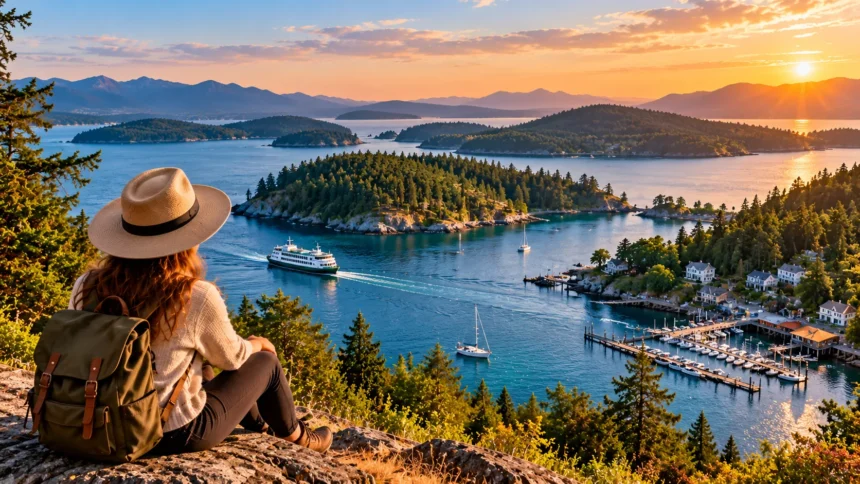
The San Juan Islands are among the most beautiful travel destinations in Washington State, offering stunning coastal scenery, charming waterfront towns, and unforgettable wildlife experiences. Located in the Salish Sea between mainland Washington and Vancouver Island, these islands attract travelers who enjoy peaceful nature, outdoor adventures, and scenic ferry journeys. However, choosing the best time to visit the San Juan Islands can make a significant difference in your travel experience.
Weather conditions, seasonal attractions, accommodation prices, and visitor crowds change throughout the year. Summer brings sunny days and excellent opportunities for outdoor activities, while spring and fall offer quieter surroundings and beautiful natural scenery. Understanding the different seasons helps travelers plan a comfortable trip that matches their interests, budget, and preferred activities.
When Is the Best Time to Visit the San Juan Islands?
The best time to visit the San Juan Islands is generally between June and September, when the weather is relatively warm, daylight hours are longer, and outdoor attractions are easily accessible. These months offer excellent opportunities for hiking, kayaking, sightseeing, and exploring coastal communities. July and August are particularly popular because they usually provide the driest and warmest conditions.
Travelers who prefer fewer crowds may find May, June, or September especially appealing. These months often provide comfortable temperatures without the busiest summer atmosphere. Accommodation availability can also be better outside major holiday periods, making it easier to enjoy peaceful beaches, scenic viewpoints, and charming island villages without feeling rushed.
The ideal visiting month ultimately depends on personal travel preferences and planned activities. Wildlife enthusiasts may consider seasonal animal movements, while outdoor adventurers often prefer warmer and drier conditions. Visitors seeking relaxation can enjoy the islands during quieter months, although some businesses operate with reduced hours outside the main tourism season.
San Juan Islands Weather Throughout the Year
The San Juan Islands experience a mild maritime climate influenced by the surrounding waters of the Salish Sea. Compared with many other areas of western Washington, parts of the islands receive relatively little rainfall because of the Olympic Mountains’ rain-shadow effect. Nevertheless, changing coastal weather conditions can bring cool winds, cloudy skies, and occasional rain.
Summer temperatures commonly range from the mid-60s to low 70s Fahrenheit during the day, although warmer periods occasionally occur. Winter temperatures are considerably cooler, often reaching daytime highs in the 40s Fahrenheit. The surrounding ocean moderates extreme temperature changes, but wind and moisture can make conditions feel colder than expected.
Rainfall is generally more frequent from late autumn through early spring, while July and August are typically the driest months. Weather conditions can vary between islands and even different coastal locations. Visitors should check local forecasts before traveling and prepare for sudden changes, particularly when planning boating excursions, hikes, or extended outdoor activities.
Visiting the San Juan Islands in Spring: March to May
Spring is a wonderful season to experience the San Juan Islands as landscapes become greener and wildflowers begin appearing. Temperatures gradually increase throughout March, April, and May, creating pleasant conditions for walking and sightseeing. Although occasional rain showers remain common, the islands feel peaceful compared with the busy summer travel season.
During spring, visitors can explore scenic destinations such as Lime Kiln Point State Park, Moran State Park, and charming Friday Harbor. Wildflowers brighten coastal meadows, while migrating birds add interest for wildlife enthusiasts. Hiking trails become increasingly inviting as daylight hours extend, although some pathways may remain muddy after rainfall.
Spring can also be a good choice for travelers seeking a quieter and more flexible island getaway. Restaurants, accommodations, and recreational businesses gradually expand their operations as summer approaches. However, some seasonal services may remain limited, so checking opening hours and ferry schedules before departure helps prevent unnecessary travel complications.
Visiting the San Juan Islands in Summer: June to August
Summer is the most popular season for visiting the San Juan Islands because of its generally sunny weather and long daylight hours. June marks the beginning of the main travel season, while July and August usually provide the warmest conditions. These months are particularly suitable for exploring beaches, coastal trails, scenic parks, and picturesque waterfront communities.
Outdoor recreation becomes a major attraction during summer, with kayaking, cycling, hiking, and guided wildlife tours attracting numerous visitors. Friday Harbor offers lively shops and waterfront restaurants, while Orcas Island provides forested trails and panoramic viewpoints. Lopez Island is particularly appealing to travelers seeking peaceful countryside scenery and relaxed cycling experiences.
The main disadvantage of summer travel is increased demand for accommodations, transportation, and popular activities. Ferry vehicle reservations can fill quickly, especially during weekends and holidays. Booking accommodation early, allowing extra travel time, and maintaining a flexible itinerary can make a summer trip significantly more enjoyable and less stressful.
Visiting the San Juan Islands in Fall: September to November
Fall is an excellent time to visit the San Juan Islands for travelers who appreciate cooler temperatures and quieter surroundings. September often retains relatively pleasant weather, making it one of the most attractive months for sightseeing. As October and November approach, temperatures gradually decline, rainfall becomes more frequent, and the islands develop a peaceful autumn atmosphere.
September is particularly appealing for outdoor activities because many summer attractions remain available while visitor numbers begin decreasing. Travelers can explore scenic hiking trails, visit local farms, and photograph beautiful coastal landscapes. Autumn colors appear in wooded areas, creating interesting contrasts with evergreen forests and the deep blue waters surrounding the islands.
Late autumn offers a slower travel experience, although visitors should prepare for shorter daylight hours and unpredictable coastal weather. Some restaurants, tours, and accommodation providers reduce their seasonal operations. Travelers who enjoy quiet retreats may appreciate this atmosphere, provided they plan transportation carefully and bring suitable clothing for changing conditions.
Visiting the San Juan Islands in Winter: December to February
Winter offers a completely different experience in the San Juan Islands, with peaceful waterfront towns and fewer tourists. Temperatures remain relatively mild compared with many inland destinations, although conditions can feel cold because of wind and moisture. Rainy weather, cloudy skies, and shorter daylight hours make winter better suited to relaxed sightseeing than extended outdoor adventures.
Visitors can enjoy quiet coastal walks, explore local galleries, and spend time in welcoming cafes and restaurants. Friday Harbor remains an attractive base because it offers services and accommodations throughout the year. The surrounding landscapes provide dramatic views during winter, particularly when clouds and changing light create beautiful scenes across the Salish Sea.
Winter travel requires greater flexibility because storms and challenging weather can affect ferry services and outdoor activities. Some businesses close temporarily or operate limited schedules during the quieter months. Checking transportation updates, choosing comfortable accommodation, and planning indoor alternatives can help travelers enjoy a peaceful winter escape despite occasional unfavorable conditions.
Best Time for Whale Watching in the San Juan Islands
Whale watching is one of the most memorable attractions in the San Juan Islands, drawing wildlife enthusiasts throughout the year. The surrounding Salish Sea supports several marine mammal species, including orcas, humpback whales, and minke whales. However, sightings depend on natural movement patterns, food availability, weather conditions, and the specific location being explored.
Late spring through early autumn is a popular period for commercial whale-watching excursions because weather conditions are often more comfortable. Orcas and other whales can also appear outside these months, making wildlife observation possible during different seasons. No particular month guarantees sightings, and the movements of resident and transient whale populations vary considerably.
Lime Kiln Point State Park on San Juan Island is a well-known location for observing marine wildlife from shore. Visitors may also encounter seals, porpoises, seabirds, and other coastal animals. Choosing responsible wildlife experiences and respecting required viewing distances helps protect marine species while allowing travelers to appreciate their natural environment.
Best Time for Hiking, Kayaking, and Outdoor Activities
The best time for hiking in the San Juan Islands is generally from late spring through early fall. During these months, longer daylight hours and relatively comfortable temperatures make exploring natural landscapes easier. Popular destinations include Moran State Park on Orcas Island, Mount Constitution, and scenic coastal trails throughout San Juan Island.
Kayaking is especially popular during summer when weather conditions are often more favorable and recreational businesses operate regular schedules. The surrounding waters provide beautiful views of forested islands, rocky shorelines, and marine wildlife. However, strong currents, cold water, and changing winds create hazards, making professionally guided experiences a sensible option for inexperienced visitors.
Cycling, birdwatching, and photography are also enjoyable activities across the islands. Lopez Island attracts cyclists with its rural scenery, while San Juan Island features historical landmarks and coastal viewpoints. Regardless of the season, travelers should consider daylight availability, weather forecasts, and personal experience when selecting suitable outdoor activities.
Best Time to Visit San Juan Island, Orcas Island, and Lopez Island
San Juan Island is an excellent destination throughout the warmer months, especially between May and September. Friday Harbor serves as its main transportation and tourism center, offering restaurants, shops, museums, and waterfront attractions. Visitors can explore Lime Kiln Point State Park, American Camp, English Camp, and scenic coastal roads surrounded by beautiful landscapes.
Orcas Island is particularly appealing during late spring and summer when its forest trails and natural attractions are easier to explore. Moran State Park provides hiking opportunities, beautiful lakes, and scenic viewpoints from Mount Constitution. Eastsound, the island’s main village, offers welcoming cafes, galleries, and small businesses that create an enjoyable atmosphere.
Lopez Island is ideal for travelers interested in peaceful countryside scenery, cycling, and a slower island lifestyle. Summer provides pleasant conditions for exploring rural roads and quiet beaches, while September offers a less crowded experience. Each island has its own character, so visitors should choose destinations according to their preferred activities and available travel time.
Best Time to Visit the San Juan Islands on a Budget
Traveling to the San Juan Islands during the shoulder seasons can help visitors manage accommodation expenses more effectively. May, early June, September, and October may offer better lodging availability than peak summer weekends. However, prices vary considerably according to property type, local events, and individual booking conditions.
Winter may provide additional opportunities to find lower accommodation rates, especially in properties that remain open throughout the year. Travelers should remember that some restaurants, tours, and seasonal services operate limited schedules during this period. Comparing total transportation, accommodation, and activity expenses gives a more realistic picture of overall travel costs.
Budget-conscious visitors can also consider weekday travel instead of popular weekends and public holidays. Staying on one island rather than frequently changing accommodations may simplify transportation planning and reduce unnecessary expenses. Reserving ferry vehicle space early and selecting flexible activities can help create an enjoyable island vacation without excessive spending.
Essential Travel Tips for Planning a San Juan Islands Trip
Ferry transportation is one of the most important considerations when planning a San Juan Islands vacation. Washington State Ferries operates routes connecting Anacortes with major islands, including San Juan, Orcas, Lopez, and Shaw. Vehicle reservations are strongly recommended on eligible routes, particularly during summer, while walk-on passengers generally do not require reservations.
Packing appropriately is essential because coastal weather can change quickly, even during warm summer months. Lightweight layers, a waterproof jacket, comfortable walking shoes, and sun protection are useful throughout much of the year. Travelers planning outdoor activities should also bring suitable clothing for wind exposure and cooler conditions near the water.
Accommodation reservations should reflect the planned season and preferred island destinations. Summer visitors benefit from arranging lodging and transportation well in advance, while shoulder-season travelers should confirm seasonal business hours. Leaving additional time between ferry connections, checking service alerts, and avoiding overly crowded itineraries can make the journey more comfortable.
Conclusion
The best time to visit the San Juan Islands depends on the weather conditions, activities, and travel atmosphere you prefer. June through September generally provides the most favorable opportunities for outdoor adventures, beautiful coastal scenery, and sightseeing. July and August offer warmer weather, while June and September can provide a comfortable balance between pleasant conditions and visitor crowds.
Spring is particularly appealing for wildflowers, peaceful trails, and refreshing natural landscapes. Fall offers quieter surroundings and attractive coastal scenery, while winter provides a relaxing retreat for travelers comfortable with cooler and wetter weather. Each season reveals a different side of the islands, making them an interesting destination throughout the year.
Planning ahead helps visitors make the most of their San Juan Islands travel experience. Consider ferry arrangements, accommodation availability, seasonal attractions, and local weather forecasts before choosing your dates. Whether exploring Friday Harbor, hiking on Orcas Island, or enjoying coastal scenery on Lopez Island, the islands offer memorable experiences across every season.
Frequently Asked Questions
What is the best month to visit the San Juan Islands?
July and August usually offer the warmest and driest weather, making them popular for outdoor activities. September is another excellent choice for travelers seeking pleasant conditions with generally fewer summer crowds.
When is whale watching season in the San Juan Islands?
Whales can be seen throughout the year, although late spring through early autumn is popular for organized tours. Sightings vary by species, location, and natural migration or feeding patterns.
Is September a good time to visit the San Juan Islands?
Yes, September is one of the best months for visiting the islands. The weather is often comfortable, summer crowds begin decreasing, and many outdoor attractions remain accessible.
How many days should you spend in the San Juan Islands?
Three to five days provides enough time to explore one or two major islands comfortably. A longer stay allows visitors to discover additional communities, hiking trails, wildlife attractions, and coastal viewpoints.
Can you visit the San Juan Islands in winter?
Yes, the San Juan Islands remain accessible during winter, although weather can affect transportation and outdoor activities. Visitors should expect cooler temperatures, occasional rain, shorter daylight hours, and reduced seasonal services.