


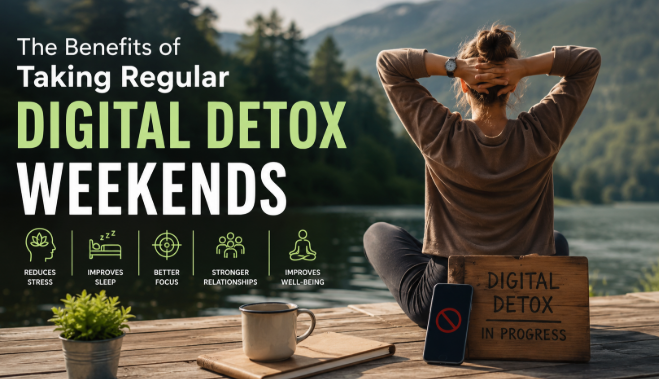
Introduction to Digital Detox
In the modern era characterized by ubiquitous connectivity, the concept of a digital detox has emerged as a necessary practice for many individuals. A digital detox refers to a deliberate and sustained break from digital devices, including smartphones, computers, and tablets, allowing individuals to reconnect with themselves and the physical world around them. This phenomenon is increasingly essential as we navigate a tech-driven landscape where constant notifications, social media interactions, and endless scrolling can lead to mental fatigue and stress.
The rising need for digital detox weekends stems from the pervasive nature of technology in our daily lives. With work and personal communication often blurring together due to online platforms, individuals find themselves perpetually plugged in, resulting in a decline in overall well-being. Consequently, the concept of stepping away from screens for an extended period is becoming not only appealing but also essential for maintaining mental health and achieving a sense of balance.
Digital detox weekends serve as an effective remedy to counteract the overwhelming forces of the digital world. By committing to spending regular weekends free from digital distractions, individuals can experience significant improvements in their focus, creativity, and interpersonal connections. These breaks allow time for reflection and foster deeper relationships with family and friends, as attention can then shift from screens to meaningful conversations and activities. Moreover, the practice encourages individuals to engage with their surroundings physically, thus enhancing their appreciation for the world beyond digital interfaces.
In conclusion, as we continue to navigate our increasingly connected lifestyles, the role of digital detox weekends becomes ever more pertinent. By understanding what a digital detox entails and recognizing its benefits, individuals can take proactive steps toward enhancing their overall quality of life.
Understanding the Impact of Technology on Well-being
The modern world is characterized by pervasive technology use, with digital devices playing a crucial role in daily life. While technology provides undeniable benefits, excessive engagement with screens can have profound psychological and physical effects on individuals. A growing body of research indicates that overuse of technology can lead to elevated stress levels, increased anxiety, and various health issues.
One significant psychological impact of excessive screen time is the rise in stress and anxiety. Continuous connectivity through devices can create an expectation of immediate responses, leaving individuals feeling overwhelmed by the demands of communication. This feeling of being constantly on-call contributes to a state of heightened alertness, which can reduce overall mental wellness. In addition, the pressure to present a curated version of oneself online may contribute to feelings of inadequacy, leading to low self-esteem and further exacerbating anxiety.
Moreover, the correlation between prolonged screen use and physical health issues cannot be overlooked. Many individuals find themselves engaging in sedentary behaviors, which has been linked to various health problems, such as obesity, cardiovascular issues, and musculoskeletal disorders like neck and back pain. Beyond the immediate physical effects, excessive screen time disrupts healthy sleep patterns, with blue light emitted by screens interfering with the body’s natural circadian rhythms. This disruption can lead to insufficient rest, leaving individuals fatigued and vulnerable to further health issues.
In summary, while technology serves as a vital tool in contemporary society, it is essential to recognize the detrimental effects that excessive screen time can impose on both psychological and physical well-being. A more balanced approach to technology use may help mitigate these negative impacts, leading to an overall healthier lifestyle.
Benefits of Taking a Break from Screens
Taking regular breaks from screens, particularly during dedicated digital detox weekends, can yield numerous advantages for both mental and physical health. Given the significant time many individuals spend on electronic devices, reducing screen time, even briefly, allows for psychological and physiological rejuvenation.
One notable benefit of unplugging from digital devices is the improvement of mental well-being. Studies indicate that excessive screen time is correlated with anxiety and depression. A survey conducted by the American Psychological Association revealed that nearly 60% of adults report feeling overwhelmed by technology, and taking short breaks can help mitigate these stressful feelings. By stepping away from screens, individuals may experience a decrease in stress levels, leading to enhanced emotional resilience.
Moreover, reducing screen exposure has been associated with increased productivity. In a world where distractions are abundant, digital detox weekends provide the perfect opportunity for individuals to focus on essential tasks without the interference of notifications and social media. Research published in the journal “Psychology of Popular Media” highlights that workers who take regular breaks from screens are often more productive, demonstrating heightened concentration and creativity. Engaging in non-digital activities allows individuals to recharge their cognitive resources and tackle tasks more efficiently upon returning to their regular routines.
Another significant benefit is the positive influence on sleep patterns. According to the National Sleep Foundation, excessive screen time before bed can disrupt circadian rhythms and lead to poorer sleep quality. By committing to screen-free weekends, individuals can establish healthier bedtime routines, ultimately leading to better overall sleep. This adjustment can improve focus and cognitive function during the day.
While screen time remains an integral part of modern life, taking short breaks offers essential restorative benefits. Enhanced mental health, increased productivity, and improved sleep patterns serve as compelling reasons to embrace digital detox weekends, fostering a balanced lifestyle in an increasingly connected world.
How Digital Detox Weekends Enhance Relationships
In an era dominated by screens and digital communication, the importance of nurturing personal relationships cannot be overstated. Digital detox weekends provide individuals with a respite from incessant notifications and the distractions posed by various digital devices. By opting for a weekend away from technology, individuals can channel their energies into face-to-face interactions, leading to a more profound connection with family and friends.
Moreover, engaging in activities without the interference of technology fosters an environment conducive to open and honest communication. When individuals disconnect from their devices, they become more present, attentive, and engaged in conversations. This attentiveness not only enhances the quality of discussions but also encourages deeper understanding and empathy among participants. It allows individuals to share their thoughts and feelings in a more authentic manner, thereby strengthening interpersonal bonds.
Additionally, spending time together during digital detox weekends can lead to shared experiences that create lasting memories. Whether it is participating in outdoor activities, cooking together, or simply enjoying a quiet evening without screens, these moments contribute to relationship building. Families and friends often find that the absence of devices facilitates deeper connections, as everyone focuses on one another rather than the distractions that devices often bring. This underscores the idea that more meaningful interactions can arise in a tech-free environment.
Ultimately, as people prioritize relationships during these weekends, they can rekindle friendships, improve family dynamics, and cultivate stronger connections overall. Such interactions can be transformative, paving the way for healthier and more fulfilling relationships in both personal and professional realms. Regularly implementing digital detox weekends can be a strategic approach to enriching the quality of one’s relationships.
Ways to Implement a Digital Detox Weekend
Implementing a successful digital detox weekend requires careful planning and a commitment to disconnecting from digital devices. Here are some practical tips to help you embark on this rejuvenating journey.
First, choose a weekend when you are less likely to encounter responsibilities that require digital communication. Notify family, friends, and colleagues in advance that you will be offline, alleviating any concerns about your absence. Establish clear boundaries on what qualifies as emergency contact to reduce the temptation to check your devices.
Next, create a structured schedule filled with alternative activities that promote relaxation and connection. Instead of scrolling through social media, consider engaging in hobbies such as reading, cooking, or practicing a new skill. These activities not only foster personal growth but also provide a refreshing break from screen time.
Spending time outdoors can significantly enhance your digital detox experience. Plan nature hikes, picnics in the park, or simple walks around your neighborhood to reconnect with the environment and clear your mind. Exposure to nature has been linked to reduced stress and improved mental well-being, making it an excellent alternative to screen-based leisure.
Social interactions are essential for a fulfilling digital detox weekend. Invite friends or family members to join you in this experience. Engaging in face-to-face conversations, playing board games, or hosting a potluck dinner encourages genuine connections while keeping everyone off their devices. Utilize this time to strengthen bonds and enjoy shared experiences.
Finally, consider journaling during your detox. Reflecting on your thoughts and feelings can foster self-awareness and clarity. This practice often reveals insights that may get lost in the noise of daily digital interactions, leading to a more fulfilled and balanced life.
Potential Challenges and How to Overcome Them
Embarking on a digital detox weekend presents numerous benefits for mental health, productivity, and personal well-being, yet individuals often encounter various challenges that can deter them from fully disconnecting. One significant obstacle is the fear of missing out (FOMO), which manifests as anxiety about not being up-to-date with social media trends, news, or ongoing conversations. This fear can create an internal struggle when opting to unplug, causing individuals to grapple with the temptation to check their devices.
Another common challenge involves work obligations, particularly in a fast-paced business environment where constant connectivity is often expected. Emails, messages, and urgent tasks may compel individuals to resist taking a break from technology. However, establishing firm boundaries is essential for successfully navigating these challenges. One effective strategy is to inform colleagues and clients in advance about your digital detox commitment, setting clear expectations regarding your availability during this time.
Moreover, scheduling your detox during a period of low work demand or choosing weekends that traditionally have fewer professional engagements can ease the transition. Setting specific time frames for your digital detox can also help mitigate these challenges. For instance, if a complete disconnection feels daunting, start with limiting device usage for specific hours rather than an entire weekend.
Another useful approach is to prep some offline activities to engage in during your detox. Reading a book, taking nature walks, or pursuing hobbies such as painting or cooking can enrich the experience and provide satisfying alternatives to screen time. By recognizing these potential challenges and implementing proactive strategies, one can enjoy the myriad benefits of a digital detox weekend without compromising personal or professional responsibilities.
Planning for a Sustainable Digital Detox
In today’s hyper-connected world, the need for a regular digital detox has become increasingly essential. To successfully integrate digital detox weekends into your lifestyle, effective planning is paramount. This begins with identifying your motivations for a detox, whether it be to reduce stress, improve focus, or reconnect with yourself and others.
The first step towards a sustainable digital detox is to choose specific weekends that work well for you. It is advisable to select weekends when you have minimal responsibilities or commitments. This will allow you to transition smoothly into a digital-free environment. It’s also beneficial to inform friends and family about your plan, enhancing their understanding and support during your detox.
Creating an itinerary can significantly enhance your detox experience. Outline activities that align with your goals for the weekend. Engaging in nature walks, reading books, trying out a new hobby, or even volunteering can not only replace screen time but also enrich your life. Ensure to include time for relaxation and reflection, which can facilitate a more profound reconnection with yourself.
Furthermore, to minimize the temptation of digital devices, consider setting boundaries on your tech use prior to the detox weekend. Gradually reducing screen time in the days leading up helps acclimate your mind and body to the absence of technology. Also, designating a specific area in your home as a digital-free zone can enhance your detox efforts.
In conclusion, the planning phase of your digital detox weekend should focus on setting achievable goals, scheduling wisely, and incorporating meaningful activities. Through careful planning, you can pave the way for a rejuvenating and successful digital detox, ultimately leading to a more balanced relationship with technology in the long run.
Personal Stories and Testimonials
In recent years, an increasing number of individuals have discovered the advantages of engaging in digital detox weekends. Many of these individuals have shared transformative experiences that demonstrate the profound positive impacts such breaks can have on mental health, relationships, and overall well-being.
For instance, Sarah, a graphic designer from California, recounts her first digital detox weekend. Initially apprehensive about the idea of disconnecting, she ultimately decided to switch off all devices for 48 hours. “I felt a remarkable sense of freedom. Without constantly checking my phone or emails, I was able to read books I had put off for months and enjoy leisurely walks outdoors,” she stated. Sarah noted that the clarity and creativity she experienced during that weekend helped her immensely in her work.
Another participant, David, a college student, expressed similar sentiments. After committing to regular digital detox weekends for several months, he observed significant changes in his academic performance and interpersonal relationships. “I was able to focus better during my lectures and connect more genuinely with my friends when we met up. The distractions of social media were gone, allowing for more meaningful conversations,” David shared. He emphasizes that prioritizing undistracted time has led to better grades and deeper connections.
Moreover, local community members documented their digital detox experiences during a series of workshops designed to educate people on the benefits. One participant, Maria, noted the emotional relief she felt from stepping away from the constant barrage of notifications. “My anxiety levels dropped, and I started to rediscover hobbies I had neglected for years like painting and journaling. It was refreshing to create without distractions,” she remarked.
These personal accounts vividly illustrate the multifaceted benefits of dedicating time away from screens and highlight how such practices can lead to healthier, more balanced lives.
Conclusion: Embracing a Balanced Digital Life
In today’s rapidly evolving technological landscape, the importance of maintaining a balanced digital life has never been more paramount. The constant influx of digital stimuli can be overwhelming and often leads to negative impacts on mental well-being and personal relationships. By integrating regular digital detox weekends into our lives, individuals can reclaim their time and mental clarity, fostering a healthier relationship with technology.
Engaging in offline activities provides a plethora of benefits, ranging from improved focus and creativity to the nurturing of personal connections. During these breaks from technology, one can engage in meaningful conversations, explore nature, or indulge in creative pursuits without the distractions often presented by screens. Such activities not only rejuvenate the mind but also enhance one’s overall quality of life.
The time spent unplugged is an opportunity for reflection and self-discovery. Individuals may find that stepping away from the constant barrage of notifications and digital content allows them to reconnect with their core values and aspirations. As they develop a newfound appreciation for life beyond the screen, they are likely to realize the profound impact that these regular breaks can have on their mental health and general happiness. Therefore, committing to regular digital detox weekends can be a significant step towards not only enhancing personal productivity but also enjoying richer, more meaningful experiences in the physical world.
Ultimately, embracing a balanced digital life is a conscious choice that requires commitment and discipline. By recognizing the necessity of detaching from technology and dedicating time to offline engagements, individuals can cultivate a harmonious relationship with their digital devices while enjoying the present moments that life has to offer. It is within this balance that we find the potential for real growth and fulfillment in our increasingly digital age.