


Introduction to Passive Solar Design
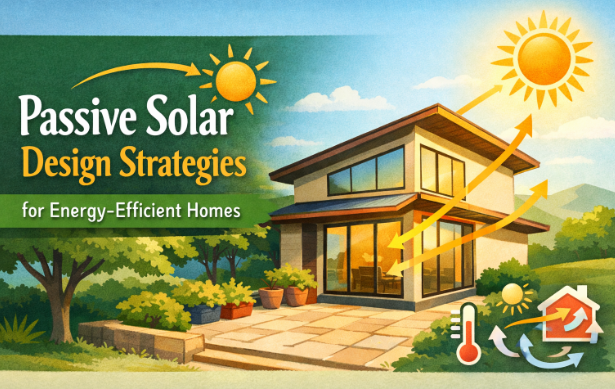
Passive solar design is a contemporary approach that seeks to harness natural sunlight and environmental conditions to regulate the temperature and lighting of buildings, promoting energy efficiency. By intelligently incorporating design techniques and materials, homeowners can significantly reduce their reliance on conventional heating and cooling systems. This methodology not only addresses environmental concerns but also enhances indoor comfort and overall living quality.
At the core of passive solar design are fundamental principles that prioritize the use of resources available in the immediate environment. These principles involve smart orientation of the building, strategic placement of windows, and the incorporation of thermal mass materials that absorb and store heat. Through careful planning, architects and builders can capitalize on solar gain during the winter months while minimizing heat during the warmer seasons. This ability to manipulate the building’s temperature dynamics results in lower energy consumption and reduced utility costs.
Moreover, the application of passive solar strategies transcends energy savings alone. The importance of creating energy-efficient homes through passive solar design is underscored by its role in improving indoor air quality and enhancing natural lighting. Well-designed solar homes utilize daylighting techniques, which not only illuminate spaces but also create a healthier environment for occupants. By reducing the need for artificial lighting, homeowners can further decrease energy usage, reinforcing the sustainability aspect of passive solar design.
As society shifts towards greener practices, understanding and implementing passive solar design is crucial for building energy-efficient homes that contribute to environmental sustainability. Embracing this design philosophy not only benefits individual homeowners but also supports broader ecological goals, making it an essential consideration for modern architectural practices.
Key Principles of Passive Solar Design
Passive solar design is a crucial element in constructing energy-efficient homes. This approach utilizes architectural and landscaping techniques to harness natural sunlight for heating, cooling, and lighting, thereby minimizing reliance on mechanical systems. One of the fundamental concepts is solar orientation, which involves positioning a home to maximize exposure to sunlight throughout the day. Ideally, living spaces should face south in the northern hemisphere to absorb maximum sunlight, while minimizing the areas facing east and west, which can lead to overheating and increased cooling costs.
Another key aspect is the incorporation of thermal mass materials. These are materials that can absorb, store, and later release heat. Common thermal mass materials include concrete, brick, and stone. During the day, these materials absorb heat from the sun, helping to keep indoor temperatures stable. At night, they release the stored heat, reducing the need for additional heating. This effective thermal regulation results in enhanced comfort and lower energy consumption.
Ventilation plays a crucial role in passive solar design as well. Proper ventilation strategies ensure that hot air is expelled and cooler air is drawn in, maintaining a comfortable indoor climate. Techniques such as cross-ventilation allow for natural airflow through the home, further reducing the need for air conditioning in warmer months. By using operable windows and strategically designed openings, occupants can enhance indoor air quality and regulate temperature effectively.
These principles of solar orientation, thermal mass, and ventilation collectively contribute to achieving energy efficiency in a passive solar-designed home. Their harmonious integration not only promotes an environment of comfort but also significantly reduces energy consumption, making it a sustainable choice for modern living.
Site Selection and Orientation
Site selection and building orientation play a pivotal role in the effectiveness of passive solar design strategies. A well-chosen site can significantly enhance the energy efficiency of a home by maximizing natural sunlight, reducing reliance on artificial heating and cooling systems.
When selecting a site, homeowners should consider the geographical location, topography, and climate conditions. Areas with ample sunlight exposure during the winter months are particularly desirable, as they allow for increased passive solar gain. Furthermore, it is essential to evaluate the surrounding vegetation and buildings, as these can create shade and obstruct sunlight during pivotal hours of the day, thereby diminishing the effectiveness of passive solar strategies.
The orientation of the home is equally important in achieving optimal energy efficiency. To maximize solar gain, buildings should be oriented with their longer sides facing south (in the Northern Hemisphere) or north (in the Southern Hemisphere). This alignment enables the structure to capture the sun’s rays during peak hours, efficiently warming the interior spaces. Additionally, incorporating large south-facing windows can facilitate passive solar heating while utilizing overhangs can help control heat gain during the summer months. This careful balance promotes a comfortable indoor climate year-round.
Moreover, the layout of the home should reflect the principles of passive solar design. Open floor plans can aid in the circulation of warm air, allowing sunlight to penetrate further into the interior, thus enhancing energy efficiency. The strategic placement of thermal mass materials, such as concrete or stone, can also absorb the heat gained during the day and release it gradually during the night, further stabilizing indoor temperatures.
Managing Solar Heat Gain
Effectively managing solar heat gain is a crucial aspect of passive solar design that contributes to energy-efficient homes. By strategically controlling the amount of solar radiation that enters a building, homeowners can ensure comfortable indoor temperatures year-round while reducing reliance on artificial cooling and heating systems.
One practical method for managing solar heat gain is the implementation of overhangs on windows. Overhangs extend beyond the wall of the building and provide shade during the hotter months while allowing sunlight to penetrate in the winter when the sun’s angle is lower. This architectural feature plays a significant role in preventing excessive heat during summer and maximizing passive solar heating in winter.
In addition to overhangs, various shading devices can be employed to moderate solar heat gain. Adjustable shading elements, such as external shades, awnings, or louvers, enable homeowners to customize sunlight exposure based on specific seasonal and daily conditions. These devices can be particularly effective when integrated with smart home technology, allowing for real-time adjustments based on weather conditions.
Window placement also significantly impacts solar heat gain management. Orienting windows toward the south can harness maximum sunlight during the colder months while ensuring that windows on the east and west sides receive appropriate shading. Strategically incorporating high-performance glazing can further reduce heat gain by reflecting back a portion of the sun’s rays while maintaining visibility and natural light within the home.
In conclusion, managing solar heat gain through the use of architectural elements like overhangs, shading devices, and mindful window placement is essential for creating energy-efficient homes. By implementing these strategies, homeowners can enhance comfort while significantly lowering energy consumption related to heating and cooling. This mindful approach not only supports eco-friendly living but also contributes to long-term cost savings on energy bills.
The Role of Thermal Mass
In passive solar design, thermal mass plays a critical role in achieving energy efficiency and comfort within homes. Thermal mass refers to materials that can absorb, store, and release heat over time. Common materials used for this purpose include concrete, brick, and stone. These materials have a high specific heat capacity, allowing them to regulate indoor temperatures effectively by absorbing excess heat during the day and releasing it when temperatures drop at night.
The use of thermal mass helps stabilize indoor conditions, particularly in climates with significant temperature fluctuations. During sunny days, thermal mass absorbs solar energy through windows and surfaces, which helps to cool the living space. As the sun sets and temperatures decrease, the stored heat is released slowly, thereby reducing the need for additional heating sources. This not only enhances comfort but also decreases reliance on heating systems, leading to lower energy bills.
Moreover, the placement of thermal mass within a home is paramount to its effectiveness. Ideally, thermal mass should be positioned in direct sunlight during the day, on south-facing walls or floors. Additionally, incorporating this element in combination with adequate insulation is essential. Insulation prevents unwanted heat loss, ensuring that the thermal energy absorbed by these materials is retained for as long as possible.
In conclusion, thermal mass significantly contributes to the energy efficiency of homes utilizing passive solar design strategies. By carefully selecting and positioning heat-absorbing materials, architects and builders can create environments that remain comfortable and reduce energy consumption throughout the year.
Natural Ventilation Techniques
Natural ventilation techniques are pivotal in enhancing indoor air quality while promoting energy efficiency in residential settings. These methods leverage natural forces, such as wind and thermal buoyancy, to facilitate airflow within a home, significantly reducing the need for mechanical cooling systems.
One prominent technique is cross-ventilation, which involves strategically placing openings on opposite walls of a space. By harnessing wind pressure differences, cross-ventilation encourages fresh air to enter while stale air exits, creating a continuous flow that maintains comfortable indoor conditions. This method is especially effective in warm climates, where minimizing reliance on air conditioning can lead to substantial energy savings and improved indoor air quality.
Another effective approach is stack ventilation, leveraging the natural tendency of warm air to rise. In this method, high-level vents are installed in combination with lower-level openings, enabling hot air to escape from the upper areas of a room while cooler air is drawn in from below. This technique is particularly beneficial in multi-story homes, where vertical air movement can be optimized to enhance thermal comfort without additional energy expenditure.
Furthermore, operable windows and strategically designed architectural features can assist in maximizing the effectiveness of these techniques. Incorporating shading devices and windcatchers can further refine airflow, ensuring that homes remain comfortable year-round. By implementing these natural ventilation methods, homeowners can not only improve indoor air quality but also contribute to a significant reduction in energy consumption, exemplifying the benefits of integrating passive solar design strategies into everyday living.
Window and Glazing Options
When considering passive solar design strategies for energy-efficient homes, the selection of windows and glazing options plays a crucial role. The right combination can significantly enhance a home’s ability to harness sunlight while minimizing thermal losses. In colder climates, where warmth is essential during the winter months, windows should be designed to maximize solar gain. South-facing windows are particularly effective, as they receive direct sunlight during the day, helping to warm indoor spaces. However, it is vital to balance this with energy efficiency; this can be accomplished through high-performance glazing that prevents heat loss during nighttime hours.
There are several window types available, including fixed, operable, and clerestory windows. Fixed windows, which do not open, are excellent for areas needing unobstructed views and passive solar gain. Operable windows, on the other hand, allow for ventilation to cool spaces in warmer climates. Utilizing clerestory windows can further enhance light distribution; positioned high on walls, they promote natural light penetration without compromising privacy.
Glazing techniques also play an integral role in enhancing energy efficiency. Double or triple-pane glazing can provide insulation, significantly reducing the transfer of heat both in and out of the home. Low-emissivity (low-e) coatings can also be applied to glass surfaces; these coatings reflect infrared energy while allowing visible light to enter, consequently optimizing thermal comfort. Furthermore, using inert gas fills, such as argon or krypton, within multi-pane windows enhances their insulative properties.
In warmer climates, it is crucial to focus on managing heat gain through strategic window placement and shading techniques. Overhangs or awnings can reduce direct sunlight exposure, thus helping to maintain cool indoor temperatures. In seasonal applications, the flexibility of operable windows allows homeowners to adapt to changing weather patterns effectively. By investing in appropriate window types and glazing methods, homeowners can create comfortable and energy-efficient living environments that thrive on the principles of passive solar design.
Landscaping for Energy Efficiency
Landscaping plays a crucial role in enhancing the energy efficiency of homes through passive solar design. By strategically placing trees, shrubs, and other vegetation around a property, homeowners can significantly influence the microclimate surrounding their residences. This natural approach to energy management can lead to reduced heating and cooling costs, as well as an improved overall comfort level in the home.
One of the primary strategies in landscaping for energy efficiency involves the use of trees to provide shade during the hottest months of the year. Deciduous trees, which shed their leaves in the fall, are particularly effective. During summer, their broad canopies block direct sunlight from hitting the home, thus lowering indoor temperatures and reducing reliance on air conditioning. In winter, on the other hand, the absence of leaves allows sunlight to stream through, warming the interior spaces naturally.
Furthermore, evergreen trees serve a different yet equally important function. Positioned strategically to shield a home from prevailing winds, these trees act as natural windbreaks. By reducing wind speed around the property, homeowners can prevent cold drafts from increasing heating demands. This intelligent use of landscaping not only enhances comfort but also contributes to energy savings.
In addition to trees, the incorporation of various shrubs and large plants can also be beneficial. By using low-growing shrubs near the foundation of the house, it is possible to facilitate air circulation while preventing heat loss. Native plant species are often recommended, as they require less water, promoting sustainable landscaping practices that align with energy efficiency goals.
Overall, a well-thought-out landscaping plan that incorporates these elements can significantly enhance the passive solar design of a home. Ensuring a balanced interplay between natural elements and architectural features will lead to improved energy efficiency and a more sustainable living environment.
Case Studies of Successful Passive Solar Homes
Passive solar design is an increasingly popular approach in the realm of sustainable building practices, as it capitalizes on natural energy sources to enhance comfort and efficiency. This section presents several noteworthy case studies of homes that have successfully integrated passive solar strategies, showcasing their innovative design features and the substantial benefits they have realized.
One prominent example is the Ecological House located in New Zealand. This residence employs large, south-facing windows to optimize solar gain during the winter months while using thermal mass materials such as concrete to store heat. Additionally, its strategically positioned overhangs block the high summer sun, maintaining cooler indoor temperatures. As a result, the home has achieved a significant reduction in its energy consumption for heating and cooling, providing year-round comfort for its inhabitants.
Another remarkable project is the Solar Barn in Vermont, USA. Designed with a unique blend of passive solar tactics, the structure features a south-oriented facade and a sunspace that harnesses the sun’s warmth efficiently. Coupled with proper insulation and energy-efficient windows, this house successfully minimizes its reliance on external heating sources. The owners reported a drastic decrease in their heating bills, along with an enhanced quality of life that resulted from improved indoor conditions.
Additionally, the Passive House in Germany exemplifies the principles of energy efficiency through its airtight construction and comprehensive insulation strategies. By specifically limiting heat loss and maximizing solar gain, this dwelling has achieved a balance of maintaining comfortable temperatures while operating on minimal energy. Its residents enjoy lower energy costs and a healthier living environment, illustrating the palpable advantages of adhering to passive solar design principles.
These case studies reflect a growing trend towards energy-efficient homes that not only reduce environmental impacts but also provide notable economic benefits and enhanced living comfort.