


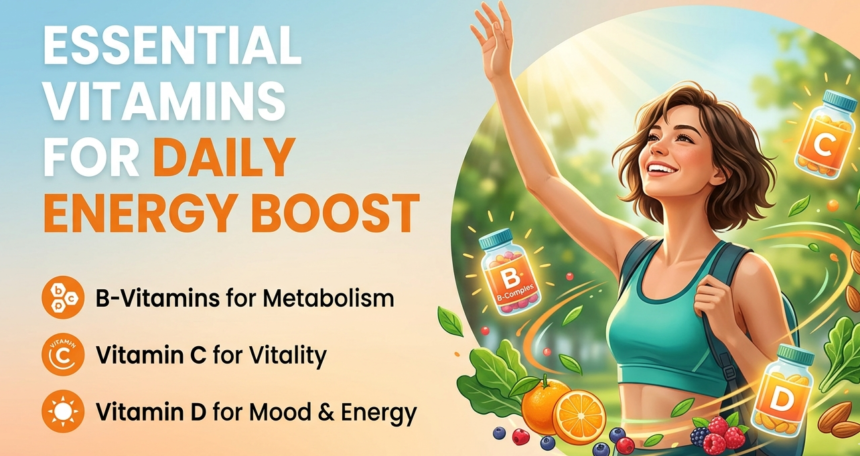
Introduction to Vitamins and Energy
Vitamins are essential organic compounds that play a crucial role in maintaining overall health and well-being. They facilitate various biochemical reactions in the body, which are vital for sustaining energy levels throughout the day. Without adequate vitamins, our bodies struggle to perform optimally, leading to feelings of fatigue and decreased productivity. This section examines the connection between vitamins and energy, highlighting how these nutrients influence both physical and mental performance.
The body requires a diverse range of vitamins to function effectively. These functional compounds can be categorized into two main groups: water-soluble vitamins (such as the B-complex vitamins and vitamin C) and fat-soluble vitamins (including vitamins A, D, E, and K). Water-soluble vitamins, particularly the B-complex group, play a direct role in energy metabolism. They assist in converting carbohydrates, proteins, and fats into usable energy, which is essential for our daily activity levels.
Additionally, vitamins contribute to various physiological processes that enhance energy production. For instance, vitamin B12 is vital for red blood cell formation and oxygen transportation, ensuring that the body’s energy demands are met efficiently. Similarly, vitamin D influences muscle function, while vitamin E’s antioxidant properties protect cells from oxidative stress, ultimately supporting better energy utilization.
Moreover, a well-balanced diet rich in vitamins and minerals can improve mental clarity and reduce fatigue, further emphasizing the relationship between proper nutrition, vitamins, and energy levels. Insufficient intake of essential vitamins can result in a range of deficiencies, which may manifest as low energy, poor concentration, and decreased physical ability. Therefore, recognizing the importance of vitamins in our daily dietary choices is crucial for enhancing overall well-being and vitality.
The Role of Vitamin B Complex
Vitamin B complex is a group of eight essential vitamins that play a critical role in energy production, helping the body convert food into usable energy. Each B vitamin offers unique functions that contribute to the overall energy metabolism, making them indispensable for maintaining daily vitality.
Thiamine (B1) is crucial for converting carbohydrates into glucose, which serves as the primary fuel for energy. It also assists in the nervous system’s functioning. Riboflavin (B2) participates in energy production by breaking down fats, carbohydrates, and proteins, thereby enhancing mitochondrial function and cellular energy output.
Niacin (B3) plays a significant role in the metabolic processes that create ATP, the energy currency of cells. This vitamin also supports healthy functioning of the nervous system and maintains skin health. Pantothenic acid (B5) is instrumental in synthesizing coenzyme A, which is crucial for fatty acid metabolism and energy production.
Pyridoxine (B6) helps in the formation of neurotransmitters and is involved in amino acid metabolism, providing the necessary components for energy production. Biotin (B7) is essential for converting nutrients into energy, particularly in the metabolism of carbohydrates and fats.
Folic acid (B9) ensures optimal cellular function and is vital for DNA synthesis and repair, impacting energy levels indirectly through overall metabolic health. Lastly, Cobalamin (B12) is fundamental for maintaining red blood cell formation and proper neurological function, thereby sustaining the body’s energy levels.
To achieve sufficient energy throughout the day, it is important to incorporate sources of B vitamins into your daily diet. Foods such as whole grains, legumes, nuts, seeds, dairy products, and leafy greens are excellent options to ensure adequate B vitamin intake. A balanced diet rich in these nutrients supports not only energy production but overall health and well-being.
Vitamin C: More Than Just Immune Support
Vitamin C, scientifically known as ascorbic acid, is widely recognized for its significant role in strengthening the immune system. However, its benefits extend far beyond this common perception. It plays an essential role in energy production, specifically through its involvement in fat metabolism. The body requires vitamin C for the synthesis of carnitine, a compound critical for transporting fatty acids into the mitochondria, where they are converted into energy. Thus, adequate vitamin C intake can facilitate more efficient energy utilization from fat.
Moreover, vitamin C is a powerful antioxidant that aids in combating oxidative stress, which can hinder overall energy levels. By neutralizing harmful free radicals, vitamin C helps maintain cellular integrity and supports the body in maximizing energy production. The presence of vitamin C ensures that metabolic processes function optimally, enabling individuals to experience enhanced vitality and reduced fatigue.
In addition to its metabolic functions, vitamin C also supports overall health through various mechanisms. It contributes to the maintenance of skin health by promoting collagen synthesis, thereby enhancing the elasticity and strength of skin tissues. This vital vitamin is also involved in the absorption of iron from plant-based sources, which can be especially important for individuals following vegetarian or vegan diets. Improved iron status helps to prevent fatigue and lethargy linked to iron-deficiency anemia, further highlighting the multifaceted role of vitamin C in promoting energy levels.
In conclusion, while vitamin C is often celebrated for its immune-boosting properties, its impact on energy production through carnitine synthesis and antioxidant protection makes it an essential nutrient for those seeking daily energy boosts. Ensuring adequate intake of this vitamin can lead to enhanced physical performance and overall well-being.
The Energy Boosting Effects of Vitamin D
Vitamin D is an essential nutrient that plays a significant role in overall energy levels and physical health. Often referred to as the “sunshine vitamin,” it is produced by the body in response to sunlight exposure and can also be obtained from certain foods and supplements. Adequate levels of vitamin D are crucial not only for enhancing energy but also for maintaining bone health and muscle function, which are vital for physical activity and overall vitality.
One of the primary functions of vitamin D is its role in calcium absorption, which is essential for maintaining strong bones. A deficiency in this vitamin can lead to weak bones and an increased risk of fractures, which can hinder physical activity and contribute to feelings of fatigue. Additionally, vitamin D supports muscle function, promoting strength and endurance, which are necessary for sustaining energy throughout the day.
Research has indicated a correlation between vitamin D levels and physical performance. Individuals with sufficient vitamin D are more likely to exhibit better muscle strength and a higher capacity for physical exercise. This relationship underscores the importance of vitamin D in enhancing not just physical capabilities but also overall energy levels. Moreover, adequate vitamin D intake may improve mood and mental well-being, further contributing to an energetic and active lifestyle.
Incorporating foods rich in vitamin D, such as fatty fish, fortified dairy products, and egg yolks, can help individuals meet their daily requirements. Furthermore, exposure to sunlight, particularly during midday hours, is an effective way to boost vitamin D levels naturally. For those unable to obtain sufficient amounts through diet and sunlight, vitamin D supplements can serve as a viable alternative.
Magnesium: The Overlooked Mineral
Magnesium is an essential mineral that plays a pivotal role in various bodily functions, particularly in energy production. It is crucial for the activation of ATP (adenosine triphosphate), the molecule responsible for storing and transporting energy in cells. Without adequate magnesium, the body struggles to produce and utilize energy efficiently, leading to feelings of fatigue and lethargy. This mineral is often overlooked when discussing energy-boosting nutrients, yet its significance cannot be overstated.
Dietary sources of magnesium are abundant, enabling individuals to incorporate this mineral into their daily diet easily. Common sources include green leafy vegetables such as spinach, nuts, seeds, whole grains, and legumes. Consuming these foods regularly can help ensure adequate magnesium levels, promoting optimal energy production and overall well-being. Additionally, magnesium supplements are available for those unable to meet their daily requirements through diet alone; however, it is recommendable to consult with a healthcare professional before starting any supplementation.
Signs of magnesium deficiency can significantly impact energy levels. Individuals may experience fatigue, muscle weakness, or even irritability when they do not consume enough of this vital mineral. Other symptoms can include poor concentration, insomnia, and increased cravings for unhealthy foods, which can create a vicious cycle leading to further deficiency. Recognizing these signs early and addressing them by enhancing magnesium intake is essential for maintaining energy levels and overall health.
In summary, magnesium is an overlooked yet critical mineral for energy production. Understanding its role and ensuring adequate intake through dietary sources can significantly enhance daily energy levels and overall vitality.
Iron: The Energy Carrier
Iron plays a vital role in the human body, particularly in the process of oxygen transport. It is an essential mineral that supports various physiological functions, primarily by being a key component of hemoglobin, the protein in red blood cells responsible for carrying oxygen from the lungs to the rest of the body. Adequate levels of iron are crucial for energy production at the cellular level, as oxygen is necessary for the metabolic processes that convert nutrients into energy. When iron levels are insufficient, the body cannot efficiently transport oxygen, leading to decreased energy levels and overall fatigue.
A deficiency in iron can result in iron-deficiency anemia, which is characterized by symptoms such as fatigue, weakness, and pale skin. This condition occurs when the body does not have enough healthy red blood cells to effectively carry oxygen to tissues. Consequently, individuals experiencing low iron levels may find it challenging to maintain their usual energy levels, impacting their daily activities and overall productivity. Thus, ensuring an adequate iron intake is critical for sustaining energy and preventing potential health complications.
To avoid iron deficiency, one should focus on incorporating iron-rich foods into their diet. These foods include red meat, poultry, seafood, beans, lentils, tofu, dark leafy greens, and fortified cereals. There are two forms of dietary iron: heme iron, which is found in animal products and is more readily absorbed by the body, and non-heme iron, which is present in plant sources. Combining non-heme iron sources with vitamin C-rich foods can enhance iron absorption. Therefore, it is advisable for individuals to assess their iron intake and make dietary adjustments to meet their nutritional needs, ensuring optimal energy levels throughout their day.
Antioxidant Vitamins: E and A
Antioxidant vitamins, particularly vitamins E and A, play a significant role in combatting oxidative stress, which can deplete energy levels and impact overall health. Vitamin E is known for its ability to protect cells from damage caused by free radicals. This vitamin is fat-soluble and can be found in various foods, including nuts, seeds, spinach, and vegetable oils. Its antioxidant properties not only contribute to maintaining energy levels but also support immune function and skin health.
On the other hand, vitamin A is critical for vision, immune function, and skin integrity. It can be obtained from both animal and plant sources, with liver, fish, dairy products, and colorful fruits and vegetables like carrots, sweet potatoes, and spinach being rich in this nutrient. The body converts beta-carotene, found in plant sources, into active vitamin A. This vitamin supports energy metabolism by facilitating the conversion of food into energy, thus promoting vitality throughout the day.
Maintaining a balanced intake of these vitamins is essential for achieving optimal energy levels and overall health. Both vitamins E and A work synergistically with other nutrients, contributing to a robust defense system against oxidative stress. Adequate consumption can also help decrease the risk of chronic diseases, ensuring not only better physical well-being but also mental clarity—all of which can enhance daily productivity and energy.
Incorporating these vitamins into your diet is crucial for anyone seeking a natural energy boost. Ensuring a diverse and balanced diet that includes both antioxidant vitamins can lead to improvements in overall health and sustained energy levels throughout the day.
How to Incorporate Essential Vitamins into Your Diet
Incorporating essential vitamins into your daily diet is a straightforward process that involves a combination of food selections, meal planning, and, if necessary, supplementation. A diverse and balanced diet is the key to ensuring you obtain an adequate supply of vital nutrients.
Starting with whole foods is crucial. Foods rich in Vitamin B, such as whole grains, legumes, eggs, and lean meats, can boost your energy levels significantly. Regularly including leafy greens like spinach and kale in your meals can enhance your intake of Vitamin C and Magnesium, both of which play a role in energy metabolism. For those who prefer plant-based options, nuts and seeds are excellent sources of Vitamin E and other energy-boosting nutrients.
Meal planning is an effective strategy to help you consistently incorporate these vitamins. By preparing your meals in advance, you can ensure a balanced intake of key nutrients. Aim to include proteins, healthy fats, and complex carbohydrates in each meal. For breakfast, consider oatmeal topped with nuts and fruit, which can provide a steady release of energy throughout the day. Lunch could consist of a salad featuring greens, tomatoes, and lean protein, while dinners can integrate a variety of vegetables, whole grains, and healthy fats, such as olive oil or avocado.
In some instances, dietary restrictions or lifestyle choices may limit your vitamin intake. In such cases, supplements can serve as a convenient option. However, it’s important to consult with a healthcare provider before starting any supplementation regimen to tailor the approach to your specific needs and avoid potential overdoses. Additionally, focus on reading labels and selecting high-quality supplements that ensure bioavailability and efficacy.
Conclusion: Energizing Your Life with the Right Nutrition
In our exploration of essential vitamins necessary for sustaining daily energy, we have identified several key nutrients: B vitamins, Vitamin D, Vitamin C, and magnesium, among others. Each of these vitamins plays a crucial role in the metabolic processes that convert food into energy. For instance, B vitamins are instrumental in energy production from carbohydrates, fats, and proteins, while Vitamin C supports overall health and can help reduce fatigue.
Additionally, we recognize that a deficiency in any of these essential vitamins can lead to decreased energy levels, impacting both physical and mental performance. Therefore, ensuring an adequate intake of these vitamins through a balanced diet is vital for maintaining energy throughout the day. Foods rich in these nutrients, such as leafy greens, fruits, whole grains, nuts, and seeds, should be incorporated into your daily meals to promote optimal health and vitality.
Understanding the significance of these vitamins as part of a holistic approach to nutrition can encourage healthier lifestyle choices. It can be beneficial to evaluate your current vitamin intake and dietary habits to identify potential gaps. Consider consulting with a healthcare professional or a registered dietitian who can provide personalized advice tailored to your nutritional needs. By prioritizing the right nutrition, you not only enhance your energy levels but also support your overall well-being, leading to a more vibrant and active life.