


Understanding Diaper Rash
Diaper rash is a common condition experienced by infants and toddlers, characterized by redness, irritation, and discomfort in the diapered area. This skin condition arises primarily due to prolonged exposure to moisture, friction, and irritants found in urine and feces. Encompassing various types, the most prevalent forms of diaper rash include irritant contact dermatitis, candidiasis (yeast infection), and bacterial infections.
Several environmental and biological factors can contribute to the development of diaper rash. A primary cause is the prolonged contact of the skin with dampness, particularly in situations where diapers are left on for extended periods. Additionally, the ingredients in certain disposable diapers or wipes can act as irritants, causing further inflammation. Not all infants are equally susceptible; factors such as a developing immune system, skin sensitivity, and the presence of other medical conditions can increase vulnerability to diaper rash.
Symptoms of diaper rash may vary; however, common indicators include redness, swelling, and blistering in the affected area. Infants may show signs of discomfort, evident through fussiness or crying during diaper changes. In more severe cases, skin may become cracked or bleeding, requiring prompt attention to alleviate pain and promote healing.
Parents and caregivers should remain vigilant, particularly during periods of teething or antibiotic treatments, which can alter the balance of bacteria and lead to yeast overgrowth. By recognizing the signs early on and understanding the factors contributing to diaper rash, proactive measures can be taken to mitigate its impact and ensure comfort for the child.
Common Causes of Diaper Rash
Diaper rash is a prevalent condition that affects many infants at various stages of their development. Understanding the common causes of diaper rash is essential for parents and caregivers looking to treat and prevent this discomforting condition. One of the primary factors contributing to diaper rash is prolonged exposure to moisture. When a diaper is saturated with urine or feces, the baby’s skin becomes vulnerable to irritation and inflammation due to the damp environment. Therefore, frequent changes are crucial to minimize this exposure and keep the skin dry.
Another significant cause is friction. Rubbing caused by the diaper’s material against the baby’s delicate skin can lead to chafing and subsequent rashes. Properly fitting diapers, as well as ensuring they are not too tight, can help reduce this friction and the potential for irritation. It is also worth noting that different brands or types of diapers may have varying levels of gentleness on the skin.
Allergies to diaper materials or wipes can exacerbate the likelihood of developing a rash. Many disposable diapers contain fragrances, dyes, or chemicals that can irritate an infant’s sensitive skin. Parents should consider opting for hypoallergenic options or switching brands if a rash appears after using a new product. In some instances, the ingredients in baby wipes may also contribute to a reaction.
Lastly, infections, such as yeast or bacterial infections, can lead to diaper rash. These infections often manifest as red, inflamed bumps or lesions. They are more likely to appear in warm, moist areas, which can occur under a diaper. Recognizing the signs of infection is critical, and seeking medical advice may be necessary for appropriate treatment.
Signs and Symptoms of Diaper Rash
Diaper rash is a common condition affecting infants and toddlers, often resulting in discomfort and distress for both the child and parents. Recognizing the signs and symptoms of this ailment is critical for early intervention and treatment. One of the most significant indicators of diaper rash is skin redness, which typically presents around the genital and buttock areas. This redness can escalate, often manifesting as bright red patches that may appear shiny and inflamed.
In addition to the reddened skin, parents may observe the emergence of small bumps, lesions, or even blisters. These may be accompanied by varying degrees of swelling in the affected regions. Importantly, the severity of diaper rash can fluctuate; in mild cases, the skin may merely appear irritated, while more severe instances may lead to open sores or bacterial infections, potentially requiring medical attention.
Various circumstances can exacerbate the symptoms of diaper rash. Prolonged exposure to moisture in a diaper can significantly aggravate the condition. Similarly, usage of certain products, such as harsh wipes or fragrances, may provoke or worsen irritation. Additionally, dietary changes or introducing new foods can also lead to diaper rash, particularly if the baby’s stool becomes more acidic. Hence, it is essential for caregivers to maintain a vigilant eye on both the baby’s skin and overall well-being to manage and mitigate the progression of diaper rash effectively.
Natural Remedies for Diaper Rash
Diaper rash is a common issue among infants, often caused by prolonged exposure to wetness or irritants. Fortunately, several natural remedies can effectively treat diaper rash, providing comfort and relief for babies. One of the most popular options is coconut oil. Rich in anti-inflammatory and antibacterial properties, coconut oil creates a protective barrier on the skin, helping to lock in moisture while promoting healing. To use, simply apply a thin layer directly to the affected area after each diaper change.
Aloe vera is another excellent choice for soothing irritated skin. Its natural cooling effect calms inflammation and promotes healing. Aloe vera gel can be applied directly to the rash, allowing its soothing properties to take effect. It is essential to ensure that the product used is pure aloe vera without added fragrances or chemicals.
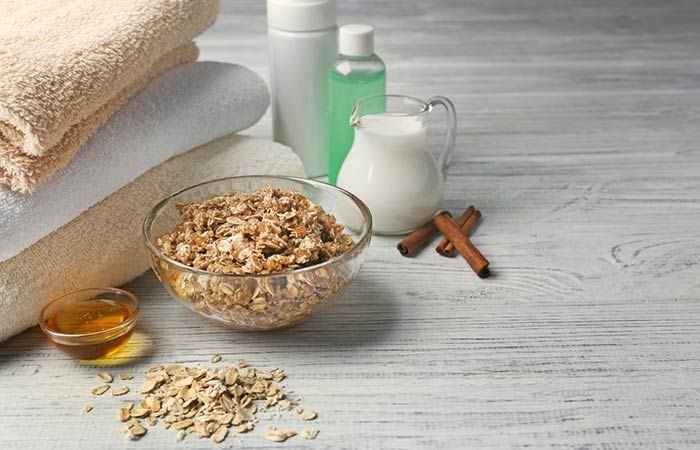
Oatmeal baths also offer respite from diaper rash. The colloidal oatmeal can provide a gentle exfoliant that removes irritation-causing irritants and soothes the skin. To create an oatmeal bath, grind plain, uncooked oats into a fine powder and add it to warm bathwater. Bathing the baby in this solution for about 15-20 minutes can significantly alleviate discomfort and promote skin healing.
Breast milk has been identified as a natural remedy that can assist in treating diaper rash effectively. It contains antibodies and immune-boosting properties that can help reduce inflammation and infection in the affected area. Applying a few drops of breast milk directly on the rash and allowing it to dry can provide an effective healing solution.
In conclusion, the utilization of these natural remedies such as coconut oil, aloe vera, oatmeal baths, and breast milk can significantly contribute to treating diaper rash. Each offers unique benefits that cater to different aspects of skin healing and soothing, allowing caregivers to choose the most suitable option for their baby’s needs.
Preventative Measures to Avoid Diaper Rash
Diaper rash is a common issue that can cause discomfort for infants and concern for parents. Fortunately, implementing effective preventative measures can significantly reduce the likelihood of diaper rash developing. One fundamental strategy is to change diapers frequently. The constant exposure to moisture and irritants can lead to skin irritation; thus, ensuring that diapers are changed regularly keeps the skin dry and minimizes friction against sensitive areas.
In addition, choosing the right type of clothing can also contribute to preventing diaper rash. Parents should opt for breathable fabrics that allow air to circulate, which helps to keep the skin dry. Clothes made from materials such as cotton are particularly effective for this purpose, as they are soft and allow moisture to evaporate, further protecting the delicate skin.
Maintaining proper hygiene is vital in the prevention of diaper rash. It is essential to clean the diaper area gently with mild soap and water during each diaper change. Avoiding harsh chemicals or fragrances can prevent additional irritation. After cleansing, it’s beneficial to let the skin air dry briefly before putting on a new diaper, as exposure to air promotes skin health.
Finally, one of the simplest yet most effective practices is to provide opportunities for the baby’s skin to breathe. Whenever possible, allow the infant to spend some diaper-free time in a safe environment. This exposure helps to reduce moisture and irritation locally within the diaper region, significantly decreasing the chances of developing diaper rash.
When to Consult a Pediatrician
Diaper rash is a common occurrence in infants and young children, often resulting from prolonged exposure to moisture, friction, or irritants contained within diapers. While many cases can be effectively managed with home remedies or over-the-counter treatments, there are specific circumstances when it becomes essential to consult a pediatrician for a more comprehensive evaluation.
Parents should seek professional advice if they notice their child exhibiting signs of severe rash, which may include significant redness, swelling, or the presence of blisters. These symptoms can indicate that the rash has escalated beyond a mild irritation and may require a different approach to treatment. Additionally, if the rash appears to be spreading rapidly or does not improve within a few days despite the use of home remedies, a pediatrician’s expertise is warranted.
Another critical factor to consider is the presence of accompanying symptoms such as fever, a foul odor from the diaper area, or pus-filled lesions. Fever can often signify an infection, while a foul odor suggests that a bacterial or yeast infection may be developing alongside the diaper rash. In these instances, medical intervention can prevent further complications and provide targeted treatments aimed at addressing the underlying cause.
It is also advisable to consult a pediatrician if the rash consistently reoccurs, as this might indicate that the child has underlying sensitivities or allergies that need to be explored. An appropriate assessment can lead to better management strategies and tailored recommendations that cater to the child’s specific needs, ensuring a swift resolution to the discomfort and potential distress caused by diaper rash.
Myths About Diaper Rash Treatments
When it comes to treating diaper rash, various myths abound, leading caregivers to misinterpret the effective ways in which this common issue can be managed. One prevalent myth is that using baby powder is a reliable solution for all types of diaper rash. While powders can absorb moisture and create a barrier against skin irritation, they should be used judiciously. Over-reliance on powdered treatments can sometimes aggravate the condition or lead to respiratory issues if inhaled, especially in infants.
Another misconception is the efficacy of certain commercial products marketed specifically for diaper rash. Many caregivers assume that expensive creams and ointments provide superior relief. However, not all products are created equally. Some contain harsh chemicals that might exacerbate the skin’s irritation rather than alleviate it. An essential aspect of addressing diaper rash effectively is to read the ingredient list and choose products designed to soothe and protect sensitive skin without unnecessary additives.
Additionally, there exists the belief that all diaper rashes warrant medical intervention. While persistent and severe cases should always be examined by a pediatrician, many rashes can be effectively treated at home. Simple remedies, such as frequent diaper changes, allowing the skin to breathe, and applying natural treatments like coconut oil or olive oil, can drastically reduce symptoms and promote healing without needing a doctor’s visit.
By debunking these myths, caregivers can approach diaper rash treatment with better-informed strategies, focusing on gentle and effective methods that prioritize the baby’s comfort and skin health. Understanding the truth about diaper rash treatments allows for more educated decisions, ultimately leading to improved care and outcomes.
FAQs About Diaper Rash
Diaper rash is a common concern for many parents, often causing distress for both the child and caregiver. Understanding the nature of diaper rash can ease these worries, enabling effective management. Here are answers to frequently asked questions regarding diaper rash.
What causes diaper rash? Diaper rash can arise from various factors, with the most common contributor being prolonged exposure to wet or dirty diapers. This irritation can lead to inflammation of the skin. Other underlying causes include yeast infections, chafing from the diaper itself, and allergies to diaper materials or wipes.
How can diaper rash be prevented? Preventative measures are essential for maintaining healthy skin. Frequent diaper changes are crucial; this minimizes moisture build-up. Using barrier creams containing zinc oxide can provide a protective layer, particularly during teething or illness when rashes are more likely to occur. It is also beneficial to allow the baby some diaper-free time to promote air circulation.
What are natural treatments for diaper rash? Natural treatments can be effective for treating mild diaper rash. These include the use of coconut oil, which possesses antibacterial properties, and aloe vera, known for its soothing effect. Additionally, plain, unscented yogurt can help combat yeast-related rashes due to its probiotic content. Always ensure the treated area is clean and dry before applying any remedy.
When should I consult a doctor? If the rash does not improve within a few days of home treatment, or if you notice signs of infection—such as increased redness, swelling, or pus—it is advisable to seek medical attention. A healthcare professional can offer guidance and possibly prescribe treatments that are safe for your child.
By staying informed and attentive to the needs of your child, diaper rash can be effectively managed and prevented.
Conclusion and Final Thoughts
Diaper rash is a common issue faced by many parents, but with a proactive and informed approach, it can be effectively managed and treated. Throughout this blog post, we have explored various natural treatments that can alleviate the discomfort caused by diaper rash while promoting healthier skin for infants. Employing these methods can significantly enhance the overall well-being of your child.
Key strategies include maintaining proper hygiene, frequent diaper changes, and using gentle, natural creams and ointments. Allowing your baby some diaper-free time can also aid in the healing process, allowing the affected area to air out and recover more quickly. When selecting products, parents should always look for hypoallergenic and fragrance-free options to minimize irritation. Options such as coconut oil and aloe vera are not only soothing but also contribute positively to skin health.
It is also essential to be aware of the factors that may contribute to diaper rash, such as prolonged exposure to moisture, friction from the diaper, and particular foods. Understanding these triggers can equip parents with the knowledge to make better choices in diaper care, leading to fewer instances of diaper rash.
In closing, managing diaper rash effectively requires a combination of prompt action and preventive care. By embracing these natural treatment options and fostering a consistent diaper-changing routine, parents can create a comfortable environment for their babies. Ultimately, a mindful approach to diaper care will greatly reduce the likelihood of diaper rash and ensure that little ones remain happy and healthy.