

Introduction to Digital Twins
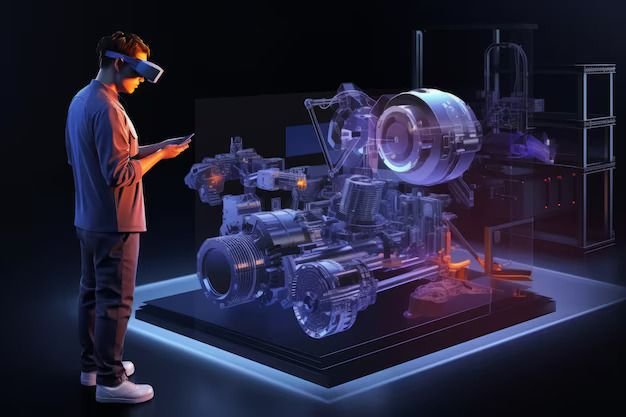
Digital twins represent a transformative technology that intertwines the virtual and physical worlds. At its core, a digital twin is a dynamic digital representation of a physical object, system, or process. This virtual counterpart is continuously updated with real-time data, enabling organizations to simulate, analyze, and optimize operations more effectively.
The concept of digital twins originated in the early 2000s within the realm of aerospace and manufacturing, particularly in the context of complex machinery and products. Engineers and designers began creating digital versions of physical components to predict performance outcomes, conduct virtual testing, and enhance overall design processes. Over time, this innovation expanded beyond manufacturing and aerospace into a multitude of sectors, including healthcare, smart cities, and energy management.
Various industries have adopted digital twins to leverage their extensive benefits. In healthcare, for example, digital twins enable personalized medicine by creating virtual replicas of patients to predict health outcomes and tailor treatment plans. The automotive sector utilizes digital twins for real-time vehicle monitoring, predictive maintenance, and improved safety features, ensuring optimal performance at all times. Additionally, smart city applications employ digital twins to analyze urban environments, optimize traffic management, and improve public services.
As real-time data becomes increasingly accessible through sensors and IoT devices, the relevance of digital twin technology is poised to grow exponentially. The interplay between digital and physical environments not only enhances operational efficiency but also fosters innovation across various industries, ultimately leading to smarter systems and improved decision-making processes.
Understanding the Technology Behind Digital Twins
Digital twins represent a transformative technology that merges the physical and digital worlds, enabling organizations to optimize operations and enhance predictive capabilities. At the core of this innovation lies several key technologies that facilitate the creation and operation of digital twins. These include Internet of Things (IoT) devices, advanced data analytics, artificial intelligence (AI), machine learning, and sophisticated simulations.
IoT devices play a crucial role in the functionality of digital twins by collecting real-time data from physical entities. These sensors and devices gather critical information regarding performance, environmental conditions, and operational metrics. This influx of data is essential, as it forms the basis for the digital representation. Through IoT, organizations can monitor assets in real-time, gaining insights that drive decision-making.
Complementing IoT, data analytics technologies analyze the collected data to derive actionable insights. By utilizing advanced algorithms, organizations can identify patterns and correlations that inform operational strategies. This analytical component is vital for ensuring that the digital twin accurately reflects the physical counterpart and aids in predictive maintenance and operational efficiency.
Additionally, AI and machine learning contribute to the continuous improvement of digital twins. These technologies enable systems to learn from historical data, adapting models to predict future behaviors. For instance, through the application of machine learning algorithms, digital twins can forecast potential failures before they occur, thus enhancing reliability.
Lastly, simulations provide a platform to experiment with different scenarios in a virtual environment. This is particularly useful for testing potential operational changes and understanding the impacts before physical implementation. By harnessing these technologies, digital twins are increasingly recognized as pivotal in various sectors, including manufacturing, healthcare, and urban planning, enhancing both efficiency and innovation.
Applications of Digital Twins in Various Industries
The implementation of digital twins technology has significantly transformed various industries by enhancing operational efficiencies and decision-making processes. In manufacturing, for instance, digital twins are utilized to create virtual replicas of physical assets, allowing companies to monitor performance in real-time. This proactive approach aids manufacturers in predicting machinery failures and implementing maintenance schedules that minimize downtime. General Electric (GE) serves as a prime example, using digital twins to optimize performance across its gas and wind turbines, driving productivity and cost-efficiency.
In the healthcare sector, digital twins are revolutionizing patient care and medical research. Hospitals are beginning to create digital representations of individual patients by integrating data from wearable devices, lab results, and imaging. This holistic view enables healthcare providers to customize treatment plans and predict patient responses to various therapies more accurately. An illustrative case is that of Mayo Clinic, which uses digital twins for cardiovascular patients to simulate surgical outcomes, thereby improving surgical planning and reducing complications.
Urban planning and smart cities are also reaping the benefits of digital twin technology. City planners utilize digital twins to model urban environments, giving them the ability to visualize infrastructure and public services in real-time. For example, Singapore has developed a comprehensive digital twin of its city-state, allowing for better resource management, traffic flow optimization, and efficient emergency response planning. Through simulating various urban scenarios, cities can enhance their resilience against future challenges.
In conclusion, the diverse applications of digital twin technology across industries such as manufacturing, healthcare, and urban development demonstrate its potential to enhance processes and outcomes. As more organizations adopt this technology, it is likely that the benefits will only continue to expand, paving the way for a more connected and efficient future.
Benefits of Using Digital Twin Technology
Digital twin technology offers organizations a multitude of benefits that significantly enhance operational efficiency and decision-making capabilities. One of the primary advantages of utilizing digital twins is the enhanced efficiency they bring to processes. By creating virtual replicas of physical assets, organizations can simulate and analyze performance in real-time. This allows for the identification of bottlenecks or inefficiencies that may not be apparent in the physical environment, enabling organizations to streamline operations.
Cost reduction is another important benefit of digital twin technology. Organizations can leverage simulations to predict outcomes and test different scenarios without incurring the costs associated with physical trials. This capability not only saves money but also accelerates the development process, allowing for faster time-to-market for products and services. Furthermore, as organizations adapt to digital twin technology, they often discover additional areas where costs can be minimized, reinforcing the financial benefits.
Improved decision-making is a critical aspect of digital twin technology. With access to real-time data and insights derived from simulations, organizations can make informed decisions that enhance overall performance. This capability is particularly crucial in industries where timely actions can significantly impact outcomes. Coupled with predictive maintenance, digital twins offer organizations the ability to anticipate equipment failures before they occur, reducing downtime and extending asset lifecycles.
Lastly, digital twin technology fosters innovative product development. Organizations can experiment with new designs and functionalities within a virtual environment, refining their offerings based on simulated performance insights. This iterative process encourages creativity and agility, ultimately leading to products that better meet customer needs.
Challenges and Limitations of Digital Twins
The adoption of digital twins technology is gaining momentum across various industries due to its potential to improve efficiencies and innovation. However, organizations face significant challenges and limitations when implementing this advanced technological solution. One of the primary obstacles is the high initial costs associated with establishing a digital twin infrastructure. This includes investments in software, hardware, and the necessary skills and training for personnel. Many organizations, especially smaller enterprises, may find the financial burden prohibitive, which can delay or even prevent the implementation of digital twins.
Another critical concern revolves around data security and privacy. Digital twins require vast amounts of real-time data to function effectively, much of which can be sensitive or proprietary. Organizations must navigate the complexities of protecting this data from cyber threats while complying with regulations on data privacy. Any breach can lead to significant reputational damage and legal consequences, thereby increasing apprehension around the deployment of digital twins.
In addition to costs and security concerns, the complexity of integrating digital twins into existing systems presents further challenges. Many organizations operate on legacy systems that may not readily support newer technologies. Ensuring that digital twins can communicate and work seamlessly with these established systems can require substantial time and technical expertise. This integration process often demands changes in workflow and operational processes, which can disrupt day-to-day activities and cause resistance among employees.
Ultimately, while digital twin technology holds transformative potential, companies must carefully consider these challenges and limitations. Addressing high costs, ensuring data security, and effectively integrating with existing systems are essential steps towards harnessing the benefits of digital twins effectively.
Future Trends in Digital Twin Technology
The realm of digital twin technology is poised for remarkable advancements as the integration of artificial intelligence (AI) continues to reshape various industries. Digital twins, which are virtual representations of physical entities, are expected to evolve significantly thanks to AI enhancements that allow for real-time data analysis and predictive analytics. By leveraging machine learning algorithms, organizations can utilize digital twins to simulate complex scenarios, optimize operations, and predict maintenance needs with unprecedented accuracy.
Moreover, as businesses embrace the Internet of Things (IoT), the integration of smart devices with digital twins will become increasingly seamless. This connectivity will enable continuous data streaming from physical assets, contributing to the dynamic updating of digital twins and further amplifying their operational effectiveness. Consequently, the convergence of IoT with digital twin technology heralds a new age of precision and efficiency across sectors such as manufacturing, healthcare, and urban development.
Additionally, emerging fields such as smart cities and personalized healthcare will benefit immensely from the proliferation of digital twins. In smart cities, digital twins can provide comprehensive insights into urban planning and resource management, enabling city planners to create more sustainable and livable environments. In the healthcare sector, digital twins hold the potential to create personalized patient models that enhance treatment efficacy by simulating individual responses to various therapies.
In conclusion, the future of digital twin technology is marked by transformative innovations driven by advancements in AI and IoT integration. As organizations continue to explore the potential of digital twins, their significance in boosting operational efficiency and fostering innovative solutions across diverse sectors will undoubtedly expand. Such developments are set to redefine conventional practices, ushering in a future where digital twins become integral to the fabric of modern technological landscapes.
Digital Twins and Sustainability
Digital twin technology holds immense potential for promoting sustainability across various industries. Defined as virtual representations of physical entities, digital twins facilitate real-time monitoring and analysis, enabling organizations to enhance their operational efficiency while minimizing environmental impact. By integrating sensors and data analytics, businesses can create a digital twin of their processes, allowing for informed decision-making that aligns with sustainability goals.
One of the primary ways digital twins contribute to sustainability is through energy efficiency. For instance, in the manufacturing sector, a digital twin can monitor energy consumption patterns, thus identifying areas where energy use can be optimized. Through predictive analytics, potential breakdowns or inefficiencies can be addressed before they escalate, leading to a significant reduction in energy waste. This proactive approach not only helps in conserving energy but also reduces operational costs, thereby supporting financial sustainability.
Furthermore, digital twins play a crucial role in waste management. By representing physical waste streams virtually, organizations can analyze their disposal processes more effectively. This understanding can lead to improved recycling systems and reduced landfill reliance, as companies can simulate different scenarios and assess the most effective waste reduction strategies. In industries such as construction, digital twins can optimize resource usage, ensuring materials are utilized efficiently and minimizing excess waste generation.
Additionally, digital twin technology aids in monitoring environmental impacts. For example, a digital twin of a city can simulate traffic patterns and air quality, allowing urban planners to devise strategies to enhance urban sustainability. Through data-driven insights, leaders can create environments with reduced carbon footprints, contributing to a greener future.
In conclusion, the integration of digital twins into various sectors supports sustainability efforts by optimizing resource usage, enhancing energy efficiency, and promoting responsible waste management, marking a significant step towards a sustainable future.
Real-World Success Stories
The implementation of digital twin technology has transformed various industries, resulting in enhanced operational efficiency, reduced costs, and improved decision-making capabilities. Companies across the globe are leveraging this innovative technology to achieve their specific objectives. One notable example is General Electric (GE), which has successfully integrated digital twins in the aviation sector. By creating virtual representations of their jet engines, GE has been able to monitor performance in real-time, predict maintenance needs, and optimize the supply chain. This approach has led to significant reductions in downtime and overall maintenance costs.
Another remarkable case can be found in the manufacturing sector with Siemens. They utilize digital twin technology in their production processes to simulate manufacturing systems and diagnose potential issues before they occur. This proactive approach not only minimizes production disruptions but also allows Siemens to fine-tune processes, thereby improving product quality and reducing waste. Such advancements have positioned Siemens as a leader in digital manufacturing, showcasing the technology’s transformative potential.
In the realm of urban planning, Singapore has embraced digital twin technology to develop a comprehensive virtual model of the city. This initiative, known as the Virtual Singapore project, aims to integrate data from numerous sources to create an interactive three-dimensional model of the entire city-state. By doing so, Singapore is enhancing its capacity for urban planning, disaster management, and policy formulation. This comprehensive modelling approach enables stakeholders to visualize city dynamics and design more effective interventions.
These examples illustrate the diverse applications of digital twin technology. As organizations continue to recognize the benefits of this innovative approach, it is clear that digital twins are set to become an integral component of various industry strategies, driving efficiency and enhancing overall performance.
Conclusion: The Future of Digital Twin Technology
As we reflect on the discussion surrounding digital twins technology, it is clear that its transformative potential across various industries is immense. Digital twins are essentially virtual replicas of physical assets, processes, or systems, and they leverage real-time data to optimize operations, improve decision-making, and enhance overall performance. The convergence of IoT, AI, and big data analytics with digital twins has already begun to revolutionize sectors such as manufacturing, healthcare, urban planning, and more.
The ability to simulate real-world scenarios using digital twins provides businesses with unprecedented insights into their operational dynamics. For instance, in manufacturing, predictive maintenance can be employed, allowing organizations to foresee equipment failures and reduce downtime. Similarly, in healthcare, patient-specific digital twins can aid in personalizing treatment plans and improving patient outcomes. This adaptability exemplifies how digital twin technology can profoundly reshape workflows across diverse fields.
Moreover, the implications of digital twins extend beyond operational efficiencies. This technology fosters innovation, allowing enterprises to experiment and validate new ideas without the associated risks of real-world trial and error. Organizations that harness this capability stand to gain competitive advantages, facilitating quicker responses to market changes and customer preferences.
Looking ahead, the future of digital twin technology is promising. As advancements in data analytics and modeling techniques continue to evolve, we can expect even more sophisticated digital twins that enhance predictive capabilities and operational effectiveness. The integration of this technology holds the potential not only to optimize business processes but also to contribute significantly to sustainability efforts. Industries focused on reducing waste and improving energy efficiency can leverage insights from digital twins to meet their sustainability goals.
In conclusion, digital twin technology is not merely a passing trend; it signifies a fundamental shift in how industries can utilize data. As businesses embrace these advancements, the expectation is that digital twins will play a crucial role in future innovations and operational strategies.