


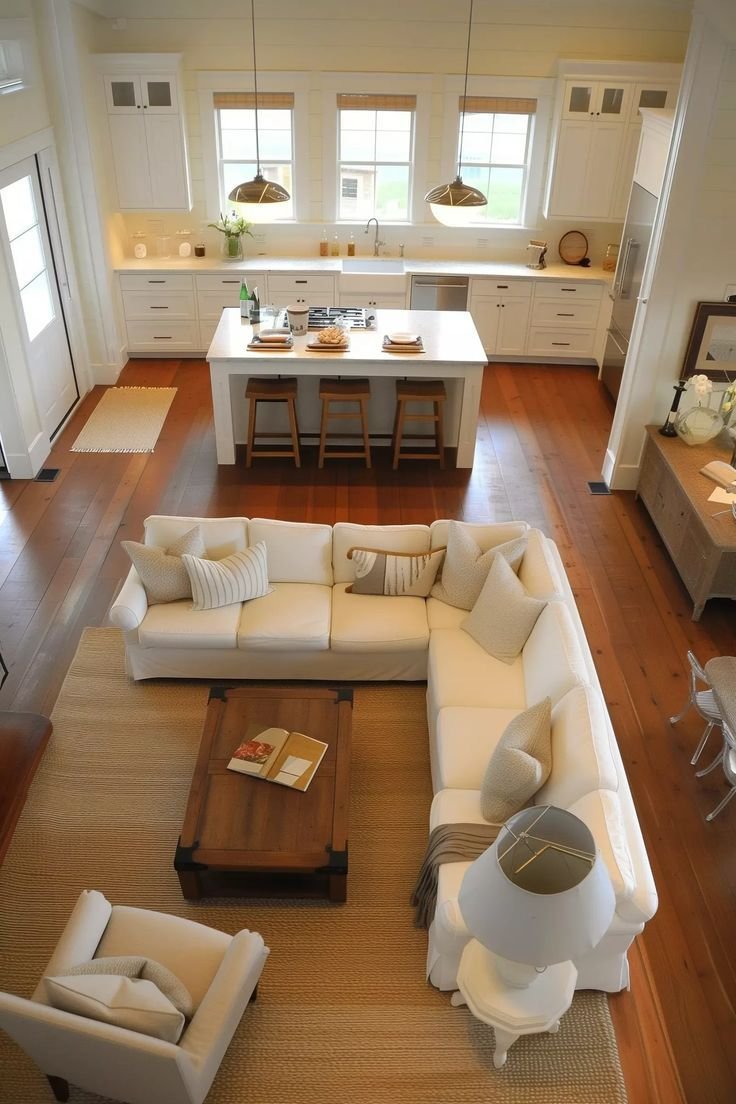
Understanding Your Vision
Transforming your house into your dream home begins with a clear understanding of what that dream truly means to you. It is essential to define your personal vision, which encompasses not just the aesthetic appeal but also how the space functions to support your lifestyle. Start this process by creating a vision board that visually represents your ideas. This could include images of interior designs, color schemes, and landscaping options that resonate with you. A vision board serves as a powerful tool to clarify your preferences and aspirations.
Next, compile a list of desired features that your dream home must have. Consider elements such as the number of bedrooms, kitchen style, outdoor spaces, storage solutions, and energy-efficient systems. This list will act as a foundation upon which your transformation plans will be built, ensuring that each feature aligns with your vision. It is equally important to reflect on your personal style and how this aligns with functional needs. For instance, if you enjoy entertaining guests, an open-concept layout might be essential, or if you have a growing family, ample storage and play areas could be priorities.
In the pursuit of your dream home, remember that it is about harmonizing aesthetics with functionality. Each decision should enhance not only the beauty of your space but also its practicality. The integration of personal style with your functional needs will set the stage for a successful transformation, allowing you to create an environment that feels reflective of who you are and supports your daily life. By taking the time to establish clarity in your vision, you will set a solid groundwork for the journey ahead, ensuring that every step aligns with the ultimate goal of crafting your ideal living space.
Budgeting for Your Dream Home
Transforming your house into your dream home involves strategic planning and a well-structured budget. The first step in this financial journey is to determine a realistic budget that aligns with your vision and financial capabilities. Start by assessing your current financial situation, including income, savings, and any existing debts. This will provide a clear picture of how much you can allocate towards home renovations or decor without compromising your financial stability.
Next, prioritize your spending by making a list of the renovations and improvements that matter most to you. Consider which areas of your home are in dire need of a makeover and which aspects would bring you the most joy or functionality. For instance, focus on essential upgrades such as kitchen and bathroom renovations or energy-efficient improvements that can save money in the long run. Lifestyle enhancements, like aesthetic changes in decor or outdoor spaces, can follow after foundational projects are completed.
It is also wise to explore various options for financing your home improvement projects. This could range from personal savings or home equity loans to professional financing options like renovation loans or credit lines. Research the terms and interest rates of different financing methods, and choose one that is most suitable for your budget and repayment ability. Remember to account for potential hidden costs associated with renovations, such as permits or unexpected repairs, as these can impact the overall expenditure.
Ultimately, a thoughtful budget not only helps in managing the financial aspect of your home transformation but also ensures that you maintain control over your spending, making the process smoother and more enjoyable. With careful planning and prioritization, you can successfully secure the funds necessary to create the dream home you’ve always envisioned.
Decluttering and Organizing
Transforming your house into a dream home begins with decluttering and organizing your living spaces. A tidy environment not only enhances the aesthetic appeal of a home but also contributes positively to mental well-being. Research has shown that an organized space can reduce stress and increase productivity, making it essential to implement effective decluttering strategies.
To embark on the decluttering journey, start by examining each room systematically. It’s advisable to tackle one space at a time to avoid feeling overwhelmed. Begin with small areas, like a drawer or a closet, and gradually work your way through larger rooms. Use the “four-box” method: keep, donate, throw away, and relocate. This method promotes mindful decision-making about each item in your home, minimizing unnecessary possessions and helping you focus on keeping only what is truly essential.
A vital aspect of decluttering is recognizing the psychological benefits of a tidy home. Studies indicate that clutter can lead to feelings of anxiety and distraction. A clean and organized living environment fosters tranquility and allows individuals to concentrate on more pressing tasks. By creating an atmosphere conducive to relaxation and focus, you can significantly enhance your quality of life.
Furthermore, functional storage solutions play a critical role in maintaining an organized space. Consider investing in multifunctional furniture, such as storage ottomans or shelves that double as decorative pieces. Utilizing storage bins or baskets can also help segments various items into manageable categories, making it easier to find and access belongings when needed. The key is to ensure that each item has its designated place, which will contribute to the overall harmony of your dream home.
Choosing a Color Palette
Selecting a cohesive color palette for your home is a fundamental step in transforming your house into your dream home. The right colors can significantly enhance the overall aesthetic and create a harmonious atmosphere throughout your living spaces. The key is to reflect your personal style while keeping in mind the mood you wish to evoke in each room.
Begin by considering the emotions associated with specific colors. For instance, blues and greens often impart tranquility and relaxation, making them ideal for bedrooms or bathrooms. In contrast, warmer tones like reds and oranges can invigorate spaces such as kitchens and dining areas. By understanding the psychological effects of colors, you can create an environment that resonates with your preferences and lifestyle.
Next, take stock of your existing furniture and decor. A well-chosen color palette should complement these elements rather than clash with them. If your furniture boasts intricate patterns or bold colors, opt for more muted shades in the walls to create balance. Alternatively, if your furniture is neutral, you may have the freedom to experiment with bolder hues to achieve a striking contrast. Swatches and samples can be invaluable during this process, allowing you to visualize how different colors interact with your furnishings in various lighting conditions.
When it comes to paint choices, consider using three or four colors to establish a cohesive flow throughout your home. A dominant color can serve as the base, while secondary colors can be used for accents in different rooms or architectural features. This strategy not only provides visual unity but also guides the eye through your spaces. Remember that lighting plays a critical role in how colors appear, so test samples under different conditions before making your final decision.
In conclusion, choosing the right color palette is essential for creating a cohesive and inviting home. By considering your personal style, the emotions elicited by colors, and the existing furnishings, you can craft a beautifully curated space that highlights your individuality.
Furniture and Layout Redesign
Redesigning the furniture layout in your home can significantly enhance both the aesthetic appeal and functionality of your space. By carefully selecting furniture pieces and arranging them thoughtfully, you can create inviting environments that cater to your lifestyle needs. The process starts with understanding the flow of the room; clear pathways and well-defined zones are essential for practical use.
Begin by assessing the purpose of each room. A living area designed for entertainment should prioritize comfortable seating arrangements that encourage conversation, whereas a workspace should facilitate focus and efficiency. Consider investing in multi-functional furniture, such as ottomans with storage, extendable dining tables, or modular sofas, to maximize utility without compromising style.
When choosing furniture, it is essential to keep the desired aesthetic in mind. Pay attention to colors, textures, and shapes that complement the overall theme of your home. For instance, a minimalist space benefits from sleek, simple designs, while a more eclectic room can embrace bold, character-filled pieces. Furthermore, consider the size of furniture in proportion to the room; oversized items can overwhelm a small space, while tiny pieces may look lost in a larger area.
After selecting the right furniture, think about the layout. Try various configurations to see what feels most comfortable and functional. Placing seating in a circle or U-shape can foster conversation, while keeping furniture away from walkways can improve flow. Additionally, don’t forget to incorporate elements like rugs and lighting to define spaces further and enhance warmth.
Ultimately, the goal of your furniture and layout redesign should be to create an environment that reflects your style while ensuring functionality. This thoughtful approach not only transforms the way a room looks but also enriches the experience it offers to you and your guests.
Incorporating Personal Touches
Transforming a house into a dream home requires more than just aesthetic upgrades; it necessitates infusing personal touches that reflect individual personality and experiences. Personalization is key to making any living space feel warm and inviting. By integrating elements that tell your unique story, you can create a space that resonates with comfort and familiarity.
One effective way to achieve personalization is through the display of personal art. Whether it is a painting created by a loved one or photographs of significant moments captured during travels, art can evoke emotions and memories. An arrangement of framed pictures on a gallery wall or a singular standout piece can act as a focal point, showcasing cherished moments that represent your journey.
Moreover, family heirlooms hold sentimental value and can serve as great conversation starters. Integrating items passed down through generations, such as vintage furniture or decorative pieces, not only adds character to your home but can also imbue it with a sense of history. These objects carry stories that connect the present with the past, enriching the overall ambiance of your living space.
Travel mementos can also enhance personalization in your home. Souvenirs from different places visited, whether it be a handcrafted item from a local market or a unique piece of art, can help create a worldly atmosphere. By displaying travel keepsakes strategically in your living area, you can reflect your adventures and aspirations, turning your home into a visual narrative of your experiences.
In conclusion, incorporating personal touches through artwork, heirlooms, and travel mementos transforms a house into a home filled with warmth and individuality. These elements not only enhance the aesthetic value but also create an emotional connection with the space, making it truly your own.
Enhancing Outdoor Spaces
Transforming outdoor spaces into dream-like settings is a rewarding endeavor that can significantly enhance both the aesthetic appeal and functionality of your home. The first step towards achieving this transformation is landscaping. Start by assessing the available space and considering the natural features that you would like to emphasize. Incorporating a variety of plants that bloom in different seasons can create a dynamic, colorful environment. Consider native plants, as they typically require less maintenance and thrive well in local conditions.
Creating dedicated seating areas can also elevate your outdoor experience. Patios, decks, or even simple seating arrangements with comfortable furniture can serve as focal points for relaxation or social gatherings. Think about integrating elements such as pergolas or shade sails to allow for comfortable lounging during sunny afternoons. In addition, outdoor cushions and throws can add warmth and style to these spaces, encouraging you to spend more time outside.
Lighting is another essential element for enhancing outdoor living spaces. Strategically placed outdoor lights can significantly change the atmosphere after sunset. Options such as string lights or lanterns can create a cozy ambiance, perfect for evening gatherings or quiet nights under the stars. Additionally, solar-powered lights can be an energy-efficient solution that requires minimal maintenance.
Lastly, consider incorporating decorative features like water fountains, fire pits, or garden sculptures to personalize your outdoor areas. These elements not only contribute to the overall aesthetic but can also serve as conversation starters. By thoughtfully combining landscaping, seating, lighting, and unique features, you can create an outdoor sanctuary that complements your home and reflects your personal style.
Smart Home Technologies
The advent of smart home technologies marks a significant shift in how individuals manage their living spaces, enhancing both convenience and efficiency. By integrating various devices within the home, residents can achieve improved functionality, bolstered security, and optimized energy management. This technology is not only a luxury but has increasingly become a practical solution for modern households.
At the core of smart home integration are devices such as smart thermostats, lighting systems, and security cameras. Smart thermostats allow homeowners to remotely control heating and cooling systems through mobile apps, leading to significant energy savings over time. The convenience of adjusting the home’s temperature from anywhere enhances comfort while promoting efficiency.
Moreover, smart lighting systems enable users to automate lighting schedules, control them remotely, and adjust dimness through voice commands or smartphone applications. This not only allows for personalized ambiance but also contributes to energy conservation by ensuring that lights are turned off when they are not needed.
Security is another vital aspect benefitting from smart home technologies. Smart cameras and doorbell systems provide real-time video surveillance and alert homeowners of any unusual activity. Integration with mobile devices ensures that users remain informed about their home’s security status, even when away. Additionally, smart locks provide convenient access control, allowing users to grant entry remotely and monitor who enters and exits the premises.
Energy management is further enhanced by devices that enable monitoring and controlling electricity usage. Smart plugs and energy monitors provide insights into energy consumption patterns, encouraging more sustainable habits. This not only leads to reduced utility bills but also supports environmentally friendly practices.
Maintaining Your Dream Home
Owning a home symbolizes a personal achievement and turning that house into a dream home often requires consistent and diligent maintenance. Regular upkeep ensures that the aesthetics and functionalities of your home remain intact over the years. Developing a systematic approach to home maintenance not only prolongs the life of your home but also preserves its value. A well-maintained dream home can greatly enhance your quality of living as well.
To facilitate effective maintenance, creating a routine checklist can be immensely beneficial. This checklist should ideally include monthly tasks such as checking smoke detectors, replacing air filters, and inspecting plumbing for leaks. Additionally, scheduling seasonal upkeep tasks can help address specific needs throughout the year. For instance, in the fall, it is prudent to clean gutters and downspouts to prepare for winter’s heavy rains.
Another vital aspect of maintaining your dream home is keeping track of its repair needs. Promptly addressing issues like roof leaks, cracks in the foundation, or malfunctioning appliances can save you from costly repairs in the future. It is wise to prioritize preventive measures—such as sealing windows and doors before the winter or performing routine HVAC maintenance—to avert more significant problems down the line.
Furthermore, paying attention to the exterior of your home cannot be overstated. Regular painting, cleaning of siding, and upkeep of landscaping contribute not only to curb appeal but also to the longevity of structural materials. In addition, ensuring that outdoor spaces are well-maintained sets a positive tone and enhances the relaxation aspect of your dream home.
By staying proactive in home maintenance, homeowners can effectively transform a house into a dream home that stands the test of time. Dedication to these maintenance strategies not only safeguards your investment but also ensures that your living environment remains comfortable, aesthetically pleasing, and functional.