


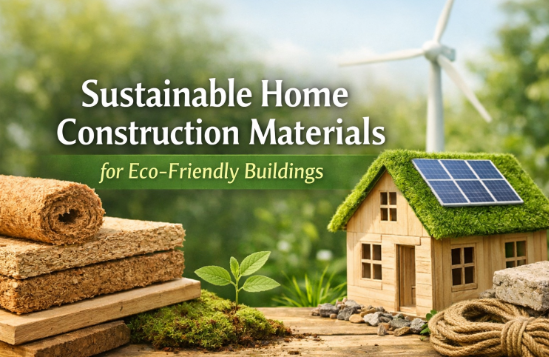
Introduction to Sustainable Construction Materials
The incorporation of sustainable construction materials is a pivotal aspect of modern eco-friendly building practices. Sustainable construction materials are those that are produced using processes and resources that minimize their environmental impact, maximizing efficiency and longevity. By utilizing these materials, builders and architects can significantly contribute to reducing the ecological footprint associated with the construction industry. The need for sustainability arises from the pressing environmental challenges we face today, including climate change, resource depletion, and pollution, which have been exacerbated by traditional construction methods.
These eco-friendly building materials can come from renewable sources, such as bamboo or reclaimed wood, or can be produced in a manner that reduces waste and supports energy conservation. The use of such materials helps in promoting a circular economy within the construction sector, ensuring that materials are reused or recycled rather than discarded. In addition, sustainable construction materials often provide better thermal performance, contributing to energy efficiency in buildings. This dual benefit of resource conservation and performance enhancement demonstrates their critical importance in fostering sustainable building practices.
Moreover, the adoption of these materials can lead to improved indoor air quality and overall health for building occupants, as many sustainable options are less toxic and more environmentally friendly compared to conventional counterparts. The shift towards sustainable construction materials is not just a trend but a necessary evolution in response to growing environmental awareness and the need for responsible resource management.
Benefits of Using Sustainable Materials
Incorporating sustainable materials in construction projects offers numerous advantages that significantly contribute to environmental, economic, and social well-being. Firstly, sustainable materials are often more energy-efficient, which can lead to reduced operational costs over the lifespan of a building. The utilization of materials such as bamboo and recycled steel not only lowers energy consumption during the manufacturing process but also enhances the energy performance of structures through better insulation and thermal regulation.
Secondly, the carbon footprint associated with construction can be substantially minimized by opting for materials that are locally sourced or have a lower environmental impact. For example, using reclaimed wood or natural stone reduces the need for energy-intensive transportation and extraction processes, thereby contributing to lower greenhouse gas emissions. A study from the Environmental Protection Agency highlights that green building practices can reduce carbon emissions by 30% to 70% compared to traditional construction methods.
Durability is another compelling reason to choose sustainable materials. Many eco-friendly options are designed to last longer and withstand environmental stressors more effectively than conventional materials. For instance, fiber cement siding, derived from sustainable sources, has been shown to resist corrosion and shrinkage, resulting in lower maintenance costs and prolonged material life. Moreover, this durability contributes to the overall sustainability of a building since it reduces the frequency of replacements.
Lastly, the health benefits associated with sustainable materials cannot be overlooked. Materials that minimize volatile organic compounds (VOCs) and other harmful emissions contribute to healthier indoor air quality. Recent case studies indicate that utilizing low-VOC paints and finishes can significantly improve occupants’ health, thereby fostering a safer living environment. In sum, the advantages of using sustainable materials are multifaceted, making them an essential consideration for modern construction practices.
Types of Sustainable Materials
In the realm of sustainable home construction, the selection of materials plays a pivotal role in promoting eco-friendly buildings. These materials can be broadly categorized into three distinct groups: renewable resources, non-toxic materials, and recycled materials. Each set offers unique advantages that contribute to reducing the environmental impact of construction activities.
Renewable resources include materials that can be replenished naturally within a short time frame. A prime example is bamboo, which grows rapidly and can be harvested every three to five years. This versatility makes bamboo an excellent choice for flooring, cabinetry, and structural applications. Another popular option in this category is reclaimed wood, salvaged from old buildings or furniture. By repurposing this wood, builders can minimize deforestation while adding character and aesthetic appeal to new constructions.
Next, we have non-toxic materials, essential for ensuring a healthy indoor environment. Low-VOC (volatile organic compounds) paints are a prominent choice, as they significantly decrease the emission of harmful chemicals that can affect indoor air quality. Additionally, natural insulation materials like wool, cotton, or cellulose from recycled paper provide excellent thermal properties without the toxicities associated with conventional insulation products.
Lastly, the category of recycled materials includes a myriad of substances that have been processed and repurposed for new construction purposes. For instance, recycled concrete can be used as aggregate in new concrete mixes, while reclaimed bricks can serve as a durable and environmentally friendly building material. Furthermore, glass can also be recycled into new products, maximizing resource efficiency in construction projects.
By integrating these types of sustainable materials, construction practices can effectively mitigate environmental impacts while promoting a healthier living environment.
Innovative Sustainable Building Materials
The construction industry is experiencing a significant transformation as innovative sustainable building materials gain traction, focusing on reducing environmental impact while enhancing efficiency. One such material is hempcrete, a composite made from hemp hurds and lime. This material showcases remarkable insulation properties and carbon-negative characteristics, as hemp plants absorb carbon dioxide during their growth cycle. Utilizing hempcrete not only provides thermal efficiency but also diminishes reliance on traditional concrete, which is known for its high carbon footprint.
Another cutting-edge development in sustainable materials is the emergence of mycelium-based products. Mycelium, the root structure of fungi, can be cultivated to create strong, lightweight building materials that are fully biodegradable. These mycelium bricks are produced by combining agricultural waste with fungal spores, a process that results in a sustainable alternative to conventional insulation and structural materials. Furthermore, mycelium’s natural resistance to pests and its ability to regulate humidity within buildings make it an appealing choice for eco-conscious architects and builders.
Additionally, the field of bio-based composites is advancing rapidly, blending natural fibers with polymer matrices to create high-performance materials capable of fulfilling various construction roles. These composites can incorporate materials such as bamboo, flax, or recycled plastics, contributing to the reduction of fossil fuel dependency and waste generation. The versatility of bio-based composites allows for applications ranging from structural components to interior finishing, promoting sustainability in diverse aspects of building design.
As the industry continues to innovate, integrating these avant-garde materials presents a multitude of opportunities for constructing eco-friendly buildings. Advancements in sustainable technologies not only highlight the potential for eco-conscious designs but also signal a shift toward a more sustainable future in the construction sector.
Choosing Sustainable Materials for Your Construction Project
When embarking on a sustainable construction project, the selection of materials plays a pivotal role. Sustainable building materials contribute not only to the structure’s longevity but also to environmental conservation. One of the primary considerations during this selection process is the presence of environmental certifications such as the Leadership in Energy and Environmental Design (LEED) certification. Materials that are LEED certified have been evaluated against stringent guidelines that emphasize energy efficiency, reduced resource consumption, and minimized environmental impact.
Cost is another significant factor to weigh when choosing sustainable materials. While some eco-friendly options may have a higher upfront cost, the long-term savings from reduced energy consumption and maintenance can often justify this initial investment. Therefore, it is essential for builders to perform a comprehensive cost analysis that encompasses both initial and lifecycle costs. This analysis allows for a more informed decision, balancing immediate budgetary constraints with future savings and sustainability impacts.
Additionally, sourcing local materials should be a priority. Using locally produced materials minimizes transportation emissions and often supports the local economy. Local suppliers may also provide insights on the sustainability levels of their products, allowing builders to make informed choices. Understanding the lifecycle impacts of materials is crucial; builders should consider the extraction, manufacturing, transportation, and disposal stages of each material. Opting for materials that are renewably sourced, recyclable, or biodegradable can further enhance the sustainability of the construction project.
Ultimately, the goal of selecting sustainable materials is to create buildings that not only meet functional and aesthetic needs but also contribute positively to the environment. By weighing certification, costs, local sourcing, and lifecycle impacts, builders can make effective decisions that promote sustainability in their construction projects.
Case Studies of Eco-Friendly Buildings
In recent years, an increasing number of constructions have emerged as exemplars of sustainability, showcasing innovative approaches in utilizing eco-friendly materials. One prominent example is the Bosco Verticale (Vertical Forest) in Milan, Italy. Completed in 2014, this residential project incorporates over 9,000 trees and numerous shrubs and plants. The use of lightweight, sustainable concrete with low carbon emissions drastically reduces the building’s ecological footprint. Moreover, the vegetation contributes to improved air quality and biodiversity in an urban setting, creating a significant ecological impact.
Another notable case is the Eden Project in Cornwall, UK. This indoor rainforest consists of geodesic domes constructed from recyclable materials such as aluminum and ETFE (ethylene tetrafluoroethylene). The structure utilizes passive solar heating and collects rainwater for irrigation purposes. Furthermore, the building harmonizes with the environment by promoting sustainable practices and showcasing how human innovation can coexist with nature.
Transitioning to residential constructions, the BONE Structure in Canada is a striking example of utilizing steel and wood composite materials for creating high-performance homes. BONE Structure homes are prefabricated, which reduces waste and construction time, allowing for customizable designs that cater to energy efficiency. The incorporation of advanced insulation techniques and renewable energy solutions such as solar panels further enhances the environmental benefits of these homes.
Lastly, the Bullitt Center in Seattle, USA, often termed the “greenest commercial building in the world,” illustrates the remarkable potential of sustainably constructed spaces. Designed with a focus on regenerative energy systems, it features a rainwater harvesting system, composting toilets, and is built primarily from sustainably sourced materials. Each case study illustrates a commitment to reducing carbon emissions, optimizing energy use, and promoting a sustainable lifestyle through thoughtful design and innovative materials.
Challenges in Sourcing Sustainable Materials
The increasing demand for sustainable home construction materials has led many builders and architects to seek eco-friendly options for their projects. However, sourcing these materials presents a range of challenges that can complicate the construction process.
One of the most significant obstacles is the availability of sustainable materials. While the market has seen a rise in the production of eco-friendly products, these materials are not always readily available in every region. Builders may find themselves limited to local suppliers who may not offer a wide selection of sustainable options. This geographical disparity can result in project delays and increased logistics costs, making the use of sustainable materials less feasible.
Cost is another critical factor influencing the sourcing of sustainable materials. Eco-friendly alternatives often come at a premium price compared to conventional building materials. This elevated cost can deter builders from incorporating sustainable resources, particularly in budget-sensitive projects or regions susceptible to economic fluctuations. Moreover, misunderstandings about the long-term savings and durability of sustainable materials can further amplify these concerns.
Additionally, misconceptions surrounding the quality of sustainable materials can undermine their adoption. Some builders may perceive eco-friendly products as inferior or less durable than their traditional counterparts. Ensuring that sustainable materials meet or exceed industry standards is crucial for changing these perceptions and establishing trust among builders and clients. Quality assurance and proper certification can play significant roles in alleviating such concerns.
In light of these challenges, it is essential for builders and architects to remain informed about industry trends and innovations in sustainable construction materials. By fostering relationships with reputable suppliers and focusing on educating stakeholders about the benefits and viability of sustainable choices, the sourcing process can become more efficient and effective.
Future Trends in Sustainable Construction Materials
The landscape of sustainable construction materials is evolving rapidly, driven by innovations in technology, materials science, and a growing emphasis on environmental regulations. The future of eco-friendly building will likely be characterized by an array of advanced materials designed to enhance energy efficiency and minimize waste. One of the most promising developments is the rise of bio-based materials, such as mycelium or hempcrete, which not only serve as excellent insulators but are also biodegradable, further reducing the ecological footprint of construction.
Additionally, advancements in nanotechnology are expected to revolutionize the properties of traditional building materials. Nanomaterials can improve the strength, durability, and insulation properties of concrete and wood products. This means that structures can be built with less material while ensuring longevity and reduced maintenance costs. The introduction of self-healing concrete, which can repair itself when cracks occur, exemplifies this trend towards enhancing building longevity and functionality.
Regulatory frameworks are also adapting to encourage the adoption of sustainable materials. Governments worldwide are increasingly implementing stricter building codes that favor sustainability. These regulations promote the use of recycled materials, ensuring that construction processes become less reliant on virgin resources. Emerging certifications, such as the Living Building Challenge, are further motivating builders to utilize environmentally responsible materials by setting a high standard for energy and resource use.
As public awareness of environmental issues continues to grow, market demand for sustainable construction materials is expected to rise. With an increasing number of architects and builders prioritizing eco-friendly practices, the future of sustainable construction is not only bright but pivotal in facilitating the transition towards more sustainable societies.
Conclusion and Call to Action
In the realm of modern architecture and construction, the importance of incorporating sustainable construction materials cannot be overstated. Utilizing eco-friendly building materials is not merely a trend; it is a vital necessity in our fight against climate change and environmental degradation. These materials, ranging from recycled steel to bamboo, not only contribute to reducing the carbon footprint of new buildings but also promote resource conservation and energy efficiency.
When planning a construction project, be it a new home or a renovation, it is crucial for individuals and organizations to research and consider their options regarding sustainable materials. By opting for eco-friendly alternatives, builders can significantly minimize waste and pollution. The integration of green materials reflects a commitment to sustainability that resonates well with eco-conscious consumers, potentially increasing property value while supporting a healthier planet.
Furthermore, advocating for sustainability goes beyond personal construction choices. Communities can enhance awareness by promoting local initiatives that encourage the adoption of sustainable practices. This could include workshops on sustainable building, creating resource-sharing platforms, or establishing incentives for the use of green materials. Individuals can amplify this movement by participating in community discussions and decisions regarding development policies that prioritize environmental responsibility.
In essence, the shift towards sustainable home construction materials is imperative for fostering a more viable environment. By making informed choices during the construction process and influencing community policies, we collectively contribute to a sustainable future. Embrace the change and advocate for eco-friendly solutions in your upcoming projects, not just for the benefit of personal gain, but for the greater good of our planet.