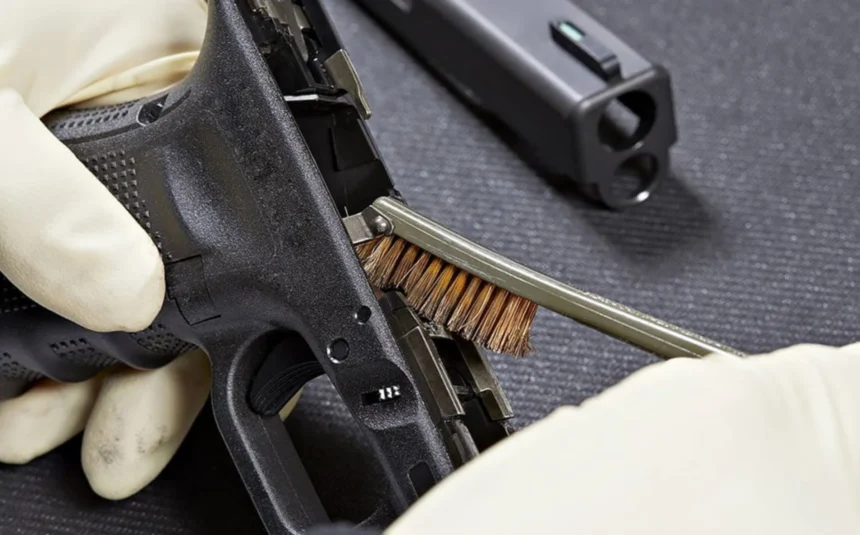
Cleaning is one of those range topics where every shooter has an opinion and nobody agrees. One guy scrubs his barrel after every outing. The next runs a few hundred rounds through his and doesn’t touch a brush until the gun starts choking on feeds. Neither of them is completely wrong, and neither
is completely right. There’s no universal schedule here. What a gun needs depends on how it’s shot, where, and with what ammo.
The Dangers of a Long Break in Barrel Maintenance
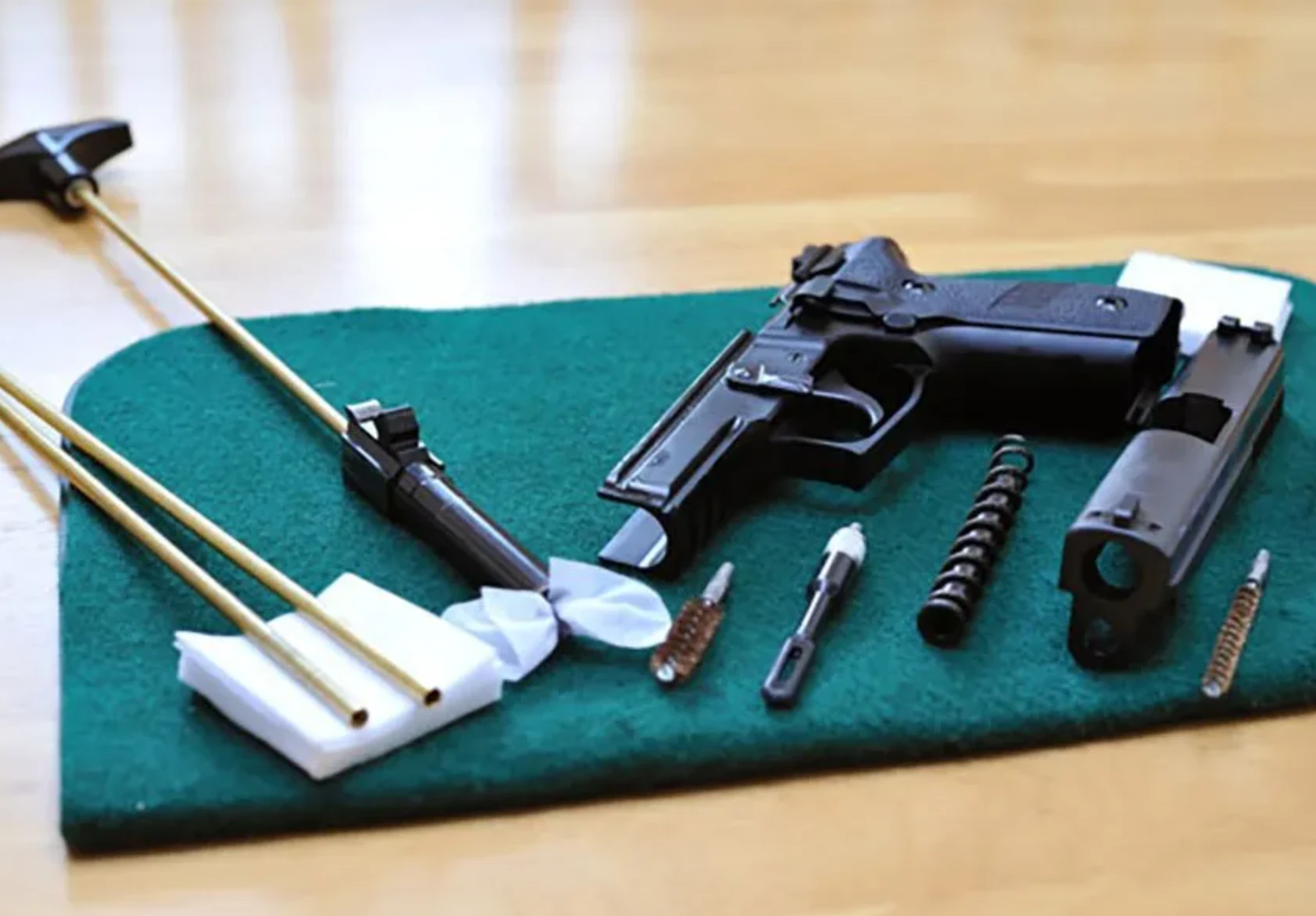
Dirt piles up slowly, and at first nobody notices. For a few hundred rounds carbon, copper and old lube barely get in the way, then groups start to open up and the bolt gets sluggish. Owners who put together their gun cleaning supplies ahead of time – a
brass rod, bore brushes, jags, cotton mops and patches in the right caliber – rarely let things get that far. With it all in one case, a cleaning takes twenty minutes, not an hour, and there’s less excuse to skip it. After a while it stops being a pre-season ritual and just turns into part of
shooting.
What Affects How Fast the Barrel and Mechanism Get Dirty
Most of the grime comes from the ammo. Cheap steel-cased stuff leaves a lot more carbon behind than decent match ammunition. Old military surplus with corrosive primers is worse still. The salts in its residue pull moisture from the air, and a bore can show rust in two or three days. Anyone who
shoots it cleans the gun that same evening, no excuses.
Then there’s the design of the gun. A direct impingement rifle vents gas right onto the bolt carrier, which is why the BCG gets filthy long before the barrel does. In a revolver, dirt accumulates on the cylinder face and around the forcing cone..22 LR cartridges with lead bullets leave a lot of
soot, and semi-automatic firearms chambered for this caliber start to malfunction sooner than others.
The third factor is weather and storage. Rain, dust, sea air, and sand accelerate wear and tear more than any amount of intensive firing. A shotgun or pistol brought in from the cold into a warm house becomes covered in condensation, and if it goes straight into a case, corrosion will start from
the inside.
Guidelines for Cleaning Frequency in Different Situations
The figures below are based on shooters’ experience and manufacturers’ recommendations. These are not strict rules, but rather a starting point to work from. The instructions for a specific model always take precedence over general advice:
-
Concealed-carry pistol: inspection and wipe-down once a week, plus a full cleaning once a month even without firing, because dust and lint from clothing can get into the mechanism.
-
Competition firearms: cleaning after every practice session or every 300–500 rounds fired.
-
Hunting shotgun: after every hunt, and after rain or snow – the same evening.
-
Precision rifle: based on group size, with no strict schedule.
-
Firearms in long-term storage: inspection every two to three months and fresh lubricant.
With precision rifles, the situation is the opposite of what most people expect. Many shooters leave the barrel alone as long as the groups remain tight, and after cleaning, they fire a few fouling shots to restore the rifle’s original accuracy. Overzealous maintenance here is just as harmful as
neglect.
When Cleaning Is Needed Right Now
Sometimes the firearm itself signals that it’s time to grab the bore brush. The bolt closes with resistance, spent cases eject sluggishly or get stuck, and bullets veer off the usual point of impact. Looking into the barrel against the light reveals dark streaks of carbon, and copper fouling may
appear near the muzzle. Rust spots on the metal are a sign to put everything else aside: rust is easier to remove on the first day than a week later.
How to Avoid Damaging a Gun During Maintenance
Careless cleaning also wears down the barrel. A steel rod inserted from the muzzle without a muzzle guard gradually damages the crown, which determines how the bullet exits the barrel. That is why the rod should be inserted from the breech and held straight. Harsh solvents must not be poured onto
the wooden stock or plastic parts.
The rule for oil is simple: less is more. A thick layer of lubricant collects dust and thickens in the cold, and oil left in the chamber increases pressure during firing. After cleaning, the barrel is wiped once with a dry patch, leaving a barely noticeable film on the metal.
How often a firearm needs maintenance depends on three things: the ammunition, the conditions in which it’s used, and how often it’s fired. Once these are clear, the owner quickly finds a suitable routine, and the firearm will serve for years without any unpleasant surprises.