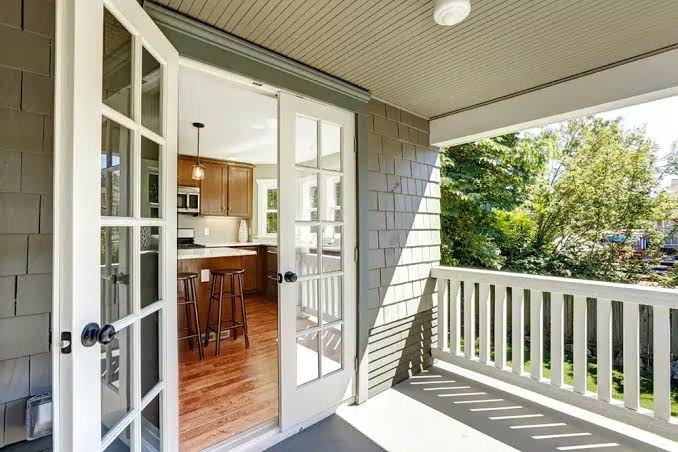
Daylight is a precious thing for a good chunk of the year in Glasgow, which is exactly why French doors have become such a popular choice for homeowners looking to brighten up a room. Whether it’s a period tenement conversion with a small back court, or a modern extension built with the garden in mind, a well-chosen set of French doors can genuinely change how a space feels.
This guide walks through the practical decisions involved in choosing French doors for a Glasgow property. You can choose from glazing or frame material, and security is also a consideration. Moreover, one should also look for what actually suits the local climate and housing stock.
What Are French Doors, and Why Choose Them?
French doors take their name from their French origins, where the design first became popular for exactly the reason it’s still chosen today: maximising the amount of light entering a room. Unlike a single door, French doors are a hinged pair that open from the centre, giving a wide, unobstructed view out and a genuinely open feel when they’re fully open.
The main appeal comes down to three things: natural light, a clear sightline to the garden or courtyard beyond, and a sense of openness that a standard door simply can’t match. They work particularly well in rooms where the connection to the outdoors matters, kitchens, dining rooms, and garden-facing extensions especially.
Glazing Options to Consider
Glazing is one of the first real decisions to make, and it affects both comfort and cost.
Double glazing is the standard choice for most homes and does a solid job of keeping heat in and noise out. Triple glazing goes a step further, adding extra insulation and a noticeable reduction in outside noise, which is worth considering if the property sits on a busier Glasgow street or is exposed to more wind and rain than most.
Beyond the number of panes, there’s also the question of clarity. Frosted or decorative glass is worth thinking about for ground-floor rooms where privacy matters, particularly if the doors face a shared back court or a neighbouring property at close range. Clear glazing, on the other hand, maximises the light and view, which suits a garden.
Working out the right balance between insulation, noise reduction and privacy isn’t always obvious from a catalogue alone, so it’s usually worth talking to Double Glazing Glasgow Installer who can walk you through which glazing combination actually suits your property, rather than guessing from general advice.
Frame Materials
The frame material shapes both the look and the day-to-day upkeep of the doors, and each option has a fairly distinct profile.
uPVC is the most common choice for good reason. It’s durable, needs very little maintenance, and tends to be the more budget-friendly option of the three. Modern uPVC also comes in wood-look finishes, so you don’t have to sacrifice a traditional appearance to get the practicality.
Aluminium frames look slimmer and more contemporary. The frames themselves are narrower for the same structural strength. Therefore, these are useful for modern houses where the homeowners want a cleaner, minimal look. It is more costly than the uPVC.
Slimline frames sit somewhere in between, designed specifically to maximise the glass area and let in as much light as possible without moving fully into aluminium territory. Whichever direction you’re leaning, it’s worth asking your installer directly about the sightline width, insulation performance, and expected lifespan of each option, since these details vary more between suppliers than people often expect.
Colour and Finish Options
Gone are the days of French doors coming in white or nothing else. Most suppliers now offer a proper range: classic white, black for a bolder, more contemporary look, wood-look finishes in oak or mahogany, and increasingly, custom colours to match a specific brick or render tone.
The finish matters more than it might seem. Wood-look finishes in particular tend to suit the sandstone tenements and period conversions common across Glasgow, giving the appearance of a traditional timber door without the maintenance timber actually demands. On a newer extension, a black or white frame often reads as the cleaner, more fitting choice.
Handles and Hardware
Hardware is not the most important part of the door, but it affects the overall look of the finished door. Moreover, as far as the handles are concerned, there are many options available, and they are an important part of the door too.
- Lever handles are the most common choice and offer straightforward, everyday operation.
- Traditional knob-style handles suit a period property looking to keep a more classic appearance.
- Modern pull handles are popular on contemporary extensions where the homeowner wants something sleek and aesthetic.
None of these choices affects performance meaningfully, so it largely comes down to matching the style of the property and the rest of the room.
Security Considerations
French doors have more glass and more hinge points than a standard door, which makes security a fair question to ask about before buying.
Multi-point locking systems are the standard to look for. Rather than a single lock doing all the work, the mechanism engages the frame at several points when locked, which spreads the load and makes forced entry significantly harder. Reinforced frames matter here too, since the frame itself needs to be strong enough to support the locking points without flexing.
It’s a reasonable question to put to any installer directly: what locking system is fitted as standard, and is the frame reinforced? A supplier who answers clearly and specifically is generally a good sign.
Are French Doors Right for a Glasgow Property?
A few practical things are worth checking before committing to French Doors Glasgow specifically.
Orientation matters more than people expect. South or west-facing doors will bring in noticeably more direct light through the day, which is worth factoring in if maximising daylight is the main goal. On a north-facing wall, French doors still bring in useful ambient light, just with less of the dramatic effect.
Property type plays a role too. Period tenement conversions often suit French doors particularly well, both aesthetically and in terms of how the original layout tends to work, while modern extensions have more flexibility to go bolder with frame material and colour.
Glasgow’s rainfall is also worth bearing in mind specifically. With as much rain as the city gets across the year, checking that drainage and seals are properly specified matters more here than it would in a drier part of the country. It’s a fair question to ask any installer: how the doors are sealed against driving rain, and what drainage is built into the frame at the bottom.
Frequently Asked Questions
How long does installation take?
Typically one to two days, depending on the complexity of the opening and whether any structural work is needed alongside the door itself.
Do French doors work on a north-facing room?
Yes, though the light will be more even and less direct than on a south- or west-facing wall. They still bring in considerably more daylight than a standard door.
Can French doors be fitted in an older tenement conversion?
In most cases, yes, though it’s worth checking with your local council if the property is listed or sits within a conservation area, since this can affect what’s permitted on the front or street-facing elevation.
Final Thoughts
Choosing the right French doors for a Glasgow home comes down to a handful of decisions: glazing that balances light, insulation and privacy, a frame material that suits your budget and the look of the property, and security features that give proper peace of mind. Colour and hardware are worth getting right too, since they’re what you’ll actually see and touch every day.
None of these decisions need to be made alone. Cost will depend on size and specification, so once you’ve got a sense of what you’re after, the most useful next step is a proper consultation with a local installer who can assess your property and talk through the options in person, rather than guessing from a brochure.