


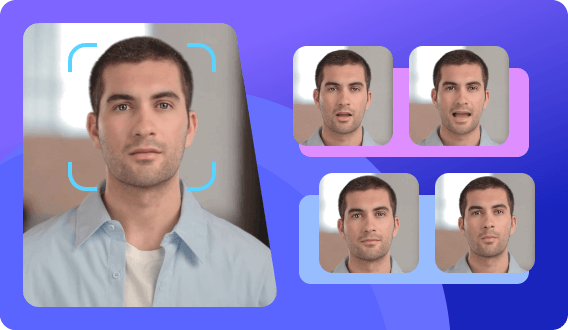
Artificial intelligence is changing the way people create videos and digital content. What once required cameras, recording equipment, and professional editing software can now be explored through simple AI-powered tools. One interesting development is the ability to turn ordinary photographs into animated characters that appear to speak or perform different expressions.
These technologies are becoming increasingly useful for social media creators, marketers, educators, and businesses. With features such as voice synchronization and facial animation, users can transform static images into more engaging visual experiences.
Understanding Lip Sync AI Technology
Lip synchronization is an important part of creating realistic speaking videos. Traditionally, editors had to adjust mouth movements manually to match recorded audio, which could take considerable time and technical knowledge.
A lip sync AI tool simplifies this process by using artificial intelligence to synchronize a character’s mouth movements with spoken words. Users can provide an image and audio recording, and the technology analyzes the speech to generate corresponding facial movements.
This can make a digital character appear as though it is naturally speaking. Depending on the platform, users may also be able to work with different voices, languages, and animation styles.
The technology has several practical applications. Content creators can use it for short videos, businesses can develop digital presenters, and educators can experiment with animated characters to explain different topics. It can also help people produce multilingual content without recording a separate video for every language.
What Is Talking Photo AI?
A talking photo AI tool takes the concept of image animation further by transforming a static portrait into a speaking video. Instead of recording someone in front of a camera, users can start with a suitable photograph and use AI to generate facial expressions and speaking movements.
The process generally begins with uploading a portrait. Users then provide audio or text, depending on the available features. The AI processes the input and creates an animated version of the photograph.
This technology can be particularly useful for people who want to create presentations or social media videos without appearing on camera themselves.
For example, a business could use a digital spokesperson to introduce a product, while a teacher might create an animated character to present educational information. Individual creators can also experiment with fictional characters and personalized video concepts.
For better results, it is generally helpful to choose a clear, front-facing photograph with visible facial features.
Exploring Vidnoz AI
Vidnoz AI is a platform that provides AI-powered tools for video and visual content creation. It offers features designed to make different creative tasks more accessible, including solutions for generating talking videos and working with digital presenters.
One of the advantages of platforms like Vidnoz is that they can reduce the technical effort involved in producing certain types of video content. Users do not necessarily need professional animation experience to experiment with AI-generated presentations.
The general workflow involves selecting suitable visual material, providing the required audio or text, and allowing the AI to process the content. Once the video is generated, users can review the result and decide whether it fits their intended purpose.
This approach can be useful for beginners who want to explore video creation without learning complicated editing software.
Practical Uses for Businesses and Creators
AI-generated talking videos can support several types of digital projects. Businesses can experiment with virtual presenters for product introductions, customer information, and promotional campaigns.
Social media creators can use animated portraits to develop entertaining posts, explain concepts, or create recurring digital characters. Educational content producers may also find these tools useful for presenting lessons in a more interactive format.
Another interesting application is multilingual communication. A digital presenter can potentially be adapted for different language audiences, depending on the platform’s available voice and synchronization features.
These possibilities can help creators develop different content formats while reducing the need for repeated camera recordings.
Tips for Better AI-Generated Videos
Although AI tools simplify video creation, the quality of the final result still depends on the material provided.
Start with a high-quality portrait that clearly shows the person’s face. Avoid photographs with heavy shadows, unusual angles, or objects covering important facial features.
When using recorded audio, choose a clear recording with minimal background noise. Natural speech and appropriate pacing can also contribute to better synchronization.
Finally, review the generated video before publishing it. AI animations may occasionally produce unusual expressions or imperfect mouth movements, so checking the final output is an important step.
Users should also obtain permission before animating photographs of other people, particularly when publishing videos publicly.
Final Thoughts
AI-powered animation is creating new opportunities for digital storytelling and communication. Lip synchronization can make digital characters appear to speak naturally, while talking-photo technology can transform ordinary portraits into engaging video presentations.
Vidnoz AI provides an accessible way to explore these creative possibilities through AI-powered video features. Whether you are a content creator, educator, marketer, or business owner, experimenting with these technologies can help you discover new ways to present information and create engaging digital content.