


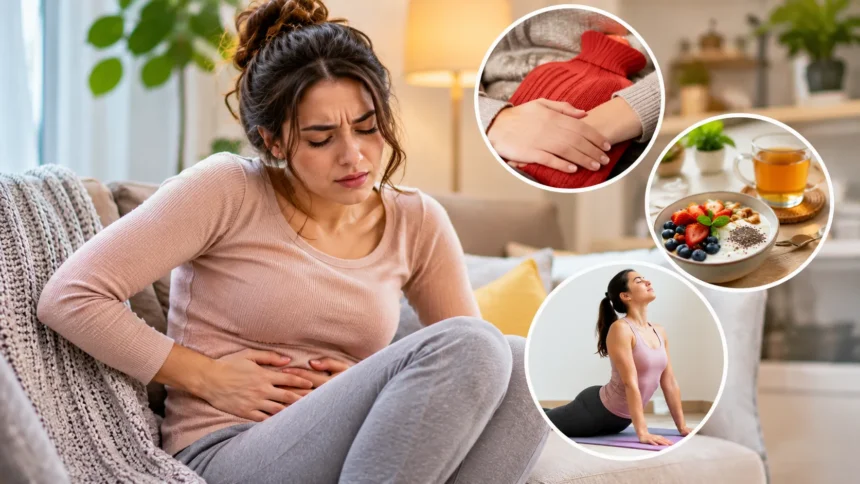
Period cramps are a common experience during menstruation, but the discomfort can vary from mild aching to pain that interferes with everyday activities. Some people experience lower abdominal cramps before their period begins, while others notice discomfort during the first few days of bleeding. The pain may also spread to the lower back or thighs, making normal routines more difficult.
If you are wondering how to reduce period cramps, several approaches may provide relief. Applying gentle heat, getting comfortable movement, practicing relaxation techniques, and using appropriate pain medication can help manage menstrual discomfort. However, severe or worsening cramps should not simply be accepted as a normal part of menstruation.
Understanding why period pain occurs can help you choose suitable ways to manage it. This guide explains the causes of menstrual cramps, practical home remedies, medical treatment options, and important warning signs that indicate when professional care is necessary.
What Are Period Cramps and Why Do They Happen?
Period cramps, medically known as dysmenorrhea, are painful sensations that occur before or during menstruation. They commonly affect the lower abdomen and may spread into the back or thighs. The discomfort can feel like dull aching, throbbing, or tightening. Some people experience mild symptoms, while others have cramps that interfere with school, work, or everyday activities.
Menstrual cramps occur partly because the uterus contracts to help release its lining during a period. These contractions are influenced by hormone-like substances called prostaglandins. Higher prostaglandin levels can cause stronger uterine contractions and greater discomfort. Temporary reductions in blood flow during contractions may also contribute to the pain experienced during menstruation.
The intensity of cramps can change from one menstrual cycle to another. Some people experience discomfort only during the first day, while others have symptoms for several days. Hormonal changes, individual pain sensitivity, and underlying medical conditions may influence the experience. Understanding these differences helps explain why menstrual pain varies considerably between individuals.
What Causes Severe Menstrual Cramps?
Primary dysmenorrhea refers to menstrual cramps that occur without an underlying pelvic disease. This type commonly begins during adolescence, often after menstrual cycles become more regular. Prostaglandins play an important role in producing the discomfort. Symptoms frequently begin shortly before bleeding or during the first days of menstruation.
Secondary dysmenorrhea describes menstrual pain associated with an underlying medical condition. Endometriosis, adenomyosis, uterine fibroids, and certain pelvic infections can contribute to this type of discomfort. The pain may become progressively worse or occur outside normal menstrual periods. Identifying the underlying condition is important because treatment may differ from ordinary cramp management.
Severe pain should not automatically be considered normal simply because menstruation commonly causes discomfort. Cramps that repeatedly interrupt daily activities, cause frequent absences, or fail to improve with usual treatment deserve medical evaluation. A healthcare professional can review symptoms and determine whether further investigation is necessary. Early assessment may help identify treatable causes.
Use Heat Therapy to Reduce Period Cramps
Applying gentle heat to the lower abdomen is one of the most accessible ways to manage menstrual discomfort. A warm heating pad or covered hot-water bottle may help relax tense muscles and reduce the sensation of cramping. Heat can also provide comfort when pain spreads toward the lower back. Research suggests that heat therapy may help relieve primary menstrual pain.
Place a comfortably warm heat source over the painful area while resting in a suitable position. Always follow the product’s safety instructions and avoid placing excessive heat directly against the skin. Using a protective fabric layer can help prevent irritation or burns. Do not fall asleep with an electrical heating device unless its instructions explicitly permit that use.
A warm shower or bath may provide similar comfort for some people. Warm water encourages relaxation and can make it easier to manage mild abdominal and back discomfort. However, heat therapy may not provide sufficient relief for everyone. If cramps remain severe or continue interfering with normal activities, additional treatment or medical advice may be necessary.
Try Gentle Movement and Comfortable Exercise
Gentle physical activity may help some people manage period cramps and improve their overall sense of well-being. Walking, comfortable stretching, or relaxed movement can provide a useful break from prolonged sitting. Research suggests regular exercise may reduce menstrual pain for some individuals. However, exercise does not provide guaranteed relief during every menstrual cycle.
Choose activities that match your energy level and current comfort. A short, relaxed walk may feel manageable on days when more demanding exercise seems uncomfortable. Gentle stretching can also help ease a feeling of tightness in the hips or lower back. There is no need to complete intense workouts while experiencing significant menstrual pain.
Rest is equally important when cramps are particularly uncomfortable. If movement makes the pain worse, stop and choose a more comfortable activity. Menstruation should not require pushing through severe discomfort to maintain an exercise routine. Finding a balance between enjoyable movement and recovery can help support well-being throughout the menstrual cycle.
Practice Relaxation and Breathing Techniques
Stress and physical tension can make painful experiences feel more difficult to manage. Although stress does not directly explain every case of menstrual cramping, relaxation may help reduce associated tension. Comfortable breathing exercises, quiet rest, and calming activities can support emotional well-being. These approaches may be especially useful when cramps interfere with concentration or sleep.
One simple relaxation method involves sitting or lying in a comfortable position and breathing gently. Allow your shoulders and abdominal muscles to relax without forcing deep or uncomfortable breaths. Focus on a slow, natural rhythm that feels manageable. This practice may help reduce general tension, although it does not directly stop uterine contractions.
Other calming activities may include listening to music, reading, or spending time in a peaceful environment. Some people also find guided relaxation or mindfulness exercises helpful for managing discomfort. These techniques should complement rather than replace effective medical treatment when needed. Severe period pain deserves attention even when relaxation provides temporary emotional comfort.
Consider Safe Pain Relief Options
Certain over-the-counter pain medications can be effective for menstrual cramps. Nonsteroidal anti-inflammatory drugs, commonly called NSAIDs, reduce the production of prostaglandins involved in uterine contractions. Examples include ibuprofen and naproxen. These medicines are commonly used for primary dysmenorrhea, but they are not suitable for everyone.
NSAIDs can cause side effects and may be inappropriate for people with certain kidney problems, stomach ulcers, bleeding disorders, or medication allergies. They may also interact with other medicines. Younger people should involve a parent, guardian, pharmacist, or healthcare professional when choosing suitable medication. Always follow the product instructions and avoid combining similar medicines without professional advice.
Paracetamol, also called acetaminophen, may provide relief for some people, although NSAIDs are generally more effective for typical menstrual cramps. No pain medication should be taken beyond its recommended instructions. If usual medicines do not provide adequate relief, seek medical advice rather than increasing the amount independently. A clinician can evaluate possible causes and discuss safer treatment options.
Eat Regular Meals and Stay Hydrated
Balanced nutrition supports overall health during menstruation and throughout the month. Eating regular meals that include fruits, vegetables, whole grains, protein, and other nutritious foods can help maintain normal energy levels. Although no particular food has been proven to eliminate period cramps, consistent nutrition supports general well-being. There is no need to follow a restrictive menstrual diet.
Drinking enough fluids is also important, especially when you feel tired or uncomfortable. Water and other suitable beverages help maintain normal hydration. Some people find warm drinks soothing during menstruation, although evidence that they directly reduce uterine cramps is limited. Drink according to your needs rather than forcing excessive amounts of water.
Foods containing iron may be particularly useful as part of a balanced diet because iron is lost through menstrual bleeding. Beans, lentils, leafy vegetables, and suitable animal-based foods can contribute to iron intake. People with heavy periods may need assessment for iron deficiency. Dietary changes and supplements should be discussed with a professional when a deficiency is suspected.
Improve Sleep and Rest During Your Period
Menstrual cramps can interfere with sleep, especially when discomfort develops during the evening or nighttime. Poor sleep may also make pain feel harder to manage the following day. Creating a comfortable sleeping environment can support recovery. Helpful habits include maintaining a regular bedtime and reducing unnecessary distractions before sleeping.
Some people prefer lying on their side with their knees comfortably bent when experiencing abdominal cramps. Others feel better resting on their back with a pillow supporting their legs. There is no single sleeping position that works for everyone. Choose an arrangement that reduces pressure and allows your body to relax naturally.
If menstrual pain regularly prevents adequate sleep, consider discussing treatment options with a healthcare professional. Repeated sleep disruption can affect concentration, mood, and daily functioning. Pain relief measures used appropriately before bedtime may help some people rest more comfortably. Persistent nighttime symptoms should not be dismissed as something everyone must tolerate.
Can Massage Help Relieve Period Cramps?
Gentle massage may provide temporary comfort when menstrual cramps involve abdominal or lower back tension. Light pressure and slow movements can encourage relaxation around uncomfortable areas. Some small studies suggest massage may help reduce menstrual pain, but the evidence remains limited. Results can vary depending on individual preferences and the techniques used.
If massage feels soothing, use gentle movements rather than applying strong pressure to the lower abdomen. Stop immediately if the activity increases discomfort or creates an unpleasant sensation. Massage should never involve painful manipulation or forceful pressure. A comfortable approach is more appropriate than trying to physically stop the uterine contractions responsible for cramps.
Lower back discomfort may also respond to light massage or other calming activities. However, massage cannot diagnose or treat conditions such as endometriosis or pelvic infections. If the pain is severe, unusual, or worsening, professional evaluation is important. Home comfort measures are most useful when they support a broader and appropriate pain management plan.
Understand Medical Treatments for Severe Period Pain
When home remedies and standard pain relief do not adequately control menstrual cramps, healthcare professionals may recommend additional treatments. The choice depends on symptom severity, medical history, and possible underlying conditions. A clinician may review the timing of pain, bleeding patterns, and response to previous treatments. This helps identify a suitable approach.
Hormonal treatments are sometimes prescribed to reduce menstrual pain by affecting ovulation or the uterine lining. These options may include certain oral contraceptives, hormonal patches, or other medically appropriate methods. Their suitability depends on individual circumstances and potential side effects. Such treatments require professional guidance and should not be started solely on the basis of general online advice.
If an underlying condition is identified, treatment may focus on that specific problem. For example, endometriosis-related pain may require a different management plan from primary dysmenorrhea. Some people benefit from specialist assessment when symptoms remain severe. Personalized medical care can improve symptom management while addressing conditions that ordinary home remedies cannot resolve.
Track Your Menstrual Symptoms and Pain Patterns
Keeping a menstrual symptom record can help you understand how cramps change throughout your cycle. Write down when bleeding begins, when pain appears, and how long the discomfort lasts. You can also record whether cramps affect sleep, school, work, or other activities. This information may reveal useful patterns over several cycles.
A simple notebook, calendar, or period tracking app can help organize these observations. You do not need to record every small sensation or constantly monitor your body. Focus on details that may help explain recurring difficulties. Recording which relief measures seem helpful can also support discussions about future symptom management.
Symptom tracking becomes particularly useful when consulting a healthcare professional about persistent menstrual pain. A record of changing symptoms may help distinguish typical cramps from possible underlying problems. It can also show whether current treatment is providing meaningful relief. However, do not delay seeking care for severe symptoms simply to collect more information.
When Should You Get Medical Help for Period Cramps?
Consult a healthcare professional if cramps repeatedly interfere with school, work, sleep, or normal daily activities. Severe period pain is not something you must simply endure. Medical advice is also appropriate when symptoms become progressively worse or do not improve with suitable pain relief. Early assessment can help identify underlying conditions.
Seek prompt medical attention for sudden, severe pelvic pain, especially when accompanied by fainting, fever, or repeated vomiting. Very heavy bleeding, such as soaking through menstrual products unusually quickly, also requires medical assessment. If pregnancy is possible, severe pelvic pain or bleeding needs urgent evaluation. These symptoms should not automatically be attributed to ordinary menstruation.
Pain occurring between periods, during bowel movements, or alongside unusual discharge may also require investigation. Tell the healthcare professional about your symptoms and any treatments already attempted. A medical appointment may involve questions, an examination when appropriate, or selected tests. The aim is to identify the cause and recommend treatment that improves comfort and daily functioning.
Conclusion
Learning how to reduce period cramps begins with understanding why menstrual pain happens and recognizing which symptoms are common. Prostaglandins contribute to uterine contractions that produce cramping during menstruation. Gentle heat, appropriate pain relief, comfortable movement, and relaxation may help reduce discomfort. However, individual responses vary, and no single approach works for everyone.
Maintaining balanced meals, adequate hydration, and comfortable sleep habits can support overall well-being during your period. Tracking symptoms may also help identify patterns and evaluate which relief methods are useful. These habits should remain flexible rather than becoming demanding routines. Managing menstrual discomfort involves listening to your body and using appropriate support.
Most importantly, severe or worsening menstrual cramps deserve medical attention. Persistent pain may sometimes be associated with conditions such as endometriosis or other pelvic problems. Early evaluation can help identify suitable treatments and prevent unnecessary disruption to everyday life. Effective period pain management should prioritize comfort, safety, and individual medical needs.
Frequently Asked Questions
What Is the Fastest Way to Relieve Period Cramps?
A comfortably warm heating pad may provide relatively quick relief for some people. Appropriate over-the-counter pain medication can also help, but its suitability depends on individual health and medication instructions.
Why Are My Period Cramps So Painful?
Strong uterine contractions influenced by prostaglandins can cause significant menstrual pain. Severe or worsening cramps may also be associated with conditions such as endometriosis, so recurring disruptive symptoms deserve medical evaluation.
Does Drinking Water Help Period Cramps?
Staying hydrated supports overall health and may help you feel more comfortable during menstruation. However, drinking extra water has not been proven to directly stop uterine cramps.
Can Exercise Reduce Menstrual Cramps?
Gentle movement and regular physical activity may reduce menstrual discomfort for some people. Walking or comfortable stretching can be useful, but rest is appropriate when pain makes movement difficult.
When Should I Worry About Period Cramps?
Seek medical advice when cramps consistently interrupt daily activities, become progressively worse, or do not improve with usual treatment. Sudden severe pain, fainting, fever, or unusually heavy bleeding requires prompt assessment.