A busy nightclub and a full fine-dining room can both look like machines for making money. Guests pay premium prices, alcohol appears to carry a large mark-up, and the most visible trading hours may be packed. The accounts often tell a less glamorous story. Rent, wages, equipment, licences, utilities, security, spoilage and marketing absorb revenue before the owner earns anything.
The more profitable choice depends on the business model rather than the label above the door. A nightclub can produce exceptional sales during a strong Friday or Saturday night, particularly when it sells entry tickets, cocktails, bottles and reserved tables to the same crowd. A fancy restaurant has more opportunities to trade throughout the week and may build a steadier base of regular diners, corporate bookings and celebrations. However, every service requires food preparation, skilled staff and close control of dozens of details.
Ease of management also needs a precise definition. A restaurant has more daily routines, but many of them can be documented and repeated. A nightclub may open for fewer hours, yet those hours concentrate crowd safety, alcohol service, cash control and reputational risk into one late-night shift. Neither business is easy. One offers greater upside and volatility; the other offers greater continuity and operational complexity.
1. Follow the Money from Opening Budget to Owner Profit
Startup cost begins with the building. An existing licensed venue with usable equipment can save an operator a substantial amount, while converting an unsuitable property can destroy the budget before the first customer arrives. Lease terms matter just as much as design. A low headline rent offers little protection if the tenant must fund structural work, extraction, soundproofing or major electrical upgrades.
A nightclub requires more than a bar and a dance floor. The owner may need acoustic treatment, professional sound and lighting, ventilation, fire detection, emergency lighting, CCTV, access control, toilets designed for heavy traffic and a secure area for cash and stock. Local authorities may require noise studies, capacity limits and specific closing procedures. A large launch campaign may also be necessary because an empty club has almost no appeal to arriving customers.
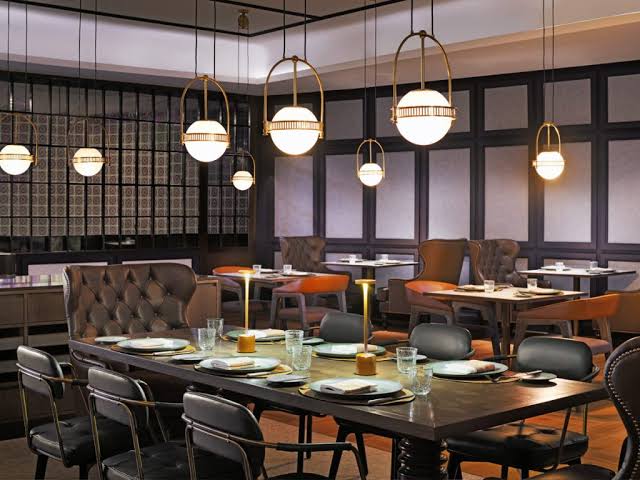
A fancy restaurant directs more of its investment towards production and service. A commercial kitchen needs extraction, refrigeration, cooking equipment, washing stations, storage and durable surfaces. The dining room needs lighting, tableware, linen, a point-of-sale system and restaurant furniture suited to the concept and expected service life. Fit-out decisions are easier with a reference point, which is why operators planning a premium seafood room benchmark against Truluck’s Rosemont before fixing their own bar-to-dining ratio. Wine storage, staff changing areas, accessible toilets and pre-opening training add further costs. Premium design can be expensive, but a kitchen built in the wrong sequence can cost even more to correct.
Working capital deserves the same attention as construction. Both businesses need enough cash to survive a slower opening period, unexpected repairs and delayed supplier payments. A club can lose a large part of its monthly forecast when two major nights underperform. A restaurant spends money on wages and ingredients before it knows how many covers will arrive. Owners who use every available pound on the fit-out leave the business exposed at the point when it most needs patience.
Nightclub revenue comes from several sources. Entry fees provide income before guests reach the bar. Standard drinks, cocktails, shots and premium bottles generate further sales. Reserved booths and bottle-service packages can increase spending per group, while cloakrooms, private hire, sponsored events and branded partnerships may add smaller streams. A strong club therefore earns several times from one visit.
Restaurant revenue follows a different pattern. Food usually brings customers through the door, while wine, cocktails, supplements and desserts increase the average bill. Tasting menus can improve forecasting because the kitchen knows what most guests will order. Private dining, corporate events, celebration packages and catering can fill quieter periods. Some restaurants also use lunch menus to introduce new guests, although a low-priced lunch can lose money if it requires nearly the same labour as dinner.
Alcohol gives nightclubs an important advantage. The liquid in a mixed drink may cost a small fraction of its selling price, and bartenders can serve many customers without preparing a separate cooked product for each one. The apparent margin is attractive, but it is not the final profit. Ice, garnishes, glassware, payment fees, bar staff, wastage, complimentary drinks and security all sit behind the sale.
Food carries a heavier direct cost and a shorter usable life. Fresh fish, meat, dairy products, herbs and prepared sauces can spoil if demand falls below forecast. Poor portion control quietly raises costs, while an overcomplicated menu requires more stock and more preparation. Menu engineering helps by measuring each dish’s popularity and contribution, not merely its percentage food cost. A relatively expensive ingredient can still support a strong profit if customers value the dish and the kitchen produces it consistently.
Restaurants have one structural revenue advantage: they can serve the same seat more than once. An early table may leave before a later booking arrives. Lunch and dinner provide separate selling periods, and private events can occupy otherwise weak times. Clubs usually depend on one continuous session. Once the venue reaches its safe capacity, revenue can grow only if the existing crowd spends more or the operator extends the trading period within licence conditions.
The comparison becomes clearer when both businesses face the same rent. Consider two simplified monthly examples in which each venue pays £20,000 for its premises. These figures illustrate the mechanics; they are not industry benchmarks.
| Monthly item | Nightclub example | Fancy restaurant example |
| Sales | £240,000 | £220,000 |
| Beverage or food and drink cost | £54,000 | £72,000 |
| Payroll | £52,000 | £70,000 |
| Rent | £20,000 | £20,000 |
| Marketing and entertainment | £34,000 | £10,000 |
| Security | £18,000 | £3,000 |
| Utilities, cleaning, insurance and repairs | £30,000 | £28,000 |
| Illustrative operating profit | £32,000 | £17,000 |
The nightclub wins this example because beverage costs remain relatively low and sales are strong. A different month could reverse the result. If sales fall by £60,000 after several weak weekends, many fixed expenses remain unchanged and most of the profit disappears. The restaurant’s lower illustrative profit may prove more stable if it has regular customers and bookings spread across the week.
Gross margin can therefore mislead an inexperienced owner. A club may make an excellent margin on each vodka and tonic but spend heavily to bring the buyer into the building. Promoter commissions, DJs, digital advertising and launch offers operate like customer-acquisition costs. A restaurant may have a lower product margin, yet established local demand can reduce the cost of filling seats.
Stock control affects both models. Clubs must track overpouring, complimentary drinks, theft and till errors through measured pours, restricted stores and regular reconciliation. Restaurants need recipe cards, portion controls and waste logs to expose spoilage, cooking mistakes and unrecorded staff meals.
At peak performance, the nightclub usually has a higher profit ceiling. It can collect admission revenue and sell high-margin drinks to hundreds of people within a few hours. The fancy restaurant normally has a broader trading base. Its profitability may be less spectacular, but breakfast, lunch, dinner, private dining and repeat visits can spread risk across more occasions.
2. Compare a Normal Week Behind the Scenes
A nightclub compresses much of its work into preparation and a few intense trading periods. Early in the week, management reviews the previous event, reconciles sales, counts stock and handles complaints or incident reports. The team then confirms performers, negotiates with promoters, prepares advertising, manages guest lists, orders beverages and checks technical equipment. Security plans must reflect ticket sales, the expected crowd and any history of trouble.
Opening night brings several management problems at once. Door staff must check age, tickets and prohibited items without creating an unsafe queue. Bar managers need enough staff and stock at each station. Security teams must monitor intoxication, harassment, drug use, blocked exits and aggressive behaviour. Technical staff must keep the sound and lighting running. One serious incident can involve the police, threaten the licence and dominate online discussion before the venue has closed.
Closing creates a second risk point. Hundreds of guests may leave at nearly the same time, often into a residential area with limited transport. Managers need procedures for dispersal, refused service, lost property, medical incidents and staff safety. Cash, tips and remaining stock require control when employees are tired and the working day has extended into the morning.
Promotion never fully stops. A nightclub sells the promise of a future atmosphere, not a product that customers can inspect beforehand. Its popularity depends on music, crowd mix, performers, social proof and the reputation of previous nights. A badly matched event can alienate regular customers even if it produces short-term sales. A fashionable competitor, a major concert, severe weather or a viral complaint can reduce attendance quickly.
A fancy restaurant distributes pressure across every day. The morning may begin with deliveries, quality checks and preparation. Managers review reservations, allergies, special requests and staffing. Chefs prepare sauces, butcher meat, portion ingredients and organise stations. Front-of-house staff set tables, check menus and attend a briefing on dishes, unavailable items, wine pairings and important guests.
Service depends on coordination. The host controls the flow of arrivals. Servers explain the menu and pass accurate information to the kitchen. Chefs time several courses across multiple tables, while the bar and sommelier support the meal without delaying it. Managers watch pacing, solve complaints and decide when to offer a replacement or remove an item from the bill. A small communication failure can affect several tables within minutes.
Closing adds cleaning, stock storage, waste records, cash control and purchasing to the working day. Premium diners also judge reservation handling, timing, menu knowledge, cleanliness and the response to mistakes. The team must repeat its standard when a senior employee is absent or a supplier fails.
Staffing creates difficulty in both businesses, but the roles differ. A club needs bartenders who can serve rapidly and accurately, door staff who remain calm under pressure, trained security personnel, cleaners, technicians and dependable supervisors. Demand may require a large team for only two or three nights, which can make recruitment and retention difficult. Late hours and stressful interactions increase turnover.
A fancy restaurant relies on chefs, kitchen porters, servers, hosts, bartenders, managers and, in some cases, sommeliers. Kitchen skill takes time to develop, and losing one senior chef can disrupt menus, purchasing and team discipline. Front-of-house employees need product knowledge and judgement, not simply politeness. They must read the pace of a table, explain ingredients and address dissatisfaction without making the exchange defensive.
Scheduling reveals the contrast. Clubs need concentrated labour when customers arrive, with little room to reduce staffing once an event begins. Restaurants employ people during preparation as well as service, so paid hours extend beyond the times shown on the booking system. A quiet dining room can still contain a full kitchen brigade because advance reservations suggested a busy evening.
Systems reduce dependency on individual judgement. Clubs can use digital ticketing, ID procedures, incident logs, camera coverage, measured pours, restricted stock access and sales reports by bar stations. Managers should compare attendance, average spend, labour and promotion cost for each event. Treating every night as a separate profit centre shows which promoters and formats genuinely contribute.
Restaurants can document recipes, yields, preparation quantities, cleaning duties, allergy procedures and service steps. Reservation software helps forecast covers, while kitchen display systems improve timing. Managers should compare sales, labour, food cost and waste by service. A weekly total can hide the fact that a popular lunch loses money or that one menu item creates disproportionate waste.
Delegation remains possible only when controls are visible. An owner who relies on personal presence to stop theft, resolve every complaint or approve every purchase has not built a manageable business. The aim is not to remove managers but to give them defined authority, accurate information and clear escalation rules.
The restaurant is usually easier to standardise because its core cycle repeats: purchase, prepare, serve, clean and review. That repetition does not make the work light. It makes problems easier to observe and procedures easier to refine. The nightclub has fewer weekly services, but demand creation and crowd behaviour introduce more uncertainty each time the doors open.
3. Measure the Risks That Can Erase a Profitable Year
Licensing affects the value of both concepts. Operators may need permission for alcohol sales, entertainment, food preparation, signage, outdoor use, music and late opening. Fire capacity, accessibility, employee safety and planning rules also apply. Exact requirements vary by jurisdiction, so a lease should never be signed on the assumption that the desired activity will receive approval.
Nightclub permissions often attract greater scrutiny because the effects extend outside the premises. Noise, queues, traffic, litter and customers leaving late can create conflict with neighbours and local authorities. A licence may include conditions covering closing hours, door supervisors, cameras, capacity, sound levels and dispersal. Repeated breaches can restrict trading or close the venue.
Restaurant regulation focuses more heavily on food handling. Managers must control storage temperatures, cross-contamination, cleaning and allergen information. A single mistake can cause serious harm. Training must translate into daily behaviour, particularly during a rushed service when shortcuts seem tempting.
Insurance needs also differ. Both businesses may require property, public liability, employer-related and business-interruption cover. Clubs have added exposure from security and alcohol-related incidents, while restaurants need protection appropriate to food liability, equipment and refrigerated stock. Operators should obtain professional advice on local requirements and exclusions.
Demand risk is more severe for clubs. Nightlife customers frequently follow novelty, specific performers and social groups. A venue can remain busy for months and then lose relevance when a rival opens or a key promoter leaves. Renovating the room will not automatically restore the crowd because the problem may be cultural rather than physical.
Restaurants also experience fashion cycles, but regular local customers can provide a foundation. Diners return for familiar dishes, dependable service and convenient location. That loyalty takes time to earn and can disappear after repeated failures. One disappointing meal rarely ends the relationship; a pattern of poor cooking, slower service and rising prices often does.
Economic pressure affects both models. Club guests may buy fewer drinks or abandon premium tables, while restaurant diners may skip wine or visit less often. Managers should track transaction value and visit frequency separately because stable customer counts can hide falling spend.
Cash-flow patterns increase the nightclub’s exposure. Friday, Saturday and a few annual events may generate most of the month’s contribution. A technical failure, transport disruption or poorly timed competing event can damage one of those crucial sessions. Restaurants have more services through which to recover, although a long quiet period still creates heavy wage and stock costs.
Reputation risk moves faster than formal reporting. Videos of a fight, discriminatory door policy or unsafe crowd can spread within hours. Clubs need clear admission standards, trained staff, accurate incident records and prompt management responses. Restaurants face similar speed when guests post photographs, allergy complaints or accounts of rude service. Neither business should argue emotionally online before establishing the facts.
Expansion changes the comparison. A restaurant with documented recipes, purchasing standards and training may open more sites or pursue franchising. Catering, retail products and private dining can add revenue, although a concept built around one celebrated chef remains difficult to copy.
A nightclub may struggle to copy the atmosphere of its first venue because success depends on the building, licence, neighbourhood and local network. However, a strong event brand can travel. The operator can stage nights in hired venues, work with festivals or licence the name to partners. This model tests new markets without committing immediately to another long lease.
4. Choose the Business That Matches the Owner
Owner fit matters because the two businesses reward different abilities. A capable nightclub operator understands promotion, bar controls, security, music programming and local licensing. The person must make quick decisions during volatile situations and remain comfortable working when most other businesses are closed. Tolerance for variable results is essential.
A capable restaurant operator understands food cost, service standards, staffing, purchasing and customer retention. The person must notice small deviations before they become habits. Patience matters because reputation grows through repeated meals rather than one spectacular launch night.
The main comparison can be summarised as follows:
| Decision factor | Nightclub | Fancy restaurant |
| Peak profit potential | Usually higher | Usually lower but can still be substantial |
| Revenue stability | Highly dependent on key nights | Spread across more services |
| Product complexity | Lower behind the bar | Higher because of food preparation |
| Safety pressure | High crowd and alcohol exposure | High food and allergen responsibility |
| Marketing dependence | Continuous and event-specific | More support from repeat custom |
| Working hours | Fewer but much later | Longer and more frequent |
| Ease of standardisation | Moderate | Generally higher |
| Sensitivity to trends | Very high | Moderate to high |
Passive investors need an experienced operating partner and transparent reporting. Sales alone reveal little; stock variance, labour, discounts, incidents, marketing cost and cash flow show whether a visibly busy venue actually makes money.
The nightclub is more profitable at its peak in many plausible scenarios. Strong admission income, premium tables and controlled beverage costs can create a large contribution during a short trading period. That advantage disappears when attendance becomes inconsistent or promotional spending rises faster than customer value.
The fancy restaurant is usually more predictable. It can serve different groups across lunch, dinner, weekdays, weekends and private events. Its main disadvantage is the number of moving parts required for every plate and every table. Food quality, timing and hospitality must align repeatedly, not only during special events.
The restaurant is generally easier to systemise, but it is not automatically easier to manage. Its repetitive processes support checklists, training and forecasting. The club’s physical service may be simpler, yet crowd behaviour, nightlife trends and event promotion create risks that procedures cannot remove completely.
First-time owners should resist choosing between two oversized versions of the idea. A tightly scoped restaurant with a short menu may be safer than a large luxury dining room. An event series in rented venues may test a club concept before the owner assumes property and licensing risk. Pop-up dinners, private events and limited trials provide evidence about demand, average spend and operating capability.
The final decision should rest on conservative numbers and personal competence. Prospective owners should calculate the sales required to cover all fixed costs, then test what happens if revenue falls by 10, 20 or 30 per cent. They should count their own salary as a cost, allow for repairs and retain enough working capital to survive a weak opening period.
A nightclub offers the greater financial prize when it stays full, controls its bars and protects its licence. A fancy restaurant offers more routes to steady trade and more repeatable operating systems, but it carries heavier production and staffing demands. The better business is the one whose risks the owner can measure, supervise and finance long enough to build genuine customer loyalty.