


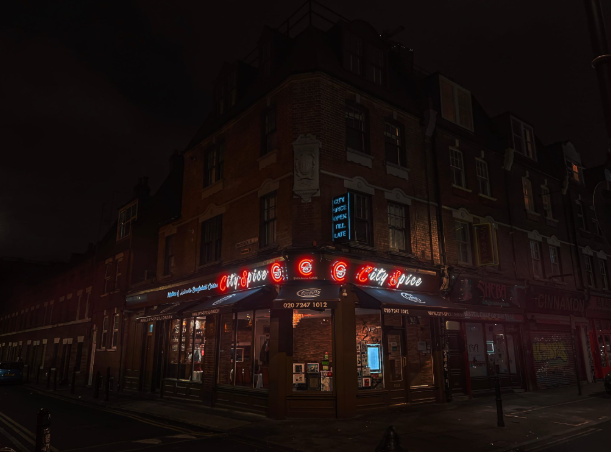
For more than half a century, brick lane indian restaurants have formed the cultural and gastronomic spine of East London. Stretching from the edge of Whitechapel up towards Bethnal Green and Shoreditch, this famous corridor in Tower Hamlets represents one of the United Kingdom’s most celebrated dining destinations. Turning onto the street from Osborn Street, the sensory pull is immediate: the toasted aroma of whole cumin seeds frying in mustard oil, the savoury smoke of clay tandoor ovens, and the unmistakable hum of dining rooms filling with hungry visitors.
Yet the modern street is far more nuanced than its reputation as a late-night supper strip suggests. Appreciating the area requires looking beyond bright neon signage and promotional flyers to understand its immigrant history, the evolution of its kitchen techniques, and how to separate authentic culinary craft from tourist-focused mediocrity.
From Docks to Dining Rooms: The Origins of East End Curry
The culinary identity of indian brick lane began taking shape after the Second World War. Merchant sailors—historically known as lascars—from the Sylhet district of northeastern Bengal (in modern-day Bangladesh) settled in the East End close to the London docks where their vessels berthed.
During the 1960s and 1970s, Sylheti families revitalised a neighbourhood previously shaped by Huguenot weavers and Jewish tailors. Former community cafes, set up to serve solitary dockers and garment workers affordable homestyle food, gradually evolved into licensed public dining spaces. The commercial energy of these Bengali restaurateurs created the golden era of the East End dining strip, establishing what many still regard as the quintessential brick lane curry house.
While diners historically applied the broad term “Indian” to all South Asian food across the capital, the vast majority of these venues were established, staffed, and nurtured by Bangladeshi families. This cultural exchange created British Indian Restaurant (BIR) cooking—a distinctive style tailored to British tastes through velvety gravies, warming spices, and generous hospitality.
Navigating the Menus: Classic BIR Favourites versus Regional Specialities
Knowing what to order requires understanding the two culinary philosophies coexisting within brick lane indian restaurants. Many venues preserve the beloved BIR tradition, whilst several respected kitchens now celebrate homestyle Bengali and regional South Asian recipes.
The British Indian Restaurant Tradition
The traditional BIR style was built on kitchen speed and comforting, rich sauces. Central to this approach is the base gravy—a slow-simmered, blended vegetable stock made from onions, ginger, garlic, turmeric, and ripe tomatoes. With this foundation, chefs quickly produce distinct curries over high flame:
- Chicken Tikka Massala: Tandoor-charred chicken breast folded into a mildly spiced, creamy tomato and fenugreek sauce.
- Lamb Rogan Josh: A Kashmiri-style curry flavoured with aromatic spices, caramelised onions, and sweet peppers.
- Chicken Madras: A fiery crimson sauce sharpened with fresh lemon juice and vibrant chilli heat.
- Vegetable Dhansak: A sweet, sour, and gently spiced Parsi curry made with slow-cooked lentils and tamarind.
Regional Sylheti and Bengali Cooking
Diners interested in the regional heritage of indian brick lane can explore traditional Bengali dishes that highlight delicate aromatics, freshwater fish, and regional citrus:
- Shhatkora Beef or Lamb: A Sylheti specialty braised with shhatkora (Citrus macroptera), a wild citrus from northeastern Bangladesh whose aromatic peel adds a fragrant, zesty bite.
- Macher Jhol: Freshwater fish, such as rohu or sea bass, pan-fried in mustard oil and simmered in a light broth with turmeric, green chillies, and panch phoron (Bengali five-spice).
- Homestyle Bhuna: A dry-fried preparation where onions, garlic, and freshly pounded spices cook down until the oil separates, coating meat in a rich, fragrant paste.
The Street Experience: Touts, Licences, and BYOB Culture
An evening on Brick Lane involves more than simply eating; it is an encounter with East London street culture. Unlike contemporary brick lane restaurants focused on minimalist decor or fast-casual dining, traditional curry establishments maintain an energetic, personal style of hospitality.
Handling Street Touts with Confidence
Walking along the central strip between Fournier Street and Hanbury Street, you will encounter front-of-house staff standing outside their doors. These street touts compete for passing trade, offering incentives such as discounts of 20% off the total bill, complimentary poppadoms, or free drinks.
These interactions are routine, but reputable brick lane restaurants rarely rely on aggressive street marketing. Step aside, examine the posted menu, and look inside. A dining room filled with local residents and South Asian families is a far more reliable indicator of quality than a discount pitched at the door.
The Appeal of Bring Your Own Bottle (BYOB)
A defining feature of the classic brick lane curry house is the Bring Your Own Bottle policy. Many dining rooms operate without an alcohol licence, inviting guests to bring their own beer, wine, or cider purchased from nearby shops. Most venues charge zero corkage or only a nominal fee for opening bottles and providing glassware, making dinner remarkably good value for groups.
How to Identify Exceptional Kitchens on Brick Lane
With numerous venues competing along one street, choosing where to sit down demands a discerning eye. Instead of defaulting to a standard search for an indian restaurant near me on a smartphone, planning an East End dining excursion should be approached with care.
Apply these practical checks before choosing a table:
- Menu Focus: Avoid venues with vast menus listing hundreds of dishes. The best brick lane indian restaurants focus on twenty to thirty house specialities, ensuring sauces are made fresh daily.
- Kitchen Turnover: High table turnover guarantees fresh spices and hot breads. A busy room means tandoori meats and naans are prepared on demand rather than held under heat lamps.
- Hygiene Ratings: Look for the Food Standards Agency (FSA) green sticker in the window, ideally displaying a rating of 4 or 5.
- Chef Inquiries: Ask your server which dish the chef prepares best, or request Bengali daily specials. Kitchens welcome diners who show interest in regional cooking.
Assembling a Balanced Feast
A frequent misstep when visiting a brick lane curry house is ordering several heavy, sauce-laden curries that compete on the palate. South Asian dining is communal and thrives on contrast between richness, sharpness, temperature, and crunch.
- Begin with Textures: Start with warm, crisp poppadoms accompanied by freshly prepared spiced onion, coriander mint chutney, and tangy lime pickle.
- Contrast Wet and Dry Dishes: Balance a saucy curry, such as a slow-cooked karahi or shhatkora mutton, with a dry-roasted tandoori mixed grill or spiced king prawn bhuna.
- Incorporate Acidity and Greens: Add a fresh kachumber salad of diced cucumber, red onion, tomato, and fresh lemon to cleanse the palate between rich bites.
- Select Breads and Grains: Choose between pillowy garlic naan baked to order or fragrant pilau rice infused with whole cardamom pods and cloves.
Preserving an Iconic Corner of East London Food Culture
The character of East London continues to transform, with commercial redevelopment altering the fabric of the neighbourhood. Over the past twenty years, the number of curry houses on the strip has contracted significantly. Yet this shift has encouraged surviving kitchens to refine their craft, relying on culinary consistency, regional authenticity, and warm hospitality to thrive.
While anyone can locate a convenient indian restaurant near me for a routine takeaway, visiting Brick Lane remains a distinct gastronomic pilgrimage. It connects diners to generations of British-Bangladeshi culinary enterprise, preserved in bustling dining rooms with rich social histories. Taking the time to discover the finest brick lane indian restaurants rewards you with memorable food, generous hospitality, and a genuine taste of London’s living culinary heritage.